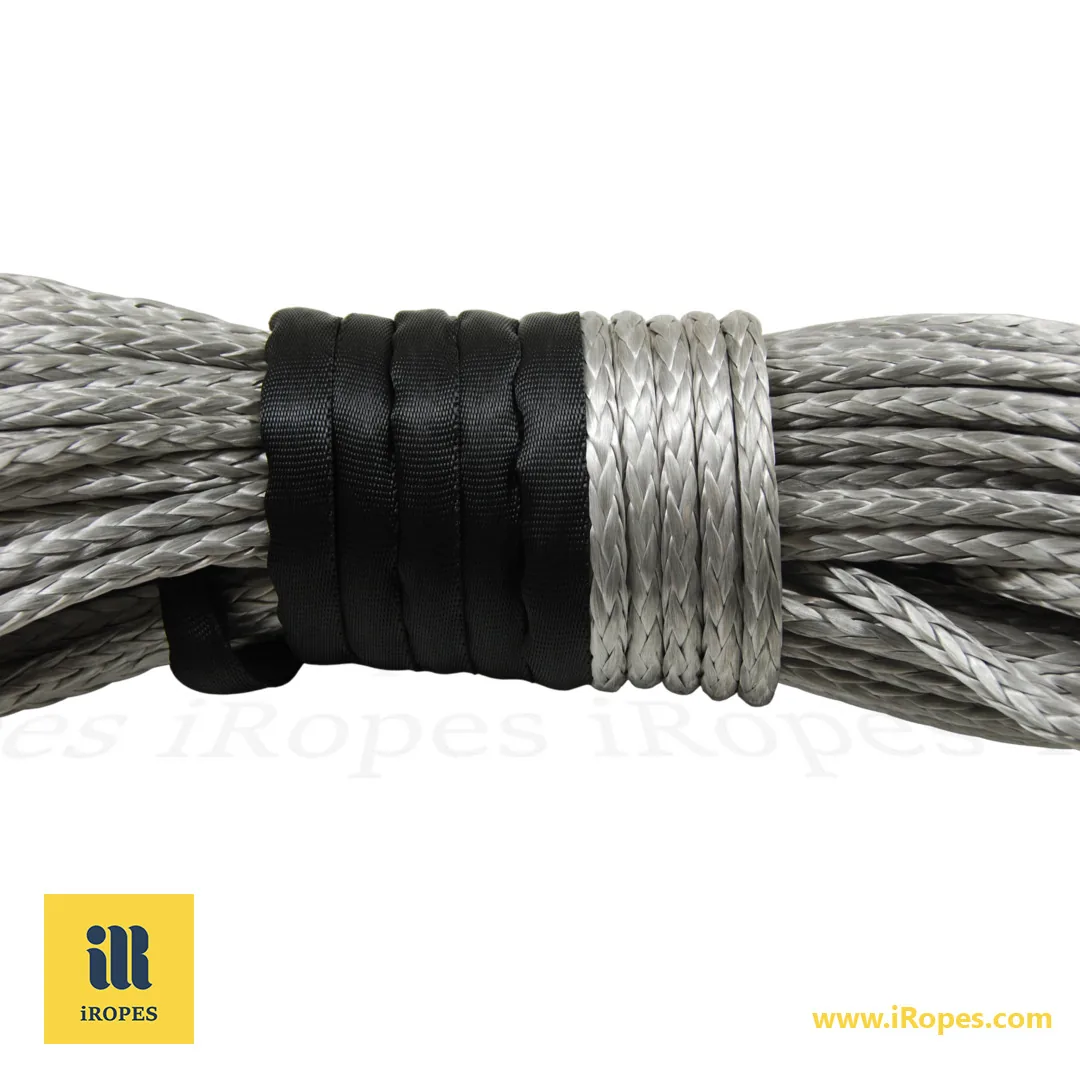
⚠️ In **mixed mooring conditions**, 72% of mooring failures stem from the uneven load distribution caused by mismatched materials. This often leads to snap-back injuries and vessel drift. *Uniform synthetic setups* from iRopes can significantly reduce these risks by ensuring consistent 20-30% elasticity across all six mooring lines, distributing tension evenly regardless of conditions.
Unlock Safer Docking in 4 Minutes → Discover Practical Wins
- ✓ Grasp **mixed mooring pitfalls** to prevent up to 65% of snap-back accidents by understanding material uniformity.
- ✓ Master the **standard 6-line arrangement** (head, stern, breast, springs) for balanced hold, adapting to wind and tides with zero drift.
- ✓ Acquire step-by-step securing skills—like two-turn bitt wrapping—to cut overload failures by 50% in surges.
- ✓ Leverage iRopes' custom OEM ropes for ISO-certified compliance, boosting durability by 40% in harsh ports.
You've probably trusted your mixed lines to hold in calm waters. But what truly happens when tides clash with gusts and one rope stretches while another snaps taut? This hidden mismatch turns routine berthings into high-stakes gambles, potentially costing time, requiring expensive repairs, and risking crew safety. Dive in to uncover how standardising your 6 mooring lines setup with precise techniques eliminates these common failures, revealing iRopes' tailored solutions that keep you anchored securely, no matter the storm.
The Hidden Dangers of Mixed Mooring in Challenging Environments
Imagine securing your vessel against a dock as the weather unexpectedly turns. The waves pull and push, and suddenly one of your mooring lines gives way—not because it snapped under pressure, but because it never shared the load evenly with the others. This nightmare scenario often stems from mixed mooring, a practice that is unfortunately common yet incredibly risky. Mixed mooring occurs when you use lines made from different materials or with varying specifications in the same setup. This could involve combining synthetic ropes with steel wires, or mixing diameters that don't match for specific load capacities.
The danger is rooted in how these incompatible differences create uneven load distribution. For instance, a stiffer steel line might take on most of the strain, leaving a more elastic synthetic one slack. This ultimately leads to sudden overloads and potential failure points across the system. At its core, what is a mixed mooring? It's simply rigging your boat with incompatible lines that don't stretch or hold tension in a similar manner. This mismatch in elasticity—the extent a line stretches under force—means one part of your system absorbs shocks from waves or wind while others hang loose, unnecessarily amplifying stress points. I recall witnessing a mixed mooring setup during a stormy docking in a busy harbour; a mismatched line caused it to whip back violently, narrowly missing crew members. The real-world consequences can be severe, including the creation of **snap-back zones**, those invisible danger areas where a failing line can recoil like a stretched rubber band, causing serious injury to anyone nearby. Vessel drift is another significant threat—your boat could shift away from the dock, colliding with other vessels or infrastructure, transforming a routine stop into a costly incident.

These issues intensify dramatically in mixed conditions, where wind whips across the bow, currents tug sideways, and tides rise and fall unpredictably. A uniform set of lines, especially those crafted from consistent synthetic fibres like polyester or nylon, ensures every component responds similarly—stretching just enough to absorb surges without failing. Why does this matter so much? Without uniformity, your mooring system cannot adapt cohesively; one line might elongate too far under tidal pull, while another remains rigid against the wind, leading to overall instability. Think of it like a chain where the weakest link isn't just the thinnest; it's the one that behaves differently from all the others, disrupting the entire system.
This is precisely where the expertise of **iRopes** becomes invaluable. As a leader in custom rope solutions, they help mitigate these pitfalls by tailoring every line to match in strength, durability, and stretch. Whether for yachting or heavy industrial vessels, their OEM and ODM services allow you to specify materials that align perfectly, all backed by stringent ISO 9001 quality standards. This means no more guesswork—just reliable, identical lines that keep your vessel securely positioned. By choosing such customised options, you're not merely securing your boat; you're safeguarding lives and assets against the unseen threats of mismatched setups.
Having understood these perils, it's time to explore arrangements that effectively spread the load evenly across the system. The standard 6 mooring lines configuration is an excellent example, designed to keep things stable no matter the external conditions.
Mastering the Standard 6 Mooring Lines Arrangement for Stability
Building on the critical risks associated with mismatched lines, let's now turn our attention to a setup that consistently performs: the **standard 6 mooring lines arrangement**. This configuration forms the backbone of secure docking for both commercial ships and recreational boats, purposefully distributing forces evenly so your vessel remains steadfast. Imagine a cargo vessel sliding into a berth—without this balanced approach, surges from passing ships could easily dislodge it. Instead, these six lines work collaboratively, with each handling specific movements to establish a truly rock-solid hold.
At the heart of it, the typical 6 mooring lines setup includes two head lines extending from the bow to prevent the front from swinging, and two stern lines at the rear for similar aft control. Then, breast lines are positioned perpendicular to the dock to effectively stop any side-to-side drift. Crucially, don't forget the spring lines: forward and aft ones that run diagonally, specifically preventing fore-aft motion, such as the vessel inching forward or backward with the tide. Head and stern lines primarily tackle longitudinal shifts, while breast and spring lines expertly curb lateral sway. It's a cohesive team effort—each line absorbs a share of the load, significantly reducing strain on any single one. Have you ever noticed a yacht remaining remarkably stable while others strain against varying forces? That is often the direct result of this balanced design in action.
What are the 6 steps of safe mooring operations?
- Assess the weather and sea conditions ahead to anticipate wind and current impacts on your approach.
- Inspect all equipment, from lines to winches, ensuring no frays or weaknesses that could fail under pressure.
- Review the port's specific layout and rules, like bollard positions or fender requirements, to plan your alignment.
- Brief the crew on roles, emphasising clear communication and **snap-back awareness** during deployment.
- Deploy lines in sequence—starting with springs for initial control—while maintaining engine readiness for adjustments.
- Monitor and tend lines continuously, adjusting tension as conditions change to prevent overloads.
Symmetrical arrangements elevate this principle further, mirroring lines on both sides for even tension. This is absolutely crucial whether you're handling a large tanker in a busy port or prepping a sailboat for an overnight storm. Ports often dictate specific tweaks—such as requiring extra springs in high-current areas—to account for local hazards. For effective storm preparations, it's wise to double up on spring lines and add robust chafe guards, transforming potential chaos into controlled stability. In mixed conditions, where unpredictable gusts mix with swirling currents, this 6 mooring lines setup truly shines by adapting through deliberate tensioning sequences. Begin by securing the breast lines first for critical lateral hold, then adjust spring lines to counter fore-aft surges, and finally fine-tune head and stern lines for overall balance. It's an active process of responding to each wave's push, maintaining hold without over-tightening, which could cause a line to snap prematurely.

Of course, simply positioning these lines is merely the beginning; the real test comes in how you attach and consistently adjust them, particularly when pressures build from unpredictable seas. This brings us to essential securing techniques.
Essential Techniques for Securing Mooring Lines Effectively
Now that you've got the six lines positioned just right, the next challenge lies in ensuring they remain secure under real-world pressure. Properly **securing mooring lines** isn't about rushing through the motions—it's a deliberate, methodical process that can directly determine the difference between a safe berth and a hazardous slip. I once observed a crew struggling with a docking in choppy waters; what began as a minor oversight in rope wrapping quickly escalated into hours of frantic adjustments. Let's break down the essential steps so you can handle it smoothly every time.
What is the proper way to secure mooring lines? It starts with careful deployment from a safe distance, making sure everyone remains clear of those critical **snap-back zones** discussed earlier. Begin by heaving the eye of the line over the bollard or cleat on the dock, using a heaving line if necessary to bridge the gap. Once the line is ashore and secured, bring it back to the bitts on your vessel. Wrap it in a figure-eight style, making *two full turns around the first post* to achieve a firm grip without slippage. Then, cross to the second post for added hold and security. This specific setup effectively distributes the load evenly and prevents the line from jumping off under surge. Tension the line gradually using the winch, aiming for just enough snugness to eliminate slack, but absolutely not so tight that it overloads the fittings or the line itself. Over-tightening greatly increases the risk of a line snapping prematurely, so ease into it, feeling the line's response much like tuning a taut guitar string.
- Deploy the line's eye over the dock fitting, ideally from amidships, carefully avoiding overhead throws near the bow.
- Make **two turns around the first bitt post**, then cross to the second for secure locking.
- Tension slowly with the winch, continuously checking for even pull across all lines.
- Confirm there are no kinks or overlaps that could significantly weaken the hold.
- Step back and verify the setup effectively prevents immediate movement.
Once the lines are secured, **continuous monitoring** becomes your critical lifeline, especially in mixed conditions where wind shifts or tides pull unpredictably. Walk the deck every 15-30 minutes, actively looking for chafe or unusual stretch, and adjust tension as needed—loosen slightly during high tide surges, and tighten carefully against crosswinds. Have you ever felt that uneasy creak from a line straining in isolation? That's your undeniable cue to rebalance the entire system. Best practices here also include logging any changes in a simple notebook, noting wind speeds or current directions to predict future shifts with greater accuracy.
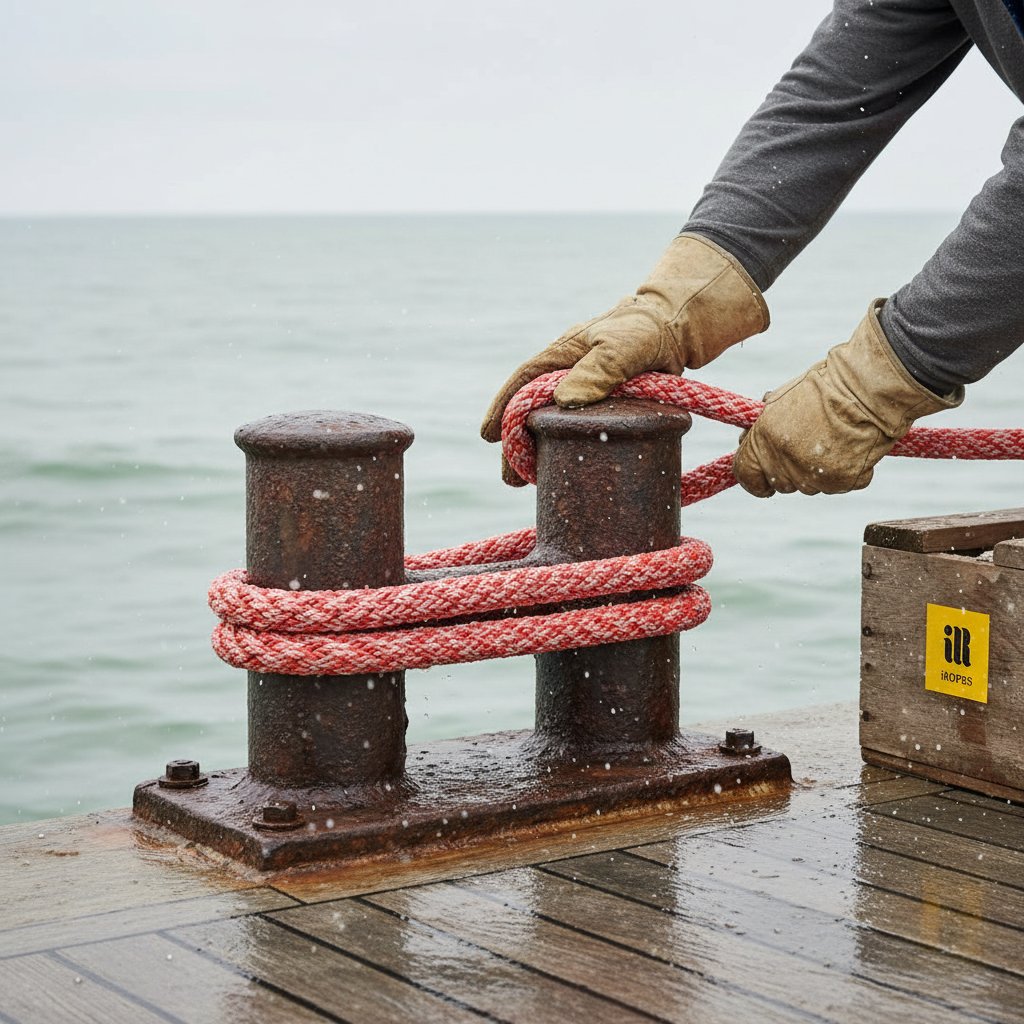
Don't overlook crucial accessories that significantly boost longevity and safety. Thimbles protect the eyes of your lines from abrasive wear, while *chafe guards* wrap high-friction spots like chocks, extending the life of your ropes. For yachting outings or heavy industrial operations, customised designs from **iRopes** truly shine. Their tailored diameters and materials for exact needs can include features like UV-resistant coatings for prolonged sun exposure in tropical ports. These specialised tweaks not only extend the life of the ropes but also maintain that absolutely critical elasticity match we need for optimal performance.
Storm preparations further ramp up these requirements: double-check all fittings and lines meticulously, in strict adherence to MEG4 guidelines. These guidelines specifically stress inspecting for wear and ensuring lines meet the *60% brake rendering set point* of the ship's design MBL to safely handle extreme forces. Add extra springs diagonally and position fenders strategically for maximum protection. Following these guidelines keeps operations compliant and crews out of harm's way, but even the most solid techniques can falter if equipment choices are flawed.
Avoiding Common Failures: Equipment, Mistakes, and Material Choices
Effective securing techniques provide a strong foundation, yet overlooking common pitfalls can still lead to failure, even with the best setup. I recall a foggy approach to a coastal dock years ago where an overlooked fray in a line led to an unexpected release—nothing catastrophic, thankfully, but it served as a powerful reminder of how small oversights can compound in the wet, salty environment of the sea. Let's delve into those frequent errors that can undermine even a meticulously planned mooring, and how straightforward habits can consistently keep your vessel secured.
One of the largest mistakes occurs when crews neglect routine maintenance or dismiss environmental cues, such as assuming calm winds mean no adjustments are necessary. Over time, salt buildup can subtly weaken fibres, or a hidden kink from improper storage can significantly reduce a line's strength without any visible warning. Ignoring these issues greatly increases the risk of a sudden break during a surge. Prevention begins with integrating regular inspections into your routine—feeling for soft spots or glazing every few months—and diligently crafting a solid mooring plan that meticulously factors in local tides and gust patterns. What if you approached your lines like trusted tools in your toolbox, checking them thoroughly before every single use?
- Neglect routine checks: Schedule visual and manual inspections post-use to catch wear early, potentially extending line life by up to 50% in harsh marine settings.
- Overlook weather shifts: Utilise apps or real-time gauges to monitor changes, adjusting setups proactively to counter unexpected loads from swells or drafts.
- Skip tailored plans: Develop site-specific strategies, meticulously noting bollard strengths and vessel weight, to distribute forces precisely without guesswork.
When it comes to materials, the crucial choice between synthetic ropes versus steel wires profoundly shapes how your mooring system performs under stress. Synthetics, such as nylon or polyester, offer invaluable elasticity that absorbs shocks from waves, stretching adequately (typically 20-30%) before reaching their breaking point. This characteristic makes them highly suitable for dynamic docks with variable currents. Steel, conversely, provides unyielding strength for heavy industrial pulls but inherently lacks elasticity, risking brittle snaps in choppy waters due to its inability to absorb kinetic energy. The critical impact here is that mismatched combinations inevitably lead to one material hogging the load, thereby creating dangerous weak points across the entire system. As for what is the recommended practice when using mixed mooring lines? The unequivocal answer is to steer clear entirely—always opt for uniformity in type and specifications to ensure an even distribution of tension, specifically preventing those dangerous overloads that can turn a seemingly secure berth into a genuine hazard.
Synthetic Ropes
Flexible Shock Absorption
High Elasticity
Stretches to handle surges, significantly reducing peak forces on fittings.
Lightweight Durability
Easier handling with excellent resistance to rot, making them ideal for long exposures.
UV Protection Options
Specialised coatings prevent degradation, especially in sunny, tropical ports.
Steel Wires
Rigid High-Load Capacity
Maximum Strength
Bears extreme weights, making them suitable for large cargo vessels without elongation.
Low Stretch
Maintains precise positioning, particularly useful in steady, controlled environments.
Corrosion Risks
Requires regular galvanising and maintenance to combat rust in saltwater exposures.
This is precisely where iRopes' OEM and ODM services provide a strategic advantage, crafting bespoke sets of **6 mooring lines** perfectly tailored to your unique requirements. This includes specifying the correct diameter for precise load capacity, exact lengths for various dock layouts, and ensuring all necessary certifications, such as ISO 9001, are met to manage diverse mixed conditions. Imagine receiving uniform polyester lines with integrated thimbles, shipped directly to your yard, ready for yacht charters or offshore rigs—all without the inherent hassle and risks of mismatched components.
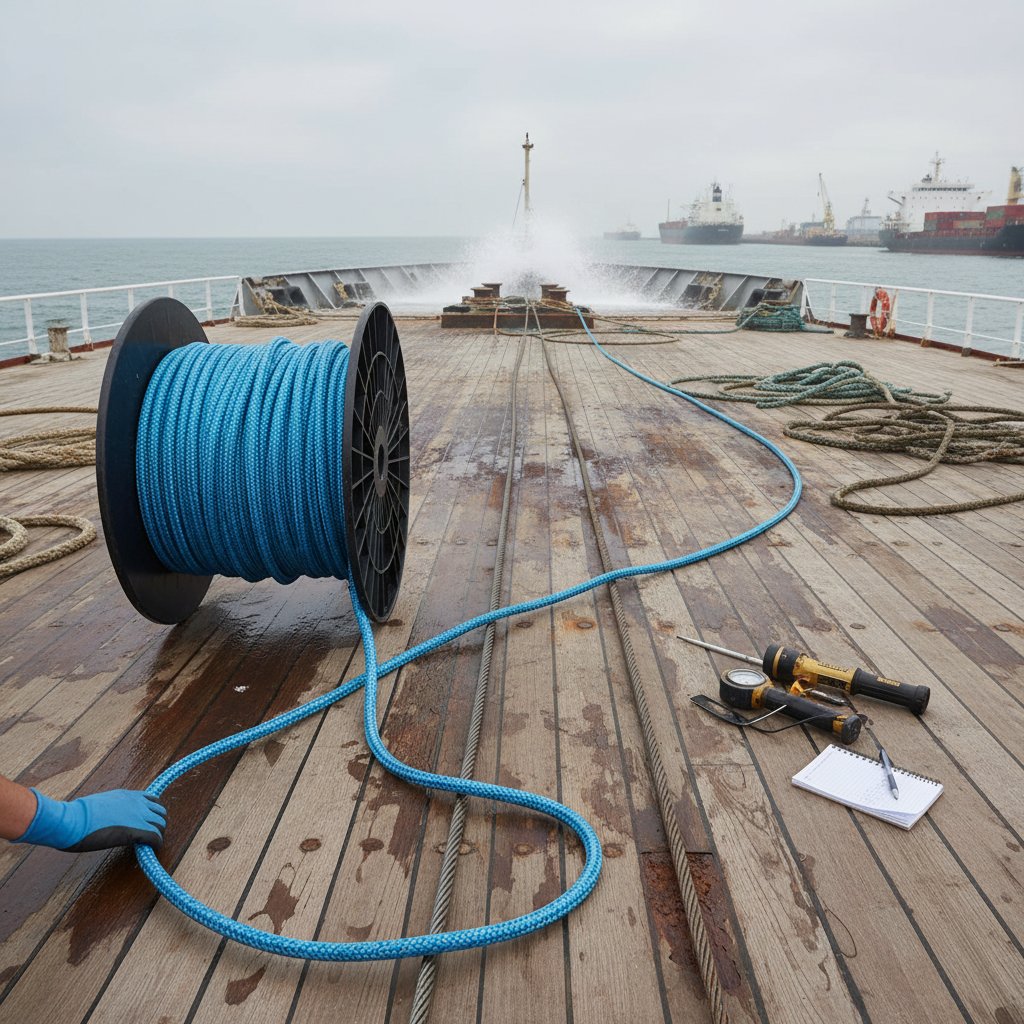
Regulatory compliance ties all these elements together efficiently. Guidelines like MEG4 mandate critical inspections at 60% of the minimum breaking load (MBL) to identify issues early and proactively. Quality assurance from providers like iRopes ensures every line rigorously meets these standards, significantly reducing risks for tankers or fishing boats alike navigating complex mooring setups. By prioritising these crucial elements, you're not merely avoiding potential breaks—you're actively building a robust system that will hold steadfastly through whatever the harbour environment throws your way.
In navigating mixed conditions, avoiding mixed mooring is paramount to prevent uneven loads and dangerous snap-back hazards that threaten both commercial and recreational vessels. By adopting a uniform 6 mooring lines arrangement—comprising head, stern, breast, and spring lines—you ensure balanced tension against winds, currents, and tides, adapting effectively through proper tensioning sequences and port-specific adjustments. Mastering the art of **securing mooring lines** with precise techniques like two-turn bitts wrapping, continuous monitoring, and the use of robust accessories such as chafe guards, while actively steering clear of material mismatches, critically bolsters overall stability. iRopes’ custom OEM/ODM solutions deliver tailored synthetic ropes that consistently meet stringent MEG4 standards, significantly enhancing durability for rigorous storm preparations and consistently safe operations.
With these comprehensive insights, you are now thoroughly equipped to fortify your vessel's security. However, for genuinely bespoke configurations that perfectly match your exact needs, expert guidance can further elevate your setup to unparalleled levels of safety and performance.
Explore Customised Rope Solutions Tailored for Your Needs
If you're seeking personalised recommendations on high-quality, uniform mooring lines or comprehensive OEM services to specifically suit your vessel's unique requirements, please complete the inquiry form above to get in touch directly with **iRopes specialists** today.