⚠️ Your boat anchor line could drag you into disaster if too short—deploy at least 7:1 scope for safety. For 10 feet of water depth plus a 3-foot bow height, that's 91 feet of rode to ensure horizontal pull and a secure hold, which slashes dragging risks significantly.
Master Anchoring Essentials in ~8 Minutes
- ✓ Calculate precise rope length using the scope formula—gain 7:1 ratio confidence to handle depths from 5 to 50 feet without guesswork.
- ✓ Integrate chain for stronger holds, solving chafe issues and boosting safety in rough conditions with minimum 10-15 feet recommendations.
- ✓ Adapt to real factors like tides and winds, avoiding common dragging mishaps through swing radius tips and environmental adjustments.
- ✓ Tap iRopes' custom nylon ropes tailored to your 23-foot boat (3/8-inch diameter)—achieve ISO-certified durability for worry-free trips worldwide.
You've probably tossed out a rope thinking longer is always safer, but that's a myth. Too little or too much scope often turns calm anchorages into collision nightmares. What if one overlooked formula could transform your setup, factoring in bow height, tides, and bottom types for unbreakable security? Dive in to uncover the calculations and iRopes customisations that prevent your next trip from drifting into danger—your vessel's stability awaits.
Understanding Boat Anchor Line Length for Safe Anchoring
Imagine you're out on the water, the sun dipping low, and you've just dropped anchor for a peaceful evening. Suddenly, your boat starts drifting, pulling you toward rocks or other vessels. This unsettling shift often traces back to one overlooked detail: the boat anchor line length. Getting this right isn't just about convenience; it's about keeping you, your crew, and your vessel safe from unexpected mishaps.
At the heart of any solid anchoring setup is the anchor rode, which is essentially the complete line connecting your boat to the anchor on the seabed. Think of it as the lifeline that holds everything steady. The rode typically comprises a few key parts: the anchor itself, which digs into the bottom; a short length of chain right at the anchor end for weight and protection; the main rope, which provides the bulk of the length and some give under tension; and connectors like shackles or swivels that link it all without weak spots. Each piece plays its role, but the overall length of this system determines if your anchor bites deep or just skims the surface.
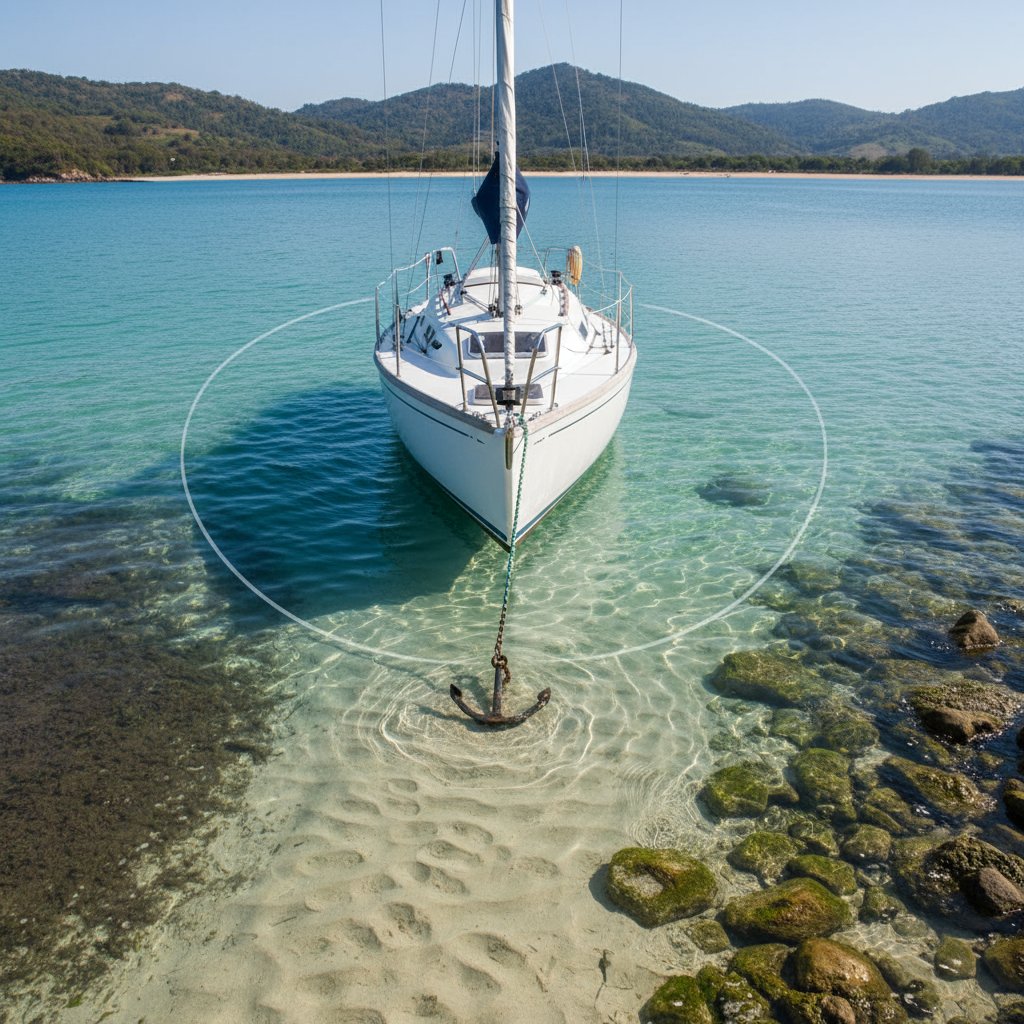
Now, let's talk about scope, a term frequently used in boating. Scope refers to the ratio between the total rode length you let out and the distance from the water's surface to the seabed, plus the height of your boat's bow above the water. It's like giving your anchor the right amount of slack to pull horizontally rather than straight up, which helps it bury in securely. A common question boaters ask is, "How long should my boat anchor rope be?" The general rule of thumb is a 7:1 scope—meaning for every foot of water depth plus bow height, you deploy seven feet of rode. In calm bays, you might use a shorter ratio, but skimping here often leads to trouble.
Why does improper boat anchor line length spell disaster? If your line is too short, the pull on the anchor becomes too vertical, causing it to drag across the bottom instead of holding firm. This can yank your boat into hazards, especially if wind picks up or currents shift. I've seen it happen on a friend’s outing once—their setup was off by just a few feet, and they spent the night resetting instead of relaxing. On the flip side, too much length increases swing radius, potentially fouling nearby boats. Either way, it significantly ramps up risks like collisions or groundings, turning a simple stop into a safety nightmare.

That's where quality matters most. Companies like **iRopes** specialise in crafting high-strength ropes tailored for marine use. They ensure your boat anchor rope length performs reliably without fraying or stretching unevenly. Their nylon options absorb shocks from waves, keeping your setup dependable even in choppy conditions.
With the basics of boat anchor line length established, let's dive into the essential calculations that ensure your anchor sets securely in any condition.
- Anchor - The hook that grips the seabed for holding power.
- Chain - Adds weight and horizontal pull, typically 10-15 feet minimum.
- Rope - The flexible extender, often nylon for elasticity.
- Connectors - Shackles and swivels to secure joints without slippage.
Determining the Optimal Boat Anchor Rope Length Using Scope
Now that you grasp why getting your boat anchor line length right matters so much, it's time to crunch the numbers. Scope isn't just boating lingo; it's your roadmap to a setup that keeps the anchor buried where it counts. The key starts with a straightforward formula that takes the guesswork out of deploying the right amount of rode.
Picture this: you're measuring from the water's surface down to the seabed, then up to where your anchor line leaves the bow. The core calculation for your boat anchor rope length goes like this: multiply the water depth, plus the bow height above the water, plus any expected tide rise, by your chosen scope ratio. So, Boat Anchor Rope Length = (Water Depth + Bow Height + Tide Rise) × Scope Ratio. Water depth comes from your chart or depth sounder—say, 10 feet on a rising tide. Bow height might be 3 feet from waterline to roller, and tide rise could add another 2 feet if you're anchoring for the night. Plug those in, and you're set to adjust for conditions.
That scope ratio? It's flexible based on what the water throws at you. In glassy calm with no wind, a 5:1 ratio works fine for quick stops, giving just enough slack without overcomplicating things. For everyday cruising on moderate days, stick to 7:1—it's the sweet spot most experts swear by, balancing hold and control. However, if storms brew or currents pull hard, bump it to 10:1 or higher; that extra length lets the anchor dig in horizontally, resisting the chaos. Always build in a safety margin—perhaps 20% more—for sudden shifts like a squall rolling in, because who wants to scramble in the dark?
- In 8 feet of water with 2-foot bow height and no tide change, at 7:1 scope: (8 + 2) × 7 = 70 feet of rode. This is perfect for a peaceful lunch anchor.
- For a 15-foot depth in choppy bay conditions, add 1-foot tide and use 10:1: (15 + 3 + 1) × 10 = 190 feet. This accounts for waves that could swing your 25-foot boat in a wide arc of about 95 feet radius.
- Shallow 5 feet at dusk with 4-foot bow and 1-foot tide, 5:1 calm: (5 + 4 + 1) × 5 = 50 feet, which minimises swing in a crowded cove.
These examples highlight how depth and swing radius—roughly half the rode length—shape your choices. In tight spots, a shorter scope cuts swing but demands a firm bottom; deeper waters or big boats need more to avoid dragging. Have you ever anchored in a spot where boats crowded close? I once shortened to 5:1 in a busy harbour, carefully watching swing to keep clear—nerve-wracking, but it worked.
When folks ask "How to choose the length of an anchor cable?", remember it's the full rode that counts, not just the rope. That chain segment we touched on earlier factors into the total, adding weight for better set without stressing the rope alone. Skip it, and your line takes all the abuse, risking snaps in a gust.

Scope gives you the rope length, but no anchor setup is complete without the crucial role of chain to enhance holding power and protect your line.
Factors Influencing the Length of Anchor Line in Real Conditions
While the scope formula lays out a solid foundation for your boat anchor line length, the water rarely follows a script. Real-world variables can shift everything, demanding adjustments to keep your setup reliable. Think about the seabed beneath you or the wind whipping up—these aren't just background noise; they dictate how much rode you truly need to deploy.
Environmental factors often take centre stage. The type of bottom you're dropping into makes a big difference in how your anchor grips. In soft mud, it sinks deep. This allows for slightly less scope, perhaps sticking closer to that 5:1 ratio if conditions remain mellow. Sandy bottoms hold well too, but rocks? They can snag or skip your anchor, forcing you to use a longer ratio—maybe 10:1—to ensure it catches without bouncing free. Weather also plays its part; calm days let you ease up on length, but gusts or swells crank up the tension, pulling your boat harder and requiring extra slack to maintain that low-angle hold. Currents add another layer, twisting your vessel and amplifying drag risks, so factor in their speed when choosing your length of anchor line. Additionally, in spots with limited swinging room, like a snug cove packed with other boats, you might trim the rode to cut down on the wide arc your boat traces, though it means staying vigilant for any slip.
Environmental Influences
Adapting to Seabed and Elements
Bottom Type
Mud allows shorter scope for deep set; rocks demand more to avoid skips.
Weather Shifts
Strong winds or waves increase needed length for secure horizontal pull.
Currents
Flowing water twists the boat, requiring added rode to counter drag.
Swing and Vessel Factors
Accounting for Movement
Swing Radius
Estimate as half the rode length; larger boats swing wider in wind.
Boat Size and Weight
Heavier vessels need more length to handle momentum in turns.
Anchoring Duration
Overnight stays call for extra scope against changing tides or winds.
To gauge swing radius, simply take half your deployed rode length—that's the circle your bow will trace as wind or current nudges you around. For a 30-foot boat weighing a couple of tonnes, this can stretch out in deep water, especially overnight when you can't keep a constant eye on it. Larger or heavier setups demand you plan for that broader sweep, perhaps scouting suitable space ahead to avoid tangles with neighbours. Have you ever felt that uneasy sway in a tight anchorage? It sharpens your focus on these details quickly.
Once settled, smart habits keep things safe. Mark your rode at intervals—every 10 or 20 feet using coloured tape or whipping—so you can gauge depth without fumbling charts in the fading light. Always monitor for dragging; set an alarm on your GPS or glance at landmarks every half hour, particularly as conditions evolve. In variable spots, such as tidal flats where depths fluctuate, err on the side of more length to ride out surprises without hauling up in a panic.
For setups that handle these twists, **iRopes** steps in with tailored options. Their ropes come in durable nylon blends that stand up to rough seas, allowing you to customise diameter or add UV-resistant coatings for long hauls in harsh weather. Whether you're battling rocky grounds or steady currents, these adaptations mean your anchor line performs without compromise.
Mastering these influences fine-tunes your length of anchor line, but pairing it with the ideal rope construction ensures it lasts through every adventure.
Selecting Rope and Chain for Your Boat Anchor Setup
Those real-world twists we just covered mean your anchor rode has to flex with the demands. This brings us straight to picking the right chain and rope. Without the proper combo, even perfect calculations can fall flat. The chain lays the groundwork for stability, while the rope handles the stretch and reach. Let's break it down so you can build a setup that holds through whatever the sea dishes out.
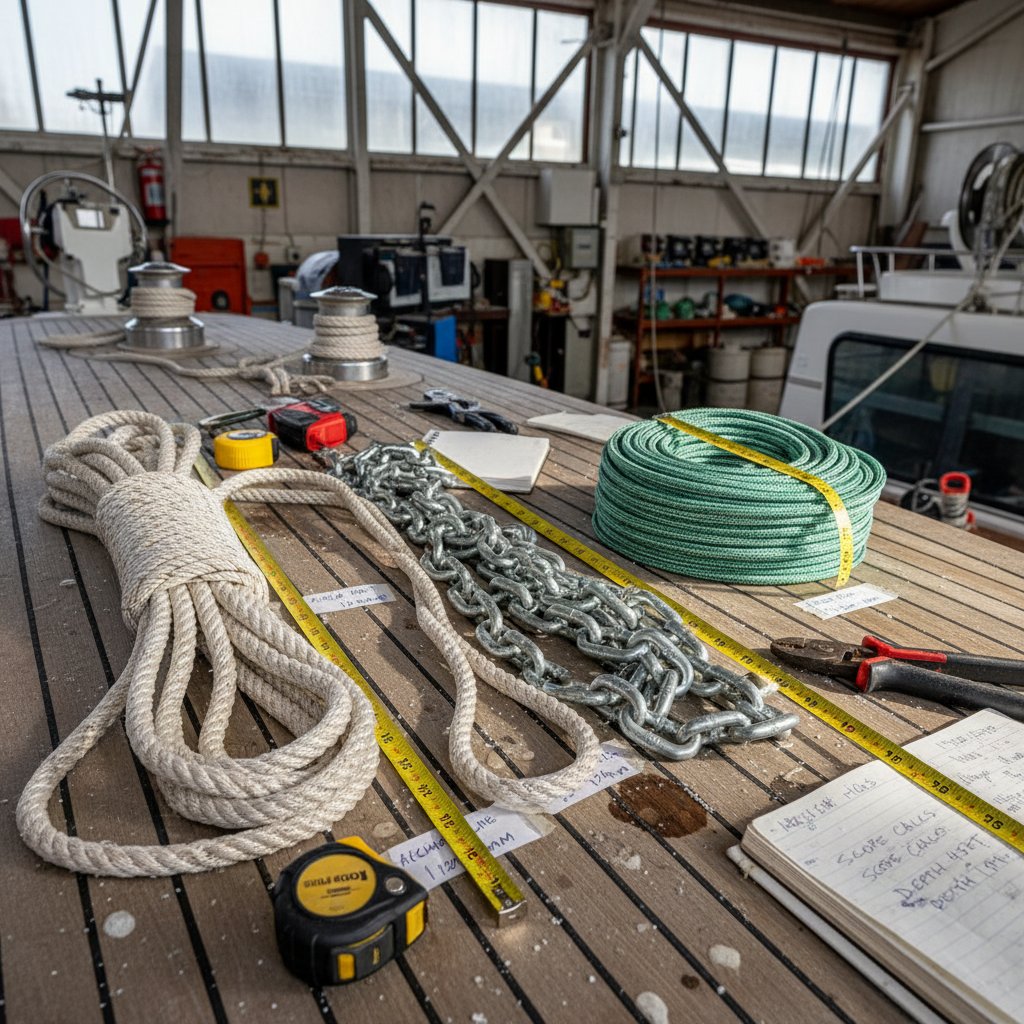
Start with the chain—it's the heavy hitter that keeps things low and level near the seabed. The general recommendation is one foot of chain for every foot of your boat's length. This provides that weighted pull without overwhelming your storage. For a 25-footer, that means 25 feet to start, but don't drop below 10 to 15 feet even on smaller craft. This length ensures the anchor sets without the rope rubbing against rocks or coral. If you've got a windlass for easy hauling, go for BBB chain—it's proof-tested for strength and glides smoothly through the gear without jamming. I remember rigging a buddy's 30-foot sloop with just 12 feet of basic proof coil once; it worked in calm, but the next blow had us wishing for more heft to fight the chafe.
Now, for the rope, nylon reigns supreme thanks to its elasticity, absorbing jerks from waves like a built-in bumper. It stretches just enough to ease sudden loads but snaps back without permanent sag. When deciding between constructions, 3-strand twisted nylon coils neatly and splices easily for custom ends, making it a budget-friendly pick for occasional use. Double-braided, on the other hand, feels smoother in hand and resists twisting better on long runs, though it costs more and typically requires specialised splicing. Wondering "What size anchor rope for a 23 ft boat?" The simple rule is 1/8 inch diameter for every 9 feet of hull length, landing you at about 3/8 inch for that size—strong enough for typical loads around 5,000 pounds without excessive bulk. Scale it up for bigger boats, and always match it to your expected depths.
Chain Essentials
1 ft per boat ft; min 10-15 ft for weight and chafe guard.
BBB Type
Windlass-friendly, high-strength for reliable sets in varied bottoms.
Twisted Nylon
Stretchy, spliceable; ideal for shock absorption on a budget.
Braided Nylon
Smooth handling, low twist; premium choice for frequent anchoring.
To keep it all in check, here's a quick guide on diameters by boat size: under 20 feet, 5/16 inch; 20-30 feet, 3/8 to 1/2 inch; 30-40 feet, 5/8 inch; over 40, 3/4 inch or more. These sizes handle safe working loads with margin. Maintenance is straightforward—rinse salt off after every trip, inspect for frays weekly, and wrap chafe gear, like an old hose, over spots rubbing against the chock. A little vigilance prevents mid-trip failures.
**iRopes** shines here with their OEM and ODM services, letting you dial in exact boat anchor rope length, thickness, and extras like reflective strips that glow at night for safer retrieves. Their ISO-certified builds mean ropes that won't quit, shipped straight to you worldwide.
With these pieces locked in, your anchoring game levels up, setting the stage for trips where confidence trumps worry every time.
Mastering your boat anchor line length is essential for safe, drift-free anchoring, whether in calm bays or rough seas. By applying the 7:1 scope ratio—factoring in water depth, bow height, tide changes, and safety margins for shifting weather—you ensure a horizontal pull that keeps the anchor set. Additionally, consider swing radius to avoid collisions in crowded spots or limited swinging room, and always include chain for added weight and protection. For durable performance, **iRopes** offers custom boat anchor rope length solutions in elastic nylon, tailored to your vessel's needs and yachting conditions.
With these calculations and selections, your trips stay secure and enjoyable, free from anchoring mishaps.
Need Custom Anchor Ropes for Your Boat?
If you're ready to optimise your length of anchor line with expert guidance, complete the inquiry form above to connect with **iRopes** specialists for personalised yachting rope recommendations.