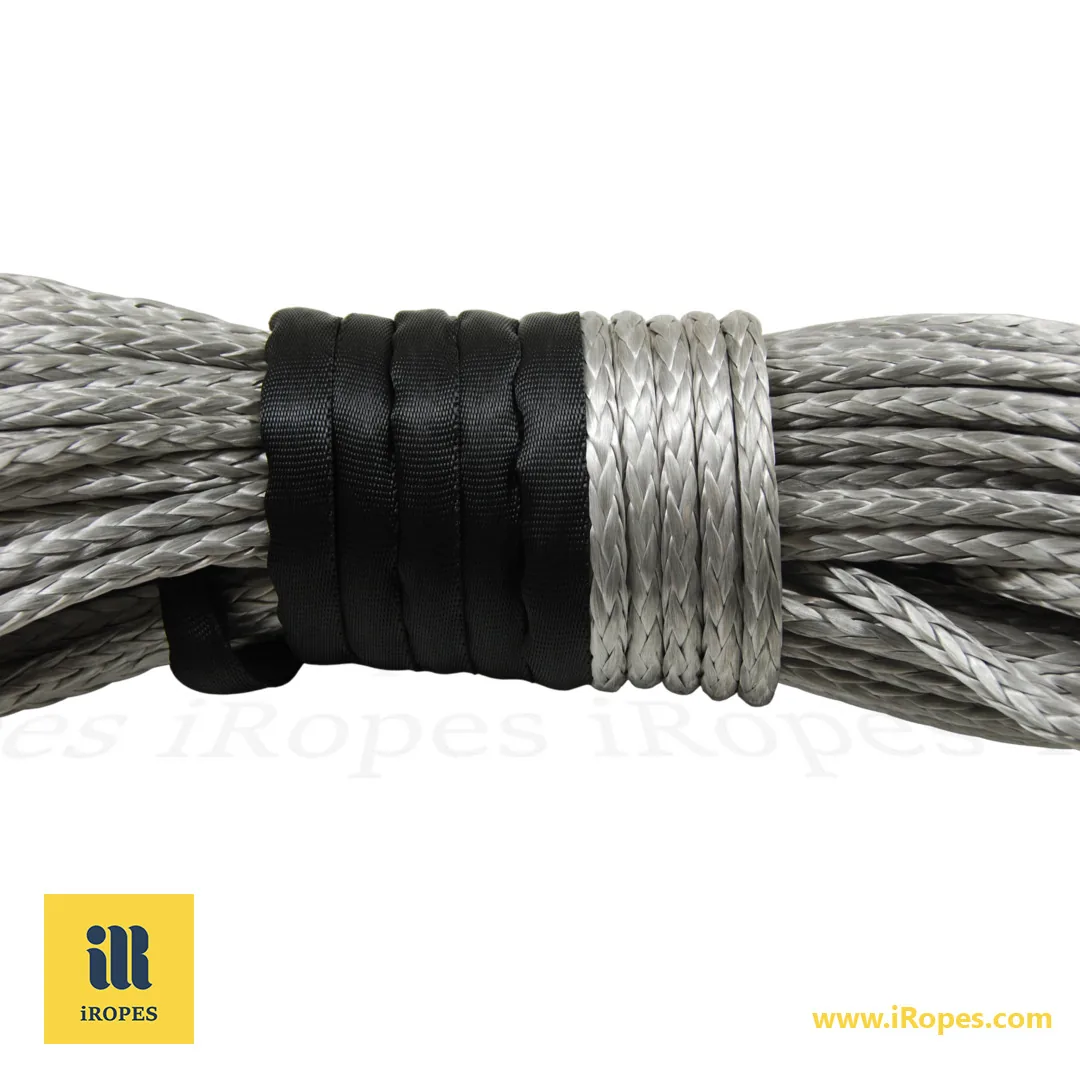
80% of buoy rope failures stem from UV degradation and incorrect sizing. iRopes' custom nylon solutions absorb up to *30% more shock load*, significantly reducing mooring risks by preventing snaps in turbulent seas.
In an 8-minute read, unlock durable mooring mastery →
- ✓ Spot UV and abrasion pitfalls that cause 70% of line breaks, saving your boat from drift disasters
- ✓ Decode nylon's 30% elasticity edge over polyester for shock-proof buoy attachments in waves
- ✓ Tailor diameters to vessel size, cutting excessive stretch failures by 50% in choppy waters
- ✓ Access iRopes' ISO-certified custom fixes, extending rope life to 5 years with IP-protected designs
You've felt that stomach-dropping moment when a frayed line gives way mid-mooring, endangering hull and crew in unforgiving swells. But what if the culprit isn't bad luck, but *invisible flaws* in off-the-shelf ropes that 90% of boaters overlook? Dive in to uncover iRopes' tailored invisible fix—blending premium materials and precision customisation—that transforms fragile ties into unbreakable lifelines, ensuring your vessel stays secure through every storm surge.
Why Your Buoy Rope Fails: Identifying Common Pitfalls in Marine Use
Imagine you're out on the water, securing your boat to a buoy after a long day, only to hear that dreaded snap as a wave hits. Suddenly, your vessel drifts free, putting everything at risk. These moments highlight how a simple buoy rope can turn from lifeline to liability if overlooked. So, what exactly goes wrong? Let's break down the common issues that lead to buoy line failures, helping you spot them early and keep your boating safe.
One major culprit is *material breakdown* from constant exposure to the sun and rough surfaces. UV rays weaken fibres over time, making the rope brittle, while abrasion from rocks or boat hulls frays it further. Under sudden loads, such as a boat pulling hard in strong winds, this degraded buoy rope for boat can simply give way. Have you ever pulled a line that's gone stiff and faded after just one season? That's UV degradation at work, turning a strong connection into a serious hazard.

Another pitfall arises when the diameter or length doesn't match your setup. Too thin a rope can't handle the tension from larger vessels, while an overly thick one might not flex enough. Length also matters — if it's too short, waves create slack that then snaps taut violently. Conversely, if it's too long, it stretches excessively and wears out faster. Consider what happens when tying up in choppy conditions: inadequate sizing means your buoy line absorbs shocks poorly, risking detachment. When selecting, always consider your boat's weight and the water depth to avoid this cyclical stretch-and-snap stress.
Then there's the attachment side. Sloppy knots or missing hardware like thimbles allow the line to slip under pressure, especially in rough seas where forces pull unpredictably. A common question arises here: *what is the best rope for tying up a boat?* Nylon often shines for its grip and elasticity, but even it can fail if the method is incorrect — poor splices or untreated ends lead to slippage that can detach your craft entirely. Secure attachments aren't just about technique; they're about matching the right fittings to prevent those heart-stopping moments.
Finally, visibility plays a sneaky, yet significant role in failures. Without reflective strips or bright colours, your navigation marker blends into the water, inviting collisions. In low light or fog, this lack of enhancement turns a safety tool into a risk. Have you ever wondered about the three main types of mooring ropes? They often include synthetic options like nylon for dynamic loads, polyester for stability, and polypropylene for floating needs. However, *skimping on visibility* across any type amplifies dangers for markers and pickup lines alike.
Spotting these common pitfalls – degradation, sizing mismatches, weak attachments, and poor visibility – reveals why standard ropes often falter. Addressing them through thoughtful choices in materials, however, can transform your setup, paving the way for lines that endure the harshest marine demands.
Decoding Buoy Line Materials: The Best Choices for Shock Absorption and Longevity
Building on those common pitfalls like degradation and poor shock handling, let's dive into the heart of what makes a buoy line reliable: its material. Choosing the right one isn't just about picking something strong; it's about matching specific properties to the unpredictable sea, where waves can jerk your boat like a yo-yo. I've seen lines snap in calm harbours simply because the material couldn't rebound from a sudden tug, leaving the owner scrambling. So, what fits your setup best? We'll unpack the top options, focusing on their ability to absorb impacts and hold up over time.
When it comes to dynamic mooring, where your boat sways with every swell, nylon stands out for its elasticity. This synthetic fibre stretches up to 30% under load, soaking up shocks that would shred a stiffer line, then snaps back without permanent damage. That's why it's often considered the *best rope for a buoy line* in choppy waters—imagine securing a sailboat overnight in a bay with rolling waves. Its excellent abrasion resistance also helps against rubbing on buoy chains or hulls. While it absorbs some water (gaining strength when wet), regular rinsing helps maintain its suppleness. For a 30-foot vessel, a 1/2-inch nylon buoy line can handle loads up to 6,000 pounds safely, giving you peace of mind during those unexpected gusts.
Shifting to steadier setups, polyester offers low stretch—typically around 10-15%—making it perfect for permanent installations like dockside buoys or larger yachts needing taut, stable connections. It resists UV rays far better than nylon, retaining its colour and strength after years in the sun without that brittle fade we discussed earlier. Imagine your buoy rope for boat staying firm in a fixed mooring field, resisting constant pull without sagging into the water. It's also mildew-resistant and dries quickly, ideal if you're in humid coastal areas. Though less forgiving on shocks, pairing it with a snubber can ease tension, potentially extending its life to a decade or more with minimal upkeep.
Nylon
Shock Absorber Extraordinaire
High Elasticity
Stretches to absorb wave impacts, preventing snaps in rough seas.
Abrasion Tough
Withstands rubbing on metal or wood without quick fraying.
Versatile Strength
Gains power when wet, suiting saltwater mooring needs.
Polyester
Stable and Sun-Resistant
UV Durability
Resists sun damage for long-term outdoor use without weakening.
Low Stretch
Maintains tight lines for secure, non-sagging holds.
Mildew Proof
Dries fast and fights moisture, ideal for damp environments.
For scenarios demanding a line that stays on the surface, polypropylene shines with its natural buoyancy, perfect for pickup lines on kayaks or rescue throws where quick retrieval matters most. It won't sink if dropped, aiding fast grabs in emergencies, and its lightweight build makes handling easy for even solo paddlers. However, its UV vulnerability means it softens and loses strength after prolonged exposure—plan to inspect and replace annually in sunny spots. A 3/8-inch version supports up to 3,000 pounds for lighter duties like marking dive sites.
These synthetics—nylon, polyester, and polypropylene—form the backbone of the three main types of mooring ropes when focusing on fibre options, often outperforming chains or wires in terms of flexibility and weight for most recreational boaters. While chains handle extreme loads, they can rust; wires offer precision but kink easily. Synthetics, on the other hand, provide a balanced approach, combining all-around performance with ease of use. Still puzzled over which is the *best rope for a buoy line*? It ultimately boils down to your specific conditions—nylon for bouncy bays, polyester for steady piers, and polypropylene for floating requirements. Selecting wisely ensures your setup thrives, but the real magic happens when you layer in the right construction to fine-tune that performance.

Optimizing Buoy Rope for Boat: Applications in Mooring, Navigation, and Attachment
Now that we've sorted through the materials that give your lines the backbone they need, it's time to see them in action across real boating scenarios. Think of your buoy line not merely as a static tool, but as the adaptable link that keeps everything steady amidst waves and wind. Whether you're docking for the night or marking a safe path, optimizing that buoy rope for boat means tailoring it precisely to the task at hand—matching specifications to your vessel and prevailing conditions so it performs flawlessly. Let's walk through the key uses, starting with the basics of secure attachments in busy waters.
In mooring fields, where boats may cluster around fixed points, getting the diameter and length right is crucial for holding firm without drama. For a 20-foot runabout, a 3/8-inch to 1/2-inch diameter nylon or polyester line works well, offering enough give to handle surges up to 2,000 pounds. Length-wise, aim for 1.5 to 2 times the distance from cleat to buoy, plus extra for knotting—say, 20 to 30 feet of buoy rope for boat in shallow bays. Larger yachts might require 5/8-inch ropes extending 50 feet or more to absorb deeper-water pulls. I've watched skippers struggle with undersized gear in a sudden squall; proper sizing prevents that wild swinging that unnecessarily stresses hulls and nerves. These guidelines help ensure your setup complies with basic marina standards, maintaining safe spacing between vessels.
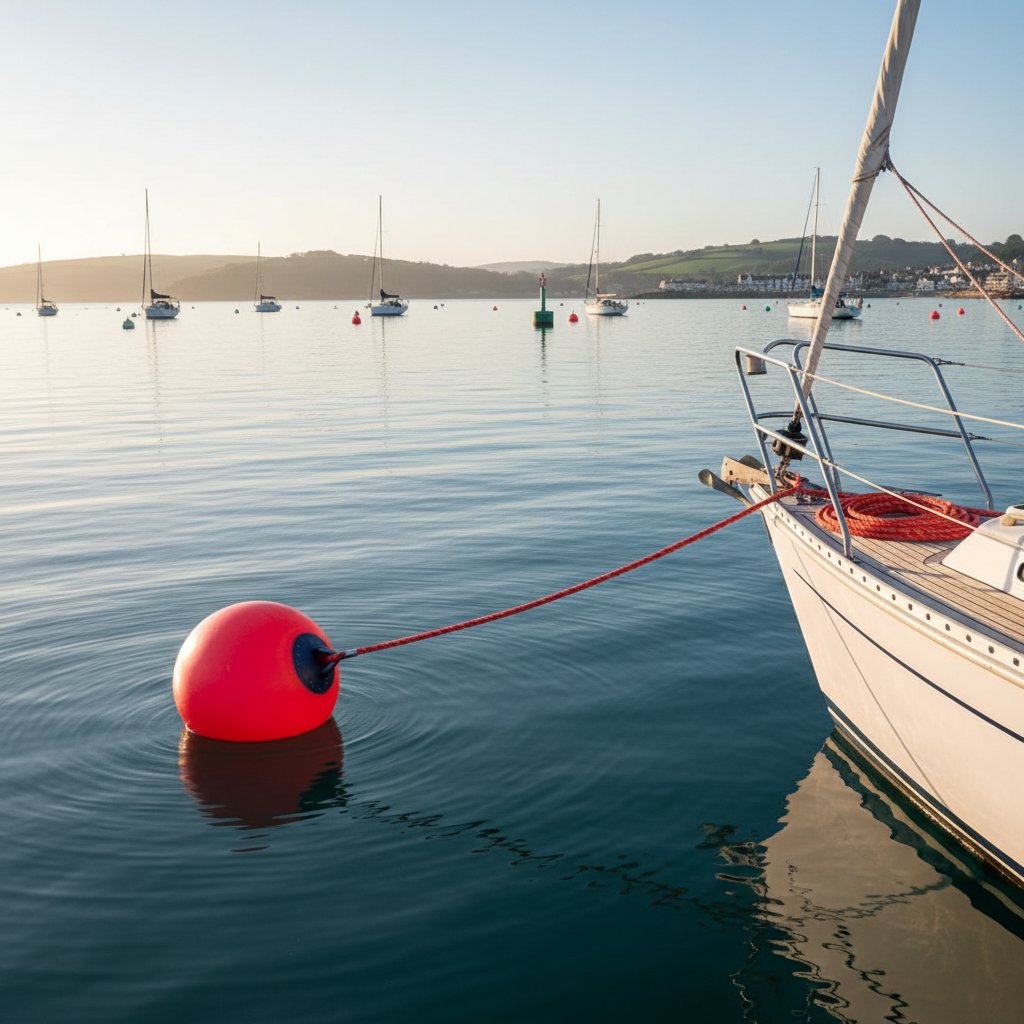
For navigation markers, *floating options like 8-strand polypropylene mooring ropes* keep things visible and snag-free, especially when signaling hazards or dive spots. Add reflective strips or glow elements to catch eyes at dusk—this is essential for avoiding close calls in crowded channels. A 1/4-inch floating line, 15 to 25 feet long, typically suits small markers, buoying up to stay on the surface even if it tangles briefly. Safety here isn't optional; enhanced visibility significantly reduces collision odds by making your setup stand out against choppy seas.
Attachment methods truly seal the deal, turning a good line into a reliable one. Splices create seamless loops that often outlast knots, while thimbles—those metal inserts—protect rope ends from chafe on rough buoys. For knots, a bowline or clove hitch holds strong, but when tying up, nylon remains the top pick for its forgiving stretch and gripping characteristics, preventing slips under varying loads. Ever fumbled a loose end in the rain? A pre-spliced eye with a shackle simplifies the process, distributing stress evenly across the attachment point.
Speaking of essentials, many wonder about the core ropes every boat carries. Typically, these boil down to three main types: mooring lines for docking or buoy ties, anchor rodes to hold position offshore, and tow lines for pulling skis or assisting vessels. Each type readily adapts for use with buoys and fenders—mooring lines with elasticity are ideal for docks, anchor rodes often incorporate chain for better seabed bite, and tow lines benefit from bright, floating traits for quick recovery. Tailoring them might involve swapping in reflective elements for night runs or selecting beefier diameters for heavier loads, ensuring your gear covers all bases without excessive bulk.
- Mooring lines secure to buoys or piers, prioritising shock absorption for daily use.
- Anchor rodes embed in the seabed, blending rope with chain for deep holds.
- Tow lines handle pulls and rescues, favouring lightweight, visible designs for swift deployment.
Putting these applications into practice often calls for tweaks beyond off-the-shelf options, such as adding custom floats or specialised coatings to fend off wear in your specific waters. This leads us to the essence of the invisible fix: tailored solutions.
The Invisible Fix: Customizing and Maintaining High-Quality Buoy Rope Solutions
With those practical applications in mind, like tweaking lines for specific waters, the real game-changer comes from going beyond ready-made gear. It's about crafting solutions that fit your exact needs and then keeping them in top shape over time—that's the *invisible fix* that turns potential headaches into seamless sailing. At iRopes, we specialise in making this happen through hands-on customisation and straightforward care routines, ensuring your lines hold strong season after season.
Our OEM and ODM services let you build a buoy line that's truly yours, starting with the right blend of materials we've already explored—perhaps nylon for bounce in rough bays or polyester for steady harbour ties. You can pick diameters from 3/8 inch for kayaks up to 1 inch for bigger yachts, lengths tailored to your mooring depth, and colours that either match your boat's aesthetic or boost visibility with bright hues. Add accessories like integrated floats for surface markers or thimbles to shield ends from chafe, all woven in during manufacturing. I remember helping a fleet operator who needed reflective polypropylene for night rescues; we customised the pattern to glow just right, cutting their replacement costs in half. This isn't off-the-shelf; it's precision work that aligns with your operations, whether for personal use or wholesale stocking.
Material Choices
Select from synthetics like nylon or polyester to match load and environment needs.
Colours and Patterns
Custom shades for branding or safety, including reflective strips for low-light use.
Accessories Integration
Add floats, loops, or terminations built-in for effortless setup and durability.
Sizing Specs
Diameter and length dialled to your vessel size, ensuring balanced tension every time.
What backs this up is our ISO 9001-certified manufacturing process, which guarantees every rope meets global standards for strength and safety—think rigorous testing for breaking points and environmental resistance. For wholesalers, this means compliant products ready for your market, plus full IP protection so your unique designs remain exclusive. No more worries about knock-offs diluting your brand; we handle everything from prototype to pallet shipment worldwide.
To keep that custom line performing optimally, regular maintenance is key. Start by inspecting for frays or stiff spots monthly, especially after storms—run your fingers along the length to feel for weaknesses. Clean with fresh water and mild soap to rinse off salt, *avoiding harsh chemicals* that could weaken fibres. For storage, coil loosely in a cool, dry spot away from sunlight; UV is a silent killer, even for tough materials. These simple habits can literally double a line's life, turning a two-year replacement schedule into five without compromising safety.
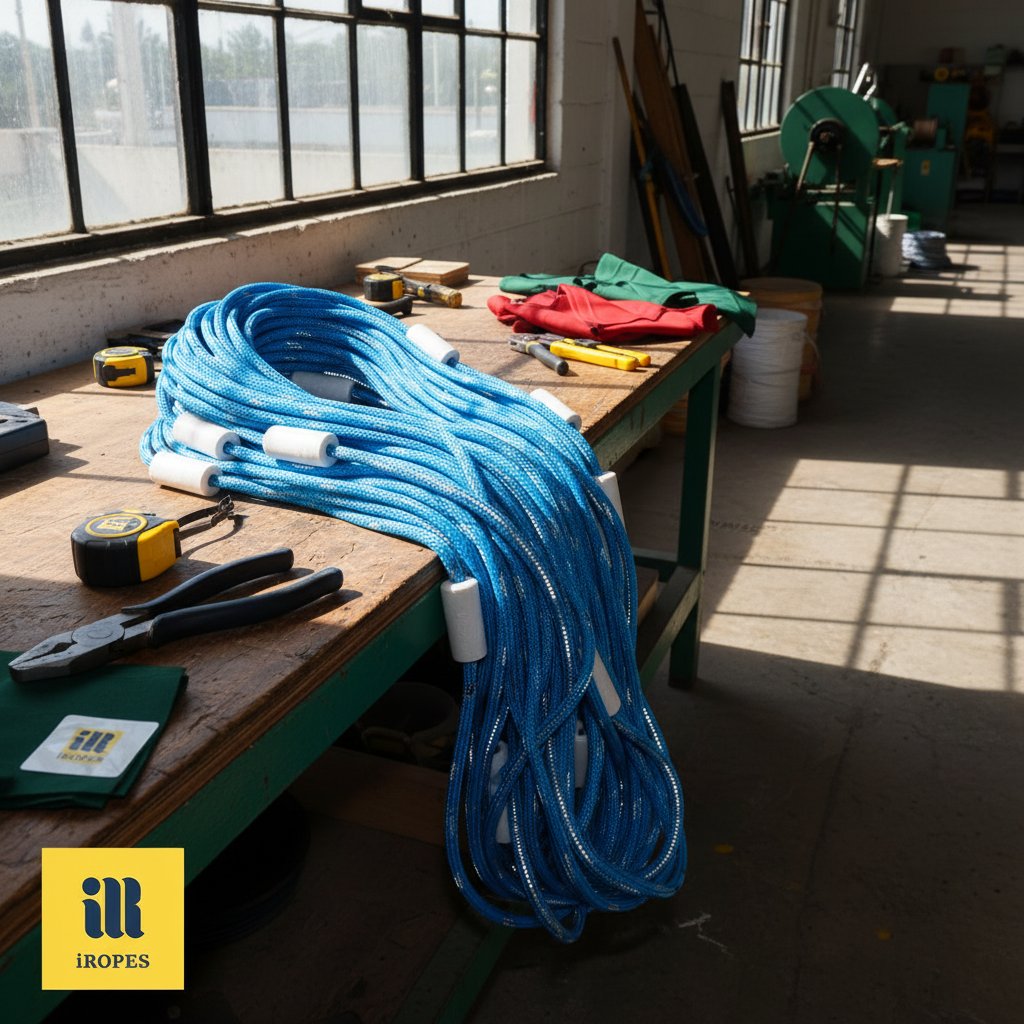
Implementing this fix step by step makes it straightforward. First, assess your specific needs—consider boat size, water type, and usage (e.g., permanent mooring or temporary marking). Next, consult with iRopes' experts to specify materials, diameters, lengths, and any add-ons. Then, once your custom piece arrives, test it under load before full deployment. Finally, log maintenance checks to catch issues early. Have you tried a personalised line yet? It often uncovers efficiencies you didn't know were missing, setting up smoother, safer operations ahead.
- Evaluate setup: Match specifications to your vessel and conditions.
- Design with pros: Incorporate custom features for a perfect fit.
- Install carefully: Use proper knots and hardware for secure holds.
- Monitor ongoing: Routine checks ensure long-term reliability.
Addressing buoy rope failures starts with recognising pitfalls like UV degradation, mismatched sizing, and weak attachments. It then moves to selecting resilient materials such as elastic nylon for shock absorption, UV-resistant polyester for stability, or buoyant polypropylene for floating lines. Optimising your buoy line for mooring fields—where 3/8 to 5/8-inch diameters and lengths of 20-50 feet suit various vessels—or navigation markers with reflective enhancements ensures safe, visible performance. iRopes' custom OEM solutions, including tailored visibility features and secure fittings like thimbles and splices, provide *the invisible fix* for reliable buoy rope for boat in marine applications.
These insights empower you to enhance mooring and navigation safety, but personalised guidance can refine your setup even further. For custom buoy attachment or pickup lines that match your exact needs, reach out to our specialists today.
Customise Your Buoy Rope with iRopes Experts
Keen to explore tailored buoy line options, including floating rope specifications and attachment methods for your marine operations? The inquiry form above connects you directly with iRopes' team for expert, personalised assistance.