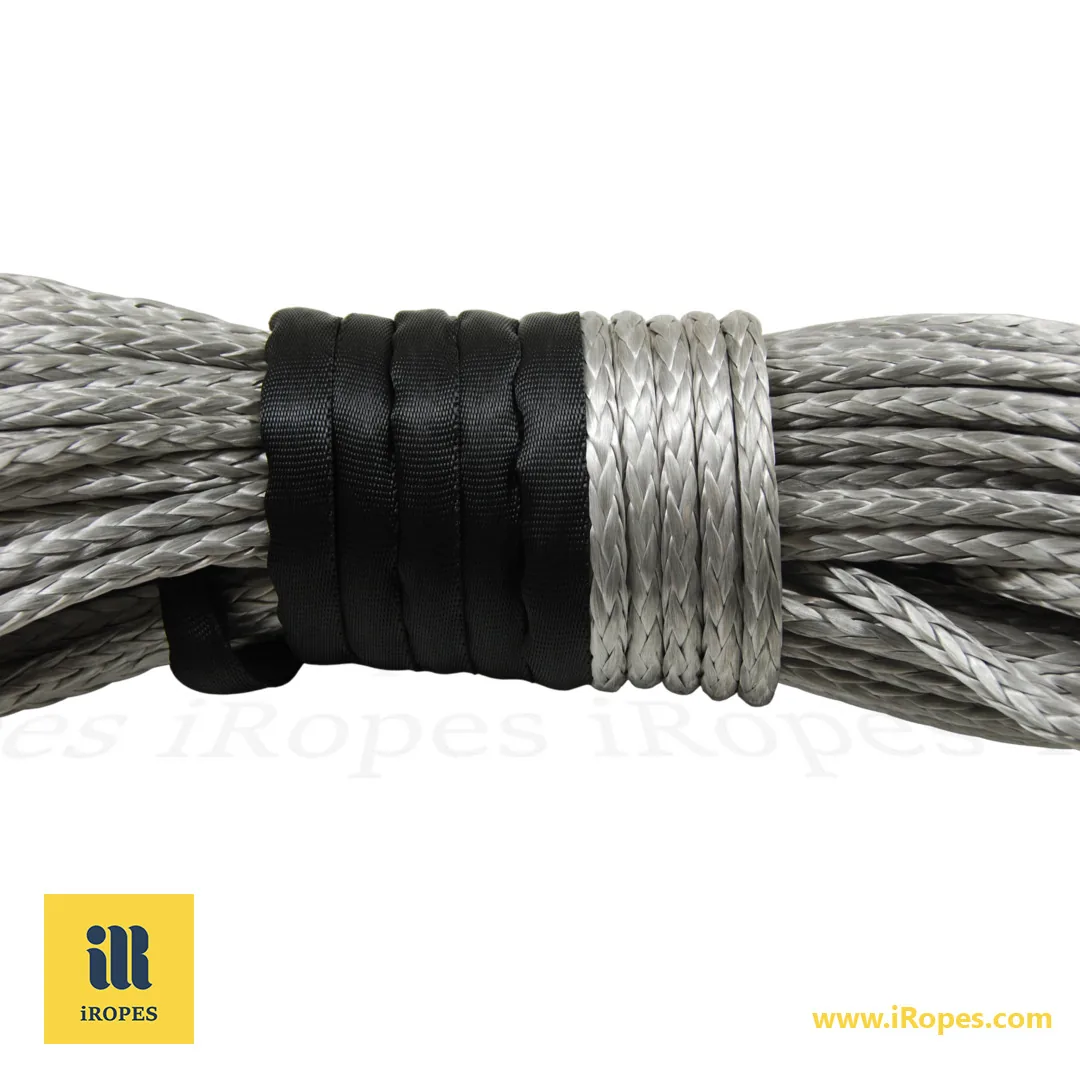
You can order a single roll of nylon rope in exact lengths—100 m, 200 m, 500 m, or to your specifications and have hooks, loops, or eye‑splices fitted to suit your application, with bulk‑order pricing starting from 100 ft.
What you’ll gain – ≈2 min read
- ✓ Cut to your exact length, reducing material waste versus standard spools.
- ✓ Add hooks, loops, or eye‑splices before delivery to streamline installation.
- ✓ Choose colour or reflective strip to meet safety needs and branding in one step.
- ✓ ISO 9001‑backed quality and IP protection help reduce defect risk.
Many businesses still order pre‑cut sections of rope, believing it reduces hassle, yet hidden handling and waste often push costs higher. When buying a roll of nylon rope, nylon rope roll, or shock cord roll, what if you could specify the exact metreage, colour, and terminations in one order and watch those extras disappear? Keep reading to uncover iRopes’ streamlined process that turns a simple roll into a cost‑saving, brand‑ready solution for any project.
Understanding the roll of nylon rope: construction and core features
When you need a reliable length of fibre that can handle tension, a roll of nylon rope is often the first choice. Its construction typically uses high‑tenacity nylon yarns in twisted or braided forms. In kernmantle styles, a nylon core sits inside a protective woven sheath, combining strength, flexibility, and durability.
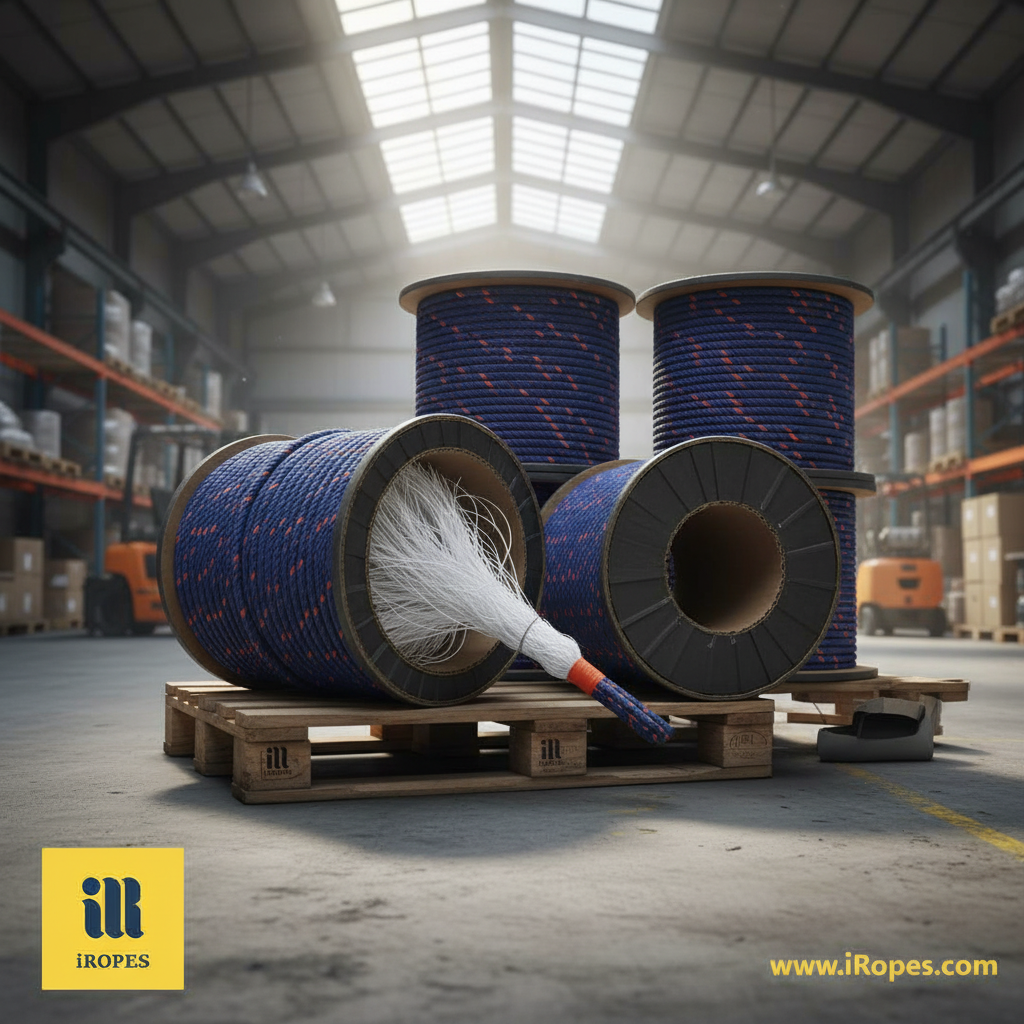
Core
Nylon core strands deliver high tensile strength with controlled stretch suited to static loads. (Elastic cores apply to shock cord rolls, not standard nylon rope.)
Sheath
Woven nylon sheath shields the core from abrasion, UV light, and moisture for dependable performance.
PA‑6
Offers a solid strength‑to‑weight ratio for general‑purpose nylon rope rolls.
PA‑66
Delivers higher heat resistance and durability, ideal for demanding environments.
Unlike a shock cord roll, a roll of nylon rope focuses on tensile strength rather than high elasticity, making it the go‑to solution for static loads.
- Marine & yachting – docking lines and sail‑boat rigging.
- Off‑road & camping – securing gear, tent guylines, and utility straps.
- Industrial & defence – load‑bearing loops, safety barriers, and equipment restraints.
With a clear picture of the rope’s internal makeup, you’re ready to compare size options and technical specifications in the next section, ensuring the roll you select matches the exact demands of your project.
Choosing the right nylon rope roll: sizes, strengths, and specifications
Now that you understand how a roll of nylon rope is built, the next step is matching its dimensions and performance to the job at hand. Picking the right diameter and length can mean the difference between a smooth setup and a frustrating re‑work later on.

Below is a quick reference of the most common sizes that iRopes can ship off the shelf. If none of these fit, the same factory can cut a custom roll of 100 m, 200 m, or 500 m – or any length you specify.
- 1/8 in (3 mm) – lightweight tie‑downs, camping guylines, and light‑duty marine applications.
- 1/4 in (6 mm) – versatile workhorse for most cargo‑secure tasks, offering around 200 lb tensile strength.
- 3/8 in (10 mm) – heavy‑duty load‑bearing loops, industrial rigging, and defence‑grade restraints.
Strength and stretch are the next pieces of the puzzle. Nylon rope offers low stretch under working load, which helps keep knots tight and prevents unwanted sag. For a 1/4 in roll, you can expect a minimum tensile rating of roughly 200 lb (≈ 90 kg). If your project involves frequent shock‑loading – for example, securing a tarp that will be repeatedly pulled – you might opt for a larger diameter or a shock cord roll, which can stretch up to 150% and then rebound.
Strength vs Stretch
A 5/16 in (8 mm) shock cord roll typically provides a minimum tensile strength of about 135 lb (≈ 60 kg) with significant elasticity. A comparable nylon rope roll of similar diameter prioritises static strength and keeps stretch to a minimum, making it better for rigid support. Learn more about the benefits of nylon braid and double‑braid nylon rope.
Price per foot is another practical factor. Bulk orders of 100 ft or more usually start at about $0.25 / ft, while rolls exceeding 2 000 ft can drop to around $0.05 / ft. iRopes applies tiered discounts with larger breaks at 500 ft and 2 000 ft+. Expect 30–40 % lower cost per foot on lengths beyond 500 ft versus pre‑cut pieces, thanks to reduced handling and pallet‑direct shipping.
“Our 200 m custom shock‑cord roll with a reflective stripe reduced inventory costs by 30%, and the order arrived in 18 days.” – Marine‑gear supplier, USA.
To decide which diameter, length, and price point suit you best, ask yourself three quick questions: what is the maximum load you’ll ever apply? How much stretch can the application tolerate? And how much rope will you actually use before the next reorder? Answering these will guide you straight to the appropriate nylon rope roll, whether you need a standard 10 m spool or a bespoke 500 m coil ready for pallet‑direct delivery.
Shock cord roll vs. bungee cord vs. paracord: key differences and use‑cases
When you reach for a flexible tie‑down, the first question is whether you need pure elasticity, static strength, or a mix of both. A shock cord roll is built around a rubber or elastomer core that can elongate up to 150 % before snapping back, making it ideal for applications that demand a bounce‑back effect. In contrast, a bungee cord is essentially the same construction marketed to consumer and retail buyers, while paracord relies on a tightly woven nylon sheath with minimal stretch, offering higher tensile strength with little give.

The three products line up neatly in a quick‑compare table, letting you see at a glance which material matches your project requirements.
| Product | Core material | Typical stretch | Tensile strength (lb) |
|---|---|---|---|
| Shock cord roll | Rubber or elastomer | 120‑150 % | ≈ 135 lb (≈ 60 kg) for 5/16″ diameter |
| Bungee cord | Rubber or elastomer core with woven sheath | 120‑150 % (similar to shock cord) | ≈ 135 lb (≈ 60 kg) for 5/16″ diameter |
| Paracord | Nylon sheath with inner nylon strands (no elastic core) | ≤ 5 % | ≈ 550 lb (≈ 250 kg) for 550‑rating cords |
So, when does each type shine? Use a shock cord roll for tarps that need to be repeatedly pulled tight and released – the stretch absorbs shock and the cord snaps back without loosening knots. Bungee cord works well for outdoor recreation gear such as securing a kayak to a roof rack; the elastic cushioning protects the load. Paracord excels in survival kits or load‑bearing straps where you want a strong, nearly inelastic line that won’t stretch under weight.
Quick Facts
Core material, stretch range, and tensile strength vary dramatically – match the metric that matters most to your application.
FAQ: How does a shock cord differ from a bungee cord? In practice, there is virtually no technical difference; “bungee cord” is the retail term, while “shock cord” is the industry label used on bulk rolls. The distinction lies mainly in packaging and marketing, not in core construction.
Remember: selecting the correct cord is about matching stretch to load, not just strength. A higher tensile rating won’t protect you if the cord stretches too far under dynamic forces.
Having clarified the product families, the next step is to see how iRopes can turn any of these specifications into a custom roll that fits your exact length, colour, and branding needs.
Customizing your rope roll: cut lengths, accessories, branding, and ordering process
After you know which product family best suits the job, the real advantage comes from shaping that roll to your exact workflow. Whether you need a tidy 100 m spool for a seasonal project or a massive 500 m coil for a production line, iRopes can cut and fasten accessories according to your requirements—or supply a whole roll of 100 m, 200 m, 500 m, or any length you specify.

Choosing the right accessories turns a plain roll of nylon rope into a ready‑to‑install solution. Typical add‑ons include:
- Hooks – forged steel or aluminium hardware for rapid attachment at the rope ends.
- Loops – pre‑formed eye‑splices that maintain tensile capacity and provide a clean termination.
- Eye‑splices – hand‑worked terminations that blend with the sheath, ideal for load‑bearing points.
Colour, pattern, and reflective treatments are also on the menu. A vivid hue can signal a specific load class, while a retro‑reflective stripe adds night‑time visibility for safety‑critical installations. When you need a corporate look, iRopes offers non‑branded bags, colour‑matched cartons, or fully custom printed packaging that carries your logo from pallet to end‑user.
Branding & Packaging
Select from matte, glossy, or textured finishes for your roll’s outer jacket, embed reflective strips for low‑light environments, and choose packaging that showcases your brand identity – whether that’s a sleek colour‑box, a sturdy bulk bag, or a custom‑printed pallet label.
Beyond aesthetics, iRopes safeguards your intellectual property throughout the OEM/ODM journey and backs every batch with ISO 9001 certification, ensuring consistent material testing and traceability. Lead times for standard lengths start at two weeks, while bespoke orders (including colour‑coding and special terminations) typically ship within three to four weeks. All rolls are pallet‑direct shipped, with global freight partners ready to move the cargo to any port, airport, or warehouse worldwide.
Armed with these customisation options, you can now translate the technical specs from the previous sections into a rope roll that arrives ready to work on your site, setting the stage for the final checklist of selection criteria.
After exploring the core construction, size options, and the distinct behaviour of a shock cord roll versus traditional ropes, you now have a clear framework for selecting the perfect roll of nylon rope for static loads or a nylon rope roll when elasticity isn’t required. Remember, iRopes can cut and fasten accessories to meet your exact needs, offering whole rolls of 100 m, 200 m, 500 m, or any custom length you specify.
Request a personalised rope‑roll quote
If you’d like expert guidance to match the right specifications, accessories, and branding to your project, simply use the inquiry form above and our team will tailor a solution just for you.