Synthetic winch ropes can lose up to 20 % tensile strength after just one year of sun exposure—a UV‑blocking sleeve keeps **≈80 %** of that strength intact.
≈3‑minute read: What you’ll gain
- ✓ Preserve up to 80 % of tensile strength for 12 months.
- ✓ Cut routine maintenance time by roughly 35 %.
- ✓ Reduce rope replacement costs by as much as 45 % per year.
- ✓ Custom‑fit sleeves add branding without adding weight.
You’ve probably accepted rope‑fade as inevitable, watching the line weaken after every off‑road haul. What if the very sleeve you slip on could trap UV rays, shield against grit, and even showcase your brand—all while shaving weeks off your service schedule? In the sections below, we’ll uncover the material science behind those protectors, walk you through a three‑step install, and reveal how iRopes’ custom designs turn a simple guard into a performance‑boosting asset.
Understanding Rope Degradation and the Need for a Rope Protector
When the sun beats down on a winch line for hours on end, the damage extends far beyond a faded colour. Ultraviolet (UV) photons break the molecular bonds in synthetic fibres such as Dyneema or HMPE, transforming strong, flexible strands into brittle, weakened threads. In real‑world tests, an exposed synthetic winch rope can lose around 20 % of its tensile strength in just one year. This means a rope capable of holding 12 tonnes may suddenly fail under half that load.
Beyond this invisible chemical process, the physical world also poses significant threats. Abrasion from sharp rocks, gritty sand, and the constant rubbing of a shackle mount chews away the outer layers of the rope. Each tiny cut or scrape reduces the cross‑section that carries the load, accelerating fatigue and compromising the rope's integrity.
- Rock contact – jagged edges act like sandpaper on the sheath.
- Dirt & sand – embedded particles grind the fibres during winching cycles.
- Shackle mounts – repeated pressure points thin the rope where the hardware meets the line.
While UV and abrasion are primary threats, chemicals and extreme temperatures also chip away at performance. Oils, solvents, or salty spray can degrade the polymer matrix. Furthermore, prolonged exposure to sub‑zero conditions reduces fibre elasticity, increasing the chance of a sudden snap during a recovery attempt.
Because these factors combine to turn a reliable winch line into a safety hazard, a dedicated synthetic winch rope UV protector becomes essential. A well‑designed winch rope protector creates a physical shield that blocks harmful rays, smooths out abrasive contact points, and keeps contaminants from settling into the fibres.
“Neglecting protection is like leaving a priceless antique in the rain – the damage is inevitable, and the cost of replacement quickly outweighs the price of a simple guard.”
In short, without a rope protector, the cumulative effect of UV, abrasion, chemicals, and temperature swings can shave years off a rope’s service life and jeopardise every winching operation. Choosing the right protection now saves you from costly downtime later.
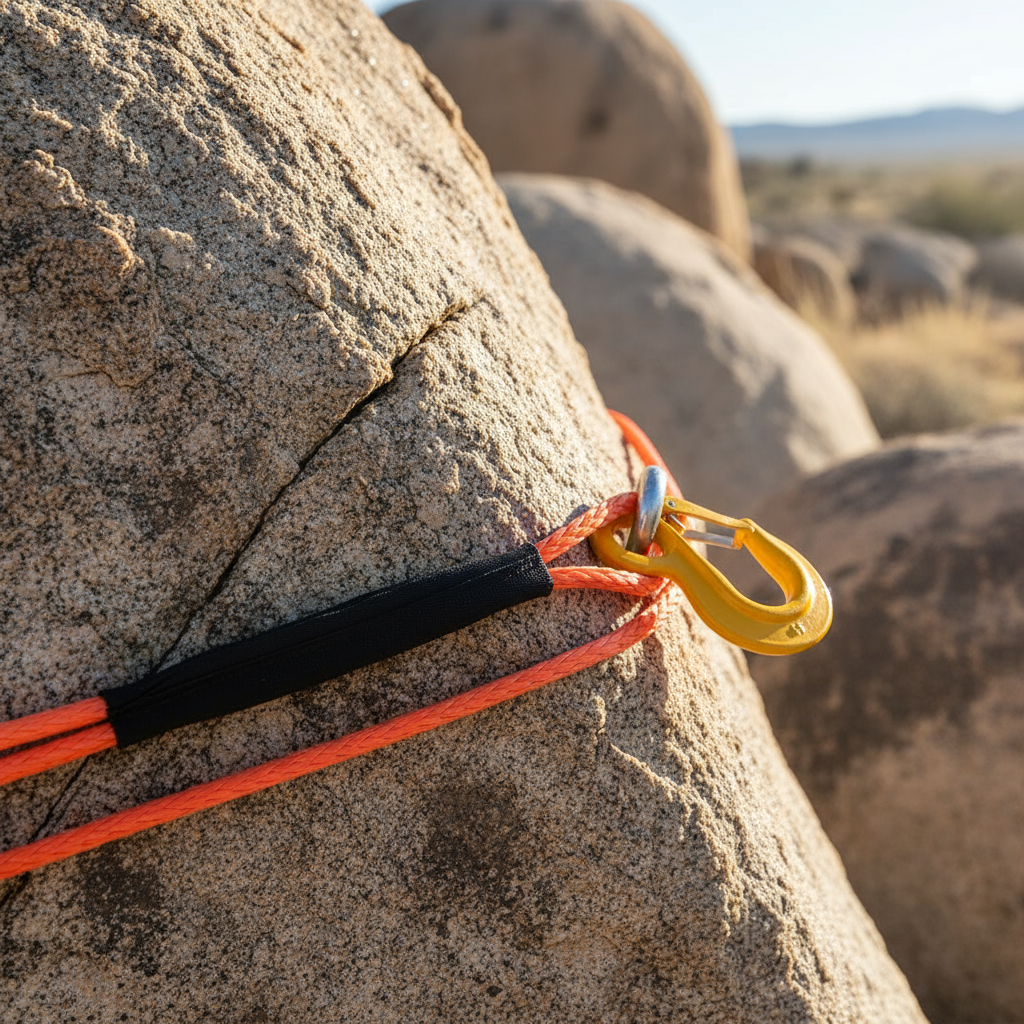
Understanding these degradation pathways sets the stage for exploring how a winch rope protector actually works. We'll delve into its protective mechanisms next.
How a Winch Rope Protector Shields Against UV and Abrasion
When you slide a sleeve over a synthetic line, the protector’s layers effectively become a miniature fortress. The outer skin may be woven Cordura, ballistic nylon, or a dense polyurethane coating. Each fabric is tightly knit to resist tears while remaining flexible with the rope’s movement. Beneath that, a thin UV‑blocking film absorbs harmful rays, while a reinforced inner liner hugs the fibre core, preventing dirt and grit from lodging between the sheath and the strands.
This construction creates a two‑fold defence. Firstly, the dense weave reflects and absorbs ultraviolet energy, ensuring the polymer molecules inside the rope remain intact longer. Secondly, the smooth exterior significantly reduces friction at high‑wear zones such as shackle mounts and the hawse fairlead. This allows the rope to slide over rocks and metal without the “sandpaper” effect that would otherwise wear away its outer strands.
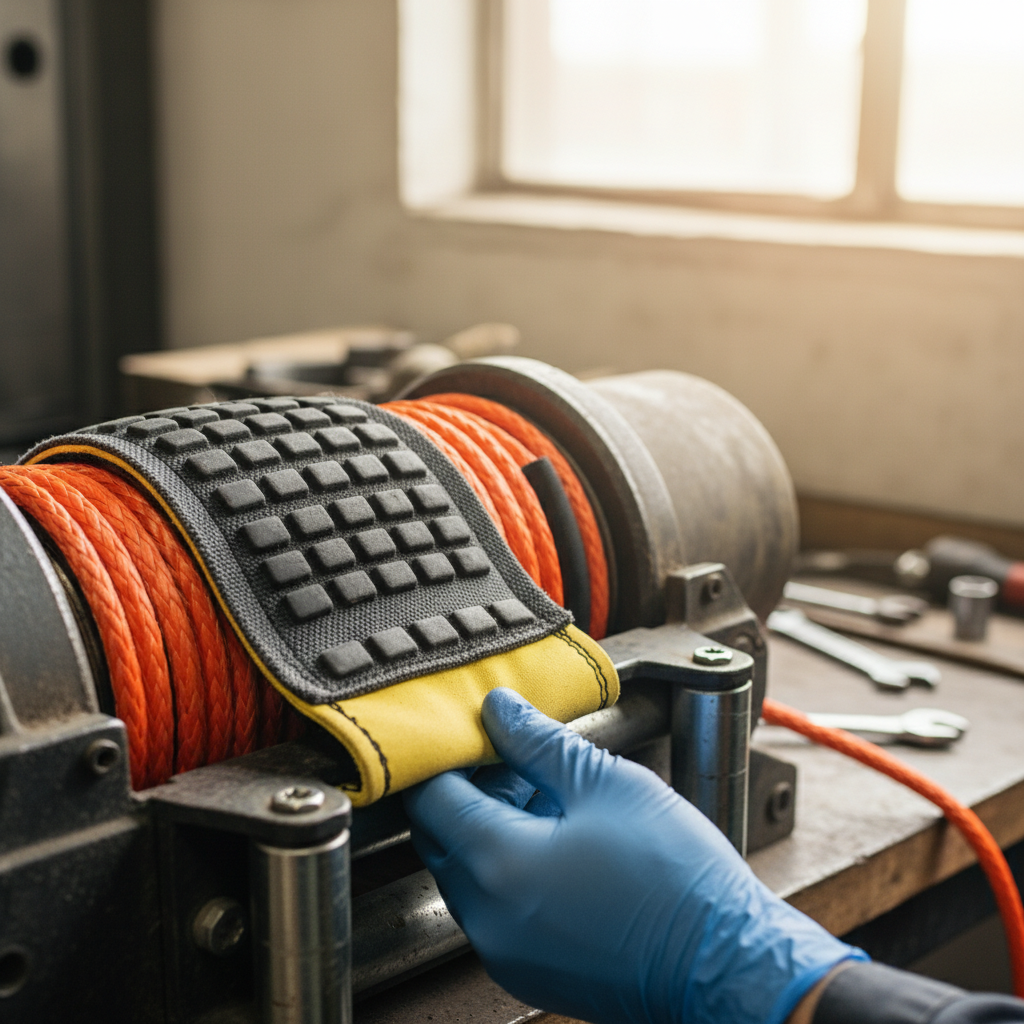
So, how do you protect synthetic winch rope in practice? The answer unfolds in three simple steps that fit neatly into any off‑road routine.
- Measure the rope length and diameter to select a sleeve that offers a snug, slip‑free fit.
- Wrap the sleeve from the rope’s end to the point where it meets the shackle, securing it with the built‑in Velcro or zip ties.
- Inspect the protector after each use, wiping away sand and checking for tears before storing the line out of direct sunlight.
By following these actions, a synthetic winch rope UV protector becomes more than an accessory—it transforms a vulnerable line into a durable, low‑maintenance partner for every recovery.
Key Benefit
A well‑chosen winch rope protector can cut UV‑induced strength loss by up to 80 %, keeping your line performing at peak tension even after months of harsh sun exposure.
Understanding this barrier effect sets the stage for selecting the right material. The next section will guide you through matching Cordura, ballistic nylon, or polyurethane sleeves to the specific demands of your operation.
Choosing the Right Synthetic Winch Rope UV Protector
Having seen how a winch rope protector blocks the sun and shields the line from gritty contact, the next step involves matching the protector’s material to the demands of your operation. The optimal choice isn’t just about colour or price; it directly determines how long your synthetic winch rope remains strong under relentless UV exposure.
Cordura
Offers excellent UV blockage, is relatively lightweight, and stands up well to everyday abrasion from rocks and sand.
Ballistic Nylon
Provides superior tear resistance, handles heavier chafe zones, and retains its protective properties even after repeated cleaning cycles.
Weight
CORDURA: lighter by roughly 10 % – ideal for off‑road rigs where every kilogram counts.
Durability
BALLISTIC NYLON: excels in high‑impact zones such as shackle mounts, extending sleeve life beyond three years of rugged use.
When the question “what rope is best for UV protection?” arises, the answer primarily focuses on the core material. Nylon and polyester fibres inherently resist ultraviolet breakdown more effectively than polypropylene or cotton. Pairing these robust cores with a UV‑blocking sleeve—whether Cordura or ballistic nylon—creates a double layer of defence, keeping the synthetic winch rope UV‑stable even after months of sun‑baked work. iRopes offers extensive rope customisation options, allowing you to select the ideal material for your specific applications, including ropes for off-road, yachting, camping, and industrial use.
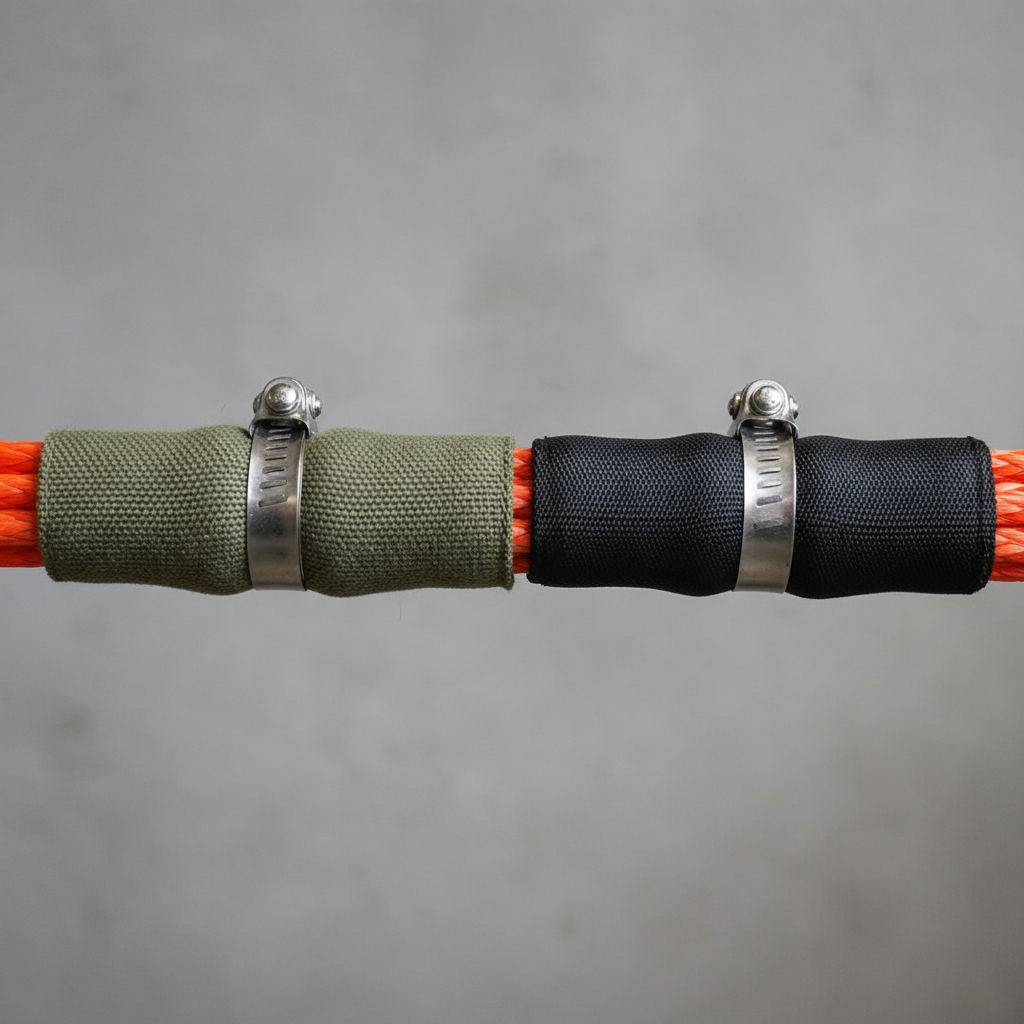
Custom Fit
iRopes can cut sleeves to any length, match exact diameters, and print your logo or colour scheme, turning a practical guard into a branded asset for your fleet.
Customisation isn’t just about aesthetics; it’s about enhanced performance. An OEM‑grade protector that precisely matches the rope’s specifications minimises slippage, reduces wear on fastening points, and aligns seamlessly with your company’s safety standards. The added value of an ODM partnership lies in rapid prototyping, dedicated intellectual property protection, and the ability to scale designs across dozens of winches without compromising quality. This ensures consistent performance and brand alignment across your entire operation.
With the right material selected and a tailor‑made sleeve in hand, the next logical step is to install the protector correctly and maintain it – topics we’ll explore in the following section.
Installation, Maintenance, and iRopes’ Custom Solutions
Now that a customised synthetic winch rope UV protector is ready, its real value comes from correct fitting and diligent day‑to‑day care. A proper installation eliminates slippage, while consistent maintenance preserves both the sleeve and the rope beneath it.

Answering the common query “how do you protect synthetic winch rope?” begins with a straightforward three‑step routine: choose the right protector, install it securely, and maintain it regularly. The checklist below transforms this routine into a repeatable process, ensuring maximum longevity and performance for your ropes.
Installation
Fast and reliable
Measure accurately
Record the rope length and diameter to select a sleeve that hugs the line without excess slack.
Secure fasteners
Fasten the Velcro straps or zip‑ties firmly around the shackle mount to prevent movement under load.
Verify tension
Pull the rope through the winch a few strokes and check that the sleeve remains snug at high tension.
Maintenance
Keep performance high
Inspect for wear
Look for cuts, fraying or UV‑discolouration each time the rope is stored.
Clean gently
Rinse with fresh water and a mild soap, then dry completely before re‑rolling.
Store away from sun
Keep the protected rope in a shaded rack or a sealed bag to prevent direct UV exposure when idle.
Routine care not only prolongs the life of the winch rope protector but also maintains the rope’s original tensile capacity, which is essential for safety‑critical recoveries. This disciplined approach ensures your equipment remains reliable and effective when it matters most.
iRopes backs every custom sleeve with ISO‑9001 quality assurance, full IP protection, and a dedicated OEM/ODM team that can tailor length, diameter, colour and branding for wholesale partners.
When the protector is installed, inspected, cleaned and stored correctly, the synthetic rope retains its strength for years, turning a costly piece of equipment into a reliable workhorse. The next step is to consider how these practices translate into measurable cost savings and operational confidence.
Looking for a custom rope protection solution?
Synthetic winch ropes offer exceptional strength‑to‑weight ratios, but unprotected exposure to UV radiation and abrasive contact with rocks, sand, and shackle mounts can shave up to 20 % off their tensile capacity within a year. A well‑designed rope protector creates a UV‑blocking barrier and smooth surface, preserving the nylon or polyester core and dramatically extending service life. iRopes provides comprehensive OEM and ODM services to create bespoke solutions for various applications, from off-road to industrial use.
Choosing the right winch rope protector—whether Cordura, ballistic nylon, or polyurethane—ensures optimal durability, weight savings, and branding options, while our synthetic winch rope UV protector technology adds an extra layer of sun‑shielding performance. If you’d like personalised guidance on material selection, custom sizing, or OEM/ODM services, simply use the enquiry form above and our specialists will help you craft the perfect solution, custom-designed to meet your specific needs and branding requirements.
