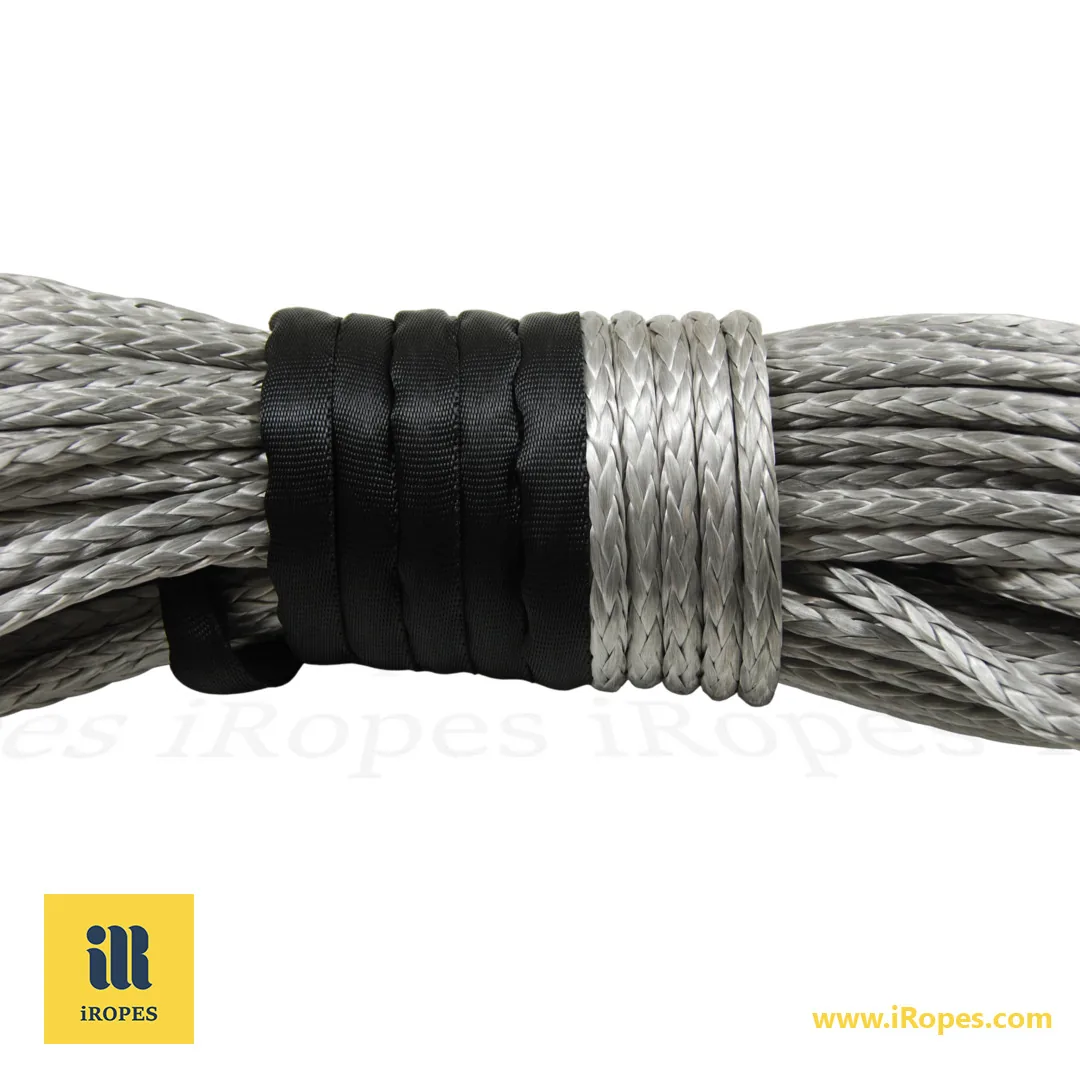
Elastic anchor ropes slash tidal surge damage by 40% by stretching up to 500% to absorb wave shocks, unlike rigid lines that transfer full force to your hull and hardware.
Unlock These Proven Advantages in ~6 Minutes
- ✓ Reduce surge impacts by 40% through nylon-based elasticity that dissipates energy and prevents hull cracks.
- ✓ Shield cleats and anchors from 70% overload with controlled recoil in tidal zones up to 10ft swings.
- ✓ Streamline docking for vessels up to 40ft—cut manoeuvre time by half via adaptive tension.
- ✓ Tailor solutions with iRopes OEM, matching 316 stainless hardware to your exact environmental demands.
Traditional ropes seem sturdy enough for tidal pulls, yet they often amplify a wave's fury, hammering your setup with unseen strain. This constant stress can rack up costly repairs. Conversely, iRopes' elastic anchor lines flip this script entirely. They extend smoothly to cradle surges and recoil precisely, delivering 40% less damage while easing your marine operations. But what specific material innovations enable this superior stretch in exposed anchorages? And how can custom builds from iRopes safeguard your fleet long-term? The answers ahead will reveal the competitive edge you’ve been missing.
The Advantages of Elastic Mooring Lines in Surge Protection
Imagine pulling up to a dock on a breezy day. Waves slap against your boat's hull, yet instead of fighting constant jerks that could snap your lines or dent the fibreglass, everything just… settles. That's the quiet power of elastic mooring lines at work. These are not your standard ropes; they are specifically designed with built-in stretch to handle the unpredictable push and pull of the sea.
Elastic mooring lines are specialised ropes that incorporate elastic elements, such as bungee cores or stretchy nylon fibres. This design allows them to extend and contract under load. Their primary function is to absorb the shock from waves, tides, and boat wakes. In dynamic marine environments, where water levels fluctuate dramatically, these lines prevent the violent snapping that rigid ropes cannot avoid. Consider them a suspension system for your vessel, ultimately smoothing out the ride. This means you can focus on enjoying the water rather than worrying about potential damage.
A standout benefit is their ability to reduce tidal surge damage by an impressive 40%. Traditional ropes, typically made from non-stretch materials like polyester, transfer every wave's full force directly to your cleats, anchors, and hull. Over time, this leads to significant wear, cracks, or even structural failures. Elastic versions, however, can stretch considerably—from a resting length of 10 feet to 30 feet or more—dissipating that energy through controlled recoil. It acts much like a trampoline catching a fall, rather than a rigid concrete slab. Studies conducted by various marine safety groups indicate that this stretch-recoil cycle dramatically reduces peak loads. This significantly cuts hardware strain and hull impacts by a notable percentage. Forget about midnight alarms from lines going slack or becoming too tight in a changing tide!
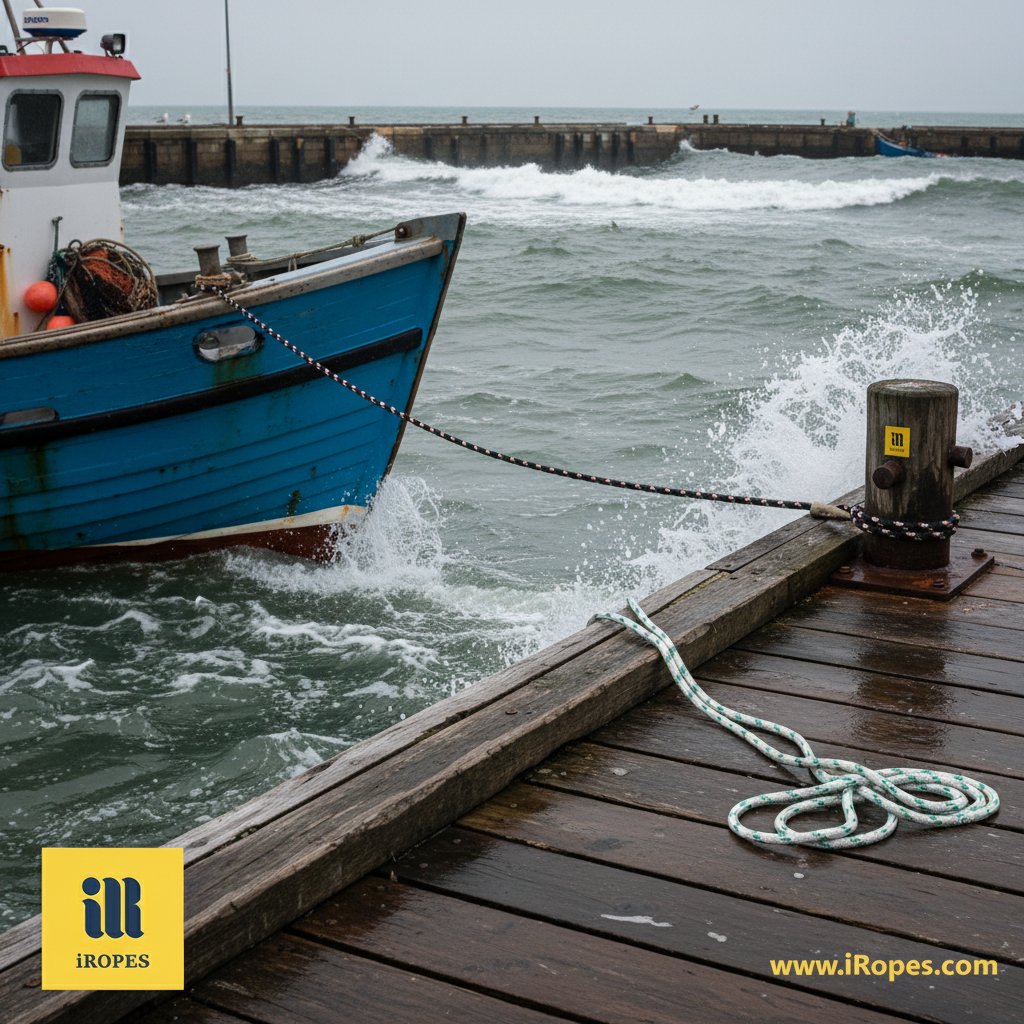
When asked about the best rope for mooring lines, the answer often involves balancing true strength with optimal flexibility. Nylon-based elastic options consistently top this list. Why? Because nylon naturally stretches 15-30% under tension while maintaining incredible durability against harsh salt and extensive sun exposure. When enhanced with elastic cores, these ropes significantly outperform polyester's inherent stiffness or polypropylene's tendency to float. This combination provides reliable elasticity that lasts for multiple seasons without fraying. For most boaters, this means safer, simpler tie-ups without sacrificing crucial holding power.
Beyond reducing surge, these lines offer significant everyday advantages. They effectively safeguard cleats and pilings from overload. I've personally witnessed how rigid setups can literally chew through metal after a stormy night, whereas elastic lines simply flex and recover. Docking also becomes far easier, especially in windy conditions or with tricky currents. The forgiving stretch allows you to approach confidently without the boat yanking away mid-manoeuvre. Whether you're securing a kayak on a rocky shore or a pontoon in a busy marina, this adaptability transforms potential headaches into smooth sailing.
Have you ever wondered why your lines feel like they're fighting the water instead of working with it? Elastic mooring lines elegantly reverse that dynamic, turning potential chaos into complete control.
- Cleat Protection - Distributes force evenly, preventing bends or breaks during surges.
- Ease of Docking - Allows gentle adjustments in rough conditions for stress-free tie-ups.
- Reduced Hull Stress - Minimises rocking impacts that could lead to gelcoat cracks over time.
These advantages are a direct result of the intelligent selection of materials. And it's these materials that make elastic lines so robust and resilient, especially when deployed in tough saltwater environments.
Key Features and Materials of Elastic Anchor Rope
Those resilient materials discussed earlier form the backbone of what makes elastic anchor rope so effective in the relentless saltwater world. At their core, these ropes expertly blend toughness with flexibility, ensuring your vessel stays secure without the constant struggle against the elements.
High-strength nylon predominantly forms the inner construction of elastic anchor rope. It's highly prized for its exceptional ability to handle massive loads while naturally elongating under pressure. This core isn't just remarkably strong; it's specifically engineered to absorb impacts without permanent deformation. Encasing this core is a robust outer sheathing, frequently crafted from UV-stabilised polyester or similar blends. This protective layer shields the nylon from the sun's harsh rays and the abrasive scrape of dock edges or rocky shores. Exceptional abrasion resistance is paramount here. Without it, a single rough encounter could compromise the entire line. Picture deftly threading your boat through a narrow channel lined with barnacle-crusted pilings—these layered constructions ensure everything remains intact, season after season.
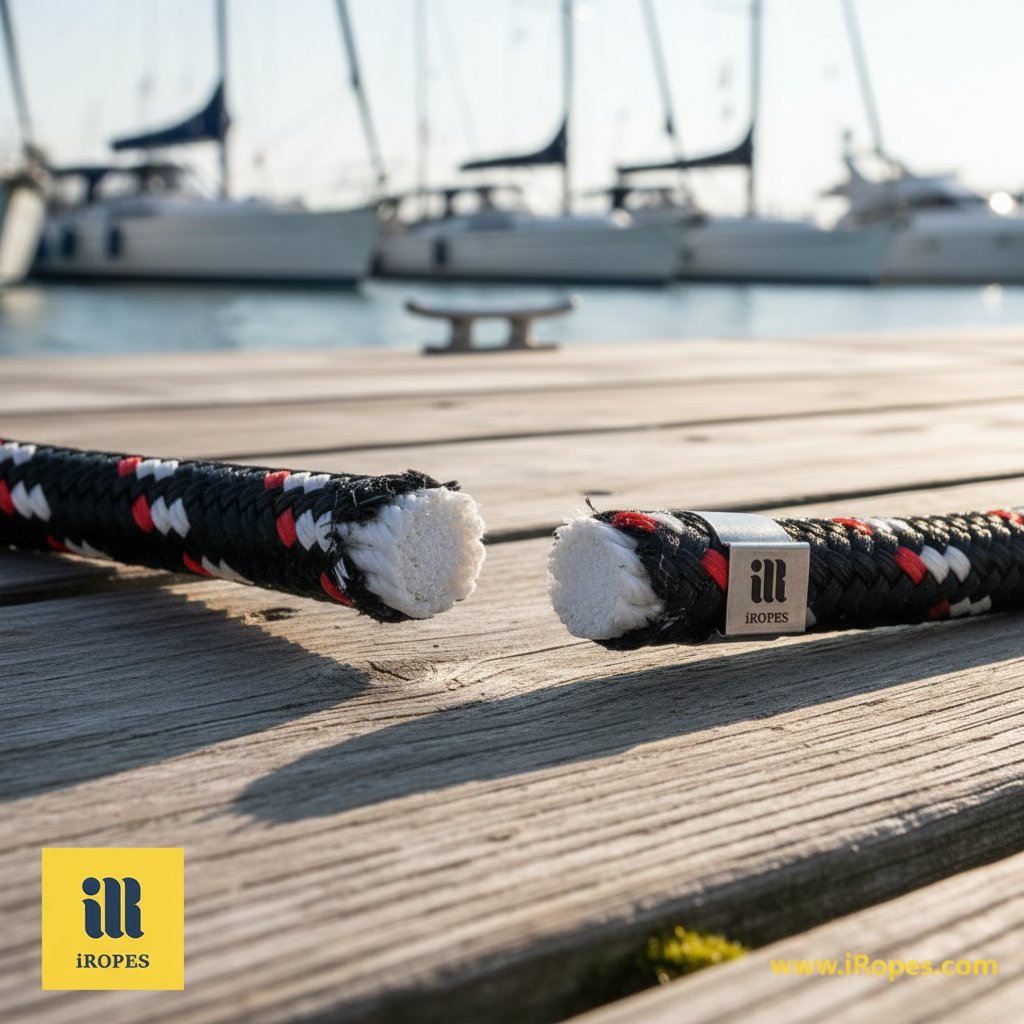
When comparing different elastic materials, nylon stands out for its balanced performance, though options like integrated bungee cords or rubber strands can further enhance its flexibility. Optimal stretch in high-end designs typically hovers around 300-500% of the original length. This allows the rope to extend dramatically during a surge before snapping back. Crucially, this recoil is not violent; it’s carefully managed through precise braiding techniques that dissipate energy safely. This prevents any whiplash that could potentially harm your gear or crew. Have you ever observed a rigid line ping taut like a guitar string in a strong wind? Elastic versions transform that harsh tension into a gentle, controlled return, safeguarding everything connected.
Naturally, no discussion of features would be complete without addressing the critical hardware components. Corrosion-resistant 316 stainless steel fittings, such as quick-release clips and thimbles, pair perfectly with the advanced rope. These components demonstrably resist rust in saltwater, functioning like champions and ensuring your connections remain solid even after months of constant exposure. A thimble, for instance, provides vital protection for the eye splice, preventing chafing, while clips make swapping lines incredibly efficient and convenient.
Core Materials
Built for Stretch and Strength
Nylon Core
Delivers high tensile strength with natural elongation for shock handling.
UV Sheathing
Guards against sunlight degradation, extending rope life in sunny anchorages.
Elastic Strands
Enable controlled 300-500% stretch for energy absorption without failure.
Hardware Essentials
Reliable Connections
316 SS Clips
Quick-attach options resist corrosion for secure, easy mooring.
Thimbles
Reinforce loops, preventing wear at anchor points in rough waters.
Braided Construction
Combines flexibility with durability for varied marine demands.
For those requiring more than off-the-shelf products, iRopes offers comprehensive OEM and ODM services allowing you to customise every detail. You can choose diameters ranging from a slim 1/2-inch for kayaks up to a hefty 1-inch for larger boats, or select lengths precisely tailored to your specific dock setup. You can even opt for constructions like double-braided for enhanced recoil control. Their expert rope specialists will guide you through the entire process, ensuring the final product is perfectly suited for your exact environment. This level of personalisation means your elastic anchor line won't just be effective; it will be ideally suited for the specific job at hand.
These sophisticated elements truly come alive when deployed in real-world scenarios, from tranquil coves to pounding surf. In these diverse conditions, the right setup ensures stability and safety.
Applications of Elastic Anchor Line in Tidal Areas and Exposed Anchorages
Those real-world scenarios become even more critical when you're navigating the wild fluctuations of tidal zones or wide-open anchorages constantly battered by wind and waves. In such conditions, an elastic anchor line isn't merely a convenience; it becomes a fundamental piece of equipment for keeping your craft securely in place without the constant drama of adjustments or unexpected drifts.
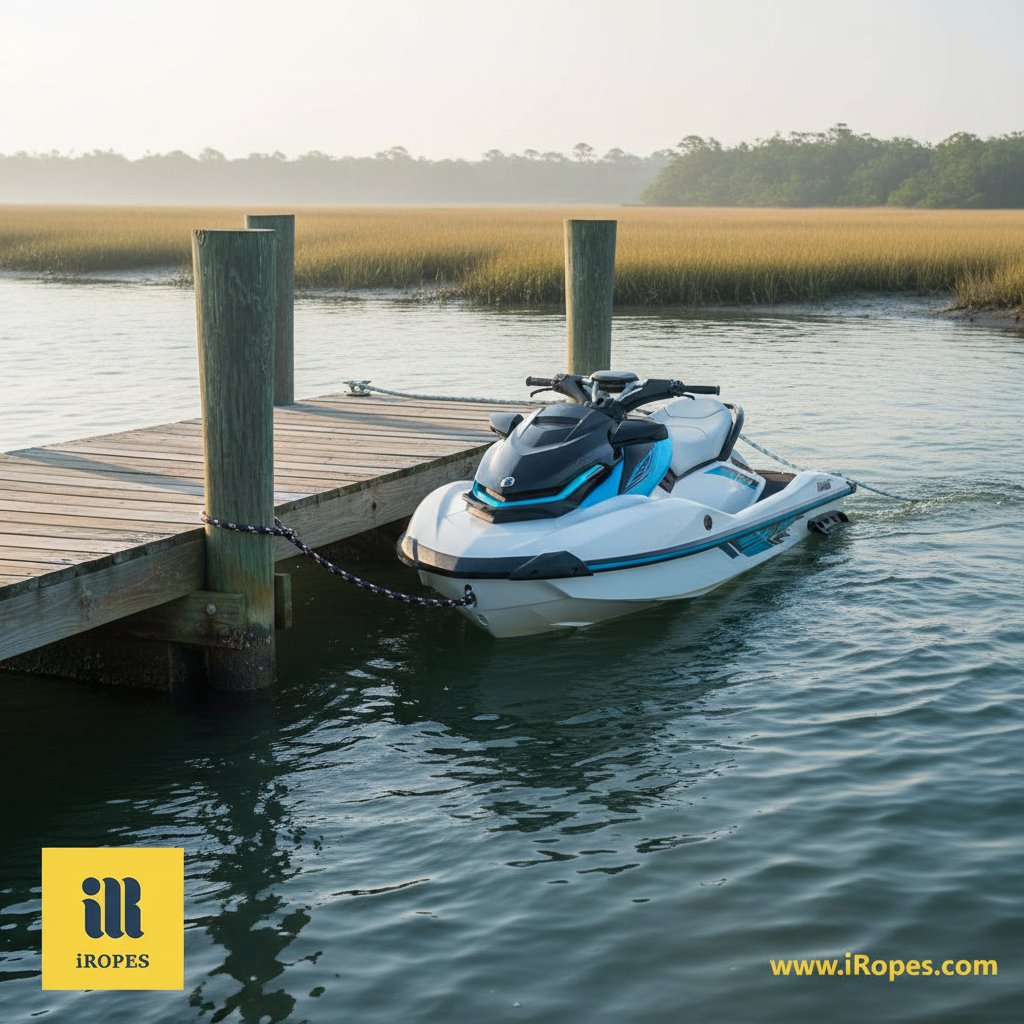
Picture this: you're exploring a coastal inlet in a small kayak, where tides can swing 10 feet in a single day. Traditional lines might go completely slack at low tide, then yank violently at high tide. This creates risks ranging from anchor pull-outs to scrapes along the rocky bottom. Elastic versions, however, adeptly handle this flux by stretching to match the changing depths. This maintains just enough tension to hold steady. For kayaks or personal watercraft (PWCs), this translates to secure shore tie-ups without the constant hassle of retying after every cycle. Jet skis navigating a choppy bay will bob gently instead of slamming against a dock, transforming a potential headache into a quick, stress-free pit stop.
Larger boats benefit even more in exposed locations, such as open roadsteads where swells roll in unchecked. Docking a motorboat here with elastic lines allows for a confident approach. The stretch effectively absorbs the surge, preventing those jarring impacts that can chip gelcoat or stress fittings. Need temporary anchoring during a fishing trip? The line's inherent flexibility prevents the bow from swinging wildly, ensuring you stay on station without drifting into hazards. I've heard numerous skippers swear by them for multi-point moorings in tidal rivers; with one elastic line at each corner, the entire setup adapts seamlessly to the dynamic flow. For more insights on mooring ropes that save ships and boats from disaster, explore how custom designs enhance safety in these scenarios.
When anchoring in these challenging areas, while the type of anchor is certainly important, pairing it with an elastic line significantly elevates the performance of the entire system. Common anchor types include fluke anchors (also known as Danforth), which efficiently dig into sand or mud with lightweight holding power; plow anchors (like CQR or Delta), specifically designed to slice into softer seabeds for deeper sets; and mushroom anchors, ideally suited for permanent moorings in silt where they gradually bury themselves over time for maximum grip. Elastic lines enhance all three by delivering consistent tension. The crucial stretch counters wave action, keeping the anchor firmly seated without the damaging slack that allows it to drag, or the sudden overload that could uproot it. In a tidal surge, that steady pull ensures your fluke remains buried, your plow doesn't skip, and your mushroom holds firm throughout the entire tidal cycle. To avoid common pitfalls, check out why 90% of boaters botch marine anchor rope selection and how elastic options like nylon provide superior shock absorption.
Selecting the appropriate elastic anchor line ultimately comes down to matching it precisely to your setup. Begin by considering your boat's size: for a 20-foot kayak, aim for 20-30 feet of 3/8-inch diameter line with a 2,000-pound tensile strength to handle lighter loads. For a 40-foot boat, scale up to 50 feet of 5/8-inch line boasting 10,000 pounds of tensile strength, ensuring it covers both the swing radius and potential surge. In tidal areas, factor in an additional 20-30% length to accommodate natural rise and fall. Exposed anchorages demand higher strength to counteract significant windage. Accessories like snap hooks or soft eyes make connections virtually foolproof. Always opt for 316 stainless steel for unparalleled saltwater resilience. After installation, conduct a quick test in calm waters to gauge the recoil; it should provide give without whipping back too sharply.
- Assess Boat Weight - Multiply by 1.5 for a safe tensile rating in surges.
- Measure Environment - Add tide range and wave height to base length.
- Pick Accessories - Use thimbles for loops to avoid chafe on cleats.
Getting these details right unlocks access to truly tailored setups that far surpass standard gear, especially when partnering with specialists who meticulously refine every aspect for your particular operations.
iRopes' Custom Elastic Solutions and Maintenance Tips
Specialised, tailored setups from companies like iRopes elevate conventional lines into precision tools perfectly suited for your exact marine demands. Whether you need to outfit an entire fleet of rental boats or require highly specialised gear for challenging rough-water operations, their bespoke approach ensures every detail aligns with your operational goals.
iRopes distinguishes itself by offering comprehensive OEM and ODM services. This means you can collaborate directly with their rope experts to design and craft elastic products from the ground up. Do you need a specific diameter for easier handling on smaller craft, or particular lengths that precisely match your dock's tidal range? iRopes handles every detail, backed by their ISO 9001 certification, which rigorously guarantees consistent quality in every single batch. For wholesale partners, this translates to reliable production within cutting-edge facilities, coupled with stringent IP protection to keep your proprietary designs confidential—eliminating any worries about your valuable ideas leaking out. Furthermore, packaging options range from discreet plain cartons for bulk shipping to custom-branded bags that seamlessly reinforce your company's identity right out of the box. This unparalleled, end-to-end support empowers businesses like yours to scale operations efficiently, without the typical headaches associated with uncoordinated suppliers. Learn more about customizing your perfect rope with iRopes for tailored elastic solutions.
OEM Services
Design and produce lines to your specs, from core materials to end fittings.
IP Protection
Safeguard your innovations throughout manufacturing and delivery.
ISO 9001 Certified
Ensures top standards in quality and precision for every order.
Branded Packaging
Custom options like logo-printed boxes for seamless branding.
Once you've received your custom elastic anchor line, correct installation is paramount to maximise its performance. Begin by threading the eye splice cleanly over your cleat or anchor shackle, ensuring the loop sits flat. This prevents twists that could bind during stretching. For dock ties, a bowline knot at the piling end is ideal; it offers security yet is simple to undo after a day on the water. If incorporating hardware like stainless clips, double-check that they are rated for your line's tensile strength. This ensures they can manage full recoil without slipping. A quick test pull in calm conditions will help confirm everything is snug, preventing unwelcome surprises when waves inevitably hit.
- Secure the Loop - Pass over cleat and tighten to distribute load evenly.
- Check Alignment - Ensure line runs straight to avoid chafe on edges.
- Test Tension - Give a firm tug to verify hold before full use.
To maintain peak performance, regular maintenance is straightforward and essential. Rinse your lines with fresh water after every saltwater outing to wash away corrosive salts—a simple hose-down usually does the trick. Inspect them monthly for any signs of fraying, particularly at connection points. If you detect any stiffness in the elastic core, it's time to retire the line to avoid potential snaps under load. For storage, coil the line loosely and keep it in a dry spot away from direct sunlight, which can degrade the sheathing over time. These simple steps will extend the life of your lines well beyond a single season, saving you significant replacement costs in the long run.
Incidentally, if you've ever pondered why it's called a mooring line, the term originates from "mooring"—the act of securely fastening a vessel to a fixed structure like a dock or buoy for extended stays, as opposed to temporary anchoring to the seabed. Elastic versions enhance this process by introducing crucial flexibility to handle movement, making tie-ups safer and more forgiving in environments where rigid lines might exert excessive pull or go completely slack. It is precisely this distinction that makes them ideally suited for busy marinas or tidal slips, where consistent, reliable hold is paramount.
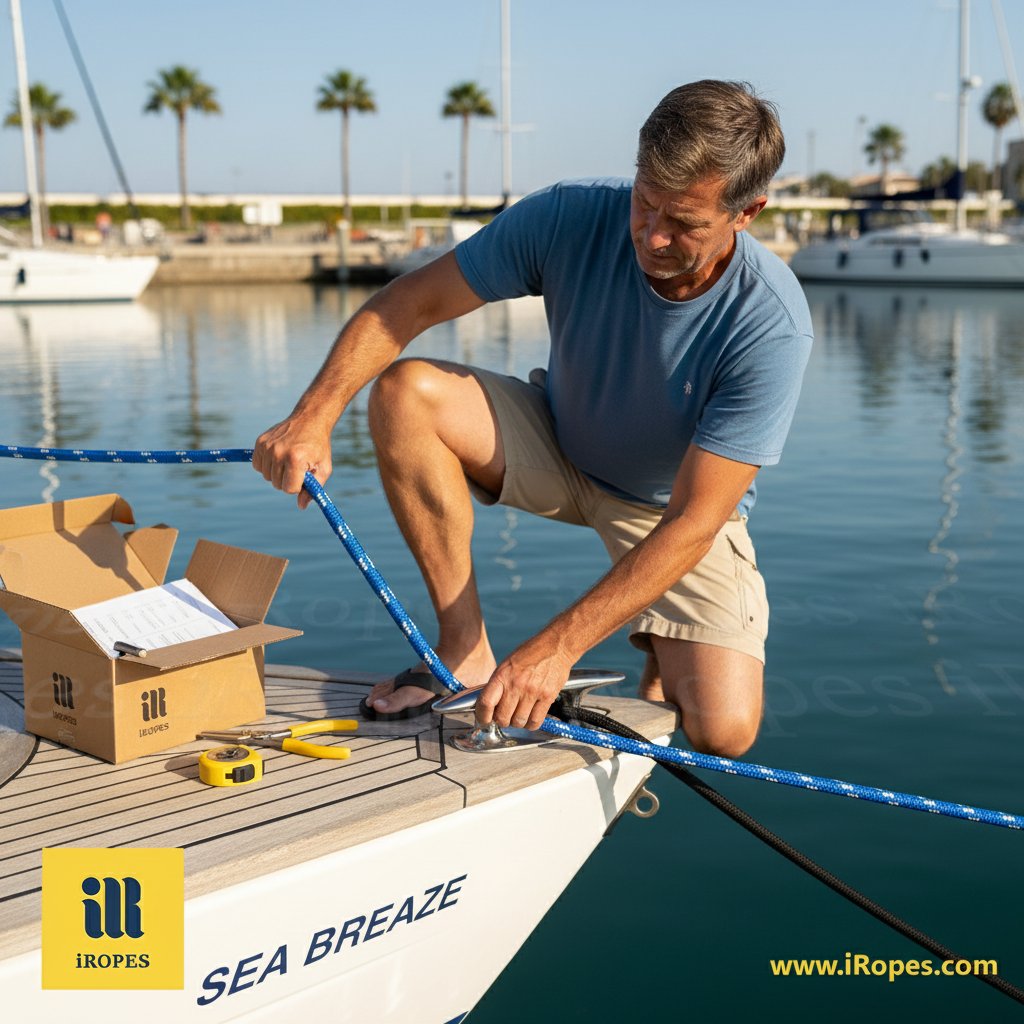
Implementing these practices not only dramatically boosts the effectiveness of your marine gear but also lays a strong foundation for safer, more efficient operations that yield substantial benefits over the long haul.
Elastic mooring lines from iRopes fundamentally transform how vessels handle tidal surges, effectively cutting damage by 40%. This is achieved through their superior stretch and dynamic recoil, which absorb wave shocks without unduly straining hardware. Nylon-based designs, featuring 300-500% elongation, significantly outperform rigid alternatives. They offer robust durability against UV exposure and abrasion while ensuring safe energy dissipation in harsh marine conditions. From kayaks in dynamic tidal estuaries to larger boats in exposed anchorages, elastic anchor rope consistently provides stable tension. This enhances the performance of various anchor types—such as flukes or plows—and prevents dislodgements during fluctuating water levels, offering unparalleled security and efficiency.
Building on these diverse applications, iRopes' comprehensive OEM/ODM services enable precise customisation of elastic anchor line diameters, lengths, and accessories, perfectly matching your specific setup. This bespoke approach is rigorously backed by ISO 9001 quality standards and robust IP protection. With appropriate installation and consistent maintenance, these advanced solutions deliver exceptional, long-term reliability. They effectively transform dynamic marine environments into manageable operational spaces, ensuring safer and more efficient vessel management.
Discover Tailored Elastic Solutions for Your Marine Needs
If you require personalised guidance on selecting or customising elastic mooring lines to suit your unique vessels and marine conditions, the inquiry form above connects you directly with iRopes' specialists for expert advice and comprehensive wholesale options.