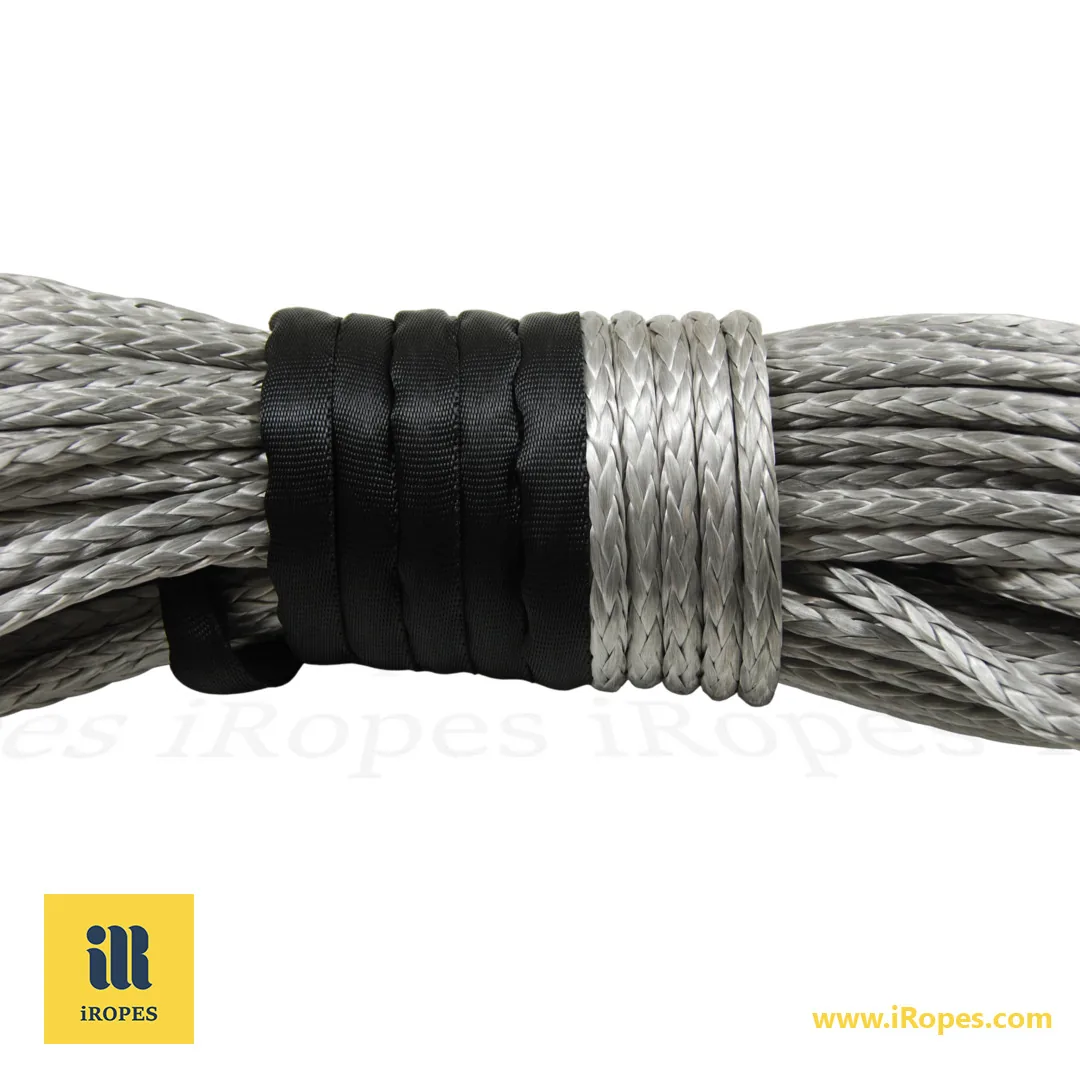
iRopes’ splice kit returns 96% rope strength and saves 3.7 hrs per 100 repairs.
What you gain – ~2 min read
- ✓ 96% strength retention – matches OEM specifications.
- ✓ Less than 4 min splice preparation, saving 3.7 hrs per 100 jobs.
- ✓ Fits 4–12 mm ropes, ISO‑9001 zero‑defect guarantee.
Most crews still wrestle with mismatched tools or makeshift hacks, risking weak joins and wasted hours. Imagine cutting that chaos in half with a single, purpose‑built kit. Your next splice will be faster, safer, and virtually flawless.
Understanding the Rope Splice Kit for Off-Road and Industrial Applications
Off‑road enthusiasts and industrial operators need reliable rope terminations. The right rope splice kit makes all the difference. Discover how iRopes’ customised rope splice solutions simplify repairs for winch and trailer ropes across vehicles and heavy‑duty equipment.

The typical contents are purpose‑built for the high‑stress environment of off‑road and industrial work. Below is a quick inventory of the most common items you’ll find in a quality splicing kit:
- Fids – steel or aluminium guides that align strands during a splice.
- Splicing needles – thin steel rods for pulling core material through the braid.
- Ceramic knives – maintain a clean cut on high‑tech fibres such as Dyneema.
- Scissors – designed to shear synthetic ropes without fraying.
- Whipping twine & tape – finish the splice and protect against abrasion.
It’s easy to confuse these tools with hardware used for wire‑rope terminations. A wire rope termination typically involves swaging sleeves, mechanical clamps, or crimping devices—methods that permanently reshape metal strands. In contrast, the items in a rope splice kit work with soft‑rope constructions (e.g., double‑braid, 3‑strand) to weave the strands together, preserving the rope’s flexibility.
Can you splice a steel wire rope with the same kit? The short answer is no. While some fids might fit a thin steel core, the core‑pulling action required for a true wire‑rope splice demands specialised swaging equipment and often a heat‑treat process. For steel‑based applications, iRopes recommends dedicated wire‑rope fitting solutions rather than a standard splicing kit. We offer comprehensive OEM and ODM solutions for bulk wire rope kits, customising components for your wholesale needs.
“A correctly specified rope splice kit eliminates guesswork on‑site and keeps your winch operating at peak safety.”
For wholesale customers who need large volumes, iRopes offers OEM‑tailored kits. You can select the exact mix of fids, needles, and finishing accessories that match the diameters and fibre types you use most. Our bulk orders come with custom branding, non‑branded packaging, and the same ISO‑9001 quality assurance that underpins every iRopes product.
Understanding these basics sets the stage for the next part of the guide, where we’ll break down the essential tools that turn a splicing kit into a reliable, on‑the‑spot splice solution.
Why a Dedicated Rope Splice Kit Is Essential for Winch and Trailer Ropes
We just explored the fundamentals of distinguishing a rope splicing kit from a rope splice kit. Now, let’s shift our focus to the specific tools that transform a simple repair into a professional‑grade splice. When a winch or trailer rope snaps in the middle of a trek, the difference between fumbling with improvised gear and reaching for a purpose‑built splicing kit can be the line between getting moving again or being stranded.

A standard rope splice kit typically supplies six core components: a fid, a splicing needle, a ceramic cutter, a pair of fibre‑safe scissors, whipping twine, and a roll of finishing tape. These items are sized to handle the common diameters encountered on off‑road winches and industrial trailers. What's more, they are all engineered to work together without damaging delicate synthetic fibres.
- Fid & Needle – guide and pull the rope’s core strands into perfect alignment.
- Ceramic Knife & Scissors – create clean, burr‑free cuts on high‑tech fibres such as Dyneema.
- Whipping Twine & Tape – lock the splice and shield it from abrasion.
Each of these tools serves a specific function that, when combined, yields a splice rivaling the original rope’s strength. The fid’s tapered tip slides strands into place without nicking the fibre, while the needle’s thin shaft threads the core material through the braid with minimal friction. Compared to steel, ceramic blades stay sharp longer, meaning you won’t fray the rope when trimming the ends. Finally, the whipping twine and tape act like a protective jacket, preventing moisture ingress and surface wear.
Why Choose a Dedicated Kit
A purpose‑built rope splice kit delivers three core advantages. First, precision tools let you execute a splice that retains up to 100% of the rope’s rated breaking strength, far better than any knot could achieve. Second, the specialised handles and ergonomic designs keep your hands safe from accidental cuts, especially when you’re working in cramped engine bays. Third, having every component in one pouch saves time; you’ll finish a repair in minutes rather than hunting for the right piece of equipment.
When you pair a dedicated rope splice kit with iRopes’ high‑performance winch rope and trailer ropes, the result is a seamless, load‑bearing loop that you can trust day after day. This synergy is why many off‑road crews and industrial operators treat the kit as an essential part of their maintenance arsenal, not an optional extra.
Now that you know which tools belong in the kit and why they matter, the next step is matching those tools to the exact rope type and diameter you work with, ensuring every splice is both strong and tidy.
Choosing the Right Splicing Kit for Your Specific Rope Type and Diameter
Now that you know which tools sit inside a standard rope splice kit, the next step is to match those tools to the rope you actually use. Selecting the appropriate splicing kit isn’t just about grabbing the biggest pouch you can find – it’s about aligning material, diameter, and load expectations with the right accessories.

For ultra‑low‑stretch fibres like Dyneema, a ceramic knife is essential – the blade stays sharp long enough to slice the slick fibres without fraying. Pair that with a soft‑fid, designed for the tiny hollow core of a double‑braid, and you’ll pull the core through cleanly. If you’re working with a traditional 3‑strand polyester line, a classic metal fid and a robust needle are sufficient, and ordinary steel scissors will do the job.
Diameter matters just as much as material. A splicing kit that includes a 4 mm fid and a 6 mm needle is ideal for ropes up to about 12 mm in overall diameter. When you move beyond that, the core becomes bulkier, requiring a larger‑bore fid and a heavier‑duty needle to prevent the strands from bunching. Load‑capacity tables on the rope label indicate the breaking strength; choose a kit whose tools are rated to handle that value, otherwise you risk damaging the fibres during the pull‑through. For off‑road vehicles, exploring the latest ATV winch rope options can help you select the optimal construction.
So, how do you choose the right splicing kit for your rope type? Follow these three quick steps:
- Identify the rope construction. Is it a hollow‑braid Dyneema, a solid double braid, or a 3‑strand polyester?
- Check the rope diameter. Match the fid and needle size range to the rope’s overall thickness.
- Verify load rating. Ensure the kit’s tools are specified for the rope’s breaking strength.
When these three criteria align, the splice you produce will retain close to 100% of the rope’s original breaking strength – a claim backed by industry testing on modern synthetic fibres. That strength retention is the biggest advantage over tying a knot, which can shave off 20% or more of a rope’s capacity.
Beyond raw strength, splicing eliminates the bulk that a knot creates, allowing the line to feed smoothly through winch drums or pulleys. A professionally finished splice also looks neat, which matters in inspections and when you need to prove compliance with safety standards.
Synthetic Rope Solutions
Dyneema, Stirotex & Technora
Soft Fid
Fits hollow cores, prevents fibre damage during alignment.
Ceramic Knife
Sharp, low‑heat cut for slick high‑tech fibres.
High‑Strength Needle
Thin shaft pulls core material without excessive friction.
Traditional Rope Options
3‑Strand & Double Braid Polyester
Metal Fid
Robust guide for solid cores up to 15 mm.
Steel Scissors
Shears cleanly without fraying polyester strands.
Standard Needle
Handles thicker cores, ideal for high‑load applications.
With the right rope splice kit in hand, you’ll find that repairing a snapped winch line or extending a trailer rope becomes a quick, confidence‑boosting task rather than a costly replacement. The next part of the guide will walk you through real‑world case studies where the right kit made the difference on rugged trails and heavy‑duty industrial sites.
After walking through the fundamentals of a wire rope kit versus a rope splice kit, you now see how a dedicated splicing kit can turn a broken winch or trailer line into a strong, load‑bearing splice in minutes. iRopes’ OEM/ODM service lets wholesale buyers specify the exact fid, needle, ceramic blade, and finish tape for any rope construction—from Dyneema to 3‑strand polyester—so the kit fits the vehicle or industrial equipment you service.
Request a personalised rope splice solution
If you’d like customised advice, bulk pricing, or a sample kit tailored to your specific rope type and diameter, please complete the form above and our specialists will get back to you promptly.