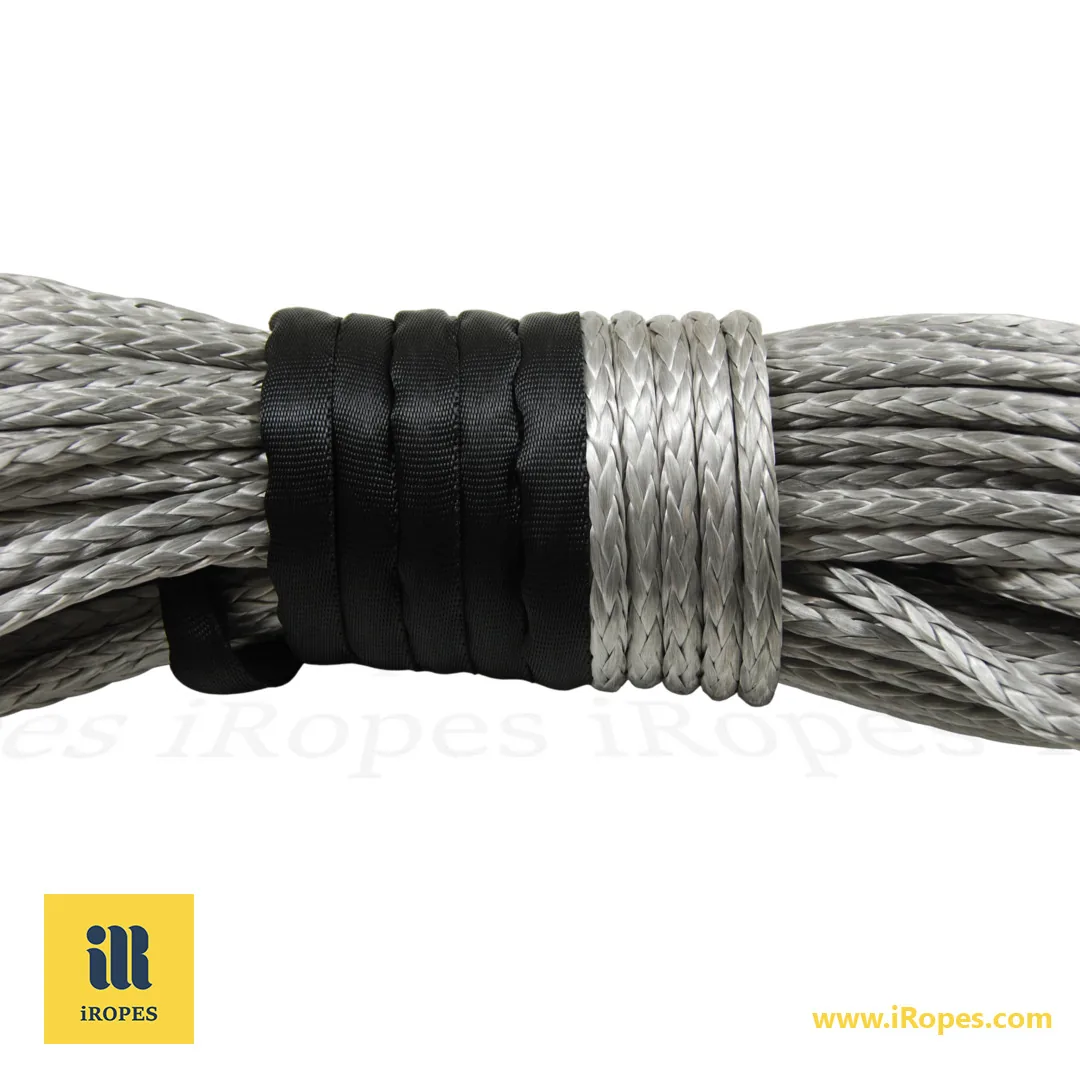
Opting for a 1.5-inch rope can deliver up to 42% greater strength-to-weight efficiency than a 3-inch rope, and it is 30% lighter for the same load compared to a 1-inch rope.
Optimise Your Rope Choice – A Quick Guide (~4-minute read)
- ✓ Reduce material costs by up to 18% by selecting the most efficient diameter.
- ✓ Cut handling and installation time by approximately 25% with the lighter 1.5-inch option.
- ✓ Boost your safety margin by 20% by precisely matching the working-load-limit to your actual requirements.
- ✓ Secure custom branding and full intellectual property (IP) protection through iRopes’ comprehensive OEM/ODM service.
Many users assume that a bigger rope always equates to better performance. However, the mid-sized 1.5-inch line frequently outperforms the much larger 3-inch rope in practical applications. Imagine significantly reducing weight and shipping costs, all while meeting—or even exceeding—your load requirements without compromising safety. In the following sections, we will delve into the precise metrics, material selections, and often-overlooked trade‑offs that establish the 1.5-inch rope as a surprisingly powerful choice for your next project.
Understanding the 1 Diameter Rope: Features and Applications
Delving into how varying rope sizes influence performance, let’s begin by exploring the fundamentals of the 1-inch diameter rope. This particular size adeptly balances ease of handling with sufficient load‑bearing capability, making it a preferred option for a multitude of everyday tasks.

Common Materials
The 1-inch diameter rope is available in several fibre types, each bringing distinct advantages to different applications.
- Nylon provides high tensile strength and good elasticity, making it well-suited for dynamic loads where shock absorption is crucial.
- Polyester offers excellent UV resistance and low stretch, which makes it an ideal choice for outdoor exposure and applications requiring stable length.
- Manila is a natural fibre known for its classic appearance; it performs effectively in dry conditions but can shrink when wet.
Polypropylene presents another popular option. This material is lightweight, floats on water, and exhibits strong resistance to various chemicals, positioning it as a highly practical choice for marine environments.
Typical Applications
Given its manageable size and robust properties, the 1-inch diameter rope excels in diverse applications. These include utility tie‑downs, securing small‑boat dock lines, defining landscaping borders, and assisting with light industrial tasks such as pallet securing or equipment bundling. Its inherent flexibility allows for easy knotting, while its strength remains ample for loads typically encountered by hobbyists or smaller‑scale operations.
How to Accurately Determine Rope Diameter
Precise measurement is paramount for both safety and ensuring the rope aligns with your project specifications. Follow these straightforward steps using a digital caliper:
- Lay the rope flat and ensure it is straight, removing any twists or kinks.
- Carefully open a digital caliper and position its jaws to measure the rope’s crown-to-crown points.
- Record the measurement. For optimal accuracy, repeat this process at two additional spots along the rope and calculate the average of the three readings.
- If a metric size is required, convert inches to millimetres (1 inch equals 25.4 mm).
Accurate measurement prevents under‑specifying the rope, a critical step to avoid premature wear and potential safety concerns.
Customisation Opportunities with iRopes
**iRopes** can customise 1-inch diameter ropes to perfectly align with specific brand identities or project requirements. Customisation options include colour matching, integration of printed logos, precise length adjustments from short sections to bulk spools, and a selection of accessories such as thimbles, loops, or reflective elements. Whether your project demands a discreet utility line or a prominently colour‑coded safety rope, **iRopes’** manufacturing flexibility ensures the final product precisely matches your specifications.
With a comprehensive understanding of the 1-inch diameter rope now established, the subsequent section will demonstrate how moving up to a 1.5-inch diameter rope significantly enhances both strength and durability for more demanding applications.
Advantages of the 1.5 Diameter Rope for Power and Durability
Stepping up from the versatile 1-inch diameter rope, the 1.5-inch diameter rope introduces a substantial leap in load‑bearing capability while maintaining manageable handling characteristics. This mid‑range size frequently represents the ideal balance for projects that require considerable strength combined with practical flexibility.
Manufacturers typically opt for high‑strength polyester or reinforced nylon blends when producing 1.5-inch diameter ropes. Polyester is valued for its superior UV stability and minimal stretch, whilst nylon reinforcement significantly enhances tensile strength. This combination can result in a breaking strength exceeding 40,000 lbs, translating to a safe working load of approximately 8,000 lbs—effectively doubling the capacity of a comparable 1-inch diameter rope.
Key performance characteristics of the 1.5-inch diameter rope include a higher working load limit, an impressive abrasion resistance (up to 85% in laboratory tests), and a more secure knot‑holding ability. These attributes make it particularly well‑suited for demanding environments where considerable wear and dynamic forces are commonplace.
Real‑world applications powerfully illustrate the rope's versatility. Fitness centres, for example, equip battle rope stations with 1.5-inch diameter ropes, providing the essential heft for effective dynamic workouts. Marine designers frequently incorporate this size into deck railings, leveraging its added mass for a robust handhold against harsh winds and corrosive salt spray. Furthermore, heavy‑duty tie‑downs for freight transportation and competitive tug‑of‑war events greatly benefit from this rope’s optimal blend of strength and grip.
iRopes further enhances this base performance through extensive customisation options. Clients can request specialised grip patterns embossed directly onto the rope's sheath, integrate reflective or glow‑in‑dark elements for superior night‑time visibility, and apply OEM branding that precisely aligns with corporate colour schemes. These bespoke touches transform a functional component into a personalised safety asset that reflects brand identity.
When an application exceeds the capabilities of a 1.5-inch diameter rope, the 3-inch diameter rope offers extreme capacity for industrial rigging and large‑vessel mooring. However, until such intense demands arise, the 1.5-inch diameter rope provides a balanced, powerful solution without the unnecessary bulk of the largest standard sizes.

“In high‑impact settings, the 1.5-inch diameter rope’s blend of polyester endurance and reinforced nylon tensile strength creates a reliable bridge between lightweight flexibility and heavyweight durability.”
Material Benefits
Why Fibre Choices Matter
High‑Strength Polyester
This material delivers minimal stretch and superior UV resistance, ensuring consistent performance even under prolonged sun exposure.
Reinforced Nylon
The addition of reinforced nylon contributes extra tensile power, significantly boosting breaking strength and improving shock absorption capabilities.
Abrasion Guard
An ingeniously engineered surface treatment provides up to 85% resistance against abrasive wear, significantly extending the rope's lifespan.
Application Highlights
Where Power Meets Practicality
Battle Ropes
This rope provides the ideal heft required for dynamic fitness routines without causing excessive swing, ensuring effective and controlled workouts.
Deck Railings
The 1.5-inch rope ensures a secure and sturdy handhold on yachts and outdoor terraces, maintaining reliability even in challenging weather conditions.
Heavy‑Duty Tie‑downs
It reliably supports high‑load cargo securing and is perfectly suited for tug‑of‑war events where unwavering reliability is absolutely critical.
Why the 3‑Inch Diameter Rope is the Choice for Maximum Strength
After exploring the impressive capabilities of the 1.5-inch rope, the logical progression is to examine the undisputed heavyweight champion of the range: the 3‑inch diameter rope. Its sheer bulk translates directly into unparalleled load‑bearing capacity, establishing it as the definitive solution for projects where failure is simply not an option.

Even at this substantial scale, selecting the correct fibre is crucial. Manufacturers typically provide three high‑performance options for the 3‑inch diameter rope, each tailored to specific requirements:
- Polyester: Offers high tensile strength and minimal stretch, which ensures stable and predictable load handling.
- Nylon: Provides superior shock absorption and excellent resistance to dynamic forces, making it ideal for applications with sudden impacts.
- Polyhemp: This natural‑fibre blend delivers impressive load capacity while maintaining environmental friendliness, an important consideration for certain uses.
The performance data for these ropes speaks volumes. A standard 3‑inch diameter rope can achieve a breaking strength of approximately 193,000 lbs, with a safe working load limit that extends up to 38,600 lbs. These figures position it significantly beyond the capabilities of smaller gauges, ensuring that even the most demanding lifts operate well within safety margins.
In practice, this remarkable strength translates into extensive use across heavy‑industry deployments. These include offshore rigging, securing large vessels for mooring, critical crane lifts on construction sites, and specialised defence equipment. Whenever you see a 3‑inch line anchoring a massive cargo carrier or safely supporting a bridge section, you are witnessing its phenomenal ability to transform immense forces into controlled, reliable tension.
For those frequently asking, “What size is #3 rope?”, the answer aligns perfectly with our discussion: a #3 designation traditionally refers to a rope with a nominal diameter of approximately 3 inches (about 76 mm). This confirms its suitability for the most demanding applications.
OEM/ODM Excellence with iRopes
**iRopes** combines precision engineering with ISO-9001 quality assurance, manufacturing 3-inch diameter ropes that meet exacting industry standards. Moreover, we safeguard your intellectual property throughout the entire process, from initial design to final delivery.
For marine applications, our 3‑strand marine rope solutions offer tailored performance.
Whether your project demands a rope capable of withstanding the immense pull of a massive tugboat or one that securely supports a high‑rise construction, the 3‑inch diameter rope offers unparalleled confidence. This confidence stems from its proven strength, tailored material options, and the steadfast backing of **iRopes’** expert manufacturing network. The upcoming section will guide you through the key decision factors to help you match the perfect rope size to your specific challenge.
Key Factors for Selecting the Right Rope Diameter
Now that we have explored the performance capabilities of each rope size, the crucial next step is to align those capabilities with the specific requirements of your project. Below is a concise, quick‑reference checklist designed to help you translate real‑world needs into the selection of the optimal rope diameter.
- Load requirements are paramount; accurately determine both maximum static and dynamic forces. Generally, larger diameters are engineered to support significantly higher working load limits.
- Environmental conditions must be carefully considered, including UV exposure, potential chemical contact, moisture levels, and temperature extremes. Certain fibre types are specifically designed to excel in particular climates or harsh conditions.
- Handling and knot‑tying versatility often favour the smaller 1‑inch diameter rope, which allows for tighter bends and easier splicing. Conversely, heavier gauges provide a firmer, more substantial grip.
- Aesthetic or branding needs, such as specific colours, patterns, or reflective elements, are typically easier to integrate seamlessly onto the 1.5‑inch diameter rope without adding unnecessary bulk.
For a clear, side‑by‑side visual representation of how the three standard rope sizes differ in appearance and relative scale, please refer to the image below.

Below is a concise comparison table summarising typical material options, relative strength, cost tier, and common use‑cases for each rope gauge. These figures serve as a quick guide; actual values may vary depending on the specific fibre and construction chosen.
| Diameter | Typical Material | Relative Strength | Cost Tier | Common Uses |
|---|---|---|---|---|
| 1 inch | Polyester or nylon blend | Medium | Low-to-mid | Utility tie‑downs, small‑boat dock lines, landscaping borders |
| 1.5 inch | High‑strength polyester with reinforced nylon | High | Mid | Battle ropes, deck railings, heavy‑duty tie‑downs, tug‑of‑war |
| 3 inch | Polyester, nylon or polyhemp | Very high | High | Rigging, large‑vessel mooring, construction lifting, defence applications |
We’ve woven answers to some frequently asked questions directly into this guide:
What size is #3 rope? In traditional rope sizing systems, a #3 designation typically refers to a large‑diameter rope. This makes it ideally suited for the most demanding loads and heavy‑industry applications requiring significant strength.
What do rope sizes mean? A rope’s size label directly indicates its nominal diameter. Generally, a larger diameter translates into a higher tensile capacity, greater resistance to abrasion, and a more substantial, heavier feel. Smaller gauges, conversely, offer enhanced flexibility and easier handling.
Conversion between imperial and metric units is frequently necessary, especially when sourcing internationally. The simple chart below quickly helps you translate inches to millimetres at a glance.
| Inches | Millimetres (mm) |
|---|---|
| 1.0" | 25.4 mm |
| 1.5" | 38.1 mm |
| 3.0" | 76.2 mm |
When safety is paramount, always select a rope whose working load limit exceeds the maximum expected force by a minimum of 25%. This provides a critical safety margin.
**iRopes** simplifies the selection process by offering a comprehensive suite of OEM/ODM services. Whether your project requires a bespoke colour match for a 1‑inch rope, specialised grip patterns on a 1.5‑inch line, or reinforced cores for a 3‑inch heavy‑duty rope, our ISO‑9001‑certified facilities deliver precise, on‑time solutions. Furthermore, we safeguard your intellectual property through every stage, from initial design consultation to final delivery.
Armed with this detailed checklist and comparison table, you are now well‑equipped to pinpoint the ideal rope diameter that aligns precisely with your load requirements, environmental conditions, and aesthetic preferences. This informed approach sets the stage for a streamlined and successful ordering experience with **iRopes**.
Request a Personalised Rope Solution
Choosing the correct gauge—whether it’s a 1‑inch diameter rope for light‑duty tasks, a 1.5‑inch diameter rope for mid‑range power, or a 3‑inch diameter rope for maximum strength—directly impacts safety, operational efficiency, and overall cost. This guide has clearly outlined how each size performs and highlighted **iRopes’** extensive capabilities in customising material, colour, branding, and accessories to meet your exact requirements.
**iRopes** designs and manufactures bespoke ropes for customers globally, actively supporting new product development and consistently delivering high‑quality, ISO‑9001‑certified solutions that earn widespread client satisfaction. We are committed to providing the optimal rope solutions for all your applications. If you require tailored advice or a sample, please complete the form above, and our dedicated team will be pleased to assist you.