Choosing the right marine rope pulley can boost hoisting efficiency by up to 2.5× and reduce rope wear by 38 % ⚡
Quick Wins — ≈ 2 min read
- ✓ Boost mechanical advantage by 2.5× with the proper block type.
- ✓ Reduce rope abrasion by 38 % using matched sheave grooves.
- ✓ Ensure rope‑diameter fills 50‑70 % of the sheave for optimal grip.
- ✓ Select 316 stainless steel for superior corrosion resistance in saltwater.
Imagine trimming a sheet or hoisting an anchor with a block that feels tailor‑made for your vessel – that’s the edge you’ll gain when you stop settling for generic hardware. Many sailors rely on off‑the‑shelf pulleys, yet a mis‑matched rope‑to‑sheave ratio can waste up to 15 % of your effort and lead to premature equipment failure. In the sections ahead, we’ll reveal the exact criteria, material considerations, and custom‑fit options that turn every line into a reliable, high-performance ally.
Understanding the Rope Pulley and Marine Terminology
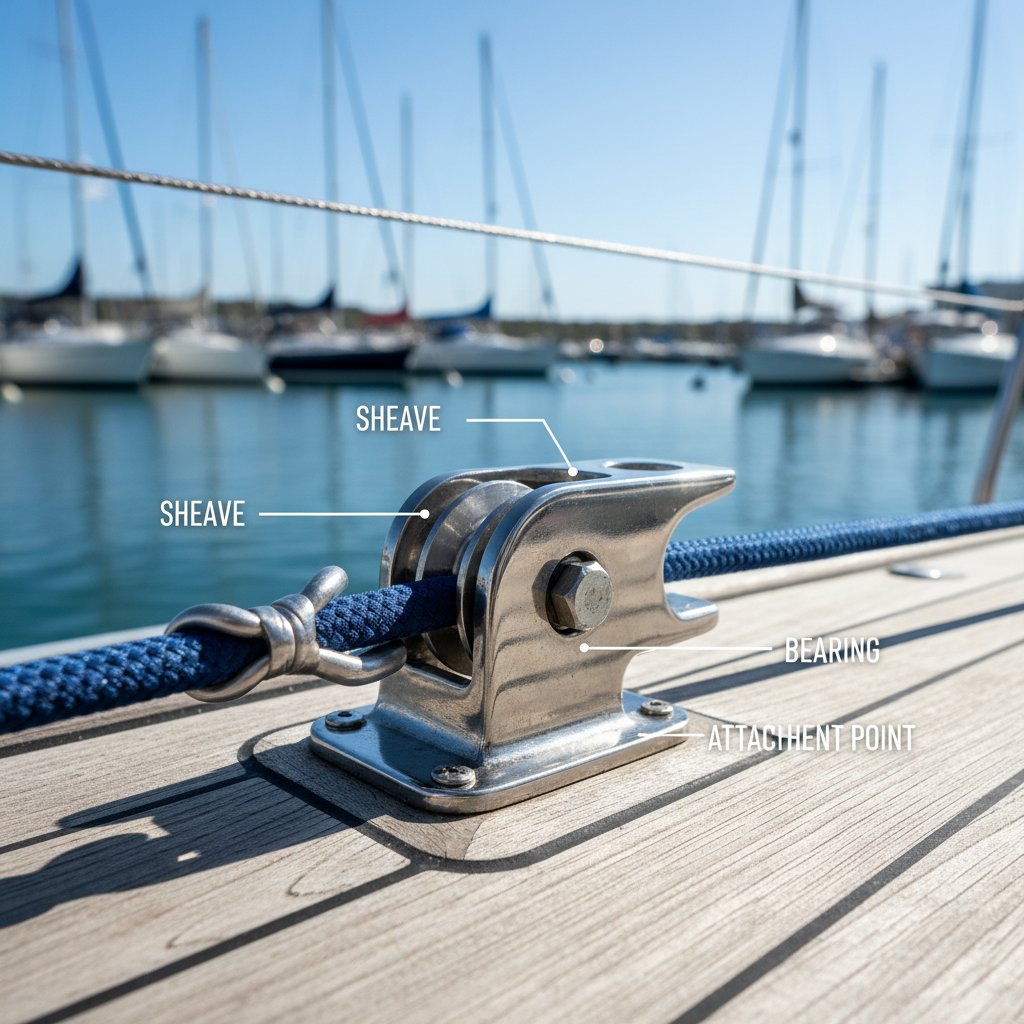
Pulleys are essential for safe and efficient sailing, so it's vital to demystify the language used to describe them. On a boat, a rope pulley is almost always called a block. This term comes from the robust housing that encloses the sheave, which protects the moving parts from saltwater and gives the component its sturdy, block-like appearance.

How a pulley changes direction and multiplies force
At its heart, a marine rope pulley acts like a simple lever. When a rope passes over the sheave, its direction of pull can be altered without changing the rope’s tension. If the block is free to move, the system achieves a mechanical advantage. This means the effort you apply is distributed across multiple rope sections, effectively multiplying the force you can exert. For example, a single movable block provides a 2:1 advantage, and by combining blocks in a tackle, this gain increases significantly.
“When the wind picks up, a well‑chosen block can be the difference between a smooth tack and a tangled mess.”
What is a pulley on a boat called?
To answer directly, a boat rope pulley is simply called a block. This term is universally recognised among sailors, dockworkers, and anyone involved in handling rigging on a vessel.
Common rope materials paired with rope pulleys
Selecting the right rope to run through a block is crucial for its longevity, grip, and overall performance. Here's a quick guide to the three materials most commonly paired with boat rope pulleys:
- Nylon – Known for high shock absorption and moderate UV resistance, making it ideal for halyards that need to handle sudden loads.
- Polyester – Offers low stretch and excellent abrasion resistance, which is favoured for sheets and anchor lines requiring stability.
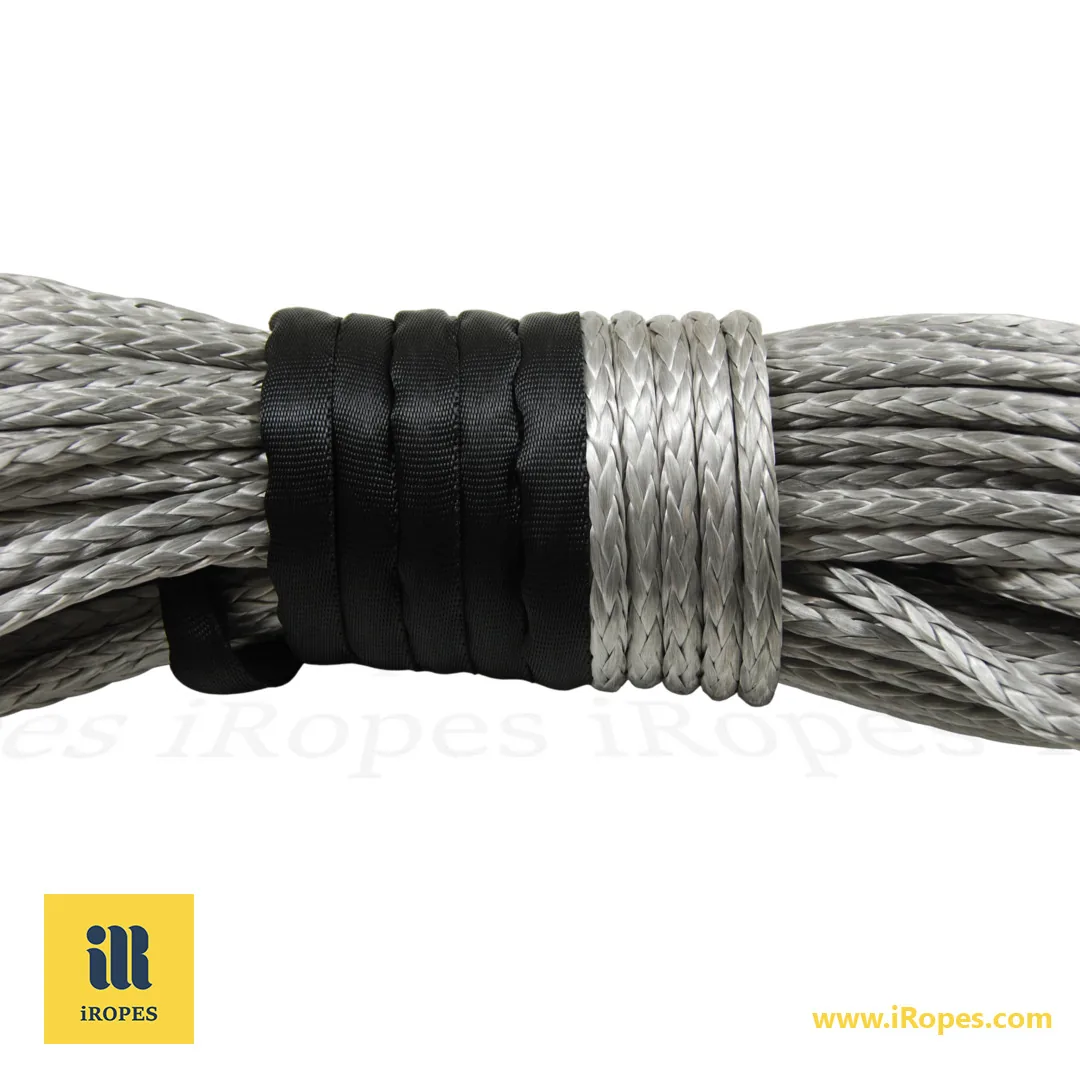
- HMPE/Dyneema – Boasts an exceptional strength‑to‑weight ratio and superior UV stability, making it perfect for high‑performance rigging where minimal weight is critical.
Understanding these essential terms, mechanics, and rope compatibilities provides a strong foundation. Next, we will explore the different types of marine rope pulleys and their specific applications on a boat.
Exploring Marine Rope Pulley Types and Their Applications
With an understanding of the basics, the next step involves identifying which marine rope pulley configuration is best suited for various tasks on a vessel. Four fundamental arrangements are commonly used, each offering distinct mechanical advantages and serving specific rigging scenarios.

What are the 4 types of pulleys?
- Fixed – This type is mounted to a deck or mast, changing the direction of pull without offering mechanical advantage.
- Movable – A free‑swinging block, it effectively halves the effort, providing a 2:1 mechanical advantage.
- Compound – Combining a fixed and a movable block, this arrangement boosts the mechanical advantage to 3:1 or even 4:1.
- Block‑and‑tackle – These systems use two or more blocks working together, offering the highest ratios, such as 6:1, for heavy lifting.
Each of these arrangements serves a specific purpose on a boat. Fixed blocks are typically found on halyard leads, where simply changing the direction of the rope is sufficient. Movable blocks are often seen in snatch-block lines, used for adjusting sail trim with greater ease. Compound setups are common on sheet leads, providing extra leverage where needed, while block-and-tackle systems are indispensable for anchor-hoist stations and boat-lift rigs, enabling large loads to be moved with minimal effort.
Materials that survive the sea
When selecting a boat rope pulley, the material of the sheave and its housing is as important as its geometry. Here’s a quick reference to match material families with the marine environments they excel in.
Corrosion‑Resistant Metals
Strength and longevity in saltwater
Stainless Steel 316
Offers exceptional resistance to chloride‑induced corrosion, making it ideal for long‑term deck hardware in harsh marine conditions.
Galvanized Steel
A cost‑effective alternative featuring a zinc coating that provides good corrosion resistance for occasional splash exposure.
Aluminum
A lightweight option often chosen for lift‑assist systems where reducing mass significantly improves handling and efficiency.
Low‑Friction Sheave Materials
Smooth rope movement and reduced wear
Nylon Sheave
Ensures quiet operation and is gentle on rope fibres, making it suitable for frequent line adjustments.
UHMWP Sheave
Ultra‑high‑molecular‑weight polyethylene provides ultra‑low friction and exceptional wear resistance, ideal for high‑performance applications.
Polymer‑Coated Steel
Combines the strength of steel with a protective polymer layer, effectively balancing durability and smooth rope glide.
Matching the pulley construction to the rope diameter is critical for both safety and efficiency. Ideally, the rope’s outer diameter should fill roughly half to two‑thirds of the sheave groove. An undersized groove creates excessive friction and wear, while an oversized one can allow the rope to slip, risking inefficiency. Similarly, the selected material must support the rope’s load rating; high‑stretch nylon, for instance, pairs well with larger‑groove sheaves, while low‑stretch polyester or HMPE/Dyneema benefits from tighter‑fitting, low‑friction sheaves. For heavier loads, the block's bearing type is often upgraded, from simple plain bearings for light duties to sealed ball bearings for high‑frequency, heavy‑load applications. This choice directly impacts the true mechanical advantage of the system. Understanding these distinctions empowers you to choose the right marine rope pulley for any operation on deck, whether you’re trimming a mainsail, hoisting an anchor, or operating a boat lift. The next section will transform this knowledge into a practical checklist, guiding you through your final purchase decision.
Selecting the Ideal Boat Rope Pulley and Compatible Rope Materials
With the various pulley configurations now clear, the next decision involves matching the hardware to the forces it will encounter and the ropes that will run through it. Selecting the right boat rope pulley requires looking beyond mere price tags and focusing on four core attributes crucial for maintaining a safe and efficient rig.
Key Selection Criteria
• Working Load Limit (WLL) – Always choose a pulley with a WLL rated at least five times the maximum anticipated line load to ensure safety.
• Rope diameter compatibility – For optimal grip and reduced wear, the rope should fill 50‑70 % of the sheave groove.
• Attachment method – Options like a fixed eye, swivel eye, or shackle each offer different benefits regarding angles of pull and ease of inspection.
• Bearing type – Plain bearings suffice for light‑duty applications, while sealed ball bearings are necessary for high‑frequency, heavy‑load cycles to maintain efficiency.
What type of rope is best for marine use?
When a marine rope pulley encounters a rope ill‑suited for the sea, both components can suffer. For most cruising scenarios, consider these options:
- Nylon provides generous shock absorption, making it forgiving during sudden gusts and wave‑induced loads on mooring lines or anchor rodes.
- Polyester maintains its length with minimal stretch, delivering precision for sail trim and secure anchor handling.
- HMPE/Dyneema excels in strength‑to‑weight ratio and UV stability, making it ideal for performance rigs where every kilogram and ounce of efficiency counts.
These material choices directly address the common question “what type of rope is best for marine use?” by aligning rope characteristics with the specific demands of various deck tasks.
What is the best rope for a pulley?
The ideal rope for a pulley must balance three critical factors: stretch, abrasion resistance, and chafe protection. A low‑stretch polyester line fits snugly into a precision‑machined sheave, which effectively reduces slippage and wear. If the sheave has a nylon lining, a slightly more elastic nylon rope can be beneficial, as the sheave’s softer material helps mitigate surface abrasion on the rope. For ultra‑light, high‑load applications, an HMPE rope paired with a hardened UHMWP or polymer‑coated steel sheave delivers minimal friction, preserving the rope’s fibre integrity and maximising efficiency.
Practical checklist for evaluating a boat rope pulley before purchase
Quick Checklist
Ensure the WLL exceeds your load, the rope‑diameter matches the sheave, the material is corrosion‑resistant, the bearing is appropriate, and the attachment method is secure.
Always run through this checklist, whether you're on the dock or in the workshop. A single oversight can quickly turn a routine hoist into a significant safety risk.
Once you’ve successfully matched the pulley to the right line, the next part of this guide will explore how iRopes can tailor both hardware and rope to your exact specifications, including ultra‑high‑molecular‑weight polyethylene (UHMWPE) ropes, ensuring longevity and peak performance on every voyage.
Customisation, Maintenance, and the iRopes Advantage
Now that you have a clear picture of what constitutes an ideal marine rope pulley, the next logical step is to explore how to make it truly yours. iRopes specialises in transforming a standard block into a bespoke solution, perfectly fitted to your vessel's specific load requirements, branding needs, and unique operational quirks.
OEM / ODM Services
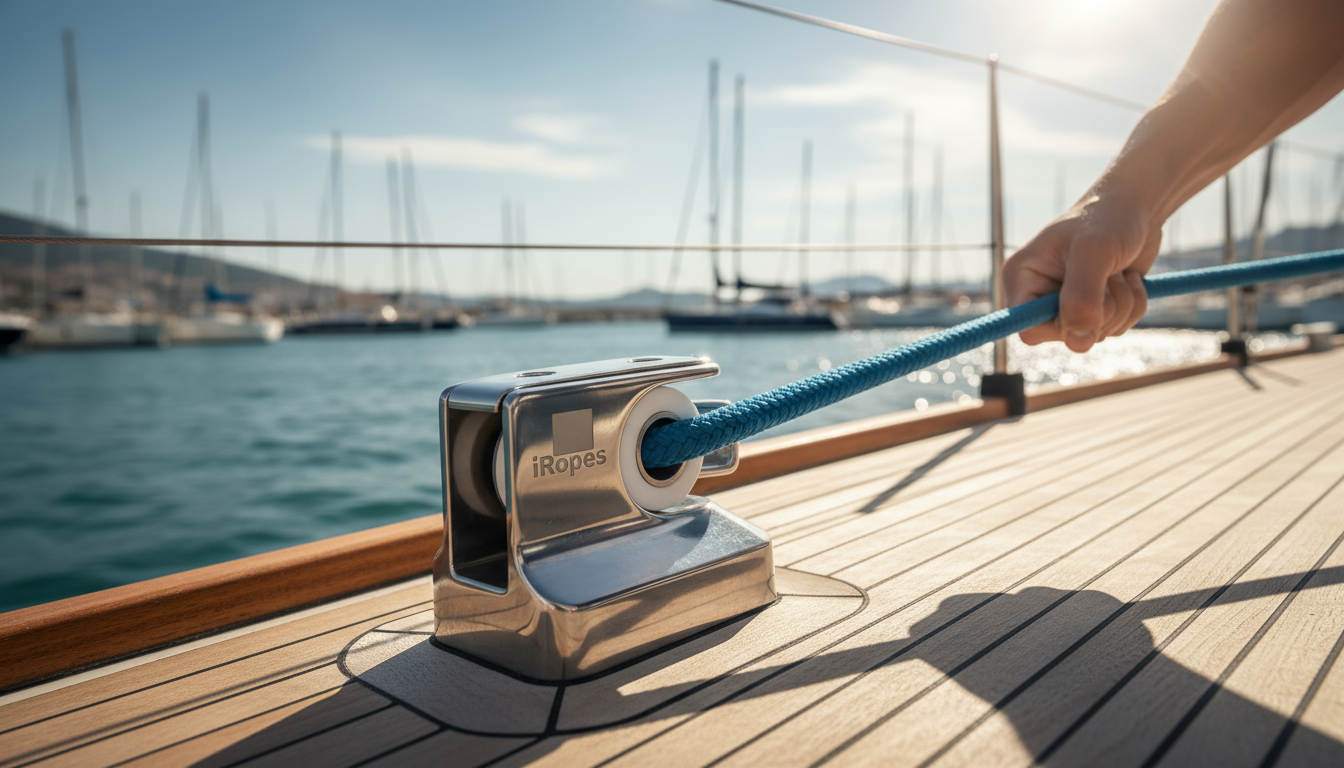
iRopes offers comprehensive OEM/ODM services, working from initial concept to the finished block. You can specify everything from sheave material and housing alloy to the colour of the finish. Whether your project demands a compact 10 mm eye for a racing dinghy or a heavy‑duty 40 mm swivel for a yacht‑lift, our design team will engineer a solution that precisely matches your load chart and aesthetic requirements.
IP Protection & ISO 9001
All custom drawings are safeguarded by strict intellectual‑property protection policies, ensuring your proprietary rigging layouts remain private. Furthermore, our production adheres to rigorous ISO 9001 procedures, guaranteeing repeatable quality and providing traceable material certificates for every batch of stainless‑steel 316.
Tailored Materials
Choose from premium marine‑grade 316 stainless steel, reliable galvanized steel, lightweight aluminium, or advanced polymer‑coated steel sheaves. Each material undergoes extensive testing for saltwater corrosion, UV exposure, and wear against nylon, polyester, or HMPE lines to ensure optimal performance and durability.
Branding Options
Elevate your brand identity by printing your logo directly onto the block, selecting custom colour‑coded housings, or opting for non‑branded packaging. This allows you to reinforce your brand presence on deck while maintaining discretion when required, offering flexible solutions for your unique design requirements.
Maintenance tip: After each outing, rinse the block with fresh water. Apply marine‑grade grease to the bearings, and inspect the sheave groove for any signs of chafe. A quick 5‑minute check can significantly extend the life of a boat rope pulley by many years.
- Step 1 – Contact sales – Simply fill out the short form on the iRopes website, and a specialist will respond within one business day.
- Step 2 – Share specs – Provide your detailed load requirements, the desired rope‑diameter range, and any specific branding preferences you may have.
- Step 3 – Receive a quote – You will receive a comprehensive PDF outlining material choices, lead‑time, and transparent pricing, ready for your approval.
With a custom‑engineered block, routine lubrication, and the confidence of ISO‑backed quality, your rigging system will perform efficiently and safely. The next and final section will recap the essential takeaways, highlighting how every decision you make contributes to a smoother and more reliable sailing experience.
Request your custom pulley design
If you’d like personalised advice on selecting the optimal rope and pulley combination for your specific application, simply complete the form above and our iRopes specialists will help you engineer the perfect solution.
For a complete rigging upgrade, explore our top sailing ropes that pair perfectly with custom‑designed blocks.
Additionally, learn more about the strongest rope materials available for marine applications to further enhance performance.
Related reading: Choosing the Best Red Marine Rope for Yachting