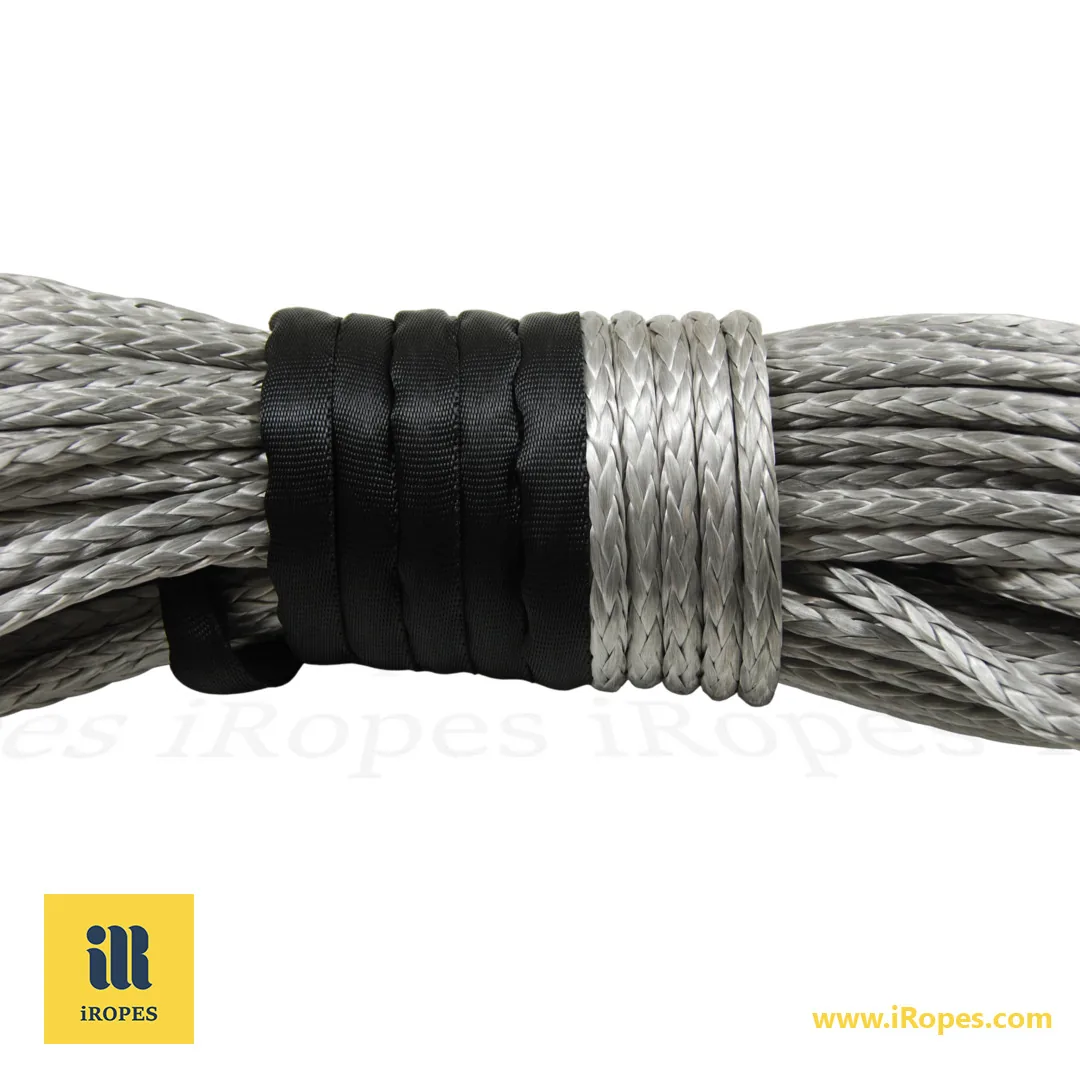
Synthetic jute rope delivers roughly 38% higher tensile strength than natural jute and lasts over 7 years outdoors, while natural jute biodegrades in about 3 years.
What you’ll gain (≈3 min read)
- ✓ Boost project strength by up to 38% with synthetic jute – ideal for load‑bearing tasks.
- ✓ Extend rope lifespan to 7+ years thanks to UV and water resistance, slashing replacement costs by ~45%.
- ✓ Choose biodegradable natural jute for eco‑friendly builds, cutting waste and meeting sustainability goals.
- ✓ Leverage iRopes’ OEM/ODM customisation (diameter, colour, branding) to match any specification instantly.
You might think the rustic look of natural jute automatically makes it the top choice for every project, but the data tells a different story. Our deep‑dive reveals why synthetic jute rope actually outperforms its organic counterpart in strength, lifespan, and cost‑effectiveness across DIY, gardening, and heavy‑duty industrial tasks. Plus, learn how iRopes can tailor the perfect solution for your specific needs.
Understanding rope jute: Natural fibres, properties, and uses
Building on the broader look at rope options, let’s focus on rope jute – the classic natural fibre that has been hand‑twisted into cords for centuries. At its core, rope jute is made from the long, golden‑brown fibres harvested from the Corchorus plant. While these fibres feel slightly coarse to the touch, they are soft enough to tie without splintering. This makes rope jute ideal for projects where a rustic aesthetic matters.

When you ask “what is a jute cord?”, the short answer is that it's a cordage produced entirely from these natural fibres. Unlike synthetic alternatives, the cord retains the plant’s biodegradable nature, meaning it will break down in a compost heap rather than lingering in a landfill.
- Strength – It offers moderate tensile capacity, making it suitable for light‑to‑medium loads. For instance, a 10 mm strand can support around 300 kg.
- Flexibility – It’s supple enough to bend around delicate plant stems or create intricate macramé knots.
- Biodegradability – As a natural material, it is fully compostable, returning to the earth after its useful life.
- Moisture sensitivity – It readily absorbs water. This can reduce strength and invite mildew if the rope is left wet for extended periods.
These characteristics enable a wide variety of everyday uses. Gardeners, for example, often choose rope jute for tying tomato vines, securing seedling cages, or constructing low‑tech trellises. Its softness protects delicate stems. Crafters also appreciate its rustic hue for macramé wall hangings, gift‑wrapping, and eco‑friendly packaging, adding a natural charm to product boxes. Home‑decor enthusiasts frequently employ it for woven basket handles, decorative railings, or as gentle tie‑backs for curtains. Because the rope has a naturally earthy colour, it blends seamlessly with both indoor and outdoor aesthetics.
However, natural rope jute does have limitations. Its reduced UV resistance means prolonged sun exposure can cause the fibres to become brittle and fade. Outdoor installations that face rain or humidity may see the rope weaken after just a few seasons, typically lasting about three years with proper care. Furthermore, the labour‑intensive cultivation and processing of jute fibres can make the material pricier than mass‑produced synthetics, especially when sourced in larger diameters.
“Natural jute rope offers a sustainable, tactile alternative to plastic‑based cords. However, it thrives best in dry, shaded environments where its biodegradable nature can be fully appreciated.”
Understanding these strengths and drawbacks helps you match the right rope to the right task. If your project calls for a biodegradable, aesthetically warm solution that won’t bear heavy, wet loads, rope jute is often the perfect fit. With a solid grasp of natural rope jute, we can now explore its high‑performance counterpart for demanding environments.
Synthetic jute rope: Performance, durability, and industrial advantages
Having explored the charm and limits of natural rope jute, it’s time to look at the high‑performance version that thrives where strength and weather‑proofing matter most. Synthetic jute rope replicates the familiar brown aesthetic while delivering the robustness required for demanding projects.

Material Makeup
What gives it the jute feel
Polypropylene
This forms the core fibres, delivering high tensile strength and low stretch.
Polyethylene
The outer sheath adds abrasion resistance and water repellency.
Jute‑like finish
A specialised surface treatment effectively reproduces the natural brown hue and texture of jute.
Key advantages
Performance you can rely on
Strength
It provides up to 40% more load capacity than natural rope jute of the same diameter.
UV resistance
Additive stabilisers prevent sun‑induced degradation, ensuring years of outdoor use.
Longevity
Its typical service life exceeds 7 years, even in demanding marine environments.
Industrial and commercial use cases
- Marine and yachting – Ideal for dock lines, fender wraps, and sailboat rigging that demand waterproof durability.
- Off‑road vehicle recovery – Used as high‑strength tow ropes that resist abrasion on rugged terrain.
- Tree work, construction, and defence – Suitable for load‑bearing rigging, hauling straps, and tactical cordage where reliability is non‑negotiable.
To keep synthetic jute rope performing at its peak, treat it like any other high‑strength cordage. Rinse the rope with fresh water after exposure to salt or mud, then allow it to air‑dry in the shade. Store coils on a rack away from direct sunlight to preserve UV stabilisers. Periodically inspect the ends for fraying; a quick whip or a stainless‑steel thimble can dramatically extend its service life.
With these material insights, performance perks, and practical care tips, you now have a clear picture of why synthetic jute rope is the go‑to choice for heavy‑duty, weather‑exposed projects. Next, we’ll examine how to match the right jute cord to your specific needs and customise it for optimum results.
Choosing the right jute cord: Factors, customisation, and purchasing tips
After seeing how synthetic jute rope handles the toughest conditions, the logical question becomes: which jute cord will best serve your specific project? Whether you are planning a garden trellis, a decorative macramé piece, or a load‑bearing strap for industrial use, the right choice hinges on a handful of practical considerations.

When you weigh up the options, keep these decision factors in mind:
- Intended use – Lightweight garden ties demand flexibility, while heavy‑duty straps require higher tensile capacity.
- Environment – Exposure to rain, sun, or chemicals will dictate whether a natural‑look synthetic core or a fully biodegradable strand is a wiser choice.
- Load requirements – Always calculate the maximum breaking load you expect; thicker diameters or reinforced constructions significantly increase safety margins.
- Aesthetic preference – Rustic brown tones suit décor projects, whereas vibrant dyed cords can double as distinctive branding elements.
- Budget constraints – Natural fibres tend to cost more due to agricultural labour, while synthetic alternatives often offer lower per‑metre pricing.
As for the common query “what is a jute cord?” – it is simply a cordage made from jute fibres, either in their raw natural state or engineered into a synthetic mimic. The phrase “difference between jute and rope” often confuses shoppers. Jute refers specifically to the raw fibre, whereas rope (or cord) describes the finished, twisted, or braided product that can be crafted from many materials, including jute.
Tailored Jute Cord Solutions from iRopes
iRopes transforms a simple specification into a finished product that perfectly matches your brand. Choose the base material (natural fibre or polypropylene), set the diameter from 5 mm to 25 mm, pick any length, and request custom colours or patterns. We can add loops, thimbles, or reflective strips, and even apply your logo to the packaging. Every batch is meticulously backed by ISO 9001 quality checks and full IP protection, ensuring peace of mind.
Maintenance is the final essential piece of the puzzle for extending rope lifespan. For natural‑fibre cords, store them in a dry, shaded area and wipe any dust with a soft brush; this helps prevent mildew and keeps the fibres supple. Synthetic‑styled cords benefit from a quick rinse with mild soap after exposure to salt or mud, followed by air‑drying away from direct sunlight. Regularly inspect the ends and apply a simple whipping or a stainless‑steel thimble to stop fraying.
Indeed, keeping any jute cord out of prolonged moisture and UV light dramatically extends its useful life, whether you choose the biodegradable option or the high‑performance synthetic version.
Need a tailored rope solution?
This guide has shown how rope jute offers biodegradable charm for garden and décor projects, while synthetic jute rope delivers the strength and UV resistance required for marine, off‑road, and industrial tasks. By carefully weighing factors such as load, environment, and aesthetic preference, you can select the perfect jute cord. If needed, you can further customise its diameter, colour, accessories, and branding through iRopes’ comprehensive OEM/ODM service.
For personalised advice on material selection, performance optimisation, or custom design, simply complete the enquiry form above – our specialists are ready to help you bring your project to life with precision and expertise.