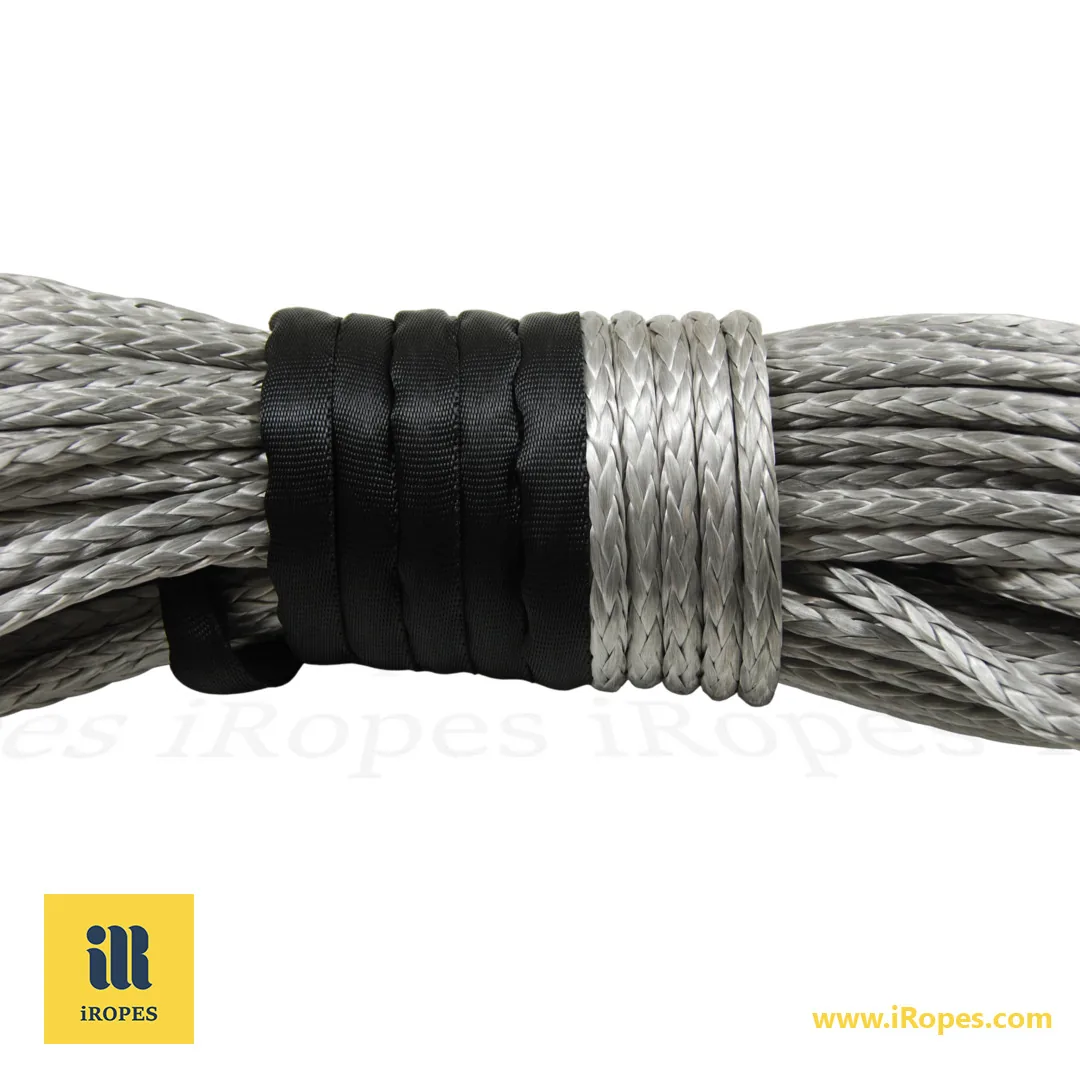
iRopes’ synthetic sail cord in 3/16 in polyester delivers a breaking strength around 1,450 lb and offers high UV resistance (≈ 70%), with OEM/ODM custom builds to match your rig.
Quick‑scan (≈2 min)
- ✓ High strength‑to‑weight performance in a compact, easy‑handling sail cord.
- ✓ Torque‑free braid improves sheet handling and delivers smoother, more predictable tacks.
- ✓ UV‑resistant fibres and coatings help maintain strength under harsh sun exposure.
- ✓ Fully custom OEM/ODM options (colour, logo, length) with reliable, on‑time global delivery.
Many boats still use twisted polyester lines because they seem cost‑effective, yet twisting can introduce spin and make splices less reliable. What if a simple switch to a torque‑free, cord braided line improved handling and kept your sails trim‑ready? In the sections ahead, we outline the braid construction and custom specifications that deliver practical, measurable gains on the water.
Understanding Sail Cord: Materials, Strength & Applications
Before choosing a braid, it helps to define exactly what sail cord is and why it matters on any vessel. In simple terms, sail cord is a high‑performance synthetic cord used in marine rigging, designed to match the loads and conditions you face at sea. Synthetic ropes are manufactured by braiding or twisting one or more types of synthetic fibre to deliver the desired strength, stretch control, and durability.

Modern sail cord typically draws on three core fibres, each bringing a distinct set of qualities:
- Polyester – low stretch, excellent UV resistance, and cost‑effective for most cruising rigs.
- Nylon (polyamide) – high elasticity for shock absorption and a softer hand feel.
- UHMWPE (Dyneema) – ultra‑light with very high breaking strength for performance halyards.
For specialised demands, iRopes also supplies high‑end fibres such as Technora™, Kevlar™ and Vectran™, which offer superior heat resistance and ultra‑low stretch for critical applications.
Why do these synthetic fibres outperform natural ropes like manila or hemp? First, they resist water absorption, so they stay light after rain or spray. Second, their stretch is predictable: polyester holds its shape under load, while nylon provides controlled give. Finally, UV resistance is decisive; polyester typically shows an approximate 70% UV‑resistance rating, far exceeding natural fibres that deteriorate quickly in sunlight.
“Synthetic sail cords deliver consistent performance even after years of exposure to salt and sun, giving sailors confidence when the wind picks up.” – Marine Engineer, John Smith
Partnering with iRopes connects you to ISO 9001‑certified production in China, with around 15 years of rope‑making expertise and large‑scale capacity for wholesale orders. Our OEM and ODM services cover diameter, core type, colour‑coded ends, branding, and accessories, all under strict IP protection. We also offer non‑branded or customer‑branded packaging and can ship pallets directly to your location worldwide. Whether you need a 3/16 in polyester halyard for a cruiser or a 5/16 in Dyneema‑core line for a racing yacht, iRopes delivers custom‑cut, fully tested solutions on schedule.
Now that the material foundation is clear, let’s look at how different braid constructions—such as double‑braid—translate those properties into better handling and spliceability on deck.
Choosing the Right Cord Braided Construction for Marine Use
Having explored how fibre selection shapes performance, the next decision point is the rope’s construction. The strand arrangement determines whether the line behaves like a torque‑free, easy‑to‑handle sail cord or a twist‑prone line that can snag and complicate splices.

In a braided design, strands interweave at regular angles, producing a rope that resists rotation under load—the classic torque‑free benefit sailors value for smooth sheet handling. A twisted rope, by contrast, can store torsional energy; when you pull it, the line may spin, making adjustments sluggish and splicing more difficult. Because the braid’s geometry distributes load evenly, it often improves handling and can deliver higher strength‑to‑diameter performance.
- Strand count – more strands usually improve strength and flexibility.
- Core type – Dyneema, Technora or polyester cores each bring distinct stretch and heat‑resistance characteristics.
- Diameter – larger diameters carry higher loads but add weight and windage.
- Break strength – the maximum load the rope can sustain; apply a 5× safety factor to estimate the Safe Working Load Limit (SWLL).
For example, a 3/16 in polyester cord braided line typically breaks around 1,450 lb, giving an SWLL of roughly 290 lb when a 5× safety factor is applied. This capacity can suit many cruising‑yacht halyards, depending on the rig. For higher loads, a Dyneema‑core double‑braid in larger diameters often reaches several thousand pounds of break strength, making it ideal for performance‑oriented systems.
Custom Braid Options
iRopes can tailor the braid to your exact needs. Choose a double‑braid for extra abrasion resistance, a parallel‑core layout for maximum load‑sharing, or colour‑coded ends that let crew spot the right line at a glance. Branding is also available—add your company identity to the sheath or packaging to reinforce your brand while maintaining performance.
When you match the appropriate braid construction with the right fibre, diameter, and core, the resulting synthetic cord delivers low‑stretch control, UV resilience, and excellent spliceability for modern sailing. Next, we’ll look at installation and care so your lines stay reliable season after season.
Maximizing Benefits of Synthetic Cord: Customization, Installation & Care
After selecting the ideal braid, your installation and maintenance practices determine real‑world longevity. Whether fitting a new halyard on a cruiser or replacing a sheet on a racing sloop, finish the ends correctly and maintain the rope to protect strength and handling.

For braided lines, follow the manufacturer’s splice instructions with a suitable fid and tape, keeping each bury smooth and the taper gradual. A correctly executed eye splice typically retains most of the rope’s original breaking strength, making it the preferred choice for permanent terminations. For end finishing, use proper whipping with waxed twine or an approved heat‑shrink; avoid makeshift knots that can damage the cover.
Maintenance checklist: rinse with fresh water after use, inspect the sheath regularly for abrasion or UV bleaching, re‑apply UV‑protective coatings as recommended, and store coils dry and out of direct sun to prevent mildew and premature ageing.
Beyond the technical finish, iRopes lets you tailor the visual and functional identity of each line. Whether you need a high‑visibility colour for safety or a discreet shade to match a classic yacht, our factory produces custom‑tinted batches without compromising the rope’s core performance.
Colours
Choose from a wide range of marine‑grade hues, including high‑visibility orange and stealth navy.
Lengths
Order from 10 ft up to 1,000 ft, cut to exact dimensions for your rig.
Logo
Add your company logo or branding to the sheath or packaging to promote your identity.
Reflective
Include reflective or glow‑in‑the‑dark strands for night‑time visibility and safety.
By using proven splice methods, keeping lines clean, and specifying the exact colour, length, and branding you need, your synthetic cord will perform reliably for years. When you’re ready to turn these options into a concrete order, request a tailored quotation from iRopes and let our production team handle the rest.
Get a personalised quote for your next sail cord project
By now you know how fibre choice, braid geometry, and proper care combine to deliver lightweight, UV‑resistant, torque‑free lines. iRopes’ ISO 9001‑certified facilities, OEM/ODM expertise, and strict IP protection turn those specifications into custom‑cut products for wholesale customers worldwide—whether you need UHMWPE, Technora™, Kevlar™, Vectran™, polyamide, or polyester with the coating options your application demands.
If you’d like expert guidance on selecting the ideal sail cord, designing a cord braided layout, or specifying the right synthetic cord for your rig, use the form above. Our specialists are ready to help you achieve safe, high‑performance sailing with dependable delivery and competitive pricing.