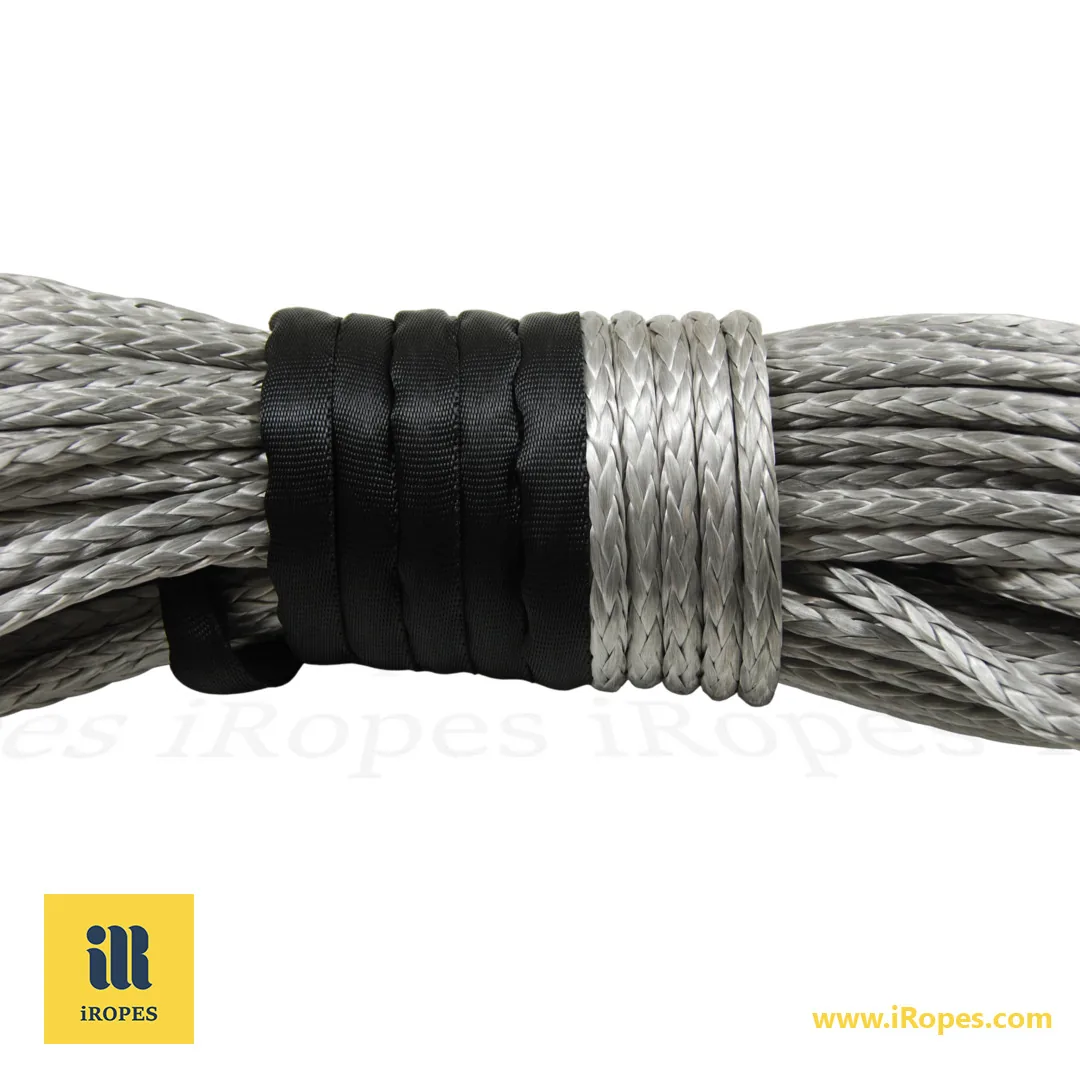
Non‑conductive ropes help isolate electrical hazards, a 1‑inch steel winch line has a breaking strength of 85 400 lb, and a 1‑inch nylon rope has a breaking strength of 22 600 lb – all ready for OEM customisation.
≈ 4 min read – what you’ll gain
- ✓ Safety boost: non‑conductive ropes reduce electrical risk around live lines when used with proper clearances and PPE.
- ✓ Pull power: 1‑inch steel line delivers an 85 400 lb breaking load, with a 17 080 lb safe‑load at 20 %.
- ✓ Flexibility: 1‑inch nylon rope stretches 8–10 % for shock absorption, with a 4 500 lb safe‑load at 20 %.
- ✓ Brand control: OEM/ODM options for colour, logo, reflective strips, and IP‑protected packaging.
Many off‑roaders still rely on generic steel cables that are heavy and conductive, missing out on lighter, safer custom ropes. By switching to iRopes’ specialised non‑conductive or kinetic ropes, you can reduce recovery weight by as much as 70 % in real‑world builds and work more safely near live lines, all while maintaining pull capacity. We’ll explain the key sizing rules, safety‑factor guidelines, and custom‑branding options you need to tackle demanding off‑road challenges with confidence.
Understanding non conductive rope: safety and applications
After looking at the broad range of off‑road gear, the next step is understanding why a rope that won’t conduct electricity matters. If you’ve ever watched a recovery operation near overhead lines, you’ll know the tension in the line can feel like a hidden hazard. That’s exactly where a non‑conductive rope becomes a lifesaver.

Electrical conductivity in fibres is measured by the amount of current that can travel through the material when a voltage is applied, usually expressed in microsiemens per metre. Natural fibres like cotton allow a measurable flow, whereas synthetic polymers such as polyester, aramid (Kevlar) and ultra‑high‑molecular‑weight polyethylene (Dyneema) have very high electrical resistance and are effectively insulating when clean and dry.
Because these polymers have extremely few mobile charge carriers, the rope remains effectively non‑conductive under load when properly maintained. That characteristic is why you’ll see non‑conductive rope on oil‑rig lifting kits, in offshore wind‑farm maintenance, and, importantly, in any scenario where the rope might brush a live conductor.
“When you’re working near energised lines, the only safe rope is one that cannot become a conduit for electricity. Non‑conductive ropes provide that peace of mind without sacrificing strength.” – Emily Chen, Electrical Safety Engineer
So, can non‑conductive rope be used near power lines? Yes—non‑conductive synthetic ropes help prevent current flow. However, always keep ropes clean and dry, follow required clearances, and wear appropriate personal protective equipment as dictated by local regulations.
Power‑line work
Use non‑conductive polyester or HMPE ropes to reduce electrical risk when recovering vehicles near live lines, and always observe mandated clearance rules.
Oil‑rig environment
Aramid fibres resist oil exposure while remaining electrically insulating, which is crucial for offshore lifts and maintenance tasks.
Construction sites
Dyneema lines combine low stretch with high tensile strength, helping crews work safely around temporary power grids.
Mining operations
Non‑conductive ropes avoid accidental grounding when moving heavy equipment near energised haul‑truck circuits.
Choosing the right material depends on the environment: polyester for general purpose, aramid where heat and oil are concerns, and Dyneema when you need the lightest possible line without sacrificing strength. With that safety foundation in place, the next section reveals how steel rope winches deliver the raw pulling power many off‑roaders rely on.
Steel rope winch fundamentals and strength metrics
With the safety advantages of non‑conductive rope fresh in mind, you’re probably wondering how much raw pulling power a steel rope winch can deliver. The answer lies in the rope’s construction and the numbers that define its limits.
- IPS – Improved Plow Steel: a strength grade for wire rope; higher tensile steel compared with basic grades.
- FC – Fibre Core: a central fibre core adds flexibility but reduces breaking strength versus a steel‑wire core.
- IWRC – Independent Wire Rope Core: a steel wire core that boosts strength and crush resistance under heavy loads.
When you match a 1‑inch steel rope to a winch, the breaking strength is roughly 42.7 tons (85 400 lb). That figure answers the common query, “What is the breaking strength of 1 steel wire rope?” in a single, clear statement. To stay within a safe operating window, most manufacturers recommend using only 20 % of that value as the working load limit – about 17 080 lb for a typical off‑road recovery scenario.
- Pros – exceptional tensile strength, minimal stretch under load, long service life when properly maintained.
- Cons – heavier than synthetic alternatives, susceptible to corrosion if not coated, limited shock absorption during sudden jerks.
In practical terms, a steel rope winch shines when you need to pull a heavily laden 4×4 out of deep mud or drag a trailer up a steep incline. The rope’s low elongation means the winch motor sees almost the full load, translating into faster recovery times. However, that same rigidity can feel harsh on the vehicle’s chassis if the winch is overloaded, which is why many off‑roaders pair steel lines with a soft‑shackle or a kinetic‑rope buffer to tame the initial snap.

Choosing the right steel rope winch line is a balance of weight, durability, and the specific recovery tasks you face. Remember the 20 % rule, weigh the pros and cons, and you’ll have a clear picture of whether a steel rope winch fits your off‑road kit – a decision that shapes the next step, where we compare that power to the strength of a 1 inch nylon rope.
1 nylon rope strength: breaking load and safe usage
After seeing how a steel winch can pull tens of thousands of pounds, the next question many off‑roaders ask is whether a synthetic line can hold the same weight. A standard 1‑inch nylon rope – the size commonly stocked for recovery kits – delivers a breaking strength of 22 600 lb. Applying the industry‑standard 20 % working‑load rule, the safe‑load ceiling sits at roughly 4 500 lb. That figure answers the frequent query, “How strong is 1 inch nylon rope?” with a concise, data‑driven answer.
| Metric | Value |
|---|---|
| Breaking strength | 22 600 lb (≈ 10.2 tons) |
| Recommended safe load (20 % rule) | 4 500 lb |
| Typical stretch under load | 8–10 % |
The 8–10 % elongation isn’t just a number on a spec sheet – it’s the rope’s built‑in shock absorber. When you yank a stuck 4×4 out of deep mud, that stretch smooths the initial snap, protecting both the vehicle’s chassis and the winch’s gears. By contrast, a steel line transmits the full jerk instantly, which can feel harsh and increase the risk of component fatigue.
Safe‑load calculation
To find the maximum weight you can safely pull, multiply the rope’s breaking strength by 0.20. For a 1‑inch nylon line: 22 600 lb × 0.20 = 4 520 lb. Round down to 4 500 lb for a comfortable safety margin.
So how much weight can nylon rope hold in real‑world conditions? It depends on three factors: the rope’s breaking strength, the safety factor you apply, and the dynamic forces during recovery. Using the 20 % rule, a 1‑inch nylon line comfortably manages a 4 500‑lb load, which covers most midsize trucks and many heavy‑duty SUVs. If you’re tackling a 6‑wheel rig or a heavily laden trailer, step up to a thicker diameter or consider a high‑performance Dyneema line.
Remember: never exceed the 20 % working‑load limit, and always inspect the rope for cuts, fraying, contamination, or excessive stretch before each recovery.

With those numbers in mind, you can compare nylon directly to the steel winch line you examined earlier. While steel still out‑pulls nylon in absolute terms, the synthetic rope’s stretch, lighter weight, and ease of handling make it the preferred choice for many everyday recoveries. The next step is to match the right rope to your vehicle’s weight, winch capacity, and the terrain you tackle most often.
Choosing the right off‑road rope system and customization options
We’ve just explored the raw pulling power of steel winches and the exact strength of a 1 inch nylon rope. The next step is turning those numbers into a rope kit that fits your vehicle, your terrain, and your brand. Whether you’re pulling a stuck 4×4 out of mud or setting up a rig on a remote worksite, the right combination of diameter, material and accessories makes all the difference.
Select the Right Rope
Key factors for off‑road recovery
Diameter
Match the vehicle’s weight and winch capacity; larger diameters raise breaking strength while adding a little weight.
Material
Polyester for general‑purpose work, aramid when oil or heat is a concern, and Dyneema/HMPE for the lightest, highest‑tensile lines.
Accessories
Soft shackles, thimbles, or dedicated rigging lines protect rope ends and smooth the initial snap during recovery.
Customize with iRopes
OEM/ODM options that fit your brand
Colors & Branding
Choose corporate hues, add your logo, or apply reflective strips for high‑visibility work at dusk.
Materials & Finish
Select polyester, aramid, Dyneema/HMPE; specify UV‑resistant or oil‑proof treatments for harsh environments.
IP Protection
Full confidentiality on designs, patents and packaging protects your innovations; ISO 9001‑certified manufacturing assures consistent quality.
Maintenance is the silent partner that keeps any rope performing at its peak. After each outing, run a quick visual inspection: look for cuts, fraying, contamination, or any stretch beyond the normal 8–10 % range. Store ropes away from direct sunlight and chemicals. If you run steel cables, wipe them with a light oil coat to fend off corrosion. Following this simple checklist can add years to a rope’s service life, meaning fewer replacements and a better return on your investment.
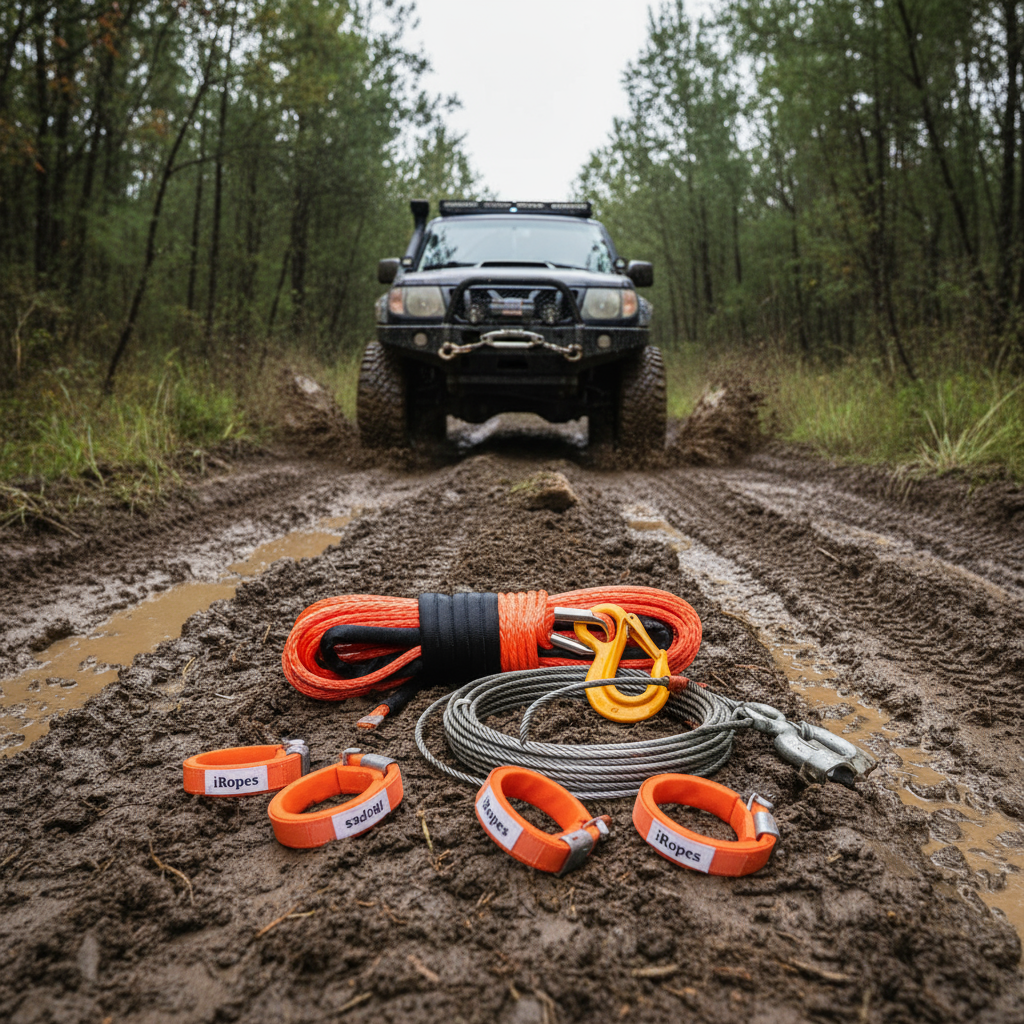
One recent case study illustrates the payoff. A European off‑road dealer needed a lightweight recovery kit for 4×4 fleets because steel cable made transport and handling cumbersome. iRopes supplied an 8 mm Dyneema kinetic rope in a custom colour with branded loops. The kit reduced weight by 70 %, cut recovery time by 30 %, and helped the dealer achieve a 40 % sales uplift.
Pro tip
Inspect rope ends for fraying before every off‑road adventure; a clean splice saves lives.
By weighing diameter, material and accessory choices against your vehicle’s specs, then layering iRopes’ OEM capabilities, you end up with a rope system that feels tailor‑made. The next logical step is to turn those specifications into a quote, so you can get the exact kit on your doorstep and hit the trail with confidence.
Ready for a custom off‑road rope kit?
You've seen how a non conductive rope safeguards work near power lines, how a steel rope winch can deliver over 85 000 lb of breaking load, and why 1 nylon rope strength translates to a safe‑load of about 4 500 lb for most recoveries. iRopes manufactures the complete OFFROAD lineup – winch rope, recovery kinetic rope, nylon rope, soft shackles and rigging line – and offers OEM/ODM customisation of material, colour, branding and reflective features to match your exact requirements, with ISO 9001‑backed quality assurance and dedicated IP protection.
If you’d like personalised advice or a quote tailored to your vehicle and terrain, simply fill out the contact form above and our specialists will help you design the perfect solution.