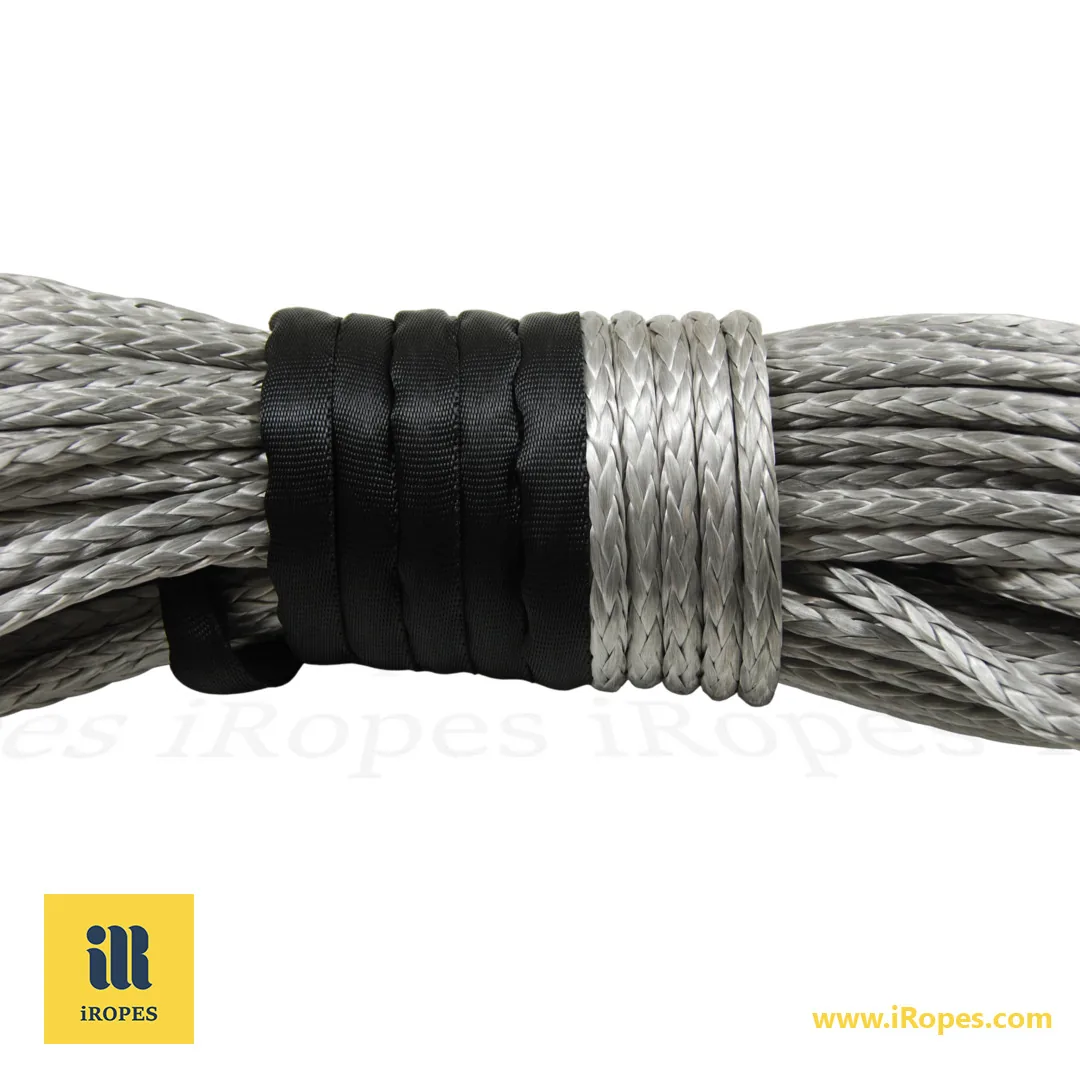
The Belgian‑imported PU coating impregnates the rope, brightening its colour, adding UV protection and delivering a 15‑fold increase in wear resistance.
What you’ll gain – ≈2 min read
- ✓ 15× wear resistance versus uncoated rope – validated in iRopes lab tests.
- ✓ UV‑stabilised performance with > 95 % tensile strength retained after 200 h UV exposure.
- ✓ Spliceability unchanged – 0 % loss in splice strength reported in Maxijacket data; manufactured under an ISO 9001 quality system.
- ✓ Custom colour‑code + reflective options for instant load identification on site.
You’ve probably been told that a standard UV coat is enough to protect your rope, but the reality is many films sit on the surface and can peel under abrasion. What if you could embed a Belgian‑sourced urethane right into every fibre, keeping the line bright, UV‑stable and 15 times more wear‑resistant? In the sections below we’ll show how that protective layer works and why it transforms durability in real‑world use.
maxi jacket coating
After seeing how a single rope failure can halt a project and rack up costly downtime, the logical next question is: what can actually stop that from happening? The answer lies in a specialised protective layer known as the maxi jacket coating, a spliceable urethane shield that wraps the rope without sacrificing flexibility.
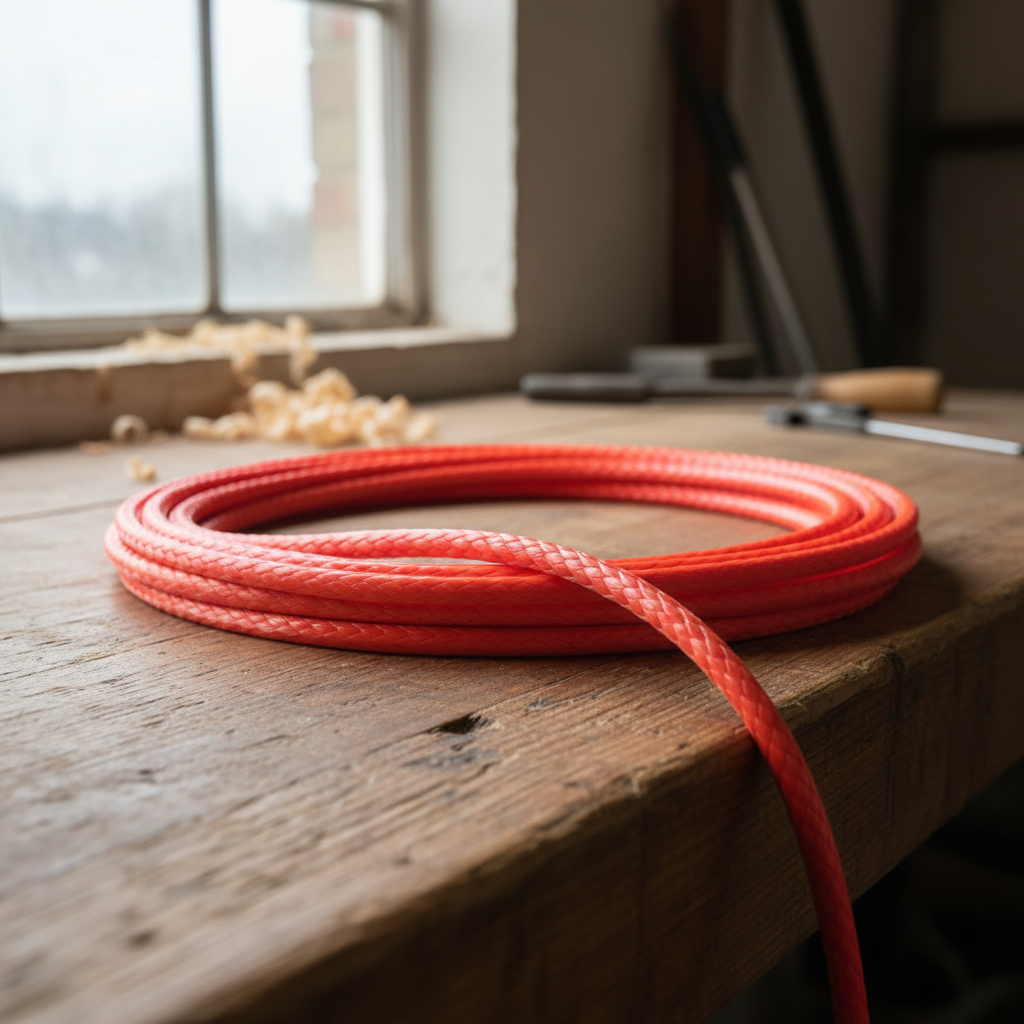
So, what is a maxi jacket coating? It is a thin yet robust urethane coating that is impregnated into every fibre of the rope, creating a uniform barrier that remains spliceable. Because the coating penetrates rather than simply sits on the surface, the rope keeps its original handling characteristics while gaining a protective skin.
The process begins with a Belgian‑imported polyurethane (PU) formulation. The PU is water‑based, allowing it to soak into the rope’s core during an automated dip‑coat cycle. As the liquid penetrates, it brightens the rope’s colour and introduces UV‑stabilisers that block harmful solar radiation. The cured jacket emerges glossy, noticeably more vibrant, and ready to face harsh outdoor conditions.
Performance data from iRopes’ in‑house lab shows a dramatic 15× increase in wear resistance when the maxi jacket is applied. In an ASTM‑compatible abrasion test, the coated rope endured fifteen times more cycles before reaching the wear limit of an uncoated counterpart. That leap translates to significantly longer service in abrasive environments such as off‑road rigs or marine rigging.
- Abrasion resistance – laboratory results confirm a fifteen‑fold improvement over bare rope.
- UV stability – the Belgian PU helps retain colour and tensile strength after prolonged sun exposure.
- Colour‑coding potential – vivid pigments enable instant load‑phase identification on site.
- Spliceability retained – the coating does not compromise splice strength, keeping field repairs straightforward.
“Spliceability lets us repair lines on‑site without sacrificing the 15× wear resistance the coating provides — a genuine advantage for marine operations.” – Senior rigging specialist
Because the maxi jacket coating works hand‑in‑hand with ultra high molecular weight polyethylene rope, you get a combination that is both feather‑light and exceptionally durable. Next, we’ll look at the chemistry behind urethane rope coating and how it extends those benefits in day‑to‑day use.
urethane rope coating
Having seen how the maxi jacket coating adds colour and UV protection, you might wonder what happens when that same Belgian polyurethane is pushed deeper into the fibres. The answer lies in a water‑based formula that penetrates every strand of the ultra high molecular weight polyethylene rope.

The chemistry is straightforward yet powerful: tiny PU particles disperse in water, carry UV‑stabilisers, and infiltrate the rope’s core during a brief immersion. Once the liquid evaporates, the polymer cures into a flexible film that bonds with the fibre matrix, delivering colour stability and strength retention under sunlight.
- Dip‑coat immersion
- 120‑150 °C cure
- Thickness verification
Each step runs under an ISO 9001‑certified quality management system. After curing, laser gauges check coating uniformity and coverage, and a rapid abrasion test confirms the promised fifteen‑fold wear improvement. In plain terms, the rope can withstand the sand‑drag or rigging friction that would quickly ruin an uncoated line.
Durability boost
Urethane rope coating improves durability by creating a seamless barrier that resists abrasion, blocks UV rays, and helps prevent moisture ingress. The result is a line with up to 15× higher wear resistance than bare UHMWPE rope, translating into fewer replacements and lower total cost of ownership for you.
So, how does urethane rope coating improve durability? By marrying a penetrating polymer film with the inherent strength of ultra high molecular weight polyethylene, the coating shields the rope from mechanical wear, harsh sunlight and chemical exposure without sacrificing spliceability. You end up with a rope that feels as supple as the original fibre but lasts longer in demanding environments.
Now that the coating chemistry is clear, the next step is to examine the core material it protects – the ultra high molecular weight polyethylene rope itself.
ultra high molecular weight polyethylene rope
After exploring how urethane rope coating wraps a line in a protective skin, it’s time to look at the fibre that makes the whole system so light yet so strong. The ultra high molecular weight polyethylene rope you’re about to specify is the same material commonly known by brands such as Dyneema and Spectra, and used in high‑performance marine and rescue lines.
At a molecular level UHMWPE consists of ultra‑long polymer chains that align during the drawing process. This alignment creates a fibre with a strength‑to‑weight ratio seven to nine times higher than steel when compared by weight. In plain language, a rope that feels as thin as a garden hose can lift the same load as a steel cable that would weigh several kilograms more.

Key properties make UHMWPE a favourite across demanding sectors. Low stretch (typically < 2 %) keeps your rig geometrically stable. UV‑stabilised fibres resist sun‑induced degradation, while the polymer’s inherent chemical resistance shields it from salts, oils and many solvents. When you pair this core with the maxi jacket coating you saw earlier, you get a rope that looks brighter, lasts longer and still splices like a conventional line.
So, what are the advantages of UHMWPE over steel cable? First, the strength‑to‑weight ratio is dramatically higher, reducing dead weight on ships, cranes or rescue gear. Second, the rope exhibits very low stretch, giving predictable tension. Third, steel corrodes in salty or humid environments, whereas UHMWPE is intrinsically resistant to rust and most chemicals. Finally, with a protective urethane coat, service life in marine use can reach 5–10 years versus 1–2 years for uncoated rope, delivering a clear ROI when conditions and maintenance are well managed.
Coated UHMWPE
Lightweight & resilient
Strength
7‑9× stronger than steel by weight, delivering high tensile capacity in a thin profile.
Stretch
Less than 2 % elongation, keeping load geometry stable.
Resistance
Built‑in UV and chemical protection, extending service life.
Steel Cable
Traditional but heavy
Weight
Significantly heavier, reducing payload efficiency.
Corrosion
Susceptible to rust in salty or humid environments.
Flexibility
Limited flexibility, making handling and splicing more cumbersome.
UHMWPE outperforms steel cable by offering up to nine times the strength‑to‑weight ratio, very low stretch, and inherent resistance to UV and chemicals, meaning you replace the line far less often.
When you combine the ultra high molecular weight polyethylene rope (see why UHMWPE is replacing steel cable) with the urethane rope coating you explored earlier, you end up with a line that is not only lighter than steel but also far tougher under abrasion, sunlight and chemical exposure. The next logical step is to see how you can customise the rope for your exact application and install it for maximum lifespan.
Choosing & Applying Coated UHMWPE Rope
Now that you’ve seen how ultra high molecular weight polyethylene rope performs under a maxi jacket coating, the next step is to match the line to your exact application. Picking the right diameter, colour‑code and accessories ensures the rope not only meets the load requirements but also integrates smoothly into your workflow. For marine projects, you can also explore our guide on mastering marine rope fittings with iRopes to ensure optimal installation.
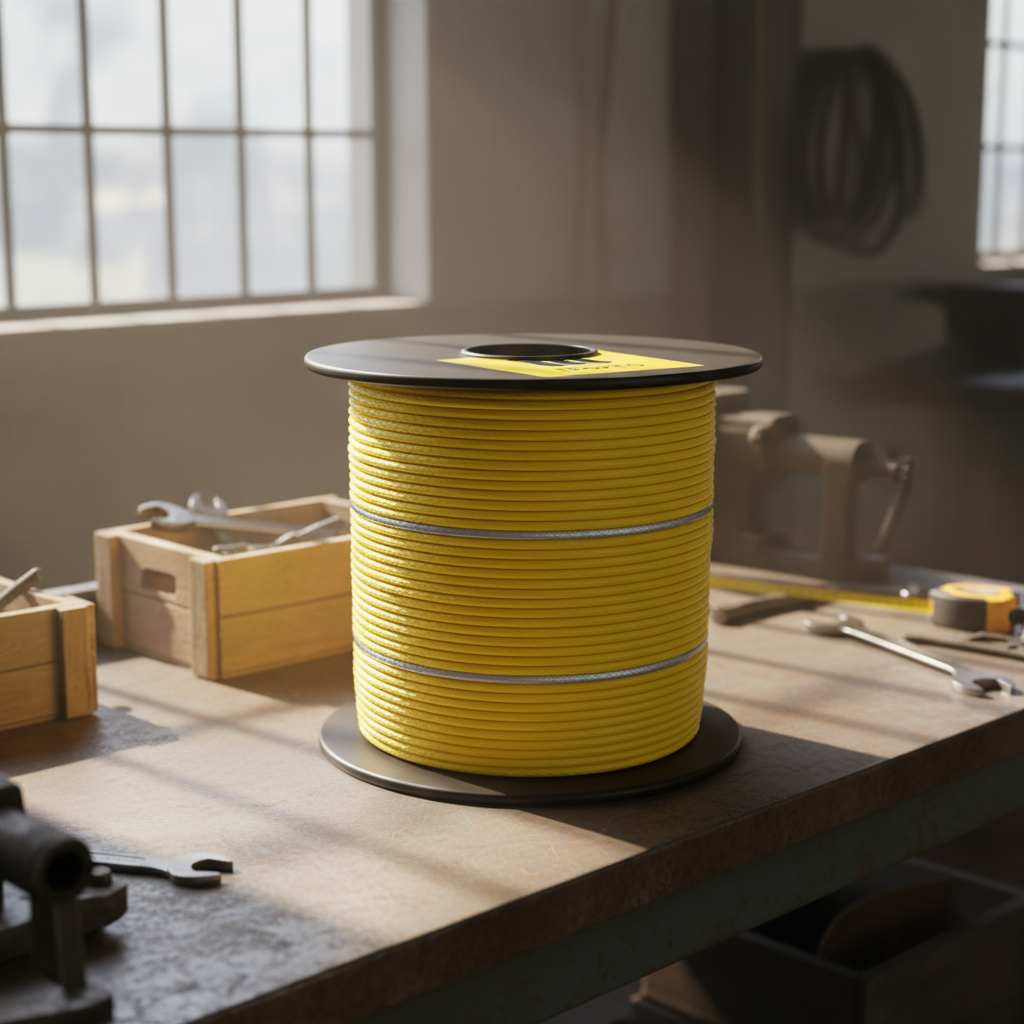
iRopes offers a straightforward checklist so you can visualise every option before you place an order:
- Diameter – choose from 4 mm up to 30 mm to suit the required load class.
- Colour‑code – standard palette plus custom pigments for instant load‑phase identification.
- Reflective elements – add glow‑in‑the‑dark or reflective elements for night‑time visibility.
- Core type – parallel‑core, braided‑core or hybrid constructions depending on flex rating.
- Accessories – loops, thimbles and terminations tailored to your installation.
- Packaging – non‑branded bags, colour boxes or bulk cartons, all with optional branding.
As an OEM/ODM rope manufacturer, iRopes can align designs with your branding, protect your IP throughout development, and ship pallets directly to your location worldwide — all under an ISO 9001‑certified quality system.
When it comes to putting the rope on site, the same urethane rope coating that gave you the colour boost also keeps the line spliceable. In practice, you use the standard splicing tools you already own; the coating’s penetration means the splice joint retains its original strength, with laboratory tests showing no measurable loss. For routine care, a gentle rinse with fresh water and a mild soap keeps the surface clean — avoid aggressive solvents — and schedule a re‑coat every three to five years if the rope works in highly abrasive conditions.
From a financial perspective, the enhanced durability translates into tangible savings. Because the coating dramatically reduces wear, you replace the line far less often, cutting material costs and downtime. When you factor in the lower frequency of inspections and the reduced labour for splicing, many users report a 30‑50 % reduction in total ownership expense over a typical five‑year horizon.
Options
Diameter, colour‑code, reflective strips, core type and packaging can be combined to create a rope that mirrors your project’s exact specifications.
Tailor
Add brand logos, special UV‑enhanced pigments or custom colour blends to reinforce safety and corporate identity.
Splice
Standard splicing techniques work unchanged; the coating stays flexible, preserving joint strength.
Care
Rinse with fresh water, mild detergent if needed, and plan a re‑coat cycle based on the harshness of the environment.
Bottom‑Line
High wear resistance can cut rope‑replacement costs by up to 50 % over a five‑year period.
Armed with the customisation checklist, the simple splicing routine and a clear picture of the ROI, you’re ready to request a tailored quote or download the full spec sheet — the next logical move before your project’s deadline. Our UHMWPE blue rope showcases the strength and durability you can expect.
You’ve seen how the Belgian‑imported PU creates a seamless maxi jacket coating that impregnates the fibres, delivering a brighter, UV‑stable surface and a 15‑fold boost in wear resistance. Coupled with a robust urethane rope coating and the feather‑light ultra high molecular weight polyethylene rope core, the system offers steel‑like strength, minimal stretch and long‑term durability for off‑road, marine or industrial applications.
Request a personalised coating and rope solution
If you’d like expert advice on selecting the right diameter, colour‑code or reflective options, simply fill out the form above and our iRopes specialists will tailor a solution to your project.