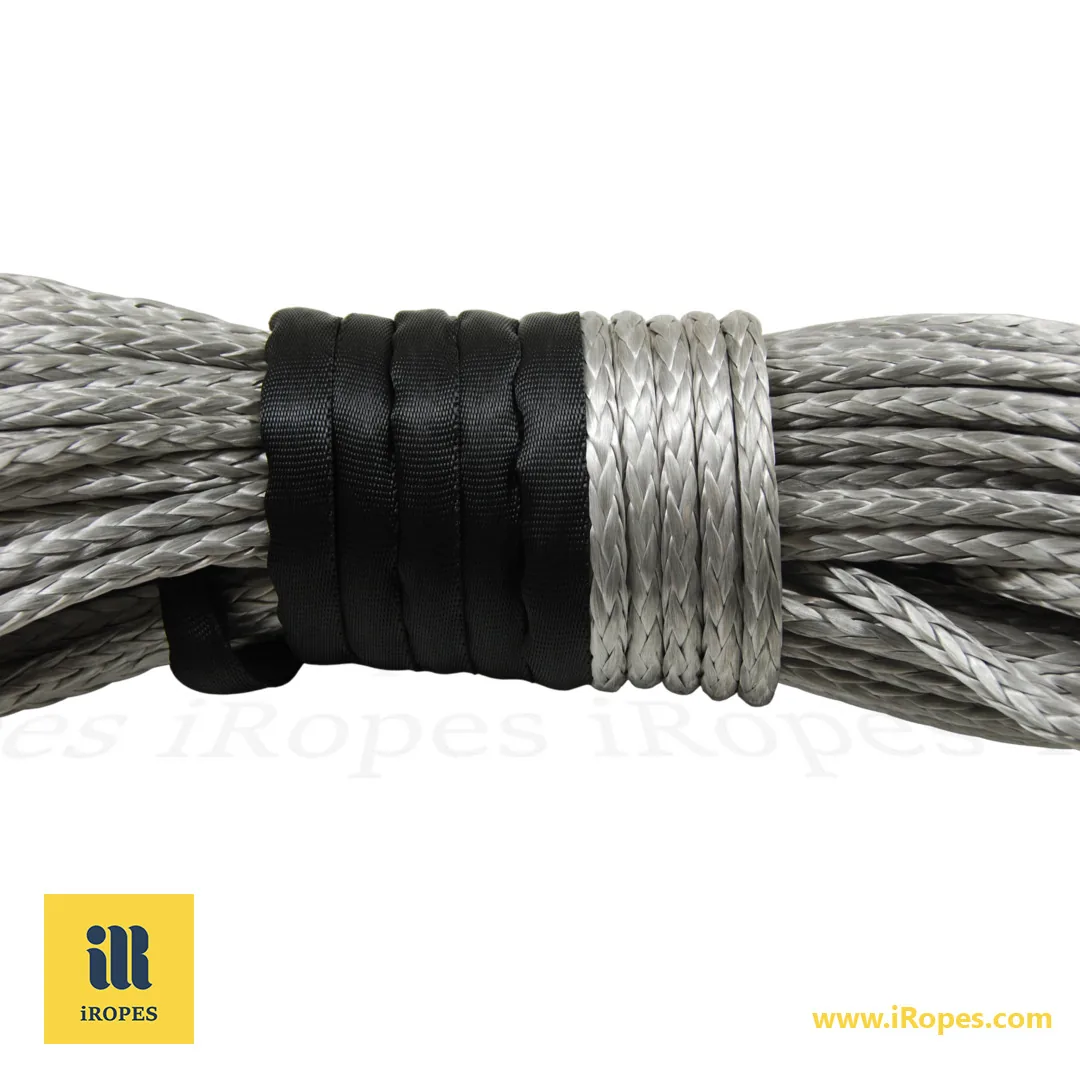
UHMWPE delivers up to 5× higher strength‑to‑weight than 6 mm steel cable, dropping the line weight to as little as 3 kg/100 m versus 12.5 kg for steel.
Quick win – read in 2 min
- ✓ Cut transport weight by up to 75 % (3 kg vs 12.5 kg/100 m), reducing shipping and handling costs.
- ✓ Increase payload capacity on off‑road recovery rigs by shedding dead weight from the line.
- ✓ Reduce corrosion‑related maintenance and improve handling safety; UHMWPE does not rust and is easier to splice. Use chafe guards and UV‑stabilised jackets where required.
- ✓ Access full OEM/ODM customisation with IP‑protected branding, colour‑coded packaging and specialised accessories.
Most engineers still reach for 6 mm steel cable, assuming its metal strength guarantees the best performance. Yet the data shows UHMWPE delivers up to five times the strength‑to‑weight ratio while shedding about 75 % of the mass, a game‑changer for off‑road recovery and lifting rigs. In the sections below we’ll dissect the numbers, construction nuances, and cost trade‑offs so you can decide whether to stay steel‑bound or switch to the lighter, stronger synthetic.
6mm steel cable – Characteristics and Comparison with UHMWPE
When you need a line that can pull a tonne‑weight vehicle out of mud yet survive a day’s worth of rain, you often start by looking at a 6 mm steel cable. It is a compact, multi‑strand assembly designed for high‑load tasks such as off‑road recovery, industrial lifting and plant‑support systems. Typical performance metrics include a breaking load around 1,350 kg and a weight of roughly 12.5 kg per 100 m, giving it a solid strength‑to‑weight ratio for heavy‑duty work.

Strength data
How strong is 6 mm wire rope? The key figures are summarised below, giving you a quick reference for design and safety calculations.
| Property | Value |
|---|---|
| Weight (per 100 m) | 12.5 kg |
| Minimum breaking load (MBL) | 1,356 kg |
Applying a typical safety factor of 5, the recommended working load limit is about 270 kg.
- Diameter range – many riggers call smaller diameters “cable” and larger ones “rope”; definitions can vary by region and supplier.
- Construction style – steel cable may be single‑ or multi‑strand; wire rope is typically multi‑strand with a defined core to meet rope‑grade specifications.
- Typical applications – both terms overlap in practice; the chosen construction (e.g., 7×19 vs 6×36) determines flexibility, fatigue resistance and load capacity.
Compared with UHMWPE, the steel version offers superior abrasion resistance and retains its strength at elevated temperatures, but it weighs considerably more and can rust if not properly coated. As you move to projects that value ultra‑light weight and high tensile strength—such as portable off‑road winches or marine lifting—UHMWPE’s 3–5× higher strength‑to‑weight ratio often tips the balance. In the next part we’ll look at how different strand constructions, like 6×36 versus 6×37, influence these trade‑offs.
6mm steel rope – Construction Types, Performance and UHMWPE Alternatives
Building on the basic characteristics, the way the strands are arranged makes a huge difference in how a 6 mm steel rope behaves under load. The most common configurations you’ll encounter are 6×36, 6×37 and 7×19, each offering a distinct balance of strength, flexibility and cost.
6×36
Six strands, thirty‑six wires each – a classic layout that delivers reliable load capacity at a modest price point.
6×37
One extra wire per strand raises the minimum breaking load by about 2–3 % and improves fatigue resistance, though it costs a little more.
7×19
Seven strands with nineteen fine wires each create a very supple rope, ideal for applications that demand tight bending radii.
The table below summarises the key mechanical figures for each construction. All values are aligned with EN 12383‑4 testing practice and assume a standard safety factor of five.
| Construction | Weight / 100 m | Minimum Breaking Load (kg) | Working Load Limit (kg) |
|---|---|---|---|
| 6×36 | 12.5 kg | 1,350 kg | 270 kg |
| 6×37 | 12.5 kg | 1,400 kg | 280 kg |
| 7×19 | 12.5 kg | 600 kg | 120 kg |
So, what really sets 6×36 apart from 6×37? The extra wire in the 6×37 design adds a modest boost in tensile strength and gives the rope a slightly higher fatigue life, which matters when you’re repeatedly winching a vehicle out of mud. The trade‑off is a marginal increase in cost.
- Choose 6×36 for budget‑friendly projects where extreme flexibility isn’t critical.
- Select 6×37 when you need that extra safety margin on repetitive lifts.
- Opt for 7×19 if your winch operates in tight spaces and you value a rope that bends easily.
When you compare these steel options with a high‑modulus polyethylene (UHMWPE) line, the synthetic alternative shines in two areas that matter most on an off‑road site or a lifting platform. First, UHMWPE delivers roughly three to five times the strength‑to‑weight ratio, meaning a 6 mm‑equivalent UHMWPE rope can weigh as little as 3 kg per 100 m while still handling loads over 1,300 kg. Second, its supple handling makes it easier to spool on compact winches and reduces operator fatigue; use chafe protection around sharp edges.
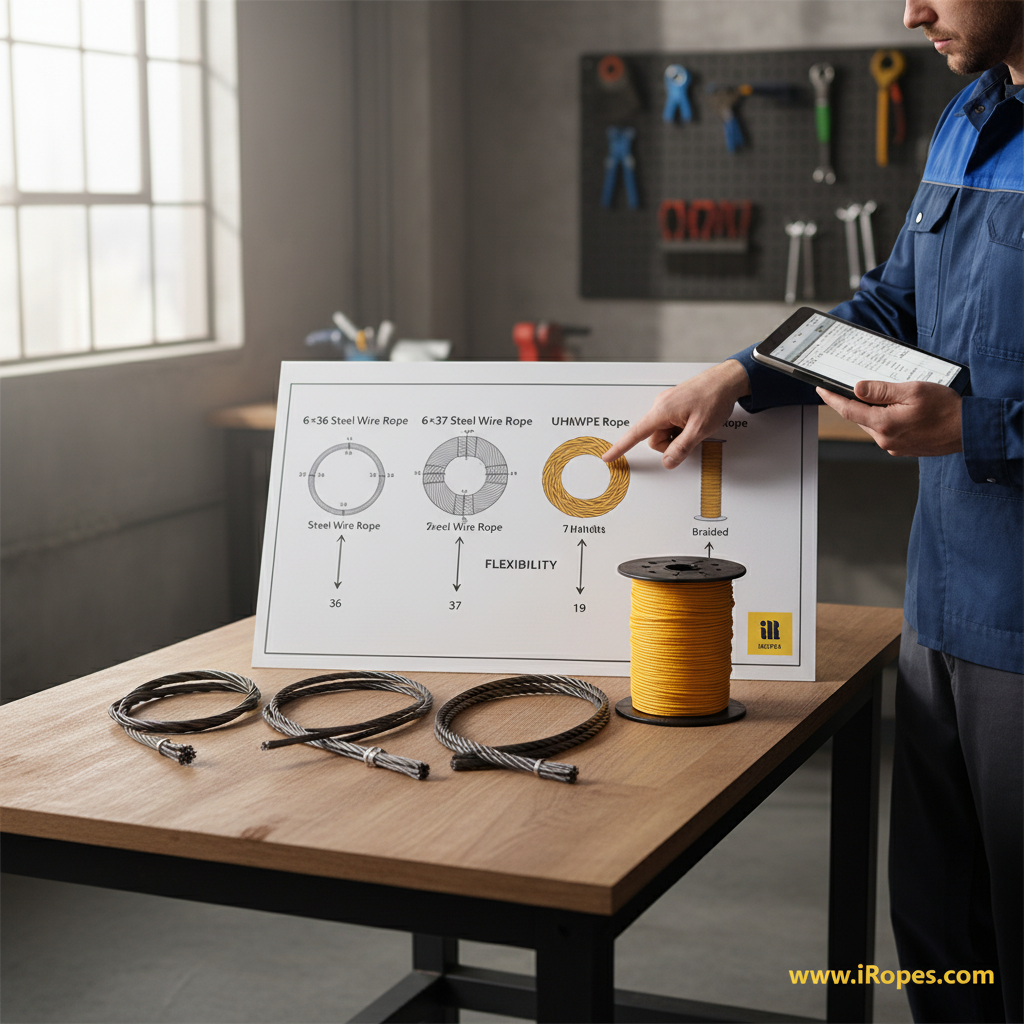
If you’re planning a recovery rig that must be portable, the weight savings of UHMWPE often outweigh the higher material cost. For a permanent lifting system in a corrosive environment, a stainless‑steel 6×37 rope offers excellent corrosion resistance and durability, especially when paired with proper maintenance.
Understanding these construction nuances lets you match the rope to the job, whether you stay with a classic 6 mm steel rope or move toward a lighter UHMWPE solution.
6mm steel wire – Pricing, Buying Guide and When to Choose UHMWPE
Now that you’ve seen how strand construction influences performance, the next question is — what will it cost you and when does a synthetic alternative make more sense? In practice, the decision often comes down to three variables: the price you pay per metre, the total cost of ownership over the product’s life, and the specific conditions your job site presents.
“A five‑to‑one safety factor is common rigging practice: Working Load Limit = Minimum Breaking Load ÷ 5.” – Southeast Rigging, 2022
Typical market rates for a 6 mm steel wire fall between $1.10 and $6.50 per metre (USD), depending on the coating and finish. Galvanised grades cluster at the low end, while stainless‑steel 316 or alloy‑coated variants sit near the top. Bulk purchases of 500 m or more usually trigger a 10–15 % discount, and many distributors waive shipping once the order exceeds a pallet‑size threshold.
By contrast, a comparable‑strength UHMWPE rope commonly costs more per metre. However, the dramatic reduction in dead weight—about 3 kg per 100 m versus 12.5 kg for the steel version—can offset the purchase price when you factor in easier handling, lower fuel consumption for portable winches, and fewer structural reinforcements on lifting frames.

When you decide which line to specify, keep three practical criteria in mind:
- Load requirement – calculate the working load limit you need and compare it with the manufacturer’s minimum breaking load; a safety factor of five is the industry norm.
- Operating environment – coastal or chemical‑exposed sites favour stainless‑steel or well‑coated steel; hot, abrasive or sharp‑edged environments also suit steel. Dry, weight‑sensitive jobs with frequent handling often favour UHMWPE.
- Flexibility demand – portable winches and tight‑radius spools benefit from the supple nature of UHMWPE, while static rigging can tolerate the stiffer steel cable.
Beyond the rope itself, iRopes offers a full suite of accessories to finish your system. You can order thimbles, eye‑hooks, and custom‑machined crimping tools that match the exact diameter of your 6 mm wire. For brands that need a distinct look, we provide OEM/ODM packaging options—colour‑coded bags, printed cartons, or non‑branded cartons—and even bespoke branding on the rope. All custom work is protected by our ISO 9001‑backed IP protocols. We also ship pallets directly to your location worldwide for fast, reliable fulfilment.
Finally, let’s answer one of the most common queries that pops up in search results.
- Off‑road recovery – pulling stalled vehicles out of mud or sand.
- Heavy lifting – hoisting loads on construction sites or marine decks.
- Rigging & anchoring – securing temporary structures or safety lines.
- Fencing & livestock control – tensioning wire fences on farms.
- Plant supports & trellising – horticulture lines and garden structures.
- Marine winches – handling cargo on boats where corrosion resistance matters.
With the price brackets, selection checklist, and accessory catalogue laid out, you can now weigh the immediate expense against the longer‑term benefits of either material. If your projects demand ultra‑light weight, high‑strength performance, and easy handling, UHMWPE rope is a logical step forward. Conversely, when heat, abrasion or sharp edges are paramount, a well‑specified 6 mm steel wire remains a solid, cost‑effective choice.
Ready for a personalised rope solution? Connect with our experts below
The article has shown how UHMWPE outperforms traditional 6mm steel cable in weight and tensile strength, and it resists corrosion. However, steel retains clear advantages in abrasive, high‑temperature and UV‑exposed environments, so the best choice depends on your application.
When a project calls for the proven durability of a 6mm steel rope or the precise dimensions of a 6mm steel wire, iRopes can supply OEM/ODM customisations, branded or non‑branded packaging and full IP protection, ensuring the line matches your exact load and environmental requirements while you benefit from our ISO 9001 quality assurance.
Complete the form above and our team will help you design the optimal rope—whether you’re shifting to UHMWPE or fine‑tuning a steel product—to suit your unique application.