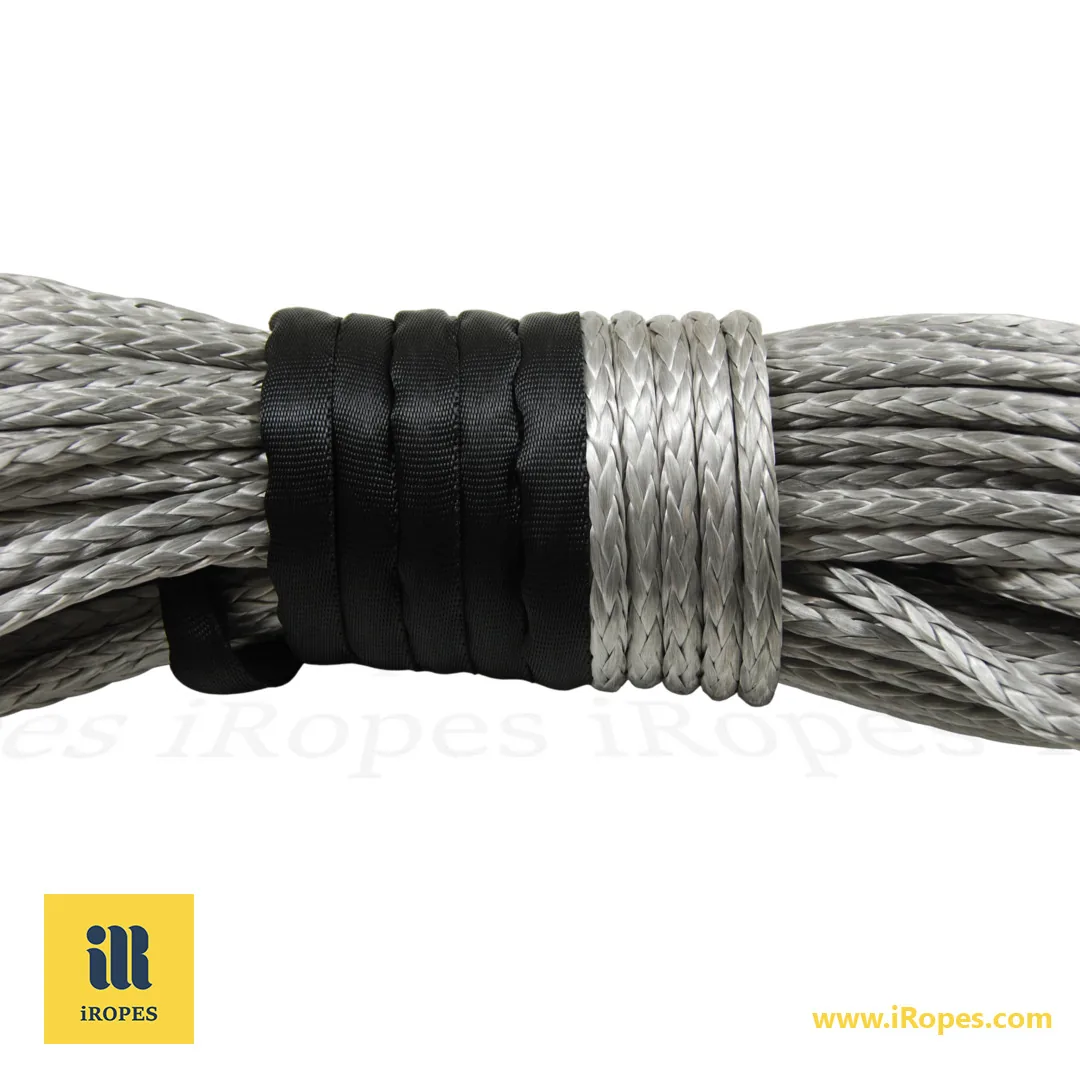
Double‑braided safety ropes deliver up to 30% more breaking strength than comparable 3‑strand lines while keeping stretch under 4%.
Key Gains – ≈5 min read
- ✓ Cut inspection time by 40% with predictable stretch limits.
- ✓ Boost worker safety: a ½‑inch (12 mm) double‑braided rope meets EN 363 WLL of 1,200 kg.
- ✓ Reduce replacement costs – abrasion resistance lasts ≈ 1.8 × longer than 3‑strand.
- ✓ Tailor colour, reflectivity & branding — no extra tooling fee.
Most sites still reach for the cheapest 3‑strand rope, believing strength alone ensures crew safety. However, ignoring construction can significantly shorten a rope’s life and expose hidden stretch-risks under load. In the following sections, we will unpack why double‑braiding outperforms the ‘good enough’ myth, detail the exact specifications you need, and reveal how iRopes can deliver a customised solution that eliminates those hidden hazards.
Understanding Safety Rope: Definitions and Core Benefits
A safety rope is a purpose‑engineered line designed to arrest falls and secure loads in demanding environments. Its core role is simple: to provide a reliable attachment point that stops a worker’s descent before injury can occur, while also holding equipment steady during critical operations.
The primary safety functions of a safety rope include fall arrest, load restraint, and anchorage support. By converting kinetic energy into controlled tension, the rope prevents sudden impacts and maintains system stability. When selecting a safety rope, engineers rely on key performance metrics such as breaking strength, diameter, and working load limit (WLL). Breaking strength measures the maximum force a rope can endure before failure. The WLL, on the other hand, represents the safe working capacity after applying a safety factor, typically one-fifth of the breaking strength.

A safety line rope is a specific category incorporating these principles, but it often features a longer continuous run for horizontal or vertical lifelines. While many safety ropes use double‑braided cores for maximum durability, a 3 strand rope offers a lighter alternative for certain applications where weight savings are critical.
A reliable safety rope is the silent guardian on any worksite; when it holds, accidents stop before they start, protecting lives and equipment alike.
Safety ropes are indispensable across various sectors. For instance, in construction and roofing, workers rely on safety ropes for personal fall arrest systems on high-rise projects. In arboriculture and tree work, ropes secure climbers and support rigging while navigating branches. Marine and yachting applications also extensively use safety ropes, serving as anchor lines and rescue lifelines in harsh offshore conditions.
Safety Line Rope Construction and Why Double‑Braiding Matters
Building on the fundamentals of safety rope performance, the next step is to examine the anatomy of a safety line rope. A safety line rope typically consists of an inner core made from tightly parallel yarns, a protective outer sheath braided around the core, and an optional waterproof cover. This double‑braided arrangement creates a seamless line that can span long horizontal or vertical distances while maintaining a consistent load‑bearing profile.
The double‑braided structure brings three practical advantages. Firstly, the intertwined sheath shields the core from abrasion, extending its service life in rough environments. Secondly, the braid’s texture offers superior knot‑holding ability, meaning knots stay secure even after repeated loading cycles. Thirdly, this construction limits elastic stretch, providing a more predictable response when a worker is arrested by the line.
When selecting a rope for lifeline applications, the industry often cites a minimum diameter of ½ inch (12 mm). This size balances the need for sufficient breaking strength with manageable weight and flexibility, and it aligns with most safety standards for rescue and fall‑arrest systems.
Compared with twisted or traditional three‑strand ropes, double‑braided lines exhibit markedly lower elongation under load and superior resistance to chafing. While a twisted rope may be lighter and easier to splice, it tends to retain more stretch and offers weaker knot security, making it better suited to temporary rigging rather than permanent lifelines.
Understanding these construction nuances helps engineers match the rope to the specific demands of a site. Whether the goal is to minimise stretch for precise positioning or to maximise durability for a high‑traffic anchorage, double‑braided ropes offer clear advantages. The next section will translate this knowledge into criteria for choosing the right customised safety rope for diverse industries.

Why Double‑Braiding Wins
Enhanced abrasion resistance, reliable knot retention, and minimal stretch make double‑braided safety line ropes the preferred choice for permanent lifelines, heavy‑duty anchorage, and high‑frequency rescue operations.
3 Strand Rope Overview: When and How It Fits into Safety Applications
While double-braided ropes offer superior performance for many demanding applications, the three‑strand rope remains a pragmatic choice when weight savings are crucial without compromising essential strength. Its simple twisted construction delivers a balance of durability and handling ease that many industries still rely on for critical connections.

A three‑strand rope is also referred to as a laid rope or twisted rope. The term describes the three individual yarn bundles that are twisted together in a right‑hand lay, creating a line that is both easy to splice and relatively lightweight.
When selecting a rope for an anchor line, professionals often prefer a nylon‑based 3‑strand rope. Nylon offers high tensile strength, a modest amount of stretch that absorbs shock, and excellent UV resistance. These qualities make it well‑suited to the marine environment, where anchor lines endure constant exposure.
Compared to other constructions like four‑strand ropes, three‑strand ropes offer distinct characteristics:
- Weight – three‑strand ropes are typically lighter than comparable four‑strand variants.
- Durability – four‑strand ropes tend to outlast three‑strand ones under abrasive conditions.
- Flexibility – three‑strand ropes flex more readily, aiding handling and splicing.
Because of these characteristics, three‑strand ropes excel in specific applications where agility and modest load capacity are prized.
Lightweight
Three-strand construction reduces overall mass, allowing crews to transport longer lengths without excessive bulk.
Easy Splicing
The simple twist pattern lets technicians create secure splices quickly, a vital advantage on remote job sites.
Anchor Lines
Marine-grade nylon three‑strand ropes provide the right blend of strength and elasticity for secure anchoring.
Lightweight Rigs
For temporary rigging in arboriculture or construction, the reduced weight eases handling while still meeting safety standards.
Understanding when a three‑strand rope aligns with project requirements helps engineers optimise both performance and cost. These insights are crucial for translating specifications into a custom safety rope that matches the unique demands of each industry.
Choosing the Right Custom Safety Rope for Your Industry
Building on the overview of rope constructions, the next critical step is to match the rope’s core material and finish to the exact demands of your operation. Whether you are protecting workers on a construction site or securing a vessel’s anchor line, the right combination of fibre, diameter, and accessories makes the difference between a reliable safety rope and an unwanted failure.
Materials
Match performance to environment
Nylon
High tensile strength with stretch that absorbs shock, ideal for marine anchor lines and dynamic fall‑arrest systems.
Polyester
Low elongation and excellent UV resistance, perfect for permanent lifelines exposed to sunlight.
Polypropylene
Lightweight and naturally buoyant, suited for water-based rescue rigs and floating applications.
Custom Options
Tailor every detail
Diameter
From ½ inch (12 mm) up to 1 inch, selected to meet required breaking strength and handling preferences.
Colour & Reflectivity
Bright hues or reflective strips improve visibility on site and reinforce branding.
Accessories
Add loops, thimbles, rope grabs, or specialised terminations to create a complete safety system.
Every batch leaves our factory under ISO 9001 quality-assurance protocols, meaning the safety rope you receive complies with global standards such as EN 363 and OSHA-approved load limits. Our engineers also perform a final visual and tensile test to guarantee that the rope’s breaking strength aligns with the declared working load limit.
iRopes offers comprehensive OEM and ODM services. If you need a rope that fits a specific safety line rope diameter, a unique colour scheme, or an integrated reflective element, simply request a quote. Our teams will work with you from material selection through packaging, protecting your intellectual property while delivering a product that matches your exact specifications.
This article has highlighted how a double‑braided safety rope delivers superior abrasion resistance, reliable knot retention, and minimal stretch, making it the preferred choice for permanent lifelines and high‑frequency rescue work. While the 3 strand rope can be a lightweight alternative for anchor lines and temporary rigs, the double‑braided construction remains the benchmark for demanding safety applications. By matching material, diameter, colour, and accessories to your industry’s exact standards, you can ensure compliance, durability, and brand consistency.
For projects that require precise lengths and branding, explore our custom‑engineered rope solutions.
Need a Custom‑Engineered Solution?
If you'd like personalised assistance selecting the right safety rope, safety line rope, or even a specialised 3 strand rope, simply fill out the form above and our experts will help you design the perfect solution.