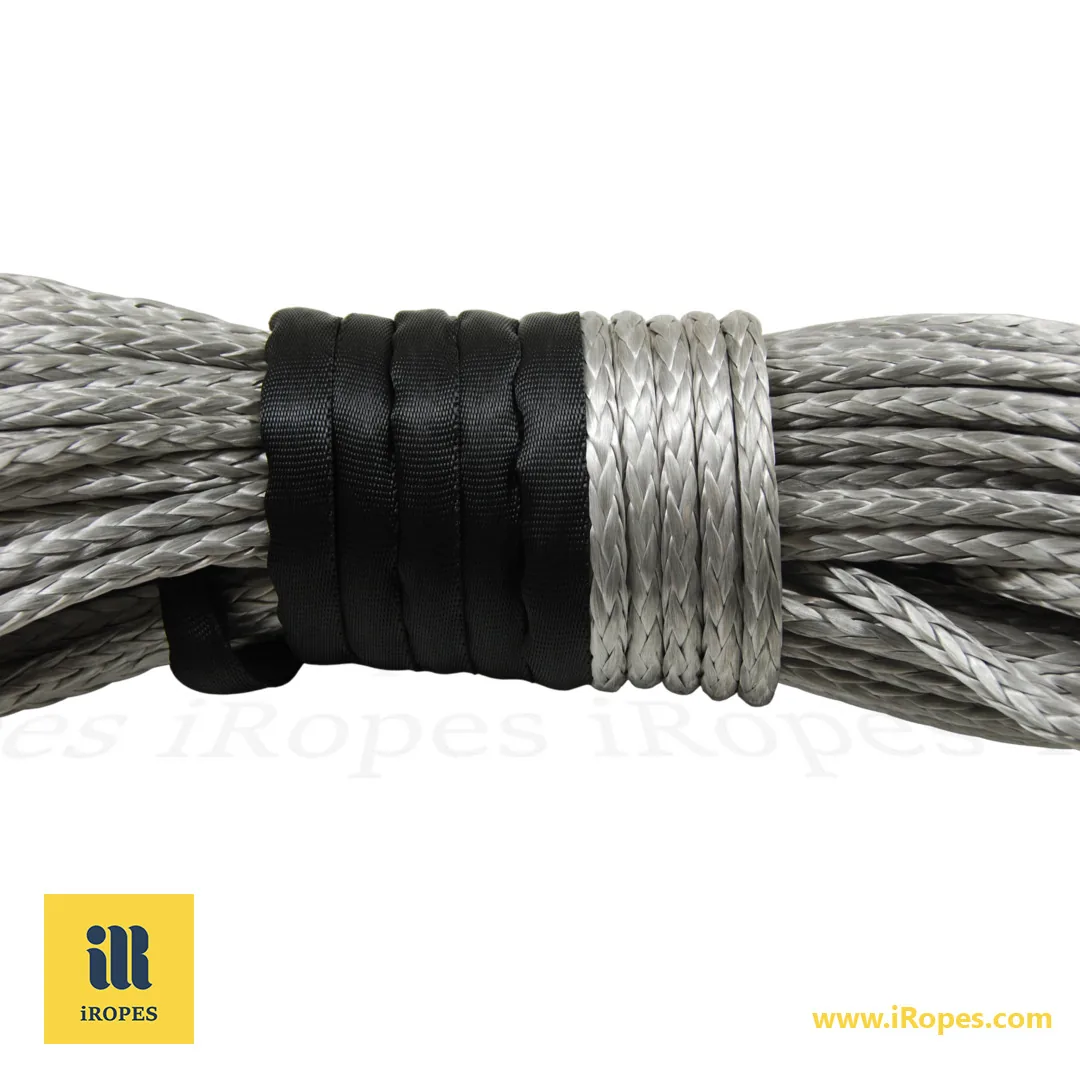
3‑strand nylon twist ropes give you roughly 20 % more breaking strength than an equivalent 2‑strand — for example, at ½‑in (12 mm) a 3‑strand typically rates around 5,750 lb.
4 min read – What you’ll gain
- ✓ 20 % higher breaking strength for the same diameter (½‑in 3‑strand ≈ 5,750 lb)
- ✓ Higher load capacity with similar handling and weight
- ✓ UV‑resistant nylon‑6.6 options improve service life in marine exposure
- ✓ Custom OEM/ODM options (colour, branding, construction) with ISO 9001 quality; typical lead times from 4–6 weeks
Most mariners instinctively reach for the lightest line, assuming a 2‑strand twist is the sweet spot for dock work. Yet the data shows the 3‑strand rope twist consistently outperforms it in strength, durability and shock absorption—without a noticeable change in handling. In the sections that follow we’ll explain why the extra strand matters, and how to choose between a 2 strand twist rope and a 3 strand rope twist for shore applications.
Understanding the 2 strand twist rope: construction and core benefits
Before comparing performance, it’s useful to start with the simpler 2‑strand twist rope and see why it remains a favourite for light‑duty shore applications.

A 2‑strand twist rope begins with two long yarn bundles twisted in opposite directions to form a balanced lay. Many ropes are heat‑set to stabilise the twist and improve handling. In twisted constructions the strands themselves form the rope’s surface — there is no separate outer sheath.
The flexibility of this construction means the rope can be laid out quickly, tied with simple hitches, and stored on small spools. Typical light‑duty uses include temporary dock lines for small yachts, trailer tie‑downs, and camping‑gear retrieval lines where weight and manoeuvrability matter more than maximum load capacity.
Quick answer to a common query: rope twist is a broad term for any rope made by twisting fibres, while a 2‑strand twist rope is a specific style that uses exactly two strands. In other words, all 2‑strand ropes are rope twists, but not all rope twists are 2‑strand.
“Our 2‑strand nylon twist ropes deliver the handling ease sailors expect while meeting everyday dock‑work requirements.” – iRopes Engineering Team
Below are indicative breaking‑strength figures for common diameters of a 2‑strand nylon twist rope. They are estimated at ~20 % lower than typical 3‑strand numbers of the same diameter; actual results vary by specification and manufacturer.
- ¼ in (6 mm) – breaking strength ≈ 1,190 lb (540 kg); ideal for small dinghies or light dock lines.
- ⅜ in (10 mm) – breaking strength ≈ 2,670 lb (1,210 kg); suits medium‑size yachts and tie‑downs.
- ½ in (12 mm) – breaking strength ≈ 4,600 lb (2,085 kg); adequate for larger vessels in fair conditions.
When you weigh the options, the 2‑strand design delivers easy handling and good flexibility, while offering adequate strength for many shore‑line scenarios. Next, we’ll see how adding a third strand takes those numbers a step further and broadens the use cases.
Comparing the 3 strand rope twist: strength and performance advantages
Building on the handling benefits of 2‑strand ropes, the addition of a third strand turns a flexible line into a reliable workhorse. When a marina needs a dock line that can absorb sudden gusts without failure, the extra strand often makes the difference.

The 3‑strand rope twist uses three bundles of high‑tenacity nylon yarn, each twisted opposite its neighbour to create a balanced lay that resists untwisting under load. After twisting, the rope is heat‑set to lock the fibres in place and enhance dimensional stability.
- Three yarn bundles are aligned side‑by‑side.
- Strands are twisted alternately clockwise and counter‑clockwise.
- The twisted rope is heat‑set to stabilise the lay.
Because the third strand shares the load, the rope achieves roughly a 20 % increase in breaking strength compared with a 2‑strand of the same diameter. For example, a ½‑in (12 mm) 3‑strand nylon line is typically rated at about 5,750 lb (2,610 kg), giving a safe working load of roughly 575–1,150 lb depending on the safety factor used. In contrast, an equivalent 2‑strand version is commonly around 20 % lower (≈ 4,600 lb).
Answering a common query directly: the breaking strength of a 1/2‑in 3‑strand nylon rope is approximately 5,750 lb, with a typical safe working load in the 575–1,150 lb range depending on application and safety factor.
Higher Load
Up to ~20 % more breaking strength allows larger vessels to secure safely without upsizing diameter.
Shock absorption
Nylon’s inherent elasticity helps reduce peak loads during wave impacts and gusts.
Commercial Dock
Heavy‑duty dock lines for yachts over 15 m, handling higher‑energy, high‑tide forces.
Off‑shore Towing
Robust tow ropes that sustain dynamic loads during extended pulls in variable seas.
With the strength gains and shore‑line use cases clear, the 3‑strand rope twist is a logical choice when durability, load capacity and dependable shock absorption are priorities. Next, we explore why nylon as a material further enhances performance.
Nylon twist properties: material science and durability
Material choice determines how a rope behaves when the tide rises, the sun beats down, or a sudden gust loads the line. A nylon twist combines resilience and flexibility, making it a go‑to option for demanding shore applications.

Two polymer families dominate nylon production. Nylon‑6 offers excellent elasticity and a slightly lower melting point, which aids heat‑setting during manufacturing. Nylon‑6.6 provides higher tensile strength and very good UV resistance, translating to slower colour fade and longer service life in relentless sun. Choose Nylon‑6 for maximum shock absorption, or Nylon‑6.6 for tougher, longer‑term installations.
Which is stronger, nylon or polypropylene rope? Nylon is stronger and offers better abrasion resistance; polypropylene is lighter and floats.
Compared with other marine polymers, the differences are clear. Nylon’s strength‑to‑weight ratio exceeds polypropylene, and its elasticity lowers shock loads on moorings. Polyester sits between the two: it outperforms polypropylene in UV stability and abrasion resistance but lacks the stretch that helps nylon absorb sudden forces.
Nylon
Why marine users prefer it
High Tensile
Provides superior breaking strength to keep lines secure under heavy loads.
UV Resistance
Maintains colour and performance after prolonged sun exposure.
Elastic Stretch
Absorbs shock from waves, reducing peak stresses on fittings.
Polypropylene & Polyester
Common alternatives
Lower Cost
Typically cheaper per metre, appealing for budget‑sensitive projects.
Floatability
Polypropylene floats, useful for buoys and quick‑release lines.
Lower Abrasion Resistance
Less resistant to surface wear than nylon in harsh marine environments.
The long‑term benefit of a pure‑nylon twist rope is consistent, reliable performance season after season. UV‑stabilised Nylon‑6.6 reduces colour fade, while the material’s elasticity dampens shock loads that can otherwise damage cleats and fittings. For marinas exposed to salt spray, sun and occasional heavy loads, nylon twist ropes offer durability that keeps maintenance low and safety high.
Having examined the material science, the next step is to match those properties with your specific shore‑line requirements and explore the essential features and uses of 3‑strand nylon rope iRopes provides. Our OEM/ODM service lets you specify construction, colour palette and branding details while protecting your IP throughout the process. To understand the performance gains, see our Nylon 3‑strand twisted rope benefits.
Choosing the right twist rope for shore applications and customization options
After seeing how nylon twist ropes stand up to UV, abrasion and wave‑induced shocks, it’s time to align those material qualities with the demands of your shore‑line setup.

When you decide which twist rope best fits a particular shore line, keep these four decision drivers in mind:
- Load requirements – compare the safe working load of a 2 strand twist rope with that of a 3 strand rope twist for the same diameter.
- Flexibility vs rigidity – a 2‑strand design offers tighter bends in cramped spaces, while a 3‑strand provides added strength and grip under higher loads.
- Budget – 2‑strand ropes generally cost less upfront; however, the higher strength of 3‑strand can extend service intervals.
- Environmental exposure – consider salt spray, UV intensity and temperature swings; nylon twist ropes excel in these conditions, especially with UV‑stabilised grades.
iRopes translates those choices into a fully configurable product line. Our OEM/ODM service lets you specify construction, colour palette and branding details while protecting your IP throughout the process.
Customisation at Scale
Choose from parallel‑core or hybrid‑core constructions as required; select any hue from our 30‑plus colour library; add your logo or QR code to tags, tracer yarns or packaging; and decide on presentation — bulk pallets, colour‑coded bags or premium cartons. All options are backed by ISO 9001 quality assurance and dedicated IP protection.
Buying Guide Essentials
Pricing depends on diameter, strand count and customisation. Minimum order quantities can be as low as 500 ft for prototypes, with bulk MOQs confirmed at quotation. Typical lead times begin at 4–6 weeks. iRopes operates under an ISO 9001 quality management system, and we provide relevant certifications and compliance documents on request.
Ready to see how a tailored twist rope fits your dock, trailer or offshore‑towing project? Request a free sample, download the complete specification sheet, or reach out to one of our rope engineers — we’ll help you translate the numbers into a rope that works exactly the way you need it to.
Request Your Custom Shore‑Line Rope Solution
This guide shows that a 2 strand twist rope offers superb handling for light‑duty dock lines, while the 3 strand rope twist delivers roughly 20 % more breaking strength and dependable shock‑absorbing stretch for heavier berths. Coupled with the inherent resilience of a nylon twist, these constructions provide UV resistance, useful elasticity and long‑term durability — qualities iRopes tailors through OEM/ODM services, from construction and colour to branding and packaging.
If you’d like a customised solution that matches your load, environment and branding requirements, simply complete the form above. Our rope engineers will work with you to design the ideal shore rope and provide samples, pricing and lead‑time details.