UHMW pads deliver significantly lower surface wear than traditional steel‑faced solutions. They are also much lighter than metal protectors, reducing handling effort and helping lower operational costs.
What you’ll master in 7 min
- ✓ Reduce pallet weight thanks to the lightweight construction.
- ✓ Extend pad life via superior abrasion resistance in harsh environments.
- ✓ Lower total ownership cost because fewer replacements and lighter freight cut expenses.
- ✓ Gain reliable buoyancy, reducing sink‑risk and improving recovery during deployment.
You probably assume any marine pad will stop wear, but many steel‑faced pads shed material quickly under repeated contact. What if a single UHMW pad could markedly cut abrasion loss and stay buoyant for long service? In the sections ahead we’ll explain the material properties, reveal the strength‑to‑weight advantages, and show exactly how iRopes tailors that performance to your specifications.
UHMW Pad: Versatility and Performance
After exploring why material choice matters for high‑performance rope systems, it’s time to focus on the companion component that often takes the brunt of wear – the UHMW pad. This specialised pad acts like a silent guardian, absorbing shocks and resisting scratches while you keep your vessels or structures securely anchored.
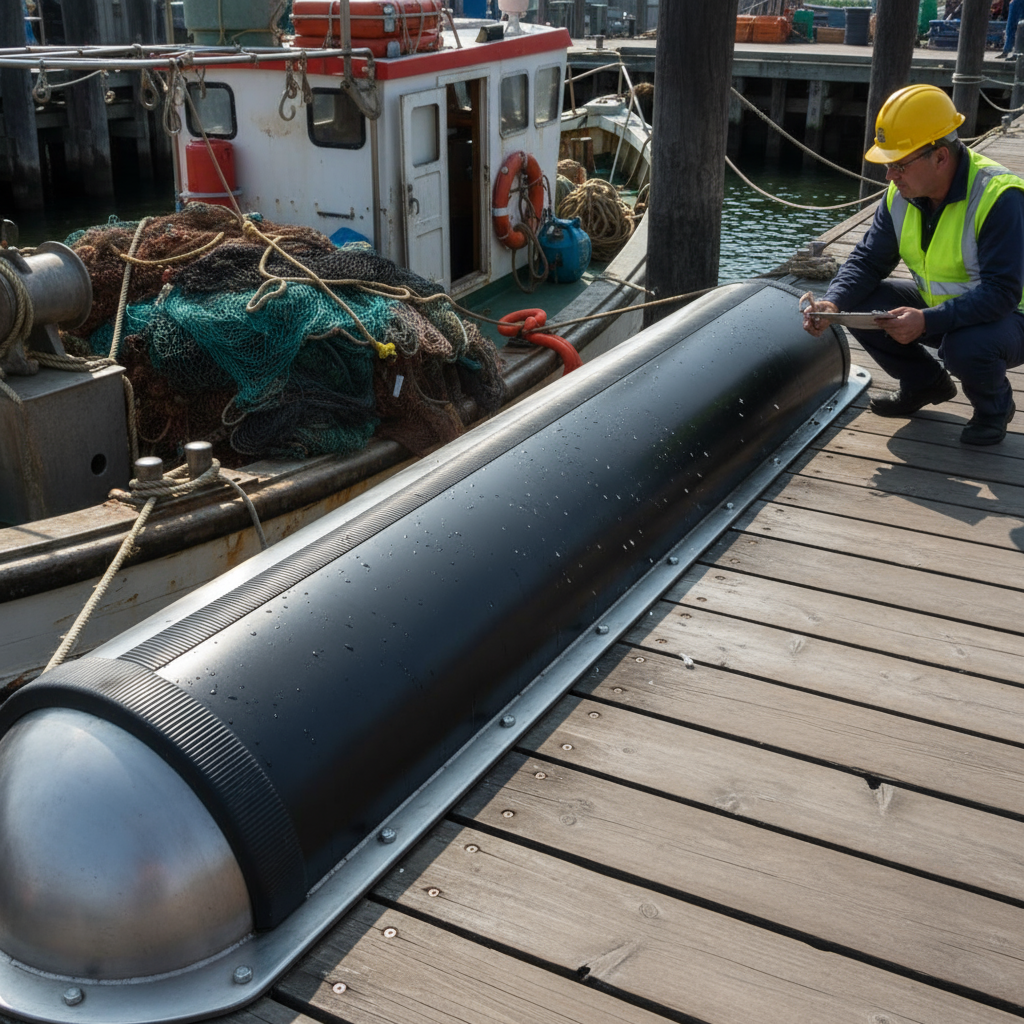
What sets a UHMW pad apart are three core characteristics that engineers rely on day after day.
- Abrasion resistance – the material endures constant contact with steel and concrete without losing thickness.
- Self‑lubricating surface – its low coefficient of friction reduces wear on moving parts and eases handling.
- Impact absorption – the dense polymer structure dampens shocks, protecting both the rope and the structure it contacts.
Because the pad is rigid and naturally buoyant, you can position it on fender faces, quay walls, or as a wear strip on guide rails without worrying about waterlogging or sinking. The pad also helps reduce point loading during sudden forces, extending the life of the adjoining rope and the structure it shields.
“In marine environments where steel fenders corrode quickly, a UHMW pad provides a silent, durable barrier that keeps both rope and dock structure performing for years.”
For anyone still wondering about the broader material, the quick answer to “What is UHMWPE rope?” is that it is an ultra‑high‑molecular‑weight polyethylene fibre—often called HMPE—with exceptional abrasion resistance, very low stretch, and buoyancy. Dyneema is a well‑known brand of UHMWPE fibre. Those same traits translate directly to pad applications, giving you a low‑maintenance solution that works hand‑in‑hand with your rope system.
UHMW Weight: Strength‑to‑Weight Considerations
Building on the definition of UHMWPE rope, the next question for any wholesale buyer is how the material’s mass influences real‑world projects. When a fibre can deliver the same load‑bearing capacity as steel while weighing a fraction of it, handling, storage and shipping all shift from a logistical headache to a streamlined process.
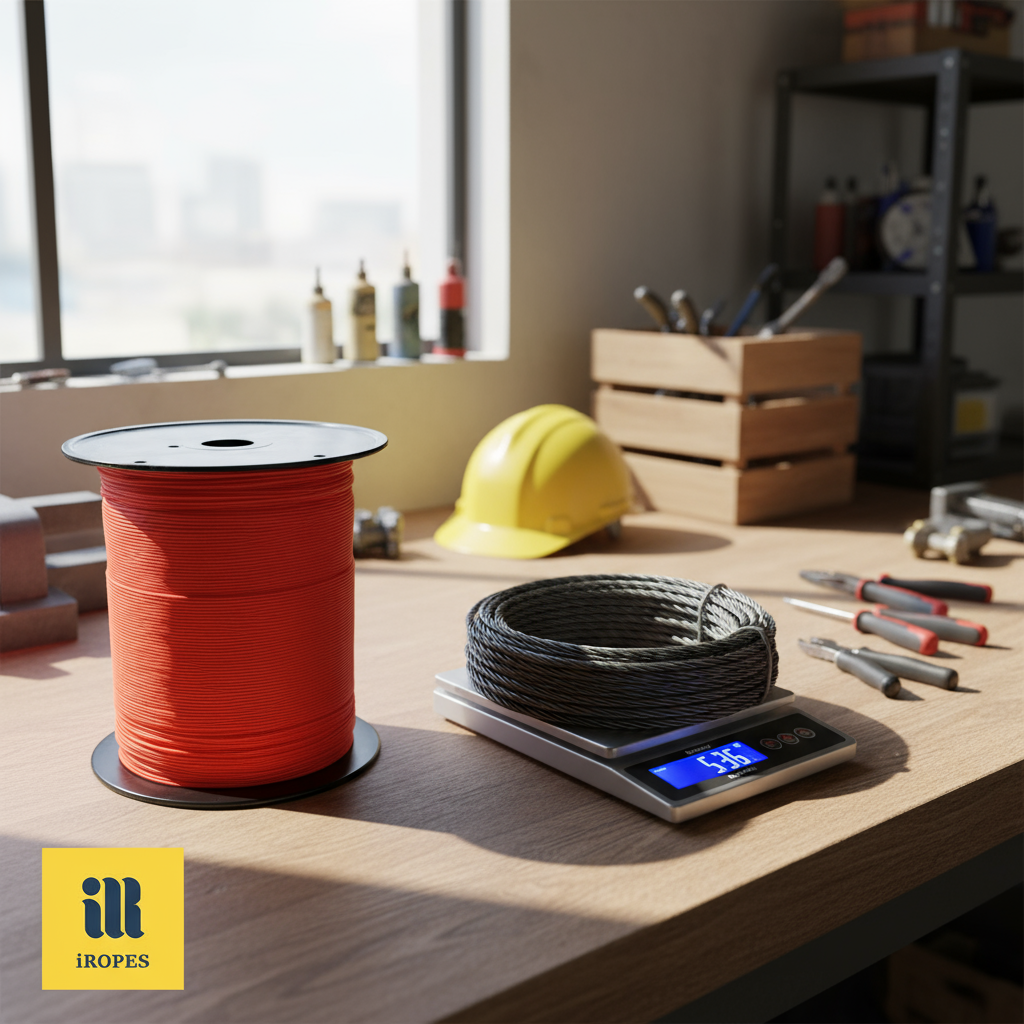
One of the headline figures that sets UHMWPE apart is its 7‑9 times stronger‑than‑steel rating by weight. In practical terms, UHMWPE can replace much heavier steel wire of significantly larger diameter without sacrificing breaking strength. This translates into three tangible benefits for your supply chain.
- Reduced pallet weight – lighter rolls make warehousing and stacking more efficient.
- Ease of on‑site manoeuvre – crew can lift and position rope without auxiliary hoisting gear.
- Lower freight costs – shipping weight drops, cutting both sea‑ and air‑freight expenses.
Beyond weight, many engineers wonder whether the material’s low density compromises elasticity. Does UHMWPE stretch? The answer is “very little”. Typical elongation sits around 5–8% at approximately 75% of breaking load, and creep remains very low across the –269 ℃ to +85 ℃ temperature window. For precision anchoring, that means the line holds its set length night after night, reducing the need for frequent re‑tensioning.
Logistics Benefits
Because UHMWPE rope is lightweight yet ultra‑strong, warehouses can store more product per square metre, crews spend less time rigging, and international freight charges shrink. The material’s buoyancy also adds a safety margin during marine handling – a dropped line simply floats back to the surface.
Understanding the strength‑to‑weight dynamics equips you to evaluate the alternative material head‑to‑head. In the following section we’ll explore how polypropylene anchor rope measures up when cost and durability become the primary decision factors.
Polypropylene Anchor Rope: Reliability and Use Cases
Having examined how UHMW weight influences handling and logistics, the next step is to see how a more economical fibre performs when the budget and durability are the primary concerns.
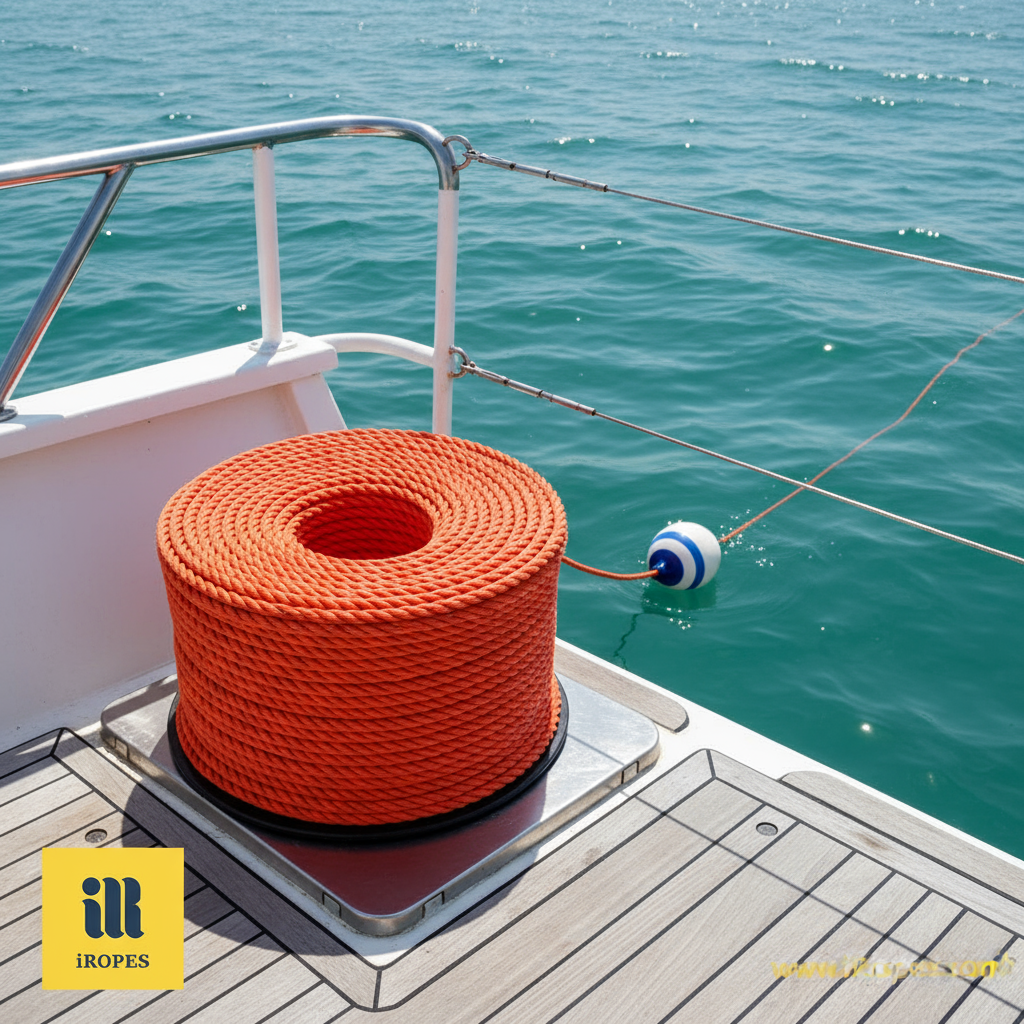
Polypropylene anchor rope delivers a balanced mix of performance traits that make it a workhorse in many sectors. Its tensile strength is sufficient for most everyday anchoring duties, while the polymer’s inherent wear resistance supports service life even in abrasive seabed conditions. Because the material is naturally buoyant, a line will float if it parts from the vessel, adding a safety margin during deployment. Finally, the production cost of polypropylene is lower than that of UHMWPE, giving buyers a competitive price point without sacrificing essential strength.
Cost‑effectiveness does not mean compromise; modern polypropylene grades deliver breaking strengths suitable for most general anchoring tasks while staying light enough for easy handling.
High Strength
Engineered to handle typical anchoring loads, the rope offers reliable load‑bearing capacity across a wide range of diameters.
Low Stretch
Minimal elongation preserves the set length of an anchor line, reducing the need for frequent re‑tensioning.
Buoyant Design
The rope floats on water, preventing loss and simplifying recovery in emergency drops.
Affordability
Lower material costs translate into competitive pricing for bulk orders, a key factor for wholesale buyers.
Typical deployments include general marine anchor lines for pleasure craft, where the rope’s floatability and easy handling speed up rigging. Camping enthusiasts value the same characteristics for tarp‑tie‑downs and makeshift anchoring, while utility crews rely on the durability for securing equipment on construction sites.
Is polypropylene good for anchor rope? Yes—its combination of adequate strength, wear resistance, and buoyancy makes it a proven choice for everyday anchoring tasks, and the material’s price advantage helps keep project budgets in check.
With a clear picture of polypropylene’s reliability, the next step is to stack both materials side‑by‑side and decide which aligns best with your project’s performance and cost targets.
Choosing the Right Material and Customization Options
Having compared the performance of UHMW weight ropes with the cost‑effectiveness of a polypropylene anchor rope, the next step is to match those traits to your project’s exact demands. Whether you are specifying a protective uhmw pad for a quay wall or a long‑haul mooring line, the decision hinges on strength, handling, budget and the operating environment.
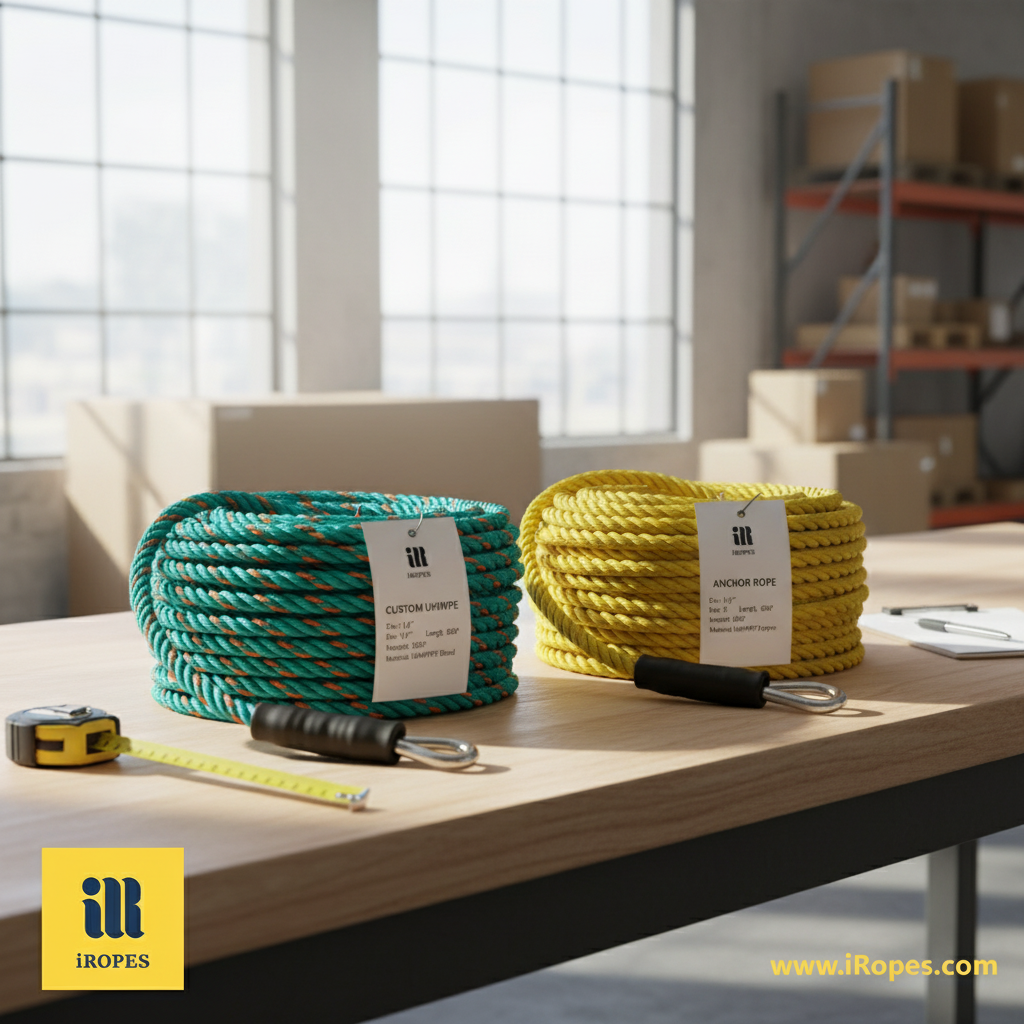
To simplify the selection, consider a three‑point framework that weighs the core attributes most often cited by wholesale buyers.
UHMWPE
High‑performance fibre
Strength
Exceptional tensile capacity that exceeds most commercial fibres by weight.
Low stretch
Elongation is typically around 5–8% at high loads, helping preserve set lengths.
Water absorption
Absorbs less than 0.01% water, keeping weight stable in wet conditions.
Polypropylene
Cost‑effective alternative
Adequate strength
Provides reliable load‑bearing for typical anchoring duties.
Buoyancy
Floats naturally, simplifying recovery if the line parts from the vessel.
Lower cost
Offers a competitive price point without sacrificing essential durability.
Beyond the core material, iRopes’ OEM/ODM service lets you define every detail—from the exact diameter and length to custom colour codes, reflective markings, or specialised terminations such as thimbles and eye splices. All designs are protected by robust IP safeguards, quality is backed by ISO 9001 certification, and packaging can be supplied non‑branded or customer‑branded in bags, colour boxes, or cartons, including bulk pallets ready for direct shipment worldwide.
Quick FAQ
Splicing: Both fibres accept eye‑splices using the correct techniques; UHMWPE typically requires longer buries and lock‑stitching for security. UV resistance: Both materials handle outdoor use well; adding chafe guards and selecting protective colours can further extend service life in high‑sun environments.
For deeper insight, see our comparison of synthetic versus natural fiber ropes.
When the uhmw weight advantage aligns with your logistics plan and the budget leans toward a polypropylene anchor rope, the framework above helps you visualise the trade‑offs. Ready for a bespoke rope solution? Reach out to iRopes and let the engineers translate your spec sheet into a rope that fits like a glove.
Ready for a bespoke rope solution?
By walking through the material characteristics and application range of UHMWPE, the article showed how the abrasion‑resistant, self‑lubricating uhmw pad protects marine structures while the impressive uhmw weight advantage cuts handling and freight costs. It also compared these benefits with the cost‑effective polypropylene anchor rope, highlighting its buoyancy and adequate strength for everyday anchoring tasks. With this knowledge, wholesale buyers can match performance to budget and decide which fibre best fits their project.
If you’d like a tailor‑made rope or pad that aligns with your exact specifications, simply complete the enquiry form above and our engineers will help you design the optimal solution.
