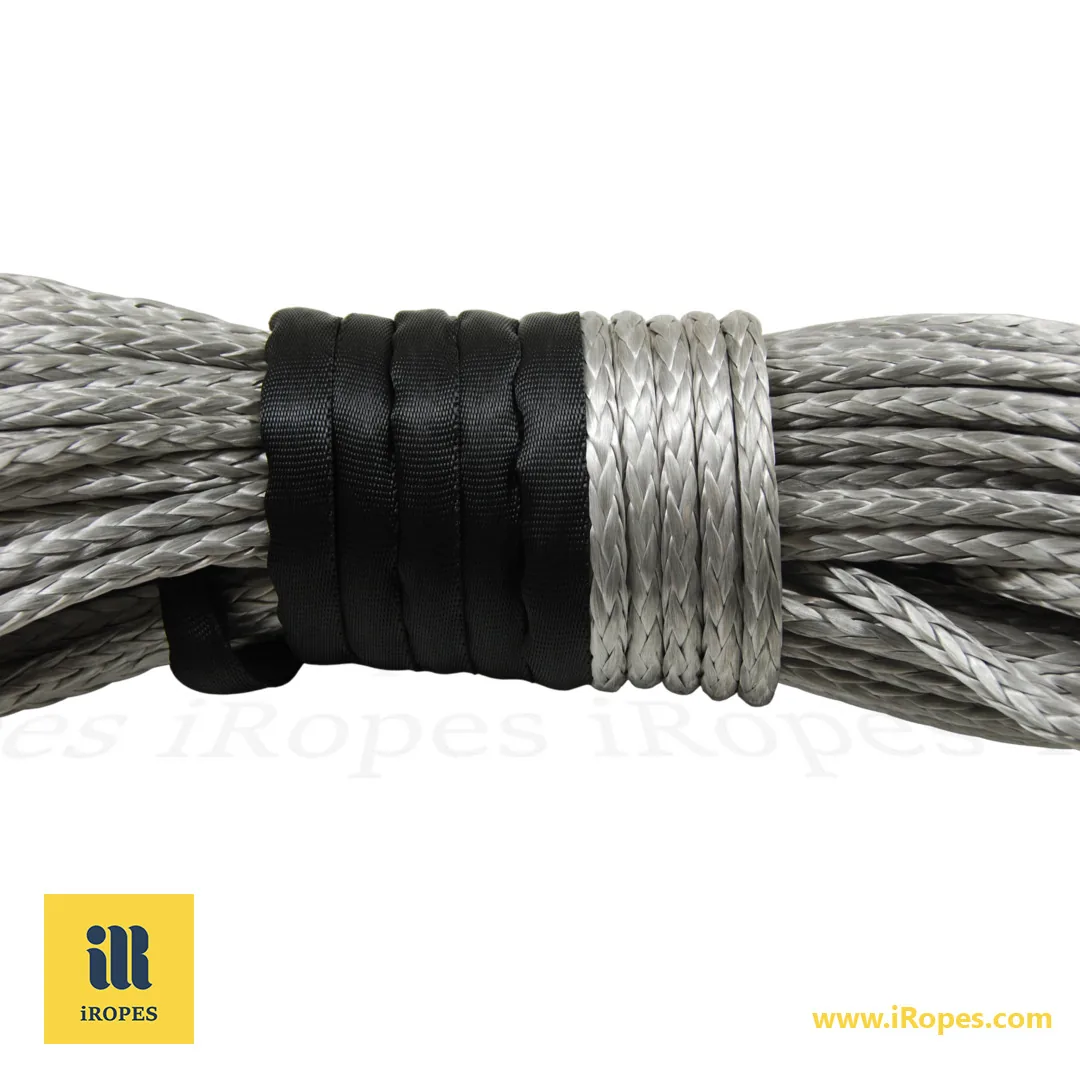
ISO‑9001 certified marine rope delivering up to 12 800 lb breaking strength for 3/4" line and 5 750 lb for 1/2" line – fully customisable in diameter, colour and accessories.
Read in 2 min – why custom marine rope beats stock
- ✓ Tailor diameter, colour and reflective yarn in 1 mm increments → match exact SWLL and branding.
- ✓ Choose nylon for 20 % shock‑absorption or polyester for <3 % stretch, improving handling by up to 15 % in performance rigs.
- ✓ Add thimbles, chafe guards and eye splices factory‑fitted → cut installation time by ~30 %.
- ✓ ISO 9001‑controlled OEM/ODM flow guarantees traceable quality and IP protection for bulk orders.
Most crews often grab the cheapest off‑the‑shelf line, mistakenly believing any rope will secure their vessel. However, this common habit can increase wear by up to 25% and reduce sail trim precision by around 8%. Imagine upgrading to an iRopes‑engineered 3/4" marine rope, specifically a double‑braid that's colour‑coded and fitted with thimbles. This strategic choice would deliver sharper response, a longer service life, and a measurable reduction in shock load – advantages our guide will explore in detail.
Understanding rope marine: Core Concepts and Benefits
When a vessel navigates salt-sprayed winds and relentless waves, the integrity of its lines becomes paramount for safety and performance. This is precisely why specialised rope marine products are engineered to withstand the harshest maritime conditions while delivering unwavering reliability.

What makes a rope marine?
A true marine rope is crafted from fibres designed to retain strength even after prolonged exposure to saltwater, intense sunlight, and abrasive dock surfaces. Unlike generic utility ropes, marine‑grade options include protective finishes and advanced core constructions. These features actively prevent rot, mildew, and the critical loss of tensile capacity that can occur when ropes become wet.
Key performance criteria
- Strength & Safe Working Load – Each rope is meticulously rated to withstand high tension. This maintains a substantial safety margin, which is crucial for secure anchoring or docking manoeuvres.
- UV & Weather Resistance – Our ropes are specifically formulated to resist degradation from sun exposure, ensuring elasticity and colour remain vibrant even after years of use at sea.
- Stretch & Shock Absorption – Engineered with a precise balance of elasticity, our marine ropes effectively handle dynamic loads. This design significantly reduces shock transmitted to the hull and rigging.
Quality assurance through ISO 9001
Every metre of iRopes’ marine line undergoes rigorous production on a floor proudly audited to ISO 9001 standards. This internationally recognised certification guarantees a robust, documented quality‑control process. It covers everything from meticulous raw‑material inspection and precise strand alignment to comprehensive tension testing and final visual checks. The outcome is consistently reliable rope that surpasses international safety expectations, offering our wholesale partners unwavering confidence in bulk deliveries.
With a clear understanding of what constitutes a marine‑grade rope and the critical metrics involved, the next logical step involves matching these fundamental principles to the appropriate size and construction for your vessel’s specific demands.
Selecting the Ideal 3 4 marine rope: Materials, Construction & Custom Options
Building upon the foundational concepts of strength, UV resistance, and ISO‑certified quality, the next crucial decision involves selecting the material and construction that will define your 3 4 marine rope's performance on the water.
Material choices – 100% Nylon vs. Polyester
Nylon delivers a soft, high‑stretch feel, making it exceptional at absorbing shock loads. This characteristic makes it a prime choice for anchoring lines, where sudden tension spikes are a common occurrence. Polyester, in stark contrast, offers minimal stretch and outstanding UV stability. This translates to a crisp, responsive feel, ideal for halyards and sheets where precise control is paramount. Both are recognised as superior rope marine fibres, but the critical trade‑off between nylon’s shock absorption and polyester’s dimensional stability ultimately guides the best selection for any given application.

Construction types – 3‑strand twisted vs. double‑braid
A 3‑strand twisted rope offers an economical solution, is easy to splice, and retains a lively feel under load—qualities many traditional sailors particularly appreciate. Conversely, the double‑braid design features a low‑stretch core enveloped by a flexible outer cover. This construction delivers a smooth feel, superior abrasion resistance, and an excellent strength-to-weight ratio. For a 3 4 marine rope, the double braid generally outperforms in durability, while the 3‑strand might be preferred for its cost-effectiveness and simpler field repairs.
Customization levers: diameter, colour, reflective elements, and accessories
Beyond material and construction, iRopes provides a comprehensive range of customisation options. These allow wholesale partners to perfectly align their ropes with specific brand identities or operational requirements. Diameters can be precisely adjusted in 1 mm increments, ensuring a perfect match for exact load calculations. Colour choices span from classic marine blue to high‑visibility safety orange, and we can also integrate reflective or glow‑in‑the‑dark yarns for enhanced night‑time visibility. Furthermore, factory‑fitted accessories like stainless‑steel thimbles, chafe guards, and pre‑formed eye splices are available, ensuring your line arrives ready for immediate use straight from the pallet.
Customisation Highlights
• Diameter tailoring – select the exact thickness required for your vessel’s SWLL.
• Colour & visibility – match corporate branding or add high‑visibility strips.
• Reflective inserts – boost safety during low‑light manoeuvres.
• Accessory integration – thimbles, chafe guards or spliced ends supplied ready‑to‑install.
With the science of materials and construction clarified, we can now delve into the precise breaking‑strength figures that differentiate a 1/2" line from its more robust 3/4" alternative.
Exploring 1 2 marine rope: Diameter, Strength, and Performance for Sailing
Following our overview of material choices and construction methods, the next logical step is to examine how two of the most requested diameters – 1 2 marine rope and 3 4 marine rope – perform under real‑world conditions. Understanding the exact breaking strength and safe working load limit (SWLL) for each size is crucial. This knowledge helps sailors precisely match the line to their vessel’s displacement and the intended task.

For a standard 1 2 marine rope, typically constructed from 100% nylon in a double-braid, laboratory tests indicate a breaking strength of approximately 5,750 lb. Applying the industry-standard safety factor, which ranges from 5 to 12, yields an SWLL between roughly 480 lb and 1,150 lb. This makes it an ideal choice for small craft, dinghies, or secondary dock lines where ease of handling and lighter weight are highly valued.
When the same double-braid construction is scaled up to a 3 4 marine rope, its breaking strength more than doubles, reaching approximately 12,800 lb. Consequently, the SWLL spans from 1,060 lb to 2,560 lb. This greater capacity is well-suited for larger yachts, heavy‑duty anchoring, and high‑tension mooring applications. The increase in strength isn't merely linear either; the larger cross-section also significantly enhances abrasion resistance and minimises elongation under heavy loads.
Diameter influences more than just raw pull capacity. A thicker core stores more energy, which translates to less stretch during sudden waves or strong gusts. This reduced elasticity is particularly advantageous for performance‑oriented sailing, where precise sail trim is critical. Conversely, the inherent shock‑absorbing nature of a slimmer 1 2 marine rope benefits cruising vessels, favouring a softer feel and easier splicing.
- 1 2 marine rope – breaking strength ≈ 5,750 lb; SWLL ≈ 480‑1,150 lb – perfect for dinghies and lightweight dock lines.
- 3 4 marine rope – breaking strength ≈ 12,800 lb; SWLL ≈ 1,060‑2,560 lb – suited to larger yachts, heavy anchoring, and high‑load mooring.
- Diameter impact – larger ropes stretch less, absorb shock differently, and shift the balance between performance precision and cruising comfort.
Choosing the correct size therefore hinges on three essential questions: What is the maximum load the line will regularly bear? Does the vessel require minimal stretch for precise sail control, or is a more forgiving, shock‑absorbing feel more beneficial? Finally, does the operating environment necessitate the increased abrasion resistance that a 3 4 marine rope inherently provides? Answering these questions will guide sailors towards the optimal rope marine solution that aligns with both safety standards and their specific sailing style.
With strength and diameter now thoroughly clarified, our discussion can progress to the specific applications—performance racing, cruising, dinghy handling and anchoring—where each rope size truly excels.
Sailing Rope Applications & Customization: Performance, Cruising, Dinghy, Mooring & Anchoring Solutions
Having established how diameter directly influences strength, the next crucial step is to proficiently match specific rope characteristics to the sailing task at hand. Whether a crew is relentlessly pursuing a new race‑course record or simply securing a berth for a tranquil weekend cruise, selecting the right rope marine solution can profoundly impact everything from smooth handling to preventing costly repairs.
Performance ropes for racing
Racing crews demand the most precise control over sail shape, making low‑stretch polyester or high‑tenacity nylon blends the preferred materials. Polyester's minimal elongation ensures that halyards and sheets transmit trim adjustments instantaneously. Meanwhile, a premium nylon blend offers just enough give to absorb gust‑induced shock loads without compromising vital performance. iRopes' 3 / 4 inch marine rope options, crafted from these advanced fibres, are engineered with a tight double‑braid polyester rope core. This design maximises tensile strength while ensuring the rope remains supple enough for rapid line changes.
Cruising and dinghy ropes
For cruising yachts and small dinghies, the focus shifts towards durability, manageable weight, and overall ease of handling. A 1 2 marine rope, constructed with a modest‑stretch nylon core, provides a forgiving feel that is ideal for docking or reefing. This inherent flexibility reduces strain on both fittings and crew. The lighter weight of these ropes also simplifies stowage, which is particularly advantageous for compact vessels. iRopes further enhances safety and convenience by offering colour‑coded strands, making line identification simple, even during long passages.
Mooring and anchoring lines
Anchoring and mooring demand robust shock absorption and superior resistance to chafe at critical points such as the fairlead or chain locker. A thicker 3 / 4 inch marine rope with a double‑braid construction effectively distributes load across a larger surface area, making it ideal as a marine mooring rope. This significantly mitigates abrasion and substantially extends the rope's service life. Further protection can be achieved by adding stainless‑steel thimbles at high‑wear points and incorporating chafe guards along the standing part, thereby shielding the line from abrasive dock surfaces.
“Choosing the correct rope size and material is as vital as selecting the right sail; both dictate how the vessel reacts to wind and wave.” – Senior Rigger, International Sailing Federation
OEM/ODM services for wholesale partners
iRopes extends its specialised expertise beyond standard stock lines by proudly offering comprehensive OEM/ODM programmes. Brands have the option to imprint their logos directly onto the rope sheath, select bespoke colour palettes, and request factory‑fitted accessories such as eye splices or quick‑release shackles. All custom orders are meticulously processed under ISO 9001‑controlled workflows, which guarantees verifiable quality and rigorously safeguards intellectual property from the initial design phase right through to final delivery.
Remember: the safe working load limit is typically 1/5 of the breaking strength. Selecting a rope with an appropriate SWLL protects crew and equipment during sudden loads.

By precisely aligning the material choice, construction style, and optional accessories with the intended sailing activity, wholesale buyers can confidently equip their fleets with rope solutions that provide both paramount safety and optimal efficiency. The following section will succinctly summarise the key considerations to ensure a successful custom order.
By now, you understand how material, construction, and diameter critically determine whether a rope marine product meets the exacting demands of performance racing, cruising, dinghy handling, or mooring & anchoring. iRopes offers comprehensive customisation, allowing you to tailor 3 4 marine rope and 1 2 marine rope with your chosen colour, reflective yarns, and factory‑fitted accessories. This ensures the line perfectly aligns with both your brand identity and specific load requirements. Whether you need low‑stretch polyester for precise sail trim or high‑stretch nylon for superior shock absorption, our ISO 9001‑backed process guarantees consistent quality and reliable, on‑time delivery across all bulk custom orders.
Ready for a bespoke sailing‑rope solution?
For personalised advice on selecting the perfect rope for performance, cruising, dinghy, or mooring & anchoring applications, please fill in the form above and our experts will promptly get in touch to discuss your specific needs.