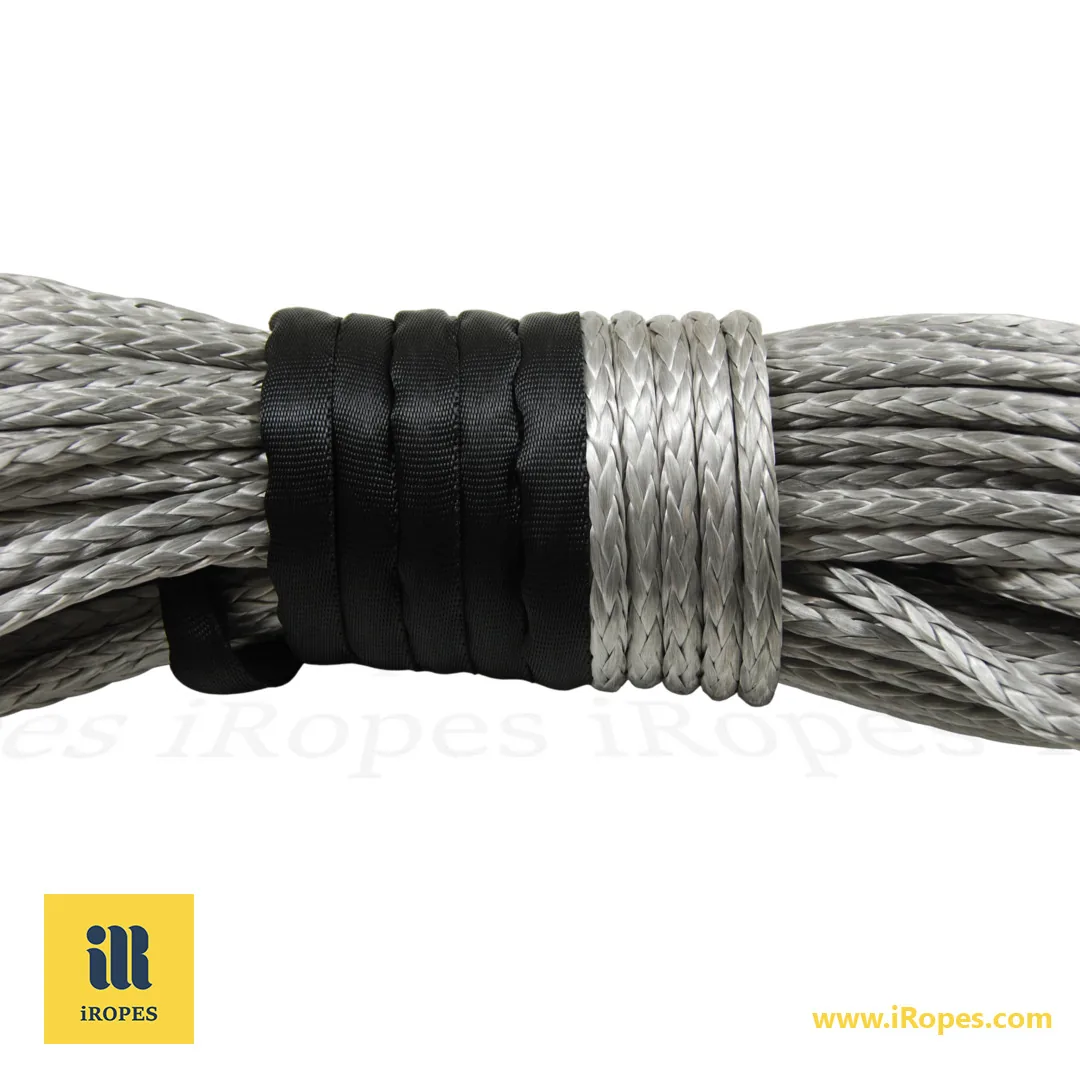
UHMWPE ropes achieve up to 3,500 psi tensile strength—about 170 % more than standard nylon. Plus, they weigh only 0.93 g/cc, making them approximately 30 % lighter.
What you’ll learn – ~4 min read
- ✓ Reduce rope weight by up to 30 % while keeping load capacity.
- ✓ Extend wear-strip life by approximately 45 % thanks to superior abrasion resistance.
- ✓ Optimise strand layouts (8-, 12-, 24-strand) for a 20 % gain in strength-to-weight.
- ✓ Secure ISO 9001-backed OEM/ODM service with full IP protection and on-time delivery.
Many still consider cheap nylon ropes the only practical choice for recovery or rigging. However, this overlooks a polymer paradox that offers material 170 % stronger and 30 % lighter. Imagine custom-strand UHMWPE fabrics that cut wear-strip replacements by 45 % and boost load efficiency with 8-, 12- or 24-strand layouts. This guide reveals the exact data, manufacturing innovations, and how iRopes delivers tailor-made, high-performance rope solutions for your toughest projects.
Understanding ultra high molecular weight polyethylene properties
Ultra high molecular weight polyethylene (UHMWPE) is a specialised plastic. It’s made from exceptionally long polymer chains, often millions of repeat units long. This impressive molecular length gives the material a unique combination of strength, wear resistance, and self-lubricating properties. As a result, engineers widely rely on it for demanding applications. Simply put, imagine a rope made of countless tiny beads fused together; the longer the rope, the tougher it becomes.

When examining ultra high molecular weight polyethylene properties, three key themes emerge. Firstly, its strength rivals steel. Secondly, its surface barely grips. Thirdly, its chemistry resists most solvents. These characteristics translate directly into tangible real-world benefits. You’ll see longer-lasting wear strips, lighter-weight ropes that carry immense loads, and components that slide smoothly without needing lubricants.
- Outstanding tensile strength – can exceed 3,500 psi. This allows thin ropes to support heavy loads with exceptional reliability.
- Superior abrasion resistance – outperforms many metals. This makes it ideal for wear strips and chute liners that endure constant friction.
- Low coefficient of friction – typically 0.10–0.20. It creates a self-lubricating surface that significantly reduces wear on moving parts.
- Excellent chemical resistance – resistant to acids, alkalis, and most solvents. This ensures the material endures harsh and corrosive environments.
- High thermal expansion with a low melting point – melts around 146–150 °C (297–302 °F). This is a crucial design consideration for high-temperature applications.
- Lightweight density – around 0.93 g/cc. This provides a high strength-to-weight ratio, which is invaluable for buoyant ropes and marine fittings.
These unique characteristics also make the ultra high molecular weight polyethylene sheet a popular choice for industrial wear strips, conveyor liners, and chute guides. Here, a thin, tough barrier is essential. Similarly, ultra high molecular weight polyethylene fabric—produced by gel-spinning—forms the backbone of high-performance ropes. These ropes are widely used in off-road recovery, sailing, mining, and safety applications.
UHMWPE is the material family; Dyneema is a trademarked brand of UHMWPE fibre. This distinction is similar to "polyethylene" versus "Teflon®"—one is the generic polymer, the other a specific, high-performance version.
Understanding these properties is crucial for deciding whether a sheet, a fabric, or a custom rope offers the right solution for your project. Next, we’ll explore how the sheet form is manufactured and where it truly shines in everyday industrial usage.
Ultra high molecular weight polyethylene sheet: forms and applications
Having explored UHMWPE’s core properties, it’s clear why the sheet format is a logical next focus. The same durability and low-friction characteristics that make the polymer ideal for ropes also give the sheet a unique ability to act as a thin, yet incredibly tough, barrier in demanding environments.
When it comes to manufacturing, compression moulding is the most common route. In this process, powdered UHMWPE is placed in a heated cavity. It's then pressed under high pressure until the particles fuse into a solid sheet. The result is a dense, homogeneous panel with virtually no voids. This panel is then ready for post-processing such as cutting or machining. This method also allows manufacturers to embed colourants or fillers without compromising the material’s intrinsic strength.
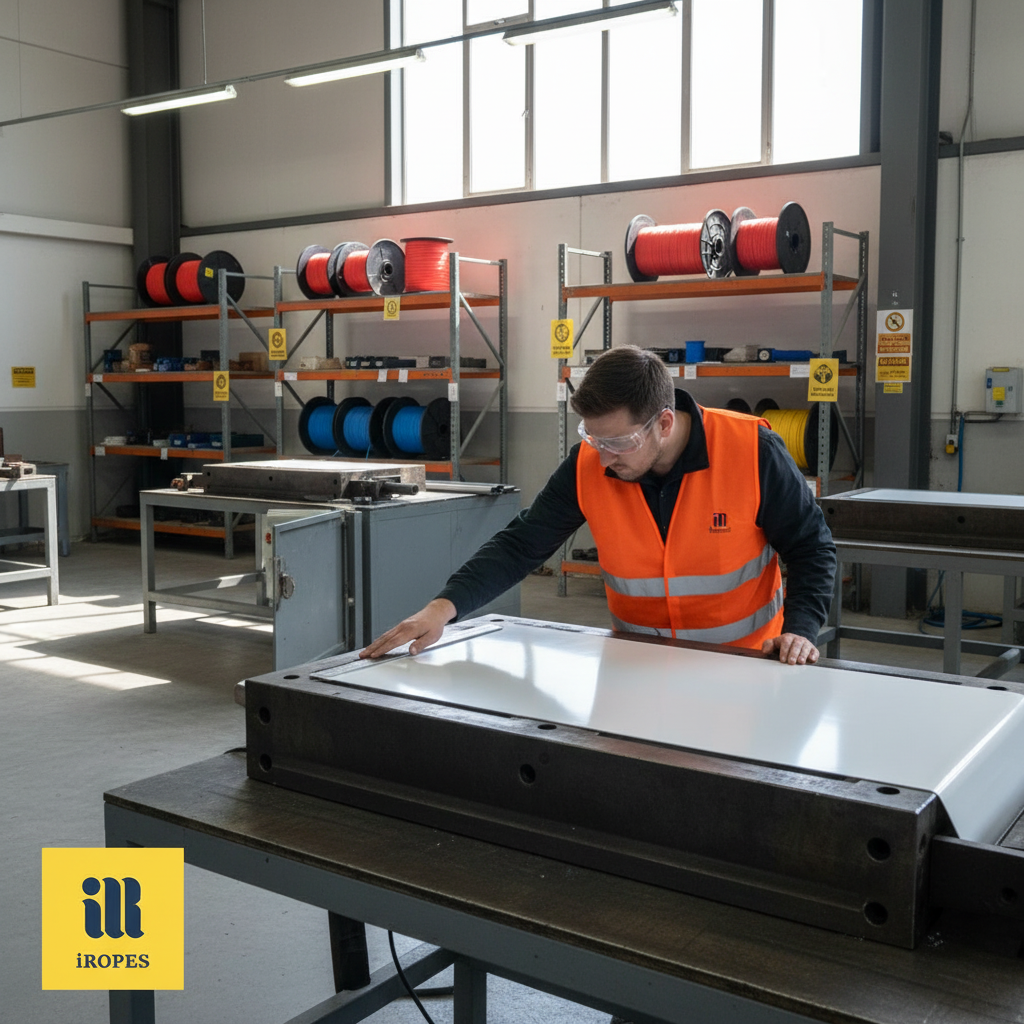
Standard sheets are available in a variety of dimensions. Widths typically span 1 m to 2 m, while lengths can be cut to order from 2 m up to 6 m. Thickness ranges from a half-millimetre for light-duty guides to 50 mm for heavy-impact wear plates. Grade options include virgin resin, anti-static formulations for clean-room settings, oil-filled variants for enhanced lubrication, and FDA-compliant grades for food-processing environments. Selecting the right combination allows you to balance cost, performance, and regulatory needs.
Thickness range
From 0.5 mm up to 50 mm, covering light-duty to heavy-load scenarios.
Grade variety
Virgin, anti-static, oil-filled, and FDA-compliant options for specialised environments.
Low friction
Dynamic coefficient as low as 0.10, dramatically reducing wear on moving parts.
Wear resistance
Outperforms many metals, extending the service life of chutes and guides significantly.
These attributes directly translate into tangible everyday industrial benefits. Wear strips in bulk-handling systems, for instance, remain smooth for years, eliminating frequent part replacements. Conveyor liners made from this ultra high molecular weight polyethylene sheet guide materials effectively without the need for additional lubricants, ultimately cutting both downtime and maintenance budgets. Similarly, chute guides benefit immensely from the material’s self-lubricating surface, allowing bulk solids to glide with minimal resistance and improved efficiency.
Why choose a sheet?
Sheets combine the raw strength of UHMWPE with easy fabrication. This allows you to cut, drill, or thermo-form components on-site with precision. Compared with rigid engineering plastics, the sheet’s self-lubricating surface cuts maintenance costs, while its lightweight density eases handling and installation.
In brief, ultra high molecular weight polyethylene sheets excel wherever a thin, resilient, and low-friction barrier is required. Their ability to be customised in size, thickness, and grade makes them a versatile alternative to traditional engineering plastics such as PTFE or nylon. As you consider these compelling advantages, the next logical step is to explore how the same material can be intricately woven into high-performance fabrics for a myriad of rope applications.
Ultra high molecular weight polyethylene fabric for high-performance ropes
After seeing how the sheet version transforms raw polymer into a tough, low-friction panel, the natural next step is to wonder how this same material can be woven into a fabric capable of pulling, lifting, and enduring the toughest conditions. The answer lies in a process called gel-spinning. This technique meticulously aligns the ultra-long polymer chains, causing them to lock together into a fibre that is both feather-light and incredibly strong. This makes UHMWPE a superior material for high-performance, high-safety ropes across various sectors such as off-road, air, tree work, yachting, camping, industry, chafe, spearfishing, and defence.
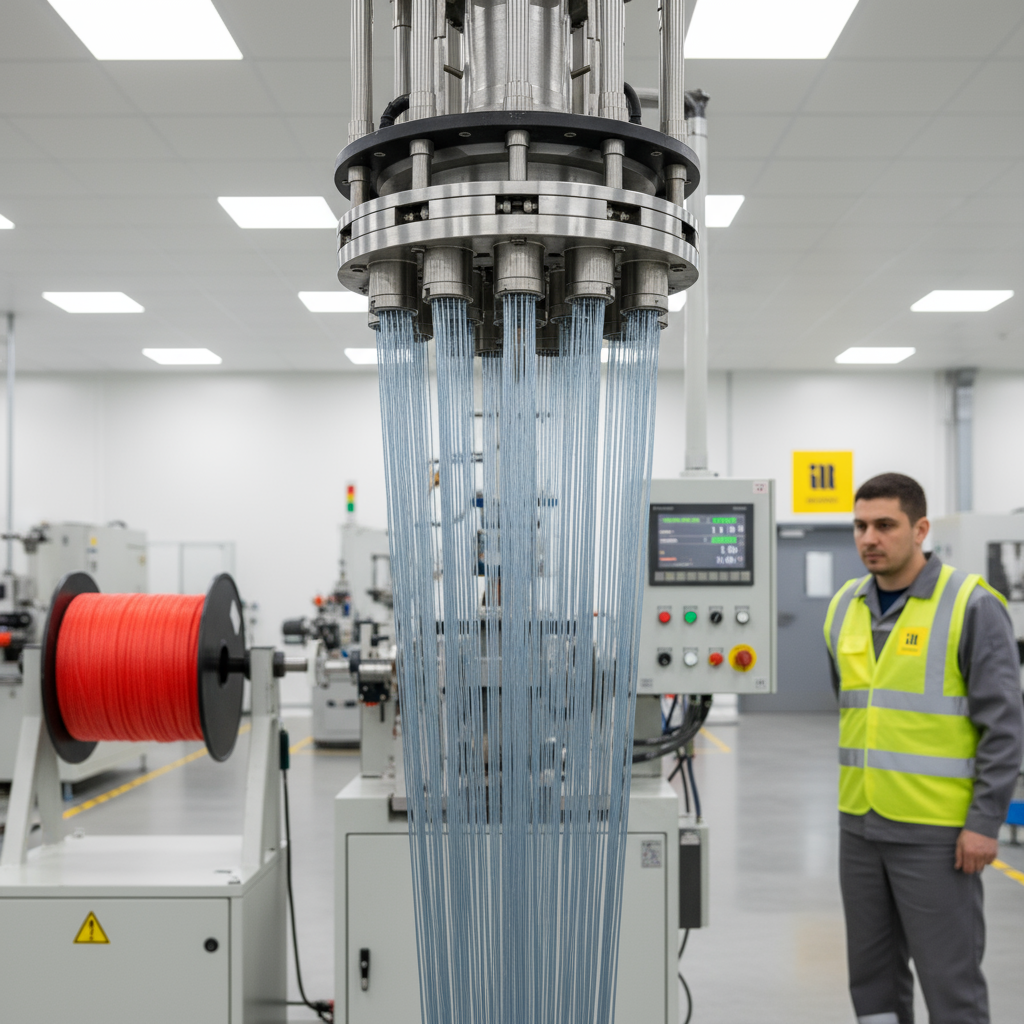
The gel-spinning line operates like a sophisticated, high-speed loom for polymers. First, a powdered UHMWPE resin is meticulously mixed with a specific solvent to create a viscous gel. Next, this gel is carefully forced through a tiny die, stretching the molecules into a continuous filament. Finally, the filament passes through a cooling chamber where the solvent evaporates, leaving a solid, highly oriented fibre ready for weaving or braiding into high-strength, high-performance cables. This advanced process is what allows UHMWPE to weave ropes of different structures, including 8, 12, or 24 strands, ideal for various applications where strength and safety are paramount.
- Mix resin with a specialised solvent to form a uniform gel.
- Extrude the gel through a precision die, aligning the polymer chains.
- Cool and solidify the filament, then wind it onto spools for rope fabrication.
Once the fabric is produced, the way its strands are arranged critically determines the rope’s character and performance. An 8-strand construction, for instance, yields a light, flexible line, ideal for quick-release recovery kits or compact storage. A 12-strand layout expertly balances weight and strength, making it a preferred choice for sailing rigging where minimal stretch is crucial. When your project demands the absolute maximum load capacity—think heavy-duty mining winches, industrial applications, or critical off-road recovery—a 24-strand rope is your ultimate solution. This construction expertly distributes stress across numerous filaments, ensuring high performance and exceptional safety.
Strand Options
Choose the build that matches your load profile
8-Strand
Lightweight flexibility for rapid deployment and easy handling.
12-Strand
Balanced strength and stretch, perfect for sailing and marine rigging.
24-Strand
Maximum load capacity for off-road recovery, mining, and safety lines.
Industry Benefits
Why the fabric excels across sectors
Off-Road
High tensile strength and low stretch give you a safe, reliable recovery line.
Sailing
Buoyancy and resistance to saltwater corrosion keep lines afloat and durable.
Mining
Abrasion-proof surface withstands rock-laden environments without thinning.
The fabric’s low coefficient of friction means the rope glides smoothly over pulleys, significantly reducing wear on both the line and the hardware. Its high tensile strength—often exceeding 3,000 psi—allows you to specify a thinner diameter without sacrificing safety or performance. Furthermore, because the polymer’s density is only 0.93 g/cc, the rope remains buoyant, a priceless trait for marine rescue, offshore applications, or even spearfishing lines.
When you weigh these advantages against the material’s modest melting point and the fact that conventional adhesives struggle to bond to it, the picture becomes clear. The right UHMWPE fabric, custom-built to your exact specification, delivers unmatched performance. However, it also requires careful planning for heat-related design considerations. This crucial understanding sets the stage for the next step—matching UHMWPE against alternative polymers and precisely deciding which solution best fits your project.
Choosing the right UHMWPE solution and partnering with iRopes
With precise material comparison in mind, the next logical question is how to determine if ultra high molecular weight polyethylene is the optimal choice for your specific application. If your project truly demands an exceptional blend of extreme tensile strength, ultra-low friction, and outstanding lightweight performance, UHMWPE consistently outperforms HDPE, PTFE, and nylon. While HDPE offers good chemical resistance, it falls significantly short on impact toughness. PTFE excels at temperature stability, yet it's considerably more expensive and less abrasion‑resistant. Nylon, conversely, provides high stiffness but absorbs moisture, which unfortunately reduces its dimensional stability. By meticulously matching the specific demands of your design to these precise material traits, you can effectively avoid over‑engineering and successfully keep project costs meticulously in check.

Even the most suitable polymer has practical limits that demand careful consideration. UHMWPE’s melting point hovers just above 149 °C (300 °F), which means it cannot be reliably used in sustained high‑heat environments without additional cooling measures or thermal protection. Its coefficient of thermal expansion is relatively high, so designers must factor in potential dimensional changes under significant temperature swings. Furthermore, bonding to UHMWPE is notoriously difficult because most conventional adhesives struggle to wet the surface effectively; specialised primers or robust mechanical fasteners are often absolutely required. Recognising these specific constraints early in the design phase prevents costly redesigns and delays later in your project cycle. Despite these challenges, many customers choose UHMWPE because UHMWPE rope beats wire rope in strength‑to‑weight performance across a wide range of applications.
When the material fit precisely aligns with your performance goals, iRopes stands ready to transform that crucial decision into a tangible, high‑quality product. Our comprehensive OEM and ODM capabilities span the entire process, from initial resin selection to the final, precise rope termination. Every step is rigorously backed by ISO 9001 quality assurance and strict intellectual property (IP) protection, ensuring your innovative designs are safe and your products meet the highest global standards. Whether you specifically need a custom‑coloured ultra high molecular weight polyethylene sheet for a demanding food‑processing line, a specialised ultra high molecular weight polyethylene fabric for marine‑grade rope applications, or a hybrid solution that intelligently blends both forms, our experienced engineering team will collaborate intimately with you to guarantee the exact specifications are locked in, delivering a solution perfectly tailored to your unique requirements. For high‑performance winch applications, our UHMWPE winch rope provides steel‑level strength at a fraction of the weight.
- Submit a concise enquiry outlining the intended application, specific load requirements, and any special grading needs.
- Our technical specialists will meticulously review the request, suggest optimal UHMWPE configurations, and provide a preliminary, detailed quotation.
- After you confirm the design, we will proceed to produce a prototype, conduct thorough validation testing, and then finalise the order for bulk manufacturing, ensuring every detail meets your expectations.
Following these three clear steps meticulously ensures you receive a rope or sheet that not only meets the rigorous mechanical demands of off‑road recovery, complex sailing rigs, or industrial mining winches. Furthermore, it also stringently complies with any specific regulatory or branding requirements you may have. Are you ready to begin your project? Simply reach out through the contact form below, and let iRopes expertly craft the perfect UHMWPE solution for your next high‑performance project.
Get your custom UHMWPE solution today
By now, you’ve gained a comprehensive understanding of how the exceptional ultra high molecular weight polyethylene properties translate into ultra‑strong, low‑friction components. This ranges from durable ultra high molecular weight polyethylene sheet panels that robustly resist wear, to ultra high molecular weight polyethylene fabric that can be meticulously gel‑spun into 8-, 12-, or 24‑strand ropes for critical applications in off‑road recovery, sailing, mining, and safety.
If you require a truly tailor‑made solution that precisely matches your exact load, specific size, or unique branding requirements, simply fill in the form above. Our dedicated OEM/ODM specialists at iRopes will then work closely with you to expertly design, prototype, and deliver the perfect product. For marine vessels seeking optimal performance, explore our boat winch rope solutions tailored for rib boats and yachts.