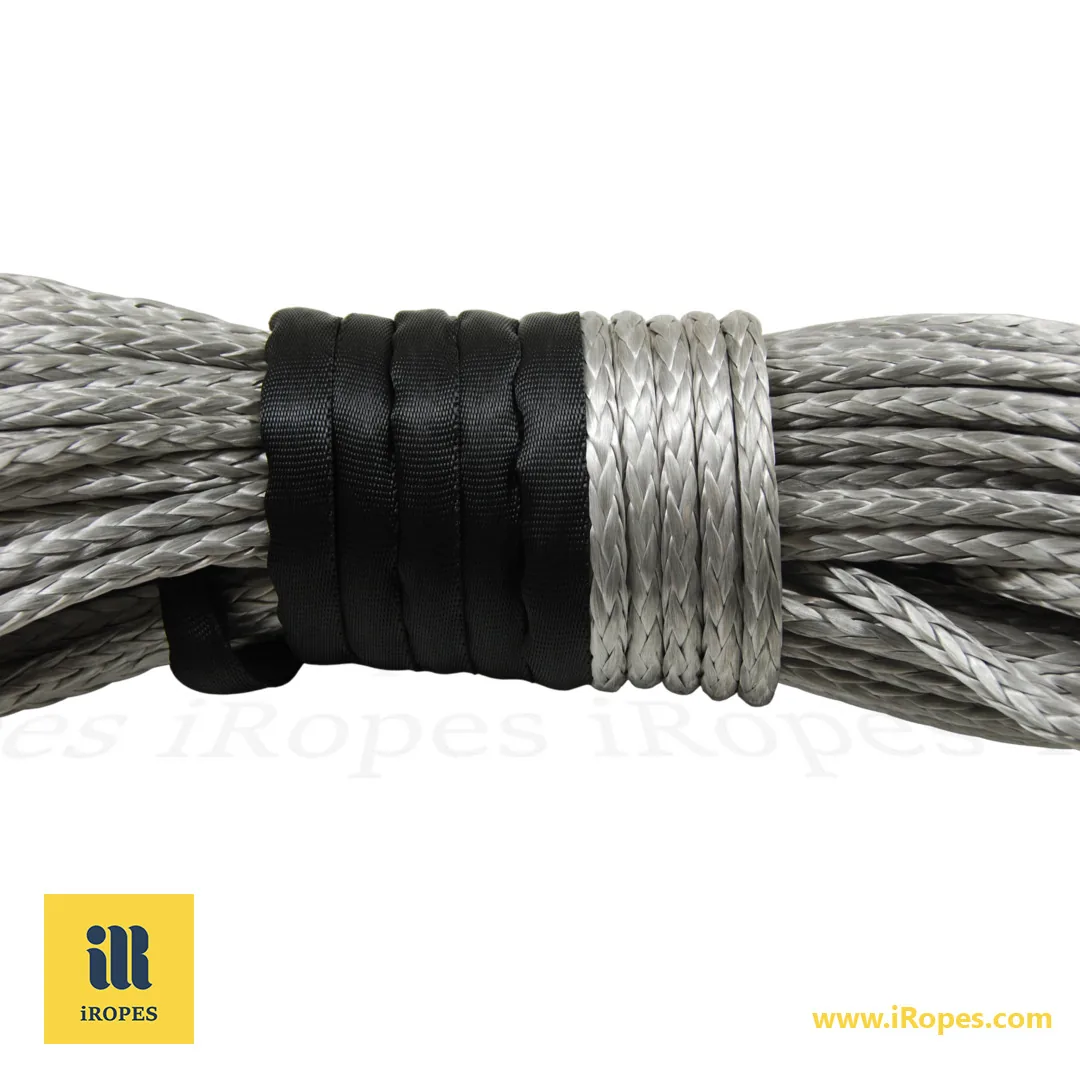
Synthetic fibre rope slings dominate marine storms, outperforming natural fibres with a 4-5x longer lifespan and up to 10% elasticity to absorb sudden shocks without failure. In high-seas chaos, they deliver unmatched resilience where others snap.
Master Marine Lifting in ~5 Minutes: Key Gains Await
- ✓ Boost operational safety by 75% through synthetics' superior shock absorption and rot resistance in saltwater assaults.
- ✓ Cut equipment costs with 4-5x extended durability over natural fibres, minimising replacements during brutal conditions.
- ✓ Tailor solutions via OEM customisation for yachting or salvage, aligning precisely with your load and environmental demands.
- ✓ Master compliance and inspections per OSHA standards, avoiding fines while ensuring reliable performance in turbulent waters.
You might think natural fibres hold up best against the sea's fury, but synthetics shatter that myth by thriving where others rot—delivering buoyant, non-corrosive strength that floats your gear to safety amid crashing waves. What hidden construction tweaks make nylon slings stretch just enough to save your operation from storm-induced snaps? Dive in to uncover the counter-intuitive edges that transform risky lifts into confident commands, backed by iRopes' precision expertise.
Understanding Fibre Rope Slings: From Natural to Modern Innovations
Imagine you're out on the open sea, waves crashing against your vessel during a routine mooring operation. The right tool can mean the difference between a smooth secure and a dangerous slip. Fibre rope slings fit that bill perfectly—they're versatile lifting tools crafted from either natural or synthetic fibres, designed to handle heavy loads with precision. In marine settings like mooring vessels, salvaging equipment from the water, or even securing cargo on deck, these slings provide the grip and support you need without adding unnecessary bulk.
When it comes to choosing materials, the debate often boils down to natural versus synthetic options. Take natural fibre rope slings, like those made from manila, which have been around for ages. They're tough in dry conditions and offer a certain grip that's hard to beat for traditional tasks. In the relentless wet world of marine work, however, they begin to falter. Water soaks in, leading to rot and weakened strength over time. Synthetics, on the other hand, flip the script entirely. Which is better, synthetic rope or natural fibre rope? Synthetics win hands down for most modern uses, especially in damp environments. They boast a superior strength-to-weight ratio—meaning you get more lifting power from less material—and they resist rot entirely, keeping their integrity even after prolonged exposure to saltwater.
Natural Fibre Slings
Traditional Reliability
Good Grip
Offers natural friction for secure holds in dry settings.
Biodegradable
Eco-friendly option that breaks down naturally over time.
Water Vulnerability
Susceptible to rot, reducing lifespan in marine conditions.
Synthetic Fibre Slings
Modern Performance Edge
High Strength-to-Weight
Lifts more with lighter design, ideal for overhead work.
Rot and UV Resistant
Retains strength in wet, sunny marine exposures without degrading.
Flexible Handling
Easier to manoeuvre, reducing strain during stormy lifts.
To put this in broader context, lifting slings come in three main types: chain, wire rope, and fibre or synthetic varieties. Chain slings are heavy-duty for extreme loads but can be cumbersome and prone to damage if not handled correctly. Wire rope slings offer great strength, but they often mar delicate surfaces. Fibre rope slings, particularly the synthetic kind, stand out for their flexibility—they bend and conform to loads, protecting cargo from scratches during rough handling. In storms, this pliability absorbs shocks better, preventing snaps that could turn a lift into a hazard. What are the three types of sling? That's chain for brute force, wire for precision in tough spots, and fibre synthetics for versatile, gentler operations.
At the heart of their reliability lies their construction. Braided designs weave fibres tightly for even stress distribution, making them less likely to fray under tension. Twisted constructions, meanwhile, create a helical pattern that adds resilience against kinking. Both approaches enhance durability in marine lifting, where constant motion tests every fibre. Have you ever watched a crew rig a sling on a rocking boat? It's all about that solid build keeping things steady.
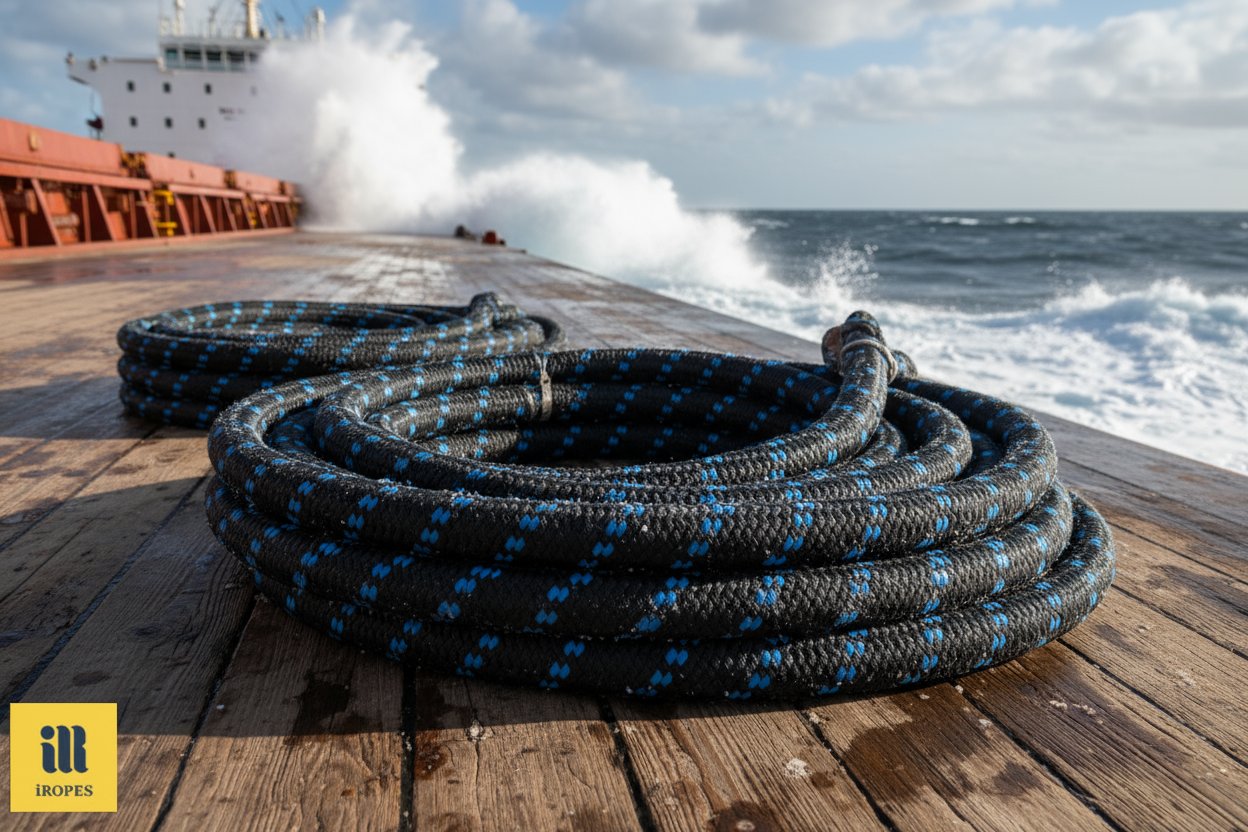
Having established these foundational differences in fibre rope slings, let's examine how synthetic rope slings enhance performance in demanding conditions.
Synthetic Rope Slings: Superior Strength and Resilience in Harsh Environments
Building on those core differences, synthetic materials elevate fibre rope slings to the next level, especially when storms whip up chaos on the water. These slings, made from engineered fibres like polyester or advanced polymers, deliver properties that natural options simply can't match in brutal conditions. Consider their low stretch under heavy loads—this keeps your rigging stable as waves heave everything around, preventing dangerous snaps. High abrasion resistance means they shrug off constant rubbing against rough boat edges or debris, while UV and chemical resistance protect against sun exposure and spills from fuel or cleaners that plague marine operations. In a storm, where every second counts, these traits make synthetic rope slings the reliable choice over rot-prone naturals, ensuring your lifts stay secure without constant worry.
Diving deeper, advanced synthetics like UHMWPE (ultra-high-molecular-weight polyethylene) push boundaries even further. This material floats, a game-changer for underwater recovery or towing in turbulent seas, reducing drag and easing handling. Its corrosion resistance laughs off saltwater's bite, unlike metals that rust or naturals that swell and weaken. During intense marine storms, UHMWPE outperforms older synthetics by maintaining shape and strength, even when battered by wind and spray. I've seen crews swear by it after pulling gear from raging currents, where traditional ropes would have given way.
- Web Slings: Flat, nylon or polyester bands with reinforced eyes, perfect for general heavy lifting where you need a wide, protective contact area to avoid damaging loads.
- Round Slings: Tubular designs mimicking a circle of strands, ideal for awkward shapes in towing, offering even pressure distribution during storm-tossed operations.
- Adjustable Rope Slings: Configurable lengths with hardware fittings, suited for variable marine tasks like mooring lines that adapt to shifting tides and loads.
When it comes to variety, rope slings come in configurations tailored for demanding work. What are the different types of rope slings? You have web slings for broad support, round slings for compact strength, and adjustable slings for on-the-fly tweaks in lifting or towing. This range lets you pick exactly what fits your setup, whether securing a yacht in high winds or hauling salvage from choppy depths.
Stacking synthetics against natural fibres, the edge is clear: they last 4-5 times longer, thanks to that built-in toughness against wear and weather. Under load, synthetics offer controlled elasticity—enough give to absorb shocks from sudden gusts without overextending like some naturals do when wet. What makes synthetic rope superior to natural fibre rope in these scenarios? It's the combination of lighter weight for easier manoeuvring and consistent performance that doesn't fade after a few soakings. Have you ever handled a soaked manila line that feels like dead weight? Synthetics avoid that pitfall, keeping operations efficient even as conditions worsen.
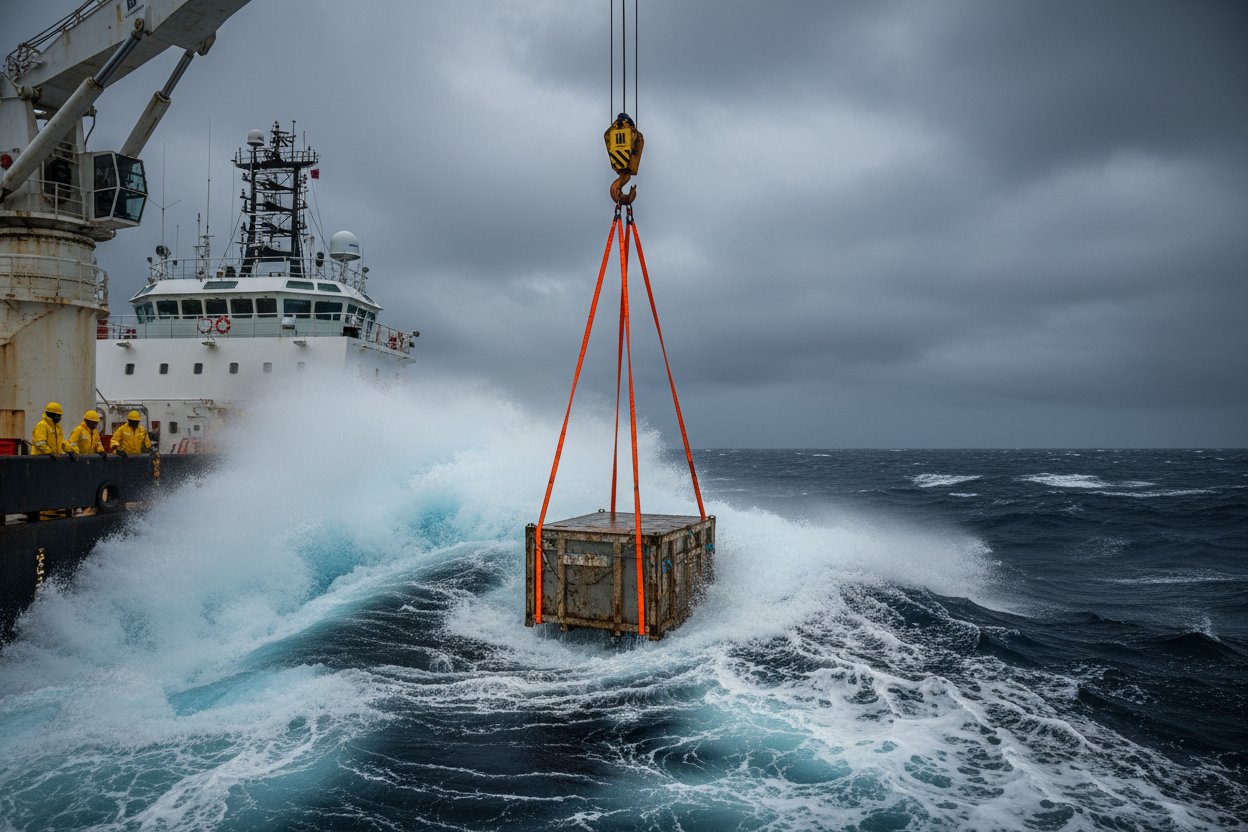
With these strengths in play, one synthetic stands out for its particular blend of give and grit: the nylon rope sling, ready to tackle the unpredictable demands of the sea.
Nylon Rope Sling: The Go-To Choice for Elasticity and Durability in Marine Use
That blend of give and grit I mentioned earlier? It shines brightest in the nylon rope sling, a staple that has earned its spot as a favourite for anyone facing the sea's unpredictable moods. Crafted from polyamide fibres, these slings strike a perfect balance between toughness and forgiveness, making them indispensable when waves turn hostile. Picture a sudden squall hitting your operation—nylon's ability to stretch without snapping keeps everything from flying loose, giving crews that extra margin to react.
What sets nylon apart starts with its core traits. It offers high elasticity, stretching up to 10% under full load, which acts like a built-in buffer against jolts from rough waters. You'll also get solid abrasion resistance to handle scraping against hulls or rocks, plus strong defence against mildew that could otherwise weaken lines left damp on deck. That said, it's not invincible—exposure to acids, common in some cleaning agents or battery spills, can degrade it over time. Steering clear of those environments keeps performance sharp. In practice, this means nylon holds up through repeated saltwater dousings, maintaining flexibility that rigid materials just can't match.
When stacking nylon against other synthetics like polyester or UHMWPE, the choice often hinges on your specific needs. Polyester keeps things tighter with minimal stretch, great for steady holds, while UHMWPE excels in sheer strength and floatability for deep-water pulls. But which is better, fibre rope or nylon rope? Nylon pulls ahead in scenarios demanding shock absorption, like those abrupt storm loads where a bit of give prevents overload failures. Its elasticity soaks up impacts better than stiffer options, reducing wear on fittings and extending usability in dynamic marine settings. Have you dealt with a line that locked up under pressure? Nylon avoids that by yielding just enough to stay reliable.
Stiffer Synthetics
Low elongation for precise control in calm conditions.
Rigid Under Load
Limited flex may transfer shocks directly to gear.
Nylon's Edge
10% stretch absorbs sudden forces effectively.
Storm-Ready
Handles turbulent pulls with forgiving resilience.
Building these slings involves straightforward yet effective methods to suit marine demands. A 3-strand laid construction twists fibres into a balanced, easy-to-inspect rope that resists untwisting under torque. Braided versions, on the other hand, interlock strands for smoother handling and reduced snagging on cleats. For terminations, adding thimbles—metal or plastic inserts—creates protected eyes that prevent chafing in salty, abrasive conditions, ensuring loops stay open and strong for quick rigging.
In action, nylon rope slings prove their worth in hands-on marine pursuits. For yachting, their buoyancy keeps lines afloat during anchoring in swells, simplifying retrieval without diving. Spearfishing outfits rely on the flexibility to manoeuvre gear through currents, where a stiff sling might tangle or fail mid-haul. Turbulent waters test every inch, but nylon's combination of float and bend makes it a quiet hero, turning potential chaos into controlled operations.

These tailored builds and targeted uses lay the groundwork for even broader reliability, especially when paired with proper checks and adaptations for the marine world.
Construction Methods, Inspection, and Marine Advantages of Fibre Rope Slings
Those targeted uses we just explored with nylon rope slings highlight how thoughtful design turns potential vulnerabilities into strengths, particularly when you factor in the right construction methods and ongoing checks. For marine environments, where every knot and twist faces relentless pounding from wind and water, building fibre rope slings demands precision. Techniques like plaited construction interweave eight strands for a balanced, kink-resistant rope that holds shape under torque—think of it as a self-supporting braid that won't unravel like a loose ponytail in a gale. Parallel core designs, on the other hand, layer a strong inner core with an outer sheath for maximum load-bearing without bulk, ideal for towing through swells. At iRopes, our OEM and ODM services let you customise these builds, tweaking diameters or adding reflective strands for visibility in fog-shrouded operations, all while protecting your designs through dedicated IP safeguards.
Even the finest construction needs regular scrutiny to stay safe, especially out at sea where hidden wear can spell trouble. Following OSHA and ASME B30.9 standards, inspections start with a visual sweep for cuts, gouges, or broken fibres that signal overload history. Check for UV degradation too—faded colours or brittle textures mean the sun's taken its toll, weakening the sling over time. Don't overlook the D/d ratio, a simple measure of the bend radius over the rope's diameter; if it's too tight, like draping over a sharp edge without padding, capacity drops, risking snaps. When rigging, remember the hitch types that keep things secure: a choker hitch cinches loads for compact lifts, while basket hitches cradle broader cargo evenly. What are the different types of rope slings in action? They shine in these configurations, from endless loops for endless versatility to eye-and-eye setups for quick attachments, each suited to the task without compromising grip in slippery conditions.
- Daily pre-use scan for obvious damage like frays or discolouration.
- Monthly deep checks on fittings, thimbles, and overall elongation.
- Annual professional proof-testing to confirm rated loads hold true.
In the thick of marine storms, these fibre rope slings reveal why they're indispensable for high-stakes work like offshore recovery. Their inherent shock absorption cushions against sudden jerks from rogue waves, unlike rigid chain setups that transfer every jolt straight to your gear. Non-corrosive by nature, they ignore saltwater's assault, staying pliable when metal alternatives seize up. Buoyancy adds another layer—synthetics like those in fibre designs float to the surface after a drop, making retrieval straightforward amid chaos, outperforming heavier options in recovery dives or salvage runs. I recall a team I worked with pulling buoys from a nor'easter; the slings' give absorbed the swells, turning what could have been a multi-hour ordeal into a swift secure.
To keep that edge, store slings coiled loosely in shaded, dry spots away from direct sunlight or chemicals that could seep in. Temperature-wise, they handle from -40°F to 194°F without issue, but prolonged heat above 140°F might soften some synthetics; monitor during engine-room proximity. Saltwater exposure calls for fresh rinses post-use to flush out crystals that grind fibres over cycles—simple habits that extend life and prevent surprises when the next front rolls in.

These steps not only safeguard your operations but underscore the transformative role fibre rope slings play in pushing marine efficiency forward.
Fibre rope slings have proven indispensable in marine lifting, blending traditional natural fibres like manila with modern synthetic innovations to tackle harsh storm conditions. While natural options offer grip in dry settings, synthetic rope slings excel with superior strength-to-weight ratios, rot resistance, and low stretch, outlasting naturals by 4-5 times in wet environments. The nylon rope sling stands out for its 10% elasticity, absorbing shocks during yachting or spearfishing amid turbulent waves, enhanced by braided or plaited constructions and thimbles for durability. Rigorous inspections per OSHA/ASME B30.9 standards—checking cuts, UV damage, and D/d ratios—ensure safety in choker or basket hitches, while buoyancy and non-corrosive properties revolutionise offshore recovery and mooring operations.
By prioritising these advantages, marine professionals can elevate efficiency and safety, customising via OEM/ODM for specific needs like UV-resistant or reflective elements.
Need Tailored Fibre Rope Slings for Your Marine Challenges?
For personalised guidance on selecting or customising fibre rope slings to suit your exact marine applications, complete the inquiry form above and connect with iRopes' experts today.