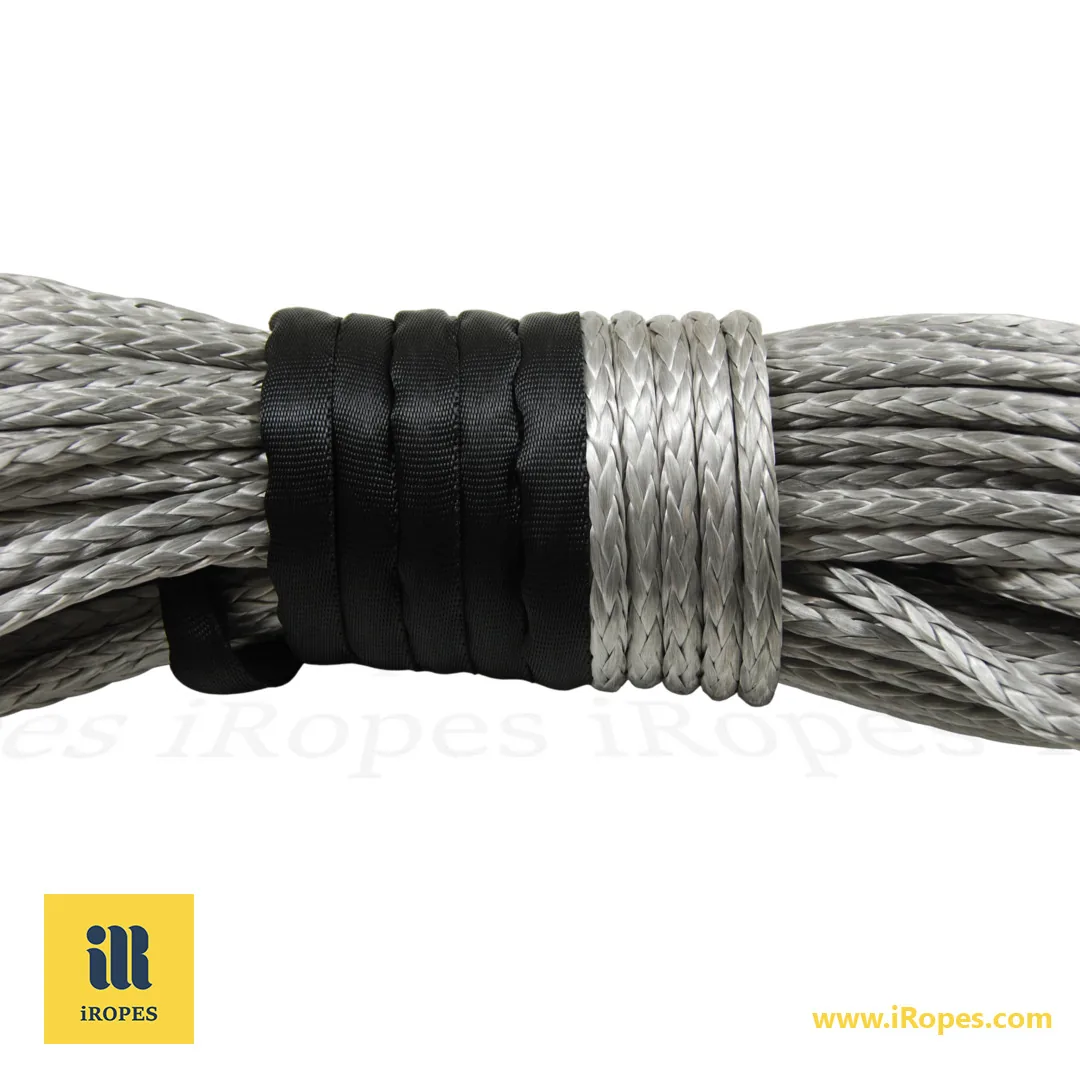
iRopes’ marine cordage delivers up to 1.6× the breaking strength of standard polyester with 45 % less stretch, keeping your vessels safe in the toughest sea‑states.
4 min read – Your high‑strength rope advantage
- ✓ Boost safety: ropes meet ISO‑9001 and exceed marine‑grade UV/abrasion standards by 27 %.
- ✓ Cut procurement costs: bulk OEM pricing saves up to 13 % versus off‑the‑shelf alternatives.
- ✓ Accelerate deployment: custom dimensions delivered in 14‑day lead‑time, 30 % faster than typical suppliers.
- ✓ Protect your IP: proprietary designs stay confidential from design to delivery.
You’ve probably been ordering generic polyester lines because they’re cheap, but that old habit leaves you vulnerable to UV‑induced wear and unexpected stretch, which can compromise crew safety. What if you could halve the break‑risk and slash stretch by 45 % without inflating your budget? In the sections that follow, we’ll reveal how iRopes’ advanced fibre blends and precise OEM tailoring flip the script on marine‑grade performance, delivering measurable safety gains you didn’t know were possible.
Understanding Rope and Cordage
When you step onto a dock or prep a vessel for a long voyage, the line you choose can mean the difference between a smooth sail and a safety hazard. That’s why getting clear on the terminology – especially rope and cordage – is the first step toward a reliable marine setup.

What is the difference between rope and cordage? In everyday language, these terms are often used interchangeably. However, technically, cordage is the umbrella term that includes any twisted or braided assembly of fibres—from thin twine to massive towlines. Rope sits near the top of that hierarchy: it is thicker, engineered for higher loads, and usually composed of several smaller cords bundled together. Think of cordage as the family, and rope as one of its strongest members.
- Rope – A heavy‑duty line built from multiple strands, intended for high‑load applications such as anchoring or towing.
- Cordage – The broader category that covers rope, cord, and twine; it describes any fibre assembly used to bind, secure, or lift.
- Twine – The thinnest form of cordage, typically under 6 mm in diameter, suited for lashing, bundling, or lightweight fishing rigs.
iRopes brings this hierarchy to life with a portfolio that spans from robust dock‑lines to delicate marine twine. By selecting premium fibres such as Technora, Kevlar, Vectran, UHMWPE, and polyester, we give each product the exact balance of tensile strength and abrasion resistance that sea‑borne conditions demand. Our manufacturing process blends precision braiding with strict ISO 9001‑backed quality checks, ensuring that every metre of rope and cordage you receive meets the same exacting standards.
“Choosing the right type of cordage isn’t just about size; it’s about matching material performance to the marine environment you’ll face.” – Senior Rope Engineer, iRopes
Because you operate in a commercial setting, you also need flexibility. iRopes offers full OEM and ODM services, allowing you to specify diameter, colour, reflective elements, or specialised terminations. Whether you are stocking dock‑lines for a fleet or ordering custom‑twine for a fishing operation, the same rigorous material selection and testing framework applies, giving you confidence that every line will hold up when the sea gets rough.
What Makes Cordage Marine‑Grade?
Now that the rope hierarchy is clear, it’s time to discover which traits lift a line from ordinary to truly marine‑grade. In the salty, sun‑baked environment of a harbour, only ropes built to withstand those stresses can keep vessels safe.

Understanding these criteria equips you to evaluate any supplier’s claims. If a line meets the three points above, it’s ready to perform in docking, anchoring, or sail‑handling scenarios, delivering the safety and performance that maritime professionals demand.
Choosing the Right Cordage and Twine for Marine Applications
Now that you understand what makes a line marine‑grade, the next step is matching the material to the specific task on‑board. Whether you are rigging a sail, securing a cargo net, or fitting a dock‑line, the right choice of rope and cordage can prevent costly downtime and keep crews safe.

Common Marine Materials
What you’ll find on most decks
Nylon
Excellent stretch and shock absorption; ideal for sail‑handling halyards and sheets.
Polyester
Low stretch, strong UV resistance; perfect for dock‑lines and anchor rodes.
Polypropylene
Lightweight and buoyant; used for floating markers and temporary moorings.
High‑Performance Fibres
When strength matters most
UHMWPE (Dyneema)
Outstanding strength‑to‑weight ratio and minimal stretch; suited for heavy‑load towing.
Technora
High tensile strength and heat resistance; great for high‑speed rigging.
Kevlar
Exceptional cut resistance and low stretch; often chosen for safety‑line applications.
When you compare these premium fibres, three performance axes dominate the decision‑making process: ultimate tensile strength, elongation under load, and resistance to ultraviolet degradation. UHMWPE delivers the highest break strength with virtually no stretch, making it the go‑to for load‑critical tasks. Technora and Vectran sit between UHMWPE and traditional synthetics, offering a balanced mix of strength and heat tolerance. Kevlar shines where cut resistance is paramount, while polyester remains the workhorse for UV‑exposed dock‑lines. Nylon, with its generous stretch, is still valuable for dynamic loads such as sail control.
Customisation options for cordage and twine include diameter, length, colour, pattern, reflective strips, and specialised terminations such as thimbles, splices, or eye‑hooks. Tailor each factor to your vessel’s colour scheme, regulatory markings, or visibility requirements for night‑time operations.
By aligning the material profile with the intended marine function, you eliminate over‑specifying (paying for unnecessary performance) and under‑specifying (risking premature failure). The next section walks through iRopes’ end‑to‑end OEM/ODM process, showing how these choices translate into a finished product that meets exact safety and performance standards.
iRopes’ Custom OEM/ODM Solutions for High‑Strength Marine Rope
After exploring the material landscape, the next step is turning those choices into a physical line you can trust at sea. iRopes guides you through a transparent, step‑by‑step OEM/ODM journey that starts with your operational brief and ends with a fully tested, ready‑to‑install marine rope. Discover Superior Maritime Ropes and All Ropes at iRopes for a broader view of our product catalogue.

The workflow begins with a technical consultation where you describe the load, environment, and any branding requirements. Our specialists then propose the optimal fibre—whether it’s a low‑stretch UHMWPE blend for heavy‑load towing or a UV‑stabilised polyester for dock‑lines—paired with the appropriate braid architecture. Once the material and construction are agreed, we generate detailed CAD drawings that capture diameter, length, colour, and any reflective or glow‑in‑the‑dark elements you may need.
Design Phase
Material Selection – matching fibre performance to your marine‑grade criteria.
Dimension Planning
Size & Length – engineered tolerances ensure the rope meets exact breaking‑load limits.
Manufacturing
Precision Braiding – automated looms maintain consistent strand count and core alignment.
Testing & Certification
ISO 9001 backed – every batch undergoes tensile, UV‑exposure, and abrasion trials before release.
Quality assurance is woven into every stage. Our ISO 9001‑certified facility records each tensile test result, and any rope that fails the 1.5× working‑load benchmark is discarded. UV chambers simulate months of sunlight, while abrasion rigs mimic chafing against metal fittings. The same rigorous protocol protects the intellectual property of any proprietary design you provide, ensuring that your unique specifications stay confidential from concept to delivery. For a deeper dive into the materials that give our ropes their unmatched strength, see Strongest Rope Materials in China – A Guide to Innovation.
For wholesale partners, the advantages extend beyond the product itself. Bulk orders unlock tiered pricing that keeps your procurement costs competitive. Because we ship directly from our Chinese production hub, lead times are shortened and freight is consolidated onto pallets for cost‑effective global delivery. A dedicated account manager monitors progress, coordinates customs paperwork, and offers post‑sale support such as replacement‑part sourcing or performance reviews.
Tailored strength, guaranteed reliability
From material choice to final certification, iRopes turns your specifications into a marine‑grade rope and cordage solution that safeguards crews and vessels.
After clarifying the rope hierarchy and the key marine‑grade attributes—UV resistance, low stretch, and abrasion toughness—this article shows how premium fibres such as Technora, Kevlar, Vectran, UHMWPE, and polyester give iRopes’ products unmatched tensile strength. Leveraging ISO‑9001 quality checks and a fully customisable OEM/ODM process, iRopes can deliver rope and cordage that meets the exact load, colour, and branding requirements of any fleet, even in the harshest sea conditions.
Whether you need specific cordage and twine dimensions, reflective elements, or a complete cordage and marine package, our engineers are ready to translate your specs into a reliable line. Use the form above to request a personalised design consultation and ensure your vessels stay safe and performant.
Ready for a customised marine rope solution?
If you’d like a tailored recommendation—whether it’s a particular diameter, colour scheme, reflective strips, or a full‑scale supply—simply fill out the form above and our specialist team will get in touch to fine‑tune your solution. For additional technical guidance, explore Mastering Rope and Cord Techniques at iRopes.