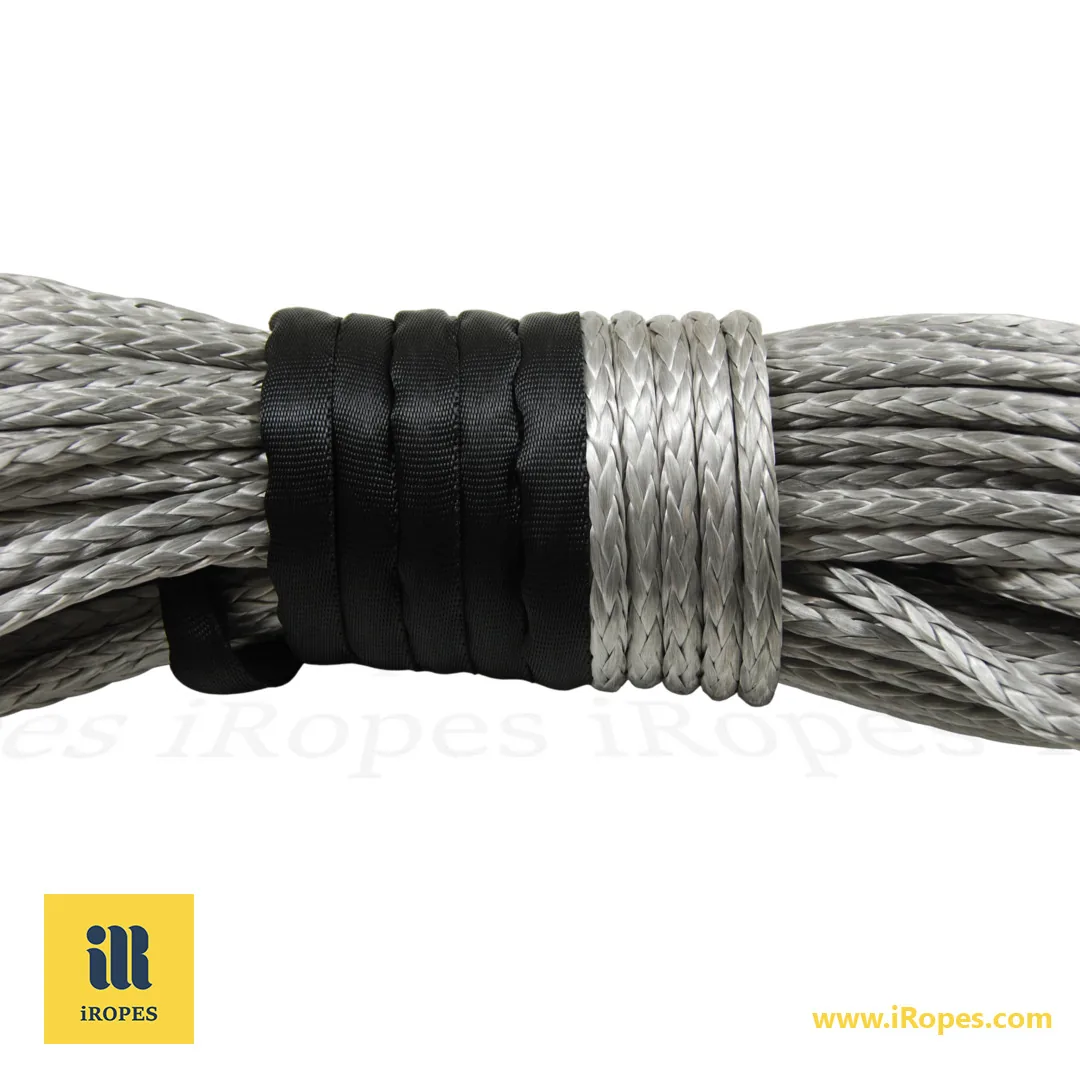
iRopes 12‑strand winch rope delivers up to 15× the strength‑to‑weight of steel and weighs about 0.4 lb/ft — roughly 80 % lighter.
What you’ll gain – 5 min read
- ✓ Up to 15× greater strength versus steel cable of the same diameter.
- ✓ About 0.4 lb/ft rope weight (≈ 2 lb/ft for steel) to reduce vehicle mass.
- ✓ Splice a damaged synthetic line in about 15 minutes with a fast fid.
- ✓ ISO‑9001 certified manufacturing for consistent, reliable quality.
Most off‑road crews bolt on a generic clamp and hope for the best. However, the right iRopes clamp, torqued to spec (often 12–15 Nm for aluminium), resists slip and protects the rope. Combine that with a fast fid for splicing and a 12‑strand Dyneema rope, and you’ll improve control, reduce wear, and handle trail repairs with confidence. Discover the exact setup that turns a risky recovery into a smooth, lightweight power transfer.
winch cable clamp tool – secure your rope to the drum
After you’ve learned how a fid rope tool can rescue a broken line, the next critical piece is keeping the rope firmly attached to the winch drum. A properly fitted winch cable clamp tool stops the rope from slipping, which is the difference between a clean recovery and a dangerous snap.

Core components and definition
A winch cable clamp tool typically uses a hardened U‑bolt clamp over a contoured saddle to spread load‑distribution across the rope. Two locking nuts are tightened to a stated torque to secure the assembly to the drum or anchor point.
Compatibility overview
Use the following as an example guide, then confirm sizes in your winch manual and the clamp manufacturer’s instructions.
| Drum diameter | Compatible lines |
|---|---|
| ≤ 3.5 in (small drums) | Synthetic 3/16"–5/16"; steel 3/16"–1/4" |
| 3.5–5 in (medium drums) | Synthetic 5/16"–7/16"; steel 5/16"–3/8" |
| ≥ 5 in (large drums) | Heavy‑duty synthetic (Dyneema, UHMWPE) up to 1/2"; steel 7/16"–1/2" |
How to install a winch cable clamp
Answering the common query “How to install a winch cable clamp?” – follow these five quick steps. Each step stays under fifteen words to fit the featured‑snippet format.
- Position the clamp at the drum anchor with the rope tail.
- Seat the rope in the saddle’s channel, centred and straight.
- Fit the U‑bolt over the rope and through the saddle.
- Tighten nuts evenly to spec (12–15 Nm aluminium), using threadlocker.
- Pre‑tension 8–10 wraps, then verify torque and alignment.
Safety checklist
Even the best clamp can fail if you ignore routine checks. Use this short list before every outing.
- Torque verification – confirm nuts are tightened within the specified Nm range.
- Visual inspection – look for cracked sleeves, stripped threads, or corrosion.
- Schedule – re‑torque after every 10 pulls or monthly for heavy use.
- Rope protection – ensure no sharp edges touch the rope under load.
With the clamp locked, the rope stays true to the drum, setting the stage for the fid rope tool to handle any splice you might need later. The next section will show how that tool completes repairs on synthetic lines.
fid rope tool – fast and reliable synthetic line splicing
With the winch cable clamp now firmly holding the line, the next piece of equipment that turns a broken synthetic rope into a fresh‑as‑new splice is the fid rope tool. This handheld device lets you finish a repair without returning to the workshop, keeping you moving forward on the trail.
“The Fast Fid let me splice a Dyneema line in under ten minutes – a lifesaver when I’m stuck in a mud‑hole.” – Jenna, 4×4 enthusiast.

What is a fid rope tool and its unique wire‑grip design?
The fid rope tool is a compact splicing aid featuring an aluminium billet that houses a tapered wire‑grip fid. The grip holds the rope fibres without crushing them, preserving the high‑strength characteristics of Dyneema or UHMWPE lines. A built‑in metric scale lets you measure bury length on the spot for a precise synthetic line splice.
Key features that matter on the trail
A fast fid combines three practical details: a non‑slip aluminium body, an integrated 0–30 cm measuring scale, and a universal throat that accepts rope diameters from 3 mm to 12 mm. The simple, debris‑shedding design works reliably in dusty or muddy conditions.
How to splice a winch rope with a fid (7‑step guide)
- Trim the damaged section square with a sharp cutter.
- Mark the required bury length using the fid’s scale.
- Feed the fid through the rope core at your entry mark.
- Capture the rope tail securely with the wire‑grip.
- Pull the tail through to form the desired eye size.
- Milk the rope so the tail buries evenly and smoothly.
- Pre‑tension and inspect before returning to service.
Maintenance tips, storage and price range
After each use, wipe the aluminium body with a dry cloth to remove grit. Apply a light film of corrosion‑inhibiting oil to the wire‑grip before storing the tool in its Cordura‑style pouch — this prevents rust and keeps the grip smooth. Prices for a genuine fast fid typically sit between US $45 and $58, positioning it slightly above generic splicing kits yet saving significant time on‑site.
Now that you know how the fid rope tool restores a synthetic line, the next part of the recovery system — choosing the right synthetic versus steel winch cable — will illustrate the performance gains you can expect from a fully upgraded rig.
recovery winch cable – choosing synthetic over steel
Now that the fid rope tool has shown you how to repair a broken line, the next decision is whether the rope you pull on should be a modern synthetic or a traditional steel cable. The choice affects every pull you make, from the weight you lift to the maintenance routine you follow.

When you compare a 12‑strand Dyneema rope with a 5/8 in steel cable, the strength‑to‑weight story is clear: the Dyneema rope can be up to fifteen times stronger than a steel line of the same diameter while weighing only about 0.4 lb per foot versus roughly 2 lb per foot for steel. That means less mass on the winch drum, easier handling, and more compact storage in the vehicle.
Synthetic Rope
Modern advantages
Lightweight
Only about 0.4 lb/ft, reducing vehicle load and improving handling.
Flotation
Floats on water, helping recovery during river crossings or wet terrain.
UV‑resistant
Resists UV degradation with proper care and storage when not in use.
Steel Cable
Traditional drawbacks
Heavier
At about 2 lb/ft, it adds significant dead weight to the rig.
Corrosive
Prone to rust when exposed to moisture, demanding frequent inspection.
No float
Sinks immediately, increasing the risk of loss in water‑based recoveries.
Cost‑per‑pull analysis backs the performance gap. A 12‑strand Dyneema rope priced at US $260 typically endures around 2 000 pulls before a 5 % strength loss — about US $0.13 per pull. By contrast, a 5/8 in steel cable costing US $120 often requires replacement after 500 pulls — about US $0.24 per pull. Over a typical off‑road season, synthetic can cut material costs by roughly 45 % while delivering a smoother, quieter pull.
Certification & Warranty
iRopes manufactures under an ISO 9001 quality‑management system and offers a typical 1‑year manufacturer’s warranty covering defects. These assurances help ensure every fibre meets the rigorous demands of professional recovery work. Confirm warranty terms with your sales representative.
Choosing the right recovery winch cable therefore isn’t just a matter of price; it’s about long‑term reliability, ease of handling, and confidence in certified manufacturing. With synthetic rope, the fid rope tool you just learned about can splice a damaged section on the trail, while the clamp you installed earlier keeps the line locked to the drum. Together they form a system that lets you tackle the next recovery with far less worry about rope failure.
System integration, buying guide, and next steps
Having seen how the winch cable clamp tool, the fid rope tool and the recovery winch cable each perform on their own, it’s time to picture them working together. When every link in the chain is correctly matched, the whole rig behaves like a single, reliable extension of your vehicle’s power.

Clamp on Drum
The winch cable clamp tool locks the synthetic line to the drum, preventing slip during high‑torque pulls.
Fid Splice
If the rope is damaged, the fid rope tool creates a clean eye splice, restoring strength without returning to the shop.
Rope Transfers Load
The recovery winch cable — whether 12‑strand Dyneema or 24‑double‑braid — carries the pull smoothly thanks to low stretch and flotation.
System Safety
With the clamp torqued correctly, the fid‑spliced eye checked, and a certified synthetic cable in place, the rig benefits from ISO 9001‑driven quality control.
When you start shopping, think in three price brackets: under $60 for quality aluminium clamps, $45–$58 for a reliable fid rope tool, and $250–$300 for a high‑grade 12‑strand Dyneema rope. Top retailers such as Factor 55, Amazon and WARN list these items with user ratings often above four stars. If you need a bespoke colour, a longer length, specific end fittings, or branded packaging, iRopes offers OEM/ODM custom quotes with ISO‑certified manufacturing and dedicated intellectual property protection.
Can a steel cable be repaired with a fid? No. The fid rope tool is engineered for synthetic fibres; steel requires a mechanical splice or a replacement segment. How often should the clamp be re‑torqued? After every ten pulls or monthly under heavy use, whichever comes first. What torque spec applies to an aluminium clamp? Typically 12–15 Nm, while steel‑body clamps need 18–22 Nm. Always follow the manufacturer’s instructions.
Download our free Winch‑Recovery Checklist to verify every component before you head out, then click “Request a Quote” to get a personalised price from iRopes.
Get a personalised quote or technical advice
By pairing a properly fitted winch cable clamp tool with a reliable fid rope tool and selecting a lightweight, ISO‑certified recovery winch cable, you boost safety, reduce vehicle load and handle repairs on‑the‑go. This guide highlights the recommended iRopes 12‑strand winch rope and 24‑double‑braid winch rope as top‑grade synthetic options that outperform steel in strength‑to‑weight and handling.
Use the inquiry form above to discuss your exact requirements, and we’ll help you select the right components and create a custom package tailored to your recovery rig.