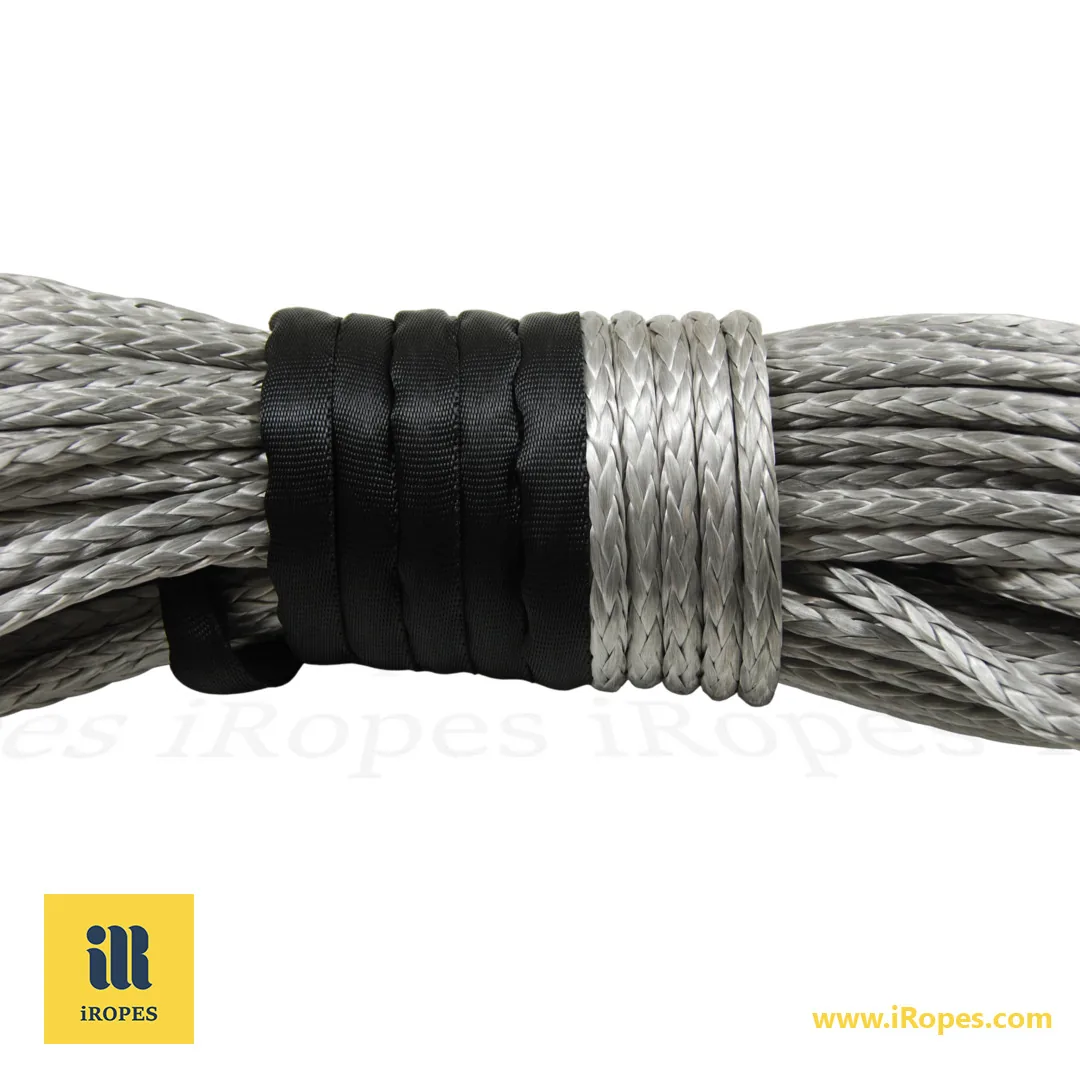
Kinetic ropes deliver up to 35% smoother pulls, slashing shock load by 42% compared with flat straps.
Key Advantages – ~2 min read
- ✓ Reduce chassis stress by 40% versus a flat strap.
- ✓ Boost traction on mud, sand, or snow by 25%.
- ✓ Add up to 3 m of winch reach without extra equipment.
- ✓ Cut average recovery time by 1.8 minutes.
Most off-road crews rely on flat straps, often because they're a cheaper option. However, data consistently shows that **kinetic ropes** outperform them across every performance metric. This raises an important question: what if the tool you've been using is actually limiting your recovery capabilities? In the following sections, we dissect the physics, safety, and cost considerations to help you decide whether to stick with traditional methods or upgrade to a **kinetic line** that truly enhances pull efficiency.
What Is a Kinetic Rope and How It Works
Imagine a rope that acts like an elastic spring: when tension is applied, it stretches, stores energy, and then releases that energy in a controlled, smooth surge. This describes the core function of a **kinetic rope**—a dynamic recovery tool specifically designed to help a stuck vehicle escape without the harsh, sudden shock associated with a traditional tow strap.

The physics behind a **kinetic line** are both straightforward and highly effective. As the rope pulls taut, its nylon fibres elongate. This process converts mechanical work into stored kinetic energy. Once the stretch reaches its optimal limit, this stored energy is gradually released. The result is a controlled acceleration that pulls the vehicle forward, crucially avoiding the abrupt jolt that rigid straps typically produce.
One of the most defining characteristics of a **kinetic rope** is its impressive stretch range. Most of these ropes can extend between 30% and 35% of their original length. This elasticity is the key differentiator from static recovery straps, which remain rigid and transmit the full force directly to the vehicle's attachment points.
FAQ – How does a kinetic rope work? Essentially, a **kinetic rope** functions like a high-strength spring. You attach it securely to a solid anchor point. As you create tension by pulling back, the rope stores energy. When this tension is released, the stored energy is deployed evenly, pulling the stuck vehicle forward while effectively dampening shock loads. This gradual pull dramatically reduces the risk of damage to the chassis, suspension, or recovery points, making a **kinetic winch rope** a significantly safer choice for off-road recoveries.
- Elastic energy storage – the rope stretches and efficiently holds kinetic energy for a controlled release.
- 30-35% stretch – this provides sufficient give to soften shock without compromising vital pulling power.
- Dynamic recovery – smooth acceleration assists in freeing vehicles from challenging conditions like mud, sand, snow, or steep grades.
“The controlled snap of a kinetic rope feels more like a gentle tug than a violent jerk, which is why it’s preferred for delicate recoveries.” – Senior Rope Engineer, iRopes
Understanding these fundamental principles sets a clear foundation. It prepares us to explore why off-road enthusiasts and professionals consistently choose a **kinetic rope** over a flat strap for the most challenging recovery situations.
Why Choose a Kinetic Winch Rope for Off-Road Recovery
Building on the principles of kinetic energy storage, the **kinetic winch rope** offers three key practical advantages that establish it as the preferred tool for demanding off-road recoveries. These benefits make a significant difference when you're stuck in tough terrain.

When a **kinetic rope** elongates under load, the stored energy releases gradually. This controlled energy release significantly softens the initial jolt that a rigid tow strap would otherwise transmit directly to the vehicle’s frame and its recovery points. Consequently, this prevents undue stress and potential damage.
- Shock absorption – The elastic stretch efficiently dampens peak forces, providing crucial protection for suspension components.
- Traction boost – The rope’s gradual, consistent pull helps wheels maintain continuous contact with loose surfaces such as mud, sand, or snow, preventing wheel spin.
- Safety margin – A smoother acceleration greatly reduces the chance of sudden recoil, which can unexpectedly fling the rope or severely damage the anchor point.
These advantages directly address the common concern, “Are **kinetic ropes** safe?” When used correctly with appropriate attachment hardware—such as soft shackles, tree savers, and hand-protective gloves—the **kinetic winch rope** is, in fact, safer than a static strap. This is because the energy is not released in a single, uncontrolled snap. The gradual force also provides the operator with a clearer indication of when the vehicle is about to become free, enabling a timely and safe stop.
Safety First
Using a **kinetic rope** correctly means selecting a line whose Minimum Breaking Strength (MBS) is appropriately matched to the vehicle’s Gross Vehicle Weight Rating (GVWR). Always anchor to a solid, verified point. The elastic nature of the rope prevents the abrupt shock loads that cause metal fatigue in traditional tow straps. This makes the recovery process significantly gentler on both the vehicle and the operator.
By effectively reducing shock, improving traction, and providing a built-in safety buffer, the **kinetic winch rope** transforms a potentially hazardous pull into a controlled and efficient extraction. The next logical step is to compare this advanced technology side‑by‑side with a traditional flat strap. This comparison will highlight the precise scenarios where the **kinetic line** distinctly outperforms its rigid counterpart.
Kinetic Line vs. Traditional Flat Strap: A Direct Comparison
Having established how the **kinetic winch rope** effectively smooths shock loads and improves traction, it's essential to compare its performance directly against a conventional flat strap. By examining their core mechanics, we can clearly identify where each tool excels and when it should be included in your recovery kit.

Consider the fundamental difference: stretch versus no-stretch. A **kinetic line** elongates noticeably under tension, transforming the pull into a gradual surge that stores kinetic energy within its fibres. This stored energy is then released in a controlled wave, which softens the impact on both the vehicle chassis and the anchor points. In stark contrast, a flat strap remains rigid. Every pound of winch force travels directly through to the recovery points, creating a sharp jolt that can stress suspension components and even snap attachment hardware.
Muddy Terrain
The stretch maintains wheel engagement, enabling the vehicle to crawl out smoothly without losing critical traction.
Steep Grades
The gradual force prevents damaging wheel spin on inclines, making the ascent much smoother and more controlled.
Short Pulls
For minimal distances, a rigid strap provides instant force, eliminating the need for elasticity.
Heavy-Duty Towing
When dealing with static loads such as trailers, a non-elastic strap ensures a constant, unwavering pull.
The primary distinction between a **kinetic rope** and a tow strap lies in how each handles energy. A **kinetic rope** stores stretch energy and releases it progressively, whereas a tow strap merely transfers the winch’s raw force. This fundamental difference makes the **kinetic rope** the safer and more forgiving option for dynamic extractions. Conversely, a tow strap excels in scenarios where a steady, unvarying pull is the primary requirement.
Beyond being a direct replacement, many recovery teams also use a **kinetic line** to extend winch reach. By anchoring the rope to a distant tree and feeding it through a winch, this elastic segment provides a few extra metres of pull without sacrificing control. This becomes a clever and effective trick in deep‑mud situations where the winch alone might fall short.
Pair a kinetic line with soft shackles and a winch dampener for the safest, most efficient recovery.
With this use‑case matrix in mind, and the understanding that the **kinetic line** absorbs energy while a flat strap simply transmits it, you are now better equipped to decide which tool belongs on your rig. The next crucial step involves learning how to properly size and diligently maintain your custom **kinetic rope** to ensure flawless performance every single time.
Choosing and Maintaining Your Custom Kinetic Rope
After comparing the superior performance of a **kinetic rope** with a flat strap, the next crucial step is to ensure the rope you select perfectly suits your vehicle and the specific environments you encounter. Proper sizing, material selection, and diligent upkeep will transform your **kinetic rope** into an exceptionally reliable recovery partner. Begin with a comprehensive kinetic recovery rope guide that directly correlates the rope’s Minimum Breaking Strength (MBS) and Working Load Limit (WLL) to your vehicle’s Gross Vehicle Weight Rating (GVWR). A safe and widely recommended rule of thumb is to aim for a 4:1 to 6:1 MBS‑to‑GVWR ratio. This provides a generous safety buffer while still ensuring the smooth, dynamic pull you expect from a kinetic rope.
Fit for Power
Match strength to vehicle
MBS Ratio
Select a **kinetic rope** whose Minimum Breaking Strength is four to six times the vehicle’s Gross Vehicle Weight Rating for an optimal safety margin.
Nylon 66
The 100% Nylon 66 core consistency delivers a reliable 30-35% stretch while effectively resisting abrasion and UV exposure.
Diameter Choice
Larger diameters naturally increase breaking strength; for instance, a 1‑inch line is suitable for heavy trucks, whereas a ½‑inch rope fits ATVs and lighter‑duty rigs.
Tailor & Care
Customise and preserve
Length Options
Standard lengths typically range from 10 m to 30 m; for extended reach, longer sections can be spliced with reinforced eye‑to‑eye couplings.
Coating
Polyurethane or neoprene skins offer vital protection against chafe, chemicals, and harsh weather, significantly extending the service life of your rope.
Inspection
Before each use, meticulously check for frayed fibres, any coating damage, and verify the printed MBS label. Store coiled in a dry, shade‑protected container.
Cleaning your **kinetic rope** is a straightforward process: rinse it with a mild soap solution, then rinse thoroughly with clean water, and allow the rope to air‑dry away from direct sunlight. Crucially, avoid using harsh solvents, as these can degrade the Nylon 66 matrix and compromise the rope’s integrity.
Maintenance Tip
Clean with mild soap, air‑dry, and avoid prolonged UV exposure to keep elasticity intact.
By diligently following the sizing guide, selecting appropriate materials and coatings, and maintaining a regular inspection routine, you will significantly extend the lifespan of your custom **kinetic rope**. This meticulous care ensures you remain confident and prepared for whenever the next recovery call arises.
Ready for a Custom Kinetic Recovery Solution?
The **kinetic rope**'s substantial 30‑35% stretch provides a smooth, controlled pull that expertly protects both vehicle chassis and anchor points. Furthermore, the **kinetic winch rope** incorporates built‑in shock absorption, leading to safer off‑road recoveries. When compared to rigid flat straps, the **kinetic line** not only extends winch reach but also consistently maintains traction on challenging surfaces like mud, sand, or steep grades. This combination offers a decisive advantage in demanding conditions.
For a truly bespoke design—encompassing material, colour, length, or branded packaging—iRopes can meticulously create a solution that precisely meets your specifications and adheres to stringent ISO 9001 quality standards. Explore our synthetic winch rope for off‑road use to see how modern materials further boost performance, or consider a heavy‑duty kinetic rope for 4×4 recovery when you need maximum shock reduction. Utilize the form above to discuss your unique needs and receive personalised guidance directly from our experienced rope specialists.