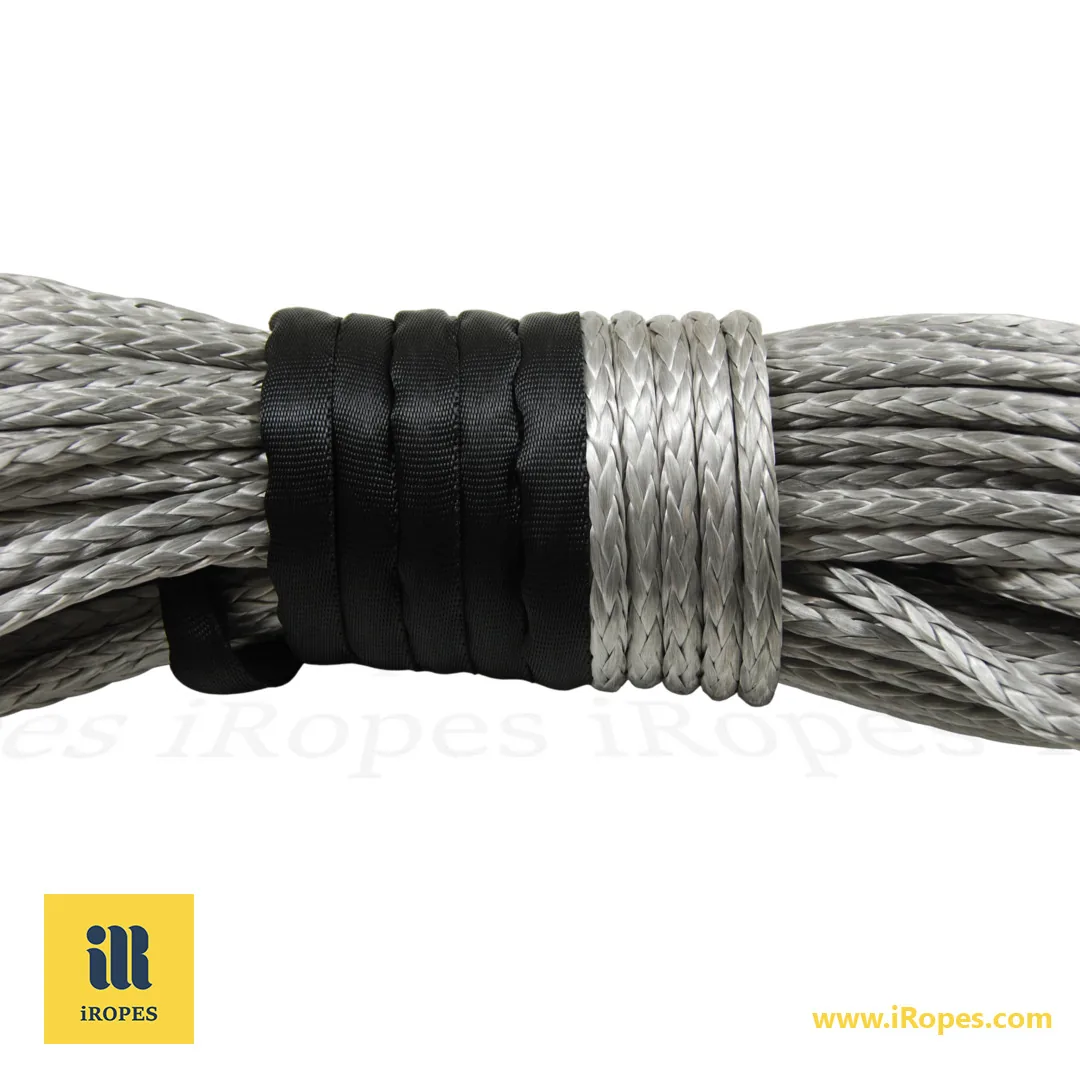
Sling protectors cut marine replacement costs by 40%—extending sling lifespans from 2-5 years amid saltwater abrasion and UV assault. iRopes' custom sleeves deliver this crucial advantage without compromising load capacity.
Discover Tangible Gains in ~7 Minutes
- ✓ Boost sling durability by 300% against chafe and cuts, significantly reducing annual replacements for yachting fleets and offshore operations.
- ✓ Achieve OSHA 1910.184 compliance effortlessly, preventing accidents that can stall operations for days.
- ✓ Tailor UV-resistant designs via iRopes' OEM/ODM services, precisely matching your rope diameter for seamless marine integration.
- ✓ Unlock 40% cost savings through reduced downtime and extended equipment life, turning protective investment into swift ROI.
You are rigging heavy loads on a pitching deck, salt spray stinging your eyes—yet one hidden fray could spell disaster and thousands in losses. What if a simple sleeve could flip that script, shielding your slings from propeller nicks and relentless sun without adding bulk? Dive deeper to uncover how iRopes' precision customisations not only meet ASME standards but transform your marine workflow into a fortress of efficiency and essential savings.
What Are Sling Protectors and Their Role in Marine Lifting Safety
Imagine you are out on the water, hauling heavy gear onto a yacht or securing cargo in rough seas. One wrong snag, and your lifting sling could fail, turning a routine job into a serious incident. That is precisely where sling protectors come in, acting as your crucial first line of defense in unpredictable marine environments.
Sling protectors for lifting are essentially durable sleeves or pads designed to wrap around lifting slings. They shield them from the harsh wear and tear of daily use. These components serve as sacrificial layers that absorb the brunt of abrasion and cuts, particularly in saltwater-soaked and UV-battered conditions where unprotected slings degrade rapidly. Think of them like a tough jacket for your ropes. Without this protection, constant exposure to corrosive salt, intense sunlight, and rough surfaces quickly eats away at the material.

In marine lifting, where everything from boat hulls to anchors causes chafe, these protectors prevent damage from reaching the sling itself. Have you ever wondered why some rigging setups last significantly longer than others? It is often due to smart additions like these, which keep the core strength and integrity of the slings intact. The essential purpose of a sling protector sleeve is to significantly extend the lifespan of lifting slings. While slings typically last between two to five years under normal conditions, this can be drastically shortened in harsh marine settings.
By mitigating specific issues like chafe from rubbing against boat hulls or deck fittings, protectors target the unique threats of saltwater corrosion and UV degradation. For web slings, made from flat nylon or polyester webbing, protectors add a crucial buffer against snags on sharp edges. Round slings, those flexible bundles of fibres, benefit from tubular sleeves that distribute pressure evenly during heavy lifts. Even wire rope slings, with their metallic cores, get wrapped to prevent accelerated rust from salt spray.
In practice, this means fewer surprises during operations like yachting or offshore work. Instead of constantly inspecting for hidden cuts or fraying, you can focus on the task at hand. This approach also aligns with OSHA standards, which require protection against sharp or abrasive surfaces to ensure safe rigging—a requirement sling protectors deliver without complicating your workflow.
- Web Sling Coverage: These flat slings handle broad loads but wear quickly on rough marine surfaces; protectors like wear pads prevent fibre separation.
- Round Sling Shielding: Ideal for awkward angles in boat handling, sleeves ensure the inner core remains protected from UV-induced weakening.
- Wire Rope Defense: In salty air, metal strands corrode quickly. Abrasion-resistant covers reduce friction and extend service intervals significantly.
By wrapping these key sling types—web, round, and wire rope—protectors not only boost safety but also keep your marine lifting operations running smoothly. Having established this fundamental role, we shall now examine the specific threats they counter in demanding marine settings to understand their necessity better.
Understanding Types of Damage and Lifting Sling Protectors for Marine Environments
Now that we have covered how sling protectors shield your gear from everyday hazards, it is important to delve into the actual causes behind sling failures in salty, sun-soaked marine environments. Picture this: you are rigging a load on a pitching deck, waves crashing nearby, and your sling begins to fray before you even finish the job. The specific threats here are not just general wear and tear; they are targeted assaults from the environment itself. In marine lifting, abrasion and cutting stand out as the primary culprits, each requiring a distinct type of defense from your lifting sling protectors.
Abrasion refers to the slow, grinding erosion from constant friction, such as when your sling rubs against rough deck planking or anchor chains day after day. It is the saltwater equivalent of sandpaper on fabric—over time, it thins out fibres and weakens the entire structure. Cutting damage, in contrast, occurs more abruptly and forcefully: sharp edges from propellers, barnacle-crusted hulls, or jagged metal fittings slice directly into the material, potentially causing sudden breakage under load. Have you ever seen a sling with a clean gash after brushing against a propeller? That is cutting at work, and it is why no protector is truly cut-proof, though they are designed to be cut-resistant enough to provide crucial protection. The primary difference? Abrasion wears down materials gradually through repeated contact, while cutting delivers immediate, penetrating harm from sharp threats. Chafe gear and similar protectors address both, ensuring your setups meet OSHA’s requirements for safeguards against these specific risks, maintaining both legal compliance and operational safety.

To combat these threats effectively, tailored lifting sling protectors offer designs built specifically for ocean conditions. Edge guards wrap around high-risk spots like corners, utilising tough, flexible materials to deflect slicing forces without slipping during lifts. Wear pads, these flat reinforcements, spread out friction loads on broader surfaces, effectively absorbing the rub from anchors or decks. Both types are engineered for UV resistance—meaning fabrics that do not become brittle under continuous sun exposure—and saltwater corrosion prevention. This often involves coatings that repel moisture and salt buildup, enhancing durability. Adding these simple edge guards and chafe gear can change the replacement cycle from yearly to every other year, making a significant impact on marine operations.
Abrasion Risks
Constant rubbing on decks or chains erodes fibres slowly, demanding broad-coverage pads to evenly distribute wear.
Cutting Threats
Sharp props or edges can slice deeply; edge guards provide a critical barrier to blunt the impact and save the sling.
UV and Salt Defense
Special coatings on protectors fend off sun degradation and corrosion, keeping materials pliable and strong for longer.
Tailored Fits
Custom edge guards and pads adapt precisely to your sling’s diameter, ensuring snug and effective protection even in wet conditions.
These solutions are not one-size-fits-all; iRopes crafts them to fit your exact marine setup, blending durability with ease of use. If your next lift could avoid an unexpected tear, would not proper protection make all the difference? With these threats competently addressed, it is logical to explore the range of sling protector sleeve designs that convert effective defense into everyday reliability.
Sling Protector Sleeve Designs and Customisation for Extended Marine Use
Building on the targeted defenses against abrasion and cutting, the actual differentiator often lies in designs that make protection practical and adaptable to your daily marine routine. When you are dealing with the unpredictable motion of waves or the tight spaces on a spearfishing boat, you need a sling protector sleeve that slips on quickly and stays securely in place. These are not merely bulky add-ons; they represent smart engineering that transforms potential weak points into fortified zones, keeping your lifts secure without impeding your workflow.
Let us break down the main varieties. Quick sleeves, often featuring Velcro closures, allow you to wrap and secure them in seconds—perfect for fast-paced yachting jobs where time is of the essence. Sewn sleeves offer a more permanent fit, stitched for enhanced durability and less likely to shift during heavy pulls, making them ideal for repeatedly hoisting gear in rough conditions. Then there are tubular options, seamless tubes that slide over the sling like a glove, providing uniform coverage for round slings used in anchoring or cargo securing. Each type addresses marine-specific challenges, from saltwater saturation to constant flexing, ensuring your ropes endure the rigours without premature fraying.

What truly sets iRopes apart is our OEM and ODM approach, where we fine-tune these sleeves to match your exact setup. Do you need a longer sleeve for oversized yacht ropes? We adjust the length and diameter precisely. For spearfishing in dimly lit waters, we incorporate reflective strips that glow under low light, making your rigging visible during dawn patrols or foggy conditions. It is also important that these customisations align with your branding—perhaps a custom colour scheme or logo woven in, ensuring your gear looks professional. This level of tailoring means zero compromises; your protectors evolve seamlessly with your operations.
Naturally, maximising the effectiveness of these protectors begins with proper placement. When attaching your lifting sling, position the sleeves directly at the contact points with loads—those areas where the rope meets sharp edges or rough surfaces. This ensures even padding and adheres to ASME B30.9 guidelines, which emphasise protecting against any damage that could compromise the sling's integrity. Ensuring proper placement is key to transforming potentially risky lifts into consistently reliable ones.
Sleeve Types
Quick and Versatile
Quick Sleeves
Velcro-fastened for instant use on dynamic marine lifts, offering superior flexibility.
Sewn Sleeves
Sturdy stitching ensures firm placement, holding strong against constant saltwater motion.
Tubular Sleeves
Seamless coverage provides even pressure distribution on curved ropes, enhancing protection.
Customisation Options
Tailored for Marine
Length Adjustment
Scale to perfectly fit long yachting or shorter spearfishing ropes, providing optimal coverage.
Diameter Matching
Precise sizing prevents slippage in wet environments, ensuring continuous protection.
Reflective Add-Ons
Boost visibility for safer night or low-light operations, critically enhancing crew safety.
These highly adaptable designs mean your marine gear stays protected for longer, setting the foundation for understanding how such investments significantly reduce expenses and enhance safety over time.
Benefits of Sling Protectors: Safety, Compliance, and 40% Savings on Marine Replacement Costs
Those customisable sleeve designs we just explored do not merely add convenience—they deliver genuine, tangible returns that keep your marine operations running smoothly, without the constant concern of equipment failures. When you are out there battling swells and salt spray, the last thing you need is a sling giving way mid-lift. Sling protectors effectively create a reliable barrier, transforming potential hazards into manageable routines and allowing you to concentrate on the most critical task: getting the job done safely.
Firstly, let us address safety, as nothing is more important than protecting your crew and cargo. In the relentless UV glare and chemical-laced spray of marine work, unprotected slings can weaken imperceptibly until a catastrophic failure occurs. Sling protectors prevent precisely this by absorbing impacts and resisting degradation, directly meeting OSHA 1910.184 requirements. This standard mandates safeguards against sharp edges and abrasions to prevent catastrophic failures, ensuring your setups comply effortlessly. It is simple: adequately protect those high-friction zones, and you drastically reduce the risk of incidents that could incapacitate your vessel for days.
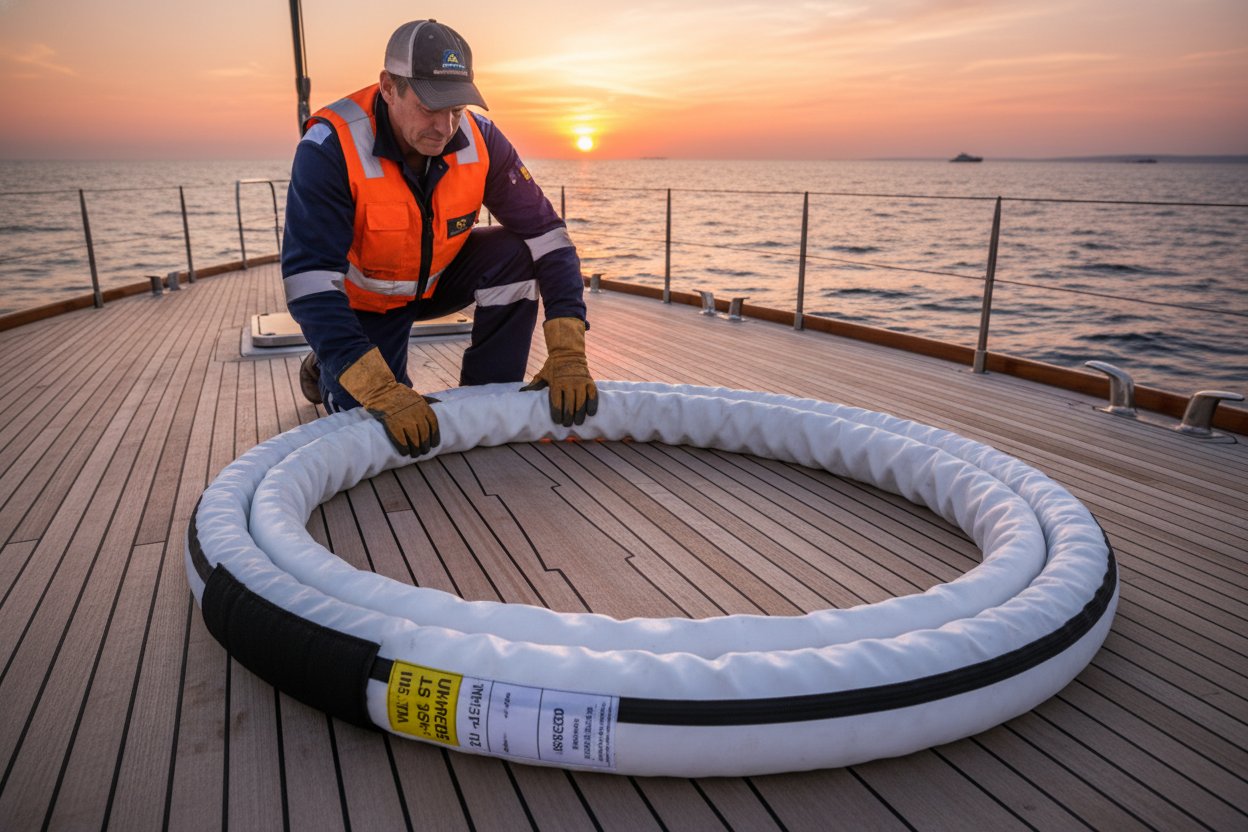
Beyond immediate protection, these additions significantly extend your slings' working life. While a typical sling might last two to five years under normal conditions, this lifespan diminishes sharply in marine environments without proper protection. The solution involves advanced materials and methods for UV protection. For instance, materials like UHMWPE—ultra-high molecular weight polyethylene—form the backbone of extremely effective UV shields. This super-tough synthetic is lightweight yet incredibly strong. It repels the damaging effects of sunlight and shrugs off chemical attacks from fuels or cleaners, keeping fibres intact much longer. You will find that opting for UHMWPE-reinforced protectors can halve your replacement frequency compared to swapping out basic nylon slings seasonally, freeing up your budget for other essential investments.
When it comes to budget, the numbers present a compelling argument for any wholesale operation. Investing upfront in lifting sling protectors pays off handsomely; a detailed cost-benefit analysis demonstrates that they can reduce marine replacement expenses by 40% over time. Consider the often-overlooked hidden costs: downtime from accidents or rushed inspections can significantly escalate losses, not to mention potential liability claims. For a mid-sized yacht service, this could translate into saving thousands annually by avoiding several full sling replacements per year. The benefit is not solely about the protector itself; it is the ripple effect of fewer interruptions and steadier workflows that directly contributes to your bottom line. For deeper insights into how these protectors can slash costs even further, explore lifting sling protectors that deliver up to 70% savings.
Quick Cost Breakdown
Protector investment: $50-200 per unit. Sling replacement: $300+ each. With 40% savings, your ROI often hits in under six months for heavy-use fleets.
What if one smart choice like this could transform your seasonal headaches into smooth sailing? As these gains accumulate, it becomes clear how partnering with experts who tailor these solutions can refine your entire rigging strategy for even greater efficiency.
In the challenging marine world, sling protectors emerge as indispensable allies, diligently shielding lifting slings from abrasion, cuts, and harsh UV exposure, all while effectively combating saltwater corrosion. Through robust designs such as edge guards, wear pads, and versatile sling protector sleeves, iRopes’ custom solutions—including UHMWPE-enhanced options with reflective elements—significantly extend sling lifespans. This ensures full compliance with critical OSHA and ASME standards. The advantages are clear: a comprehensive cost-benefit analysis indicates 40% savings on replacements, thereby minimising downtime and crucially enhancing safety for yachting, spearfishing, and offshore operations. These targeted protections transform potentially risky lifts into consistently reliable routines, empowering your team with exceptionally durable, precisely tailored gear.
Ready to safeguard your marine rigging with personalised expertise? iRopes’ comprehensive OEM/ODM services are designed to craft the perfect fit for your specific operational needs.
Customise Your Sling Protection Solutions Today
If you are keen to explore bespoke sling protectors or discuss how our custom designs can optimise your marine operations, please fill out the inquiry form above—our experienced team is ready to provide tailored advice and competitive quotes.