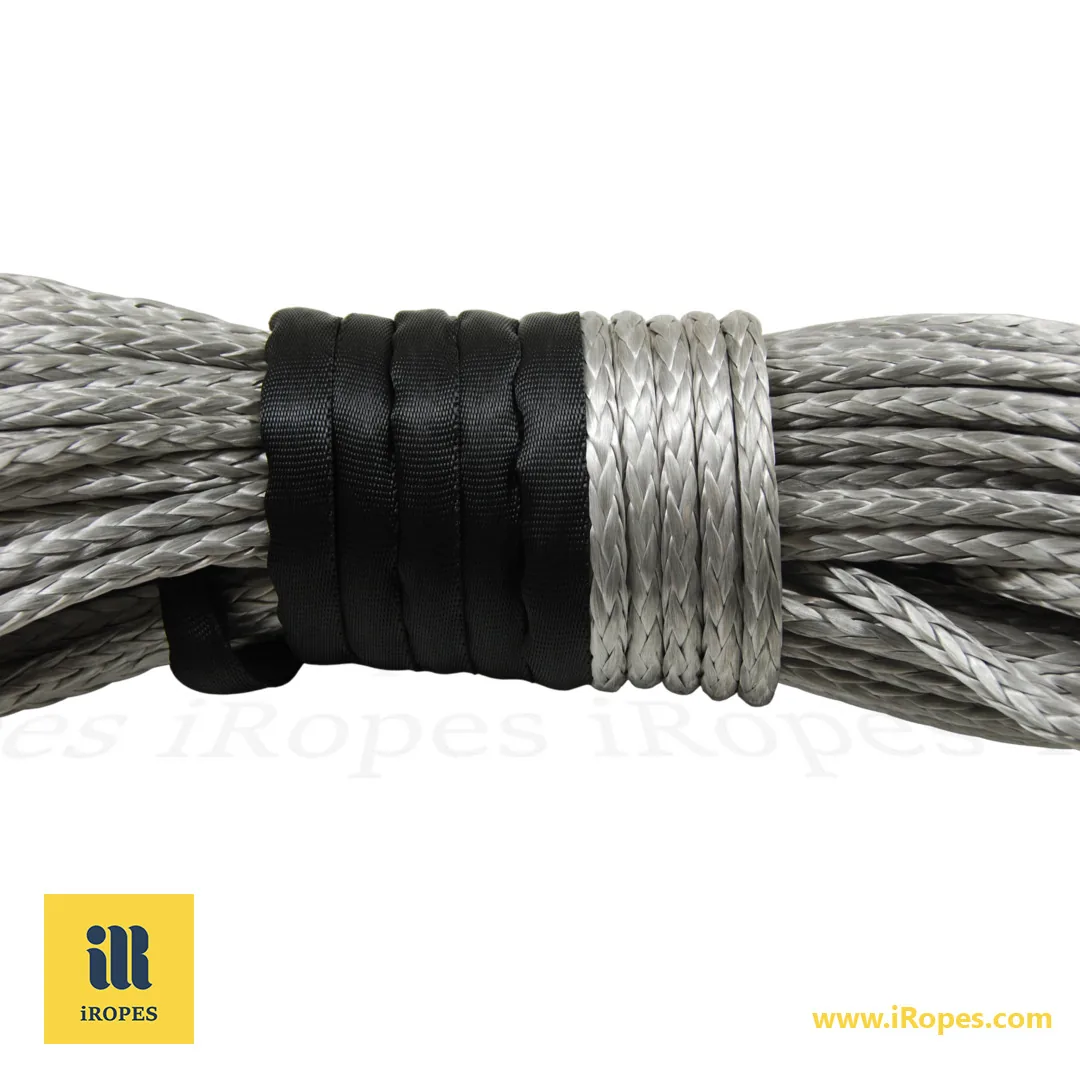
Synthetic rope outperforms steel wire rope by up to 60% less weight and a 1.4‑fold safety boost ⚡.
What you’ll gain – ~5‑minute read
- ✓ Cut project‑weight by up to 60% when you switch to synthetic rope.
- ✓ Extend service life 2‑3× in salty or UV‑intense environments.
- ✓ Increase safety factor by 1.4‑times while handling is 30% easier.
- ✓ Size the right 1‑inch clamp in seconds, preserving full load capacity.
Imagine swapping a steel cable for a synthetic line and watching your project shed 60% of its weight, all while the same clamp still delivers a 1.4‑fold safety boost. This might sound paradoxical, but it's a reality in modern rigging. In the next sections, we’ll unpack why synthetic rope consistently outperforms steel, and which 1‑inch clamp size seals the deal without compromising load capacity. Ready to discover the unexpected champion?
wire rope clamp – Definition, Functions, and Typical Uses
When you need to secure the loose end of a steel cable, the wire rope clamp is an essential component. It transforms a raw rope into a reliable eye or splice. Its primary function is to grip the rope tightly without damaging the strands, enabling you to create a fixed loop or attach the cable to a hook. Because the 1 rope clamp holds the rope by the dead‑end side, it effectively preserves the rope’s strength and prevents slippage under load.
These clamps are utilised in a diverse range of applications across many industries. You'll find them in temporary guardrails on construction sites, fencing for outdoor events, and crucial lifting assemblies in shipyards. In each scenario, the rope wire clamp offers a quick, reversible connection that can be easily inspected and re‑tightened as needed, ensuring ongoing safety and operational integrity.
A crucial safety principle in rigging is the "never saddle a dead horse" rule. This colourful phrase underscores a vital installation guideline: the U‑bolt of the clamp must always sit on the dead‑end side of the rope—the portion that does not bear the direct load. Positioning it on the live side (the "saddled" side) drastically reduces the clamp’s holding power and can lead to catastrophic failure. Adhering to this rule is paramount for safe operation.

- Definition – A metal U‑bolt and two nuts that clamp a rope’s dead‑end to form a secure eye.
- Common uses – Temporary guardrails, fencing, hoist assemblies, and marine railings where quick re‑use is required.
- Safety rule – Always place the U‑bolt on the dead‑end; never “saddle a dead horse” to preserve load capacity.
“A properly installed wire rope clamp can be the difference between a secure lift and a dangerous slip – treat it like the critical link in your safety chain.” – Senior rigging engineer, iRopes.
When you’re ready to install a wire rope clamp, follow these quick steps: first, measure the rope's diameter with precision. Next, select a clamp specifically sized for that diameter, ensuring a snug fit. Position the U‑bolt on the dead‑end side of the rope and attach the required number of nuts, typically two per side. Then, tighten these nuts to the specific torque value detailed in the product data sheet. Importantly, after the first load is applied, re‑check the nuts for any potential loss of tension and tighten as necessary to maintain optimal security.
Choosing the correct wire rope clamp begins with matching its size to the rope diameter. Additionally, confirming the Working Load Limit (WLL) is paramount; it must always exceed your application’s demands. iRopes offers both drop‑forged and malleable options, which are compliant with ASME B30.26 and FF‑C‑450 standards. This ensures you acquire a component that meets stringent industry safety requirements, providing reliability and peace of mind in critical applications.
Understanding these fundamental aspects equips you to select, install, and inspect your clamps with confidence. This knowledge sets the stage for the next part of our comparison, where we explore why synthetic rope often outperforms steel in demanding industrial and environmental settings.
Synthetic rope advantages over traditional steel wire rope
Having seen how a wire rope clamp securely fastens a steel cable, you might naturally wonder if the rope itself could be enhanced. Swapping traditional metal strands for a high‑performance synthetic line indeed changes the operational dynamics in surprising and significant ways.
First, synthetic rope offers substantial weight reduction. It can be up to 60% lighter than an equivalent steel cable, which significantly eases transport, reduces fatigue on supporting structures, and accelerates installation times. This inherent flexibility also allows you to route the line around obstacles that would typically demand costly and complex fittings with a rigid steel rope, simplifying operations and saving costs.
Second, modern fibres, such as those made from HMPE (High Modulus Polyethylene) or Aramid, are specifically engineered to withstand harsh conditions. They effectively shrug off salt spray, intense UV exposure, and damaging chemical splashes. In marine or coastal projects especially, these ropes maintain their strength far longer than galvanised steel. This superior resistance drastically reduces replacement cycles and significantly lowers the overall cost of ownership.
Third, the safety factor of synthetic rope often surpasses that of steel when both are chosen for the same load capacity. This is largely because the material's inherent elongation properties allow it to absorb shock loads more gracefully, lessening the impact on the overall system. Furthermore, handling a synthetic strand is considerably gentler on your hands, reducing the risk of injuries. Many synthetic ropes can also be spliced or tied using standard knots without requiring specialised tools, streamlining field operations.
- Weight reduction – up to 60% lighter than steel, easing logistics.
- Corrosion resistance – fibres survive salty air and chemicals without rust.
- Higher safety factor – better shock absorption and easier manual handling.

Synthetic Rope
Lightweight & resilient
Weight
Up to 60% lighter, reducing load on supports and easing handling.
Flexibility
High bend radius allows routing around obstacles without additional hardware.
Corrosion
Resists salt, UV and chemicals, extending service life in harsh environments.
Steel Wire Rope
Traditional strength
Weight
Heavier, increasing load on anchor points and requiring more labour.
Flexibility
Limited bend radius; sharp turns need extra fittings.
Corrosion
Prone to rust in marine settings unless heavily coated.
Because a compatible rope wire clamp mates seamlessly with both materials, the decision now hinges primarily on the rope’s characteristics rather than the clamp’s limitations. Consequently, industries such as offshore wind, rescue operations, and high‑rise construction are increasingly favouring synthetic solutions. They appreciate the blend of strength, lightness, and durability these modern ropes provide, optimising both safety and operational efficiency.
1 rope clamp – Selecting the appropriate clamp size for both synthetic and steel rope applications
Having explored why synthetic rope often outperforms steel, the next crucial step is to pair the line with the right wire rope clamp. The clamp you choose is pivotal, as it ultimately determines whether your rigging system delivers its rated capacity or falls short under strain, potentially compromising safety and performance.

To accurately match a clamp to a rope's diameter, first measure the rope precisely using a caliper or a dedicated rope‑diameter gauge. Keep in mind that a clamp's catalogue size typically covers a specific range; for instance, a "1‑inch" clamp usually accommodates ropes from 0.96 inches to 1.25 inches. For a 1‑inch rope, selecting a clamp that aligns with the lower end of its specified range ensures the U‑bolt grips the strands securely. Conversely, an oversized clamp can allow the rope to shift under tension, compromising its holding power and potentially leading to unsafe conditions.
If you're specifically searching for a 1 rope clamp for a 1‑inch line, the general rule of thumb is to choose a clamp whose minimum rope size is either equal to or slightly smaller than the rope you are using. Crucially, verify that the clamp’s Working Load Limit (WLL) exceeds the rope’s Minimum Breaking Load (MBL). Using a clamp with a WLL below the rope’s MBL severely compromises safety. While a higher‑rated clamp adds an extra margin of protection, it’s important to remember that it does not inherently change the existing load‑carrying capacity of the rope itself.
Material compatibility forms the next critical decision point. In coastal or chemical‑exposed environments, a stainless‑steel or hot‑dip‑galvanised rope wire clamp will resist corrosion and maintain its tensile strength considerably longer than a plain zinc‑plated version. Conversely, for indoor or dry‑site applications, a standard galvanised finish often suffices, offering a cost‑effective balance of strength and durability. Always cross‑reference the clamp’s WLL table with the rope’s specifications; iRopes provides comprehensive, downloadable charts that meticulously list torque values, dimensions, and load limits for each size, ensuring you can make an informed and safe choice.
Custom Solutions
iRopes can tailor the clamp surface (e.g., matte black, powder‑coat, or logo‑etched finish), adjust the bolt length for tighter or looser clearances, and supply branded packaging that aligns with your corporate identity. These options help you meet specific industry standards while reinforcing brand visibility on‑site.
To illustrate this, consider a project manager on an offshore wind farm. They might select a stainless‑steel wire rope clamp rated at 12 kN for a 1‑inch synthetic rope, which typically has an MBL of 8 kN. This selection provides an ample safety margin. They might then request a powder‑coat finish to perfectly match the turbine’s colour scheme, integrating aesthetics with functionality. In contrast, a construction site using the same rope for temporary guardrails could opt for a galvanised clamp with an identical WLL, effectively saving on material cost while still fully adhering to safety standards. This smart approach balances performance needs with budgetary considerations.
Understanding how to size the clamp, accurately verify its WLL, and choose a compatible material finish puts you firmly in control of the entire rigging system. This is a vital step before moving on to the final comparison of rope versus clamp performance, ensuring both efficiency and safety in every application.
After examining the function of a wire rope clamp and the clear benefits of synthetic fibre ropes—including their lightweight nature, corrosion resistance, and higher safety factor—it’s evident that choosing the right hardware is equally critical. Matching a rope wire clamp to the rope diameter, meticulously confirming the Working Load Limit, and selecting a suitable material finish ensures the system performs at peak efficiency. This holds true whether you’re outfitting offshore wind turbines or setting up temporary guardrails. For a 1‑inch line, a properly sized 1 rope clamp will preserve the rope’s rated capacity and significantly extend its service life, providing both reliability and peace of mind.
Get personalised advice on the ideal rope and clamp for your project
If you’d like expert guidance on selecting the perfect synthetic rope and compatible clamp for your specific application, simply use the inquiry form above. Our iRopes specialists are ready to help you design a solution that meets your performance, branding, and regulatory needs. With our ISO 9001 certification and dedication to custom solutions, you can trust iRopes to be your strategic partner for high‑quality, tailored rope and clamp systems.