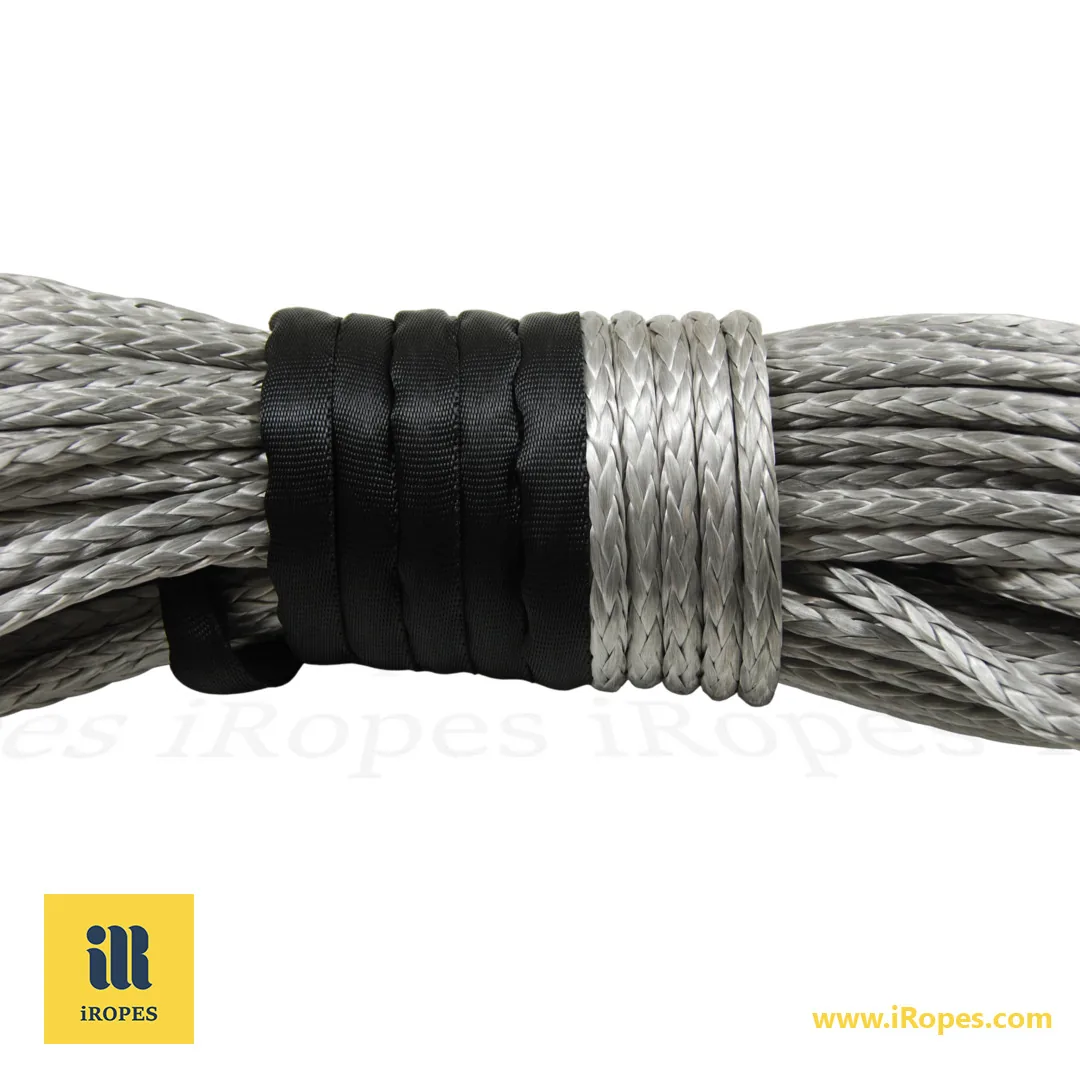
⚠️ 90% of boat tow lines snap under dynamic loads because they ignore shock absorption. Your safety lifeline in rescues, watersports, or vessel assistance hinges on materials like nylon that stretch up to 30%, cushioning jerks and dramatically slashing failure risks.
Master Tow Line Essentials in ~9 Minutes →
- ✓ Uncover the shock flaw plaguing 90% of lines, gaining insight to spot weak designs before they fail in high-stress pulls.
- ✓ Compare materials precisely, learning why nylon delivers 30% elongation for recreational tows versus HMPE's 7,200 lb strength for rescues. Solve your selection puzzles instantly.
- ✓ Calculate ideal specs, from 50-75-foot lengths that prevent wake crashes to breaking strengths boosting safety threefold in emergencies.
- ✓ Acquire custom safety protocols, transforming risky tows into reliable operations with visibility add-ons and ISO-certified tailoring for your exact needs.
You might think a thick, sturdy rope guarantees safe towing. Yet, 90% betray you mid-pull, turning fun outings or urgent rescues into watery nightmares due to brittle shock handling. What if the real secret lies in overlooked stretch factors and tailored builds that absorb chaos without compromise? Dive in to reveal how matching your line's core to real-world jerks could prevent disasters and elevate your marine command.
Unveiling the Fatal Flaw in Boat Tow Rope Design and Usage
Imagine you're out on the water, towing a friend on a tube behind your boat, when suddenly the line snaps with a sharp crack. Water sprays everywhere, and chaos ensues—your buddy's drifting away, and you're scrambling to turn back without hitting them. Stories like this aren't rare. They stem from a critical oversight in many boat tow ropes. The fatal flaw? Most designs overlook the need for proper shock absorption, causing them to fail under the sudden jerks and pulls of dynamic loads. These ropes might look sturdy, but without the right materials to handle stretching and rebounding, they snap at the worst possible moments.
Boat tow ropes come in various types, each suited to specific activities, but the core problem persists across them. For recreational watersports like tubing, waterskiing, or wakeboarding, you need a line that flexes with the rider's movements, keeping things smooth and safe. In marine rescue operations, where you're pulling a distressed vessel through choppy waves, the rope must endure heavy, erratic forces without breaking. Vessel assistance, such as guiding a boat into a dock or helping during breakdowns, demands similar reliability. Yet, over 90% of generic options fail here because they lack materials that absorb shocks effectively. Think of it like a rubber band versus a stiff wire; one gives under pressure, the other shatters.

Why does this happen so often? It boils down to ignoring key material properties, particularly elongation. This is the ability of a rope to stretch and recover without permanent damage. Nylon, for instance, excels in this area with up to 30% elongation, making it ideal for absorbing the jolts in recreational towing where waves and rider weight create unpredictable pulls. Polyester, on the other hand, offers low stretch—around 8-15%—which is great for steady pulls but can lead to failures in bumpy conditions because it transfers force directly to the connection points. I've seen this firsthand on a fishing trip where a polyester line held fine for calm docking but gave way during a sudden squall, nearly costing us our gear. In high-stress scenarios like rescues, this mismatch results in those alarming 90% failure rates reported by marine safety experts, turning a simple tow into a potential disaster.
So, what makes the best rope for towing a boat? It depends on your needs, but nylon often wins for recreational use thanks to its shock-absorbing qualities. It stretches just enough to cushion impacts without losing control. For heavy-duty rescue work, though, high-modulus polyethylene (HMPE), like Dyneema, stands out. It's incredibly strong with minimal stretch, handling massive loads while resisting abrasion from saltwater and rocks. Picture towing a 30-foot disabled yacht; HMPE's high strength-to-weight ratio keeps things stable, unlike nylon, which might elongate too much and whip around dangerously. Always match the material to the task to sidestep that fatal flaw.
Beyond materials, visibility plays a huge role in preventing accidents, especially as daylight fades. Standard ropes can blend into the water, leading to collisions or entanglements. Incorporating reflective strips or glow-in-the-dark elements ensures the line stands out, giving everyone on board—and nearby vessels—a clear view. Have you ever towed at dusk and strained to spot the line? Those added features could make all the difference, reducing risks in low-light conditions common to evening outings or foggy rescues.
Having pinpointed this shock absorption shortfall in boat tow rope designs, it's clear how everyday choices amplify the dangers in practical towing situations.
How Improper Tow Line Selection Leads to Dangerous Failures
Building on that shock absorption gap we just uncovered, the real trouble often starts when people pick the wrong type of tow line for their specific situation. Not all towing jobs are created equal, and grabbing a generic option off the shelf can turn a routine outing into a nightmare. Let's break down the main variations: lines for emergency towing versus those for recreational tubing. In emergency scenarios, like pulling a stalled boat back to shore against strong currents, you need a heavy-duty tow line with massive breaking strength. Think at least 7,200 pounds for a mid-sized vessel, to handle the sustained, high-tension pulls without giving way. Recreational tubing, on the other hand, involves quick bursts of energy from riders bouncing over wakes, so the line should prioritise some give to prevent whiplash injuries. But here's the flaw in most generic lines: they don't align with these breaking strength needs. A basic recreational rope might only rate at 2,400 pounds, fine for a couple of tubers on calm water, but it'll shred instantly if you try using it for vessel assistance in rough seas. I remember helping a buddy tow his dinghy once; we used a mismatched line, and it frayed right at the knot under moderate waves, leaving us adrift for hours.
Recreational Tubing Tow Lines
Lightweight and Flexible for Fun
Shorter Lengths
Around 50 feet to keep riders close and controllable during playful manoeuvres.
Multi-Rider Capacity
Handles 1-4 people with moderate strength ratings for wave jumps.
Bright Colors
Easy spotting to avoid tangles in crowded waters.
Emergency Towing Lines
Rugged for Rescue Reliability
Extended Lengths
Up to 100 feet or more for safe distancing in open water pulls.
High Breaking Strength
Over 10,000 pounds to manage heavy loads without snapping.
Abrasion Resistance
Built to withstand rocks and hull friction during urgent assists.
One big root cause of these failures is skimping on the construction details. Braided ropes, with their woven strands, offer superior flexibility and knot-holding power, making them less likely to tangle or kink during a vessel tow. Imagine threading a needle versus twisting a wire; the braid flows smoothly. Twisted constructions, like three-strand setups, are simpler and cheaper but stiffer, which can lead to coiling and sudden breaks under lateral stress. Overlooking this means your boat tow line might whip around uncontrollably, pulling gear overboard or worse. In my experience captaining a small charter, a twisted line we inherited from a previous owner entangled the propeller mid-assist, turning a quick fix into a full-day ordeal.
That brings up a common mix-up: folks wondering if a tow strap is better than a tow rope. Tow straps work great for kinetic recovery, like yanking a stuck vehicle with a sharp, elastic snap to build momentum. But for sustained boat towing, where you're pulling steadily over long distances, a proper tow line is essential. Straps lack the endurance and controlled stretch needed for water work, risking overload and dangerous rebounds that could capsize a smaller craft. Stick to ropes designed for the job to dodge those misuse pitfalls.

To head off these dangers, always follow safety protocols tailored to your setup. For recreational tubing, limit speeds to 15-20 knots and use hand signals for rider communication. In emergencies, double-check weather and keep constant radio contact with the towed boat. No matter the scenario, start with a pre-tow inspection: run your hands along the entire length for frays or soft spots in substandard lines, test connections for slippage, and ensure no hidden wear from sun or salt exposure. What seems like a minor oversight can save lives—ever skipped that check and regretted it? Getting these basics right paves the way for specs that truly fit your towing demands.
Essential Specifications for a Reliable Boat Tow Line
Now that we've covered those crucial pre-tow checks to spot issues early, it's time to zero in on the specs that make a tow line dependable from the start. Getting the details right means matching your setup to the demands of the water, whether you're out for fun or facing an urgent assist. Let's start with length, a factor that directly ties into control and safety.
For recreational watersports like tubing or skiing, aim for 50-75 feet as a solid baseline. This range keeps the towed object at a safe distance from your boat's wake, letting riders carve turns without getting swamped while giving you room to manoeuvre. Adjust based on your vessel's size. If you're running a larger 25-foot powerboat, lean toward the longer end to account for bigger wakes. For smaller crafts or calmer lakes, 50 feet often suffices, reducing excess slack that could lead to tangles. Ever tried towing too short and had someone plough through the spray? It turns excitement into frustration fast. And to answer a question many boaters have: how long should a tow rope be for towing a boat? The same 50-75 feet guideline applies, but factor in wake avoidance by adding 10-15 feet for open-water vessel assistance, ensuring smooth handling without straining the line during turns or swells.

Next up, breaking strength is non-negotiable for handling the loads you'll encounter. In emergency vessel assistance, target a minimum of 7,200 pounds to cover mid-sized boats up to 30 feet, providing a buffer against sudden gusts or currents. For lighter recreational pulls with one or two tubers, 4,800 pounds might do, but always scale up for safety. To counter that shock absorption flaw we discussed earlier, prioritise materials like nylon, which stretches under load to dissipate energy—like a shock absorber on a bumpy road—instead of snapping brittlely. Polyester works for steady hauls but lacks that give, so blend your choice with the scenario. I once upgraded a buddy's setup to nylon after a close call; it made all the difference in choppy conditions, keeping everything steady without the heart-stopping jerks.
No spec discussion is complete without accessories that boost longevity in saltwater's harsh grip. These add-ons protect against everyday wear, ensuring your investment lasts seasons longer.
- Chafe protection sleeves - Slip these over high-friction spots like where the line rubs against the hull or cleats, preventing fibre erosion from constant motion against rough surfaces.
- Thimbles - Metal or plastic inserts at eye splices that keep loops round and strong, distributing stress evenly to avoid weak points during heavy pulls.
- Soft shackles - Dyneema-based alternatives to metal hardware; lighter and safer to avoid injuries if they swing loose, ideal for quick connections in wet conditions.
Layering these elements creates a tow line that's not just tough but tailored, setting you up to handle towing with confidence and turning potential weak links into reliable assets.
Mastering Safety Protocols and Customisation for Boat Tow Line Success
With those key specs locked in, like the right length and strength to match your setup, the next step is putting them into action through solid protocols. This is where things get real—knowing how to handle an emergency tow can turn a tense situation into a controlled one. Let's walk through the basics of emergency towing procedures, starting with one of the most critical details: where to attach the tow rope to the boat. For secure, damage-free connections, always use the stern eyes or cleats on the transom of the towing vessel, avoiding fragile spots like the swim platform that could crack under strain. On the towed boat, a tow bridle—essentially a Y-shaped setup with two lines meeting at a central point—spreads the load evenly across the stern, preventing the hull from twisting or the cleats from pulling out. Hook it up like this: first, thread the bridle through the stern eyes on both sides, then secure the main tow line to the bridle's apex with a bowline knot for easy release if needed. I've done this during a foggy morning assist off the coast; getting the attachment right kept everything steady as we navigated back to harbour without a hitch.
- Assess the situation: Check weather and sea state before committing; abort if winds exceed 15 knots.
- Approach slowly: Manoeuvre your boat to within 10 feet of the disabled one, matching speed to avoid collisions.
- Secure the connection: Toss the line or use a throw bag, then tie off as described, double-checking for slippage.
- Tow at controlled speed: Start at 3-5 knots, communicating constantly via radio or signals to monitor stability.
- Monitor and adjust: Watch for line strain or drift, ready to cut loose if the towed vessel lists dangerously.
These steps form the backbone, but broader safety protocols keep everyone out of trouble across all towing scenarios. Stick to speed limits—never over 20 knots for recreational pulls to avoid overwhelming the line, and under 10 knots for emergencies to manage unpredictable waves. Clear communication is key: establish hand signals beforehand, like thumbs up for "all good" or a slashing motion for "stop now," and always do a weather check using apps or VHF reports to dodge sudden storms that amplify risks from weaker lines. In one outing, a quick radio hail with the towed skipper prevented a tangle when a squall rolled in unexpectedly; it's those habits that build confidence on the water.
To really dial in reliability, consider customisation from manufacturers like iRopes, who specialise in tailoring tow lines for marine wholesale needs. Their options let you spec shock-absorbing nylon cores for bumpy rescues, exact lengths to fit your vessel, and visibility boosts like reflective weaves that glow under lights— all backed by ISO 9001 standards ensuring every strand meets rigorous quality tests. For businesses handling frequent tows, this means lines that align perfectly with your operations, from yachting outfits to rescue teams. For heavy-duty applications, explore top HMPE rope manufacturers offering ultra-strong solutions ideal for demanding marine pulls.
Material Choices
Opt for nylon or HMPE blends to handle jolts without snapping, ideal for dynamic marine pulls.
Length and Diameter
Custom cuts from 50 to 100 feet, with diameters scaled to your load for precise control.
Visibility Features
Add reflective strips or bright patterns to spot the line easily in low light or fog.
Quality Assurance
ISO 9001 certified processes guarantee durability for wholesale marine demands.
Finally, maintenance is your best defence against that high failure rate we talked about earlier. Rinse lines with fresh water after every saltwater use to flush out corrosive salts, then coil them loosely in a cool, dry spot away from direct sun—UV rays degrade fibres faster than you'd think. Inspect monthly for cuts or stiff spots, and retire any line showing more than 10% strength loss from wear. Simple routines like these keep your gear ready, ensuring safe outings season after season.
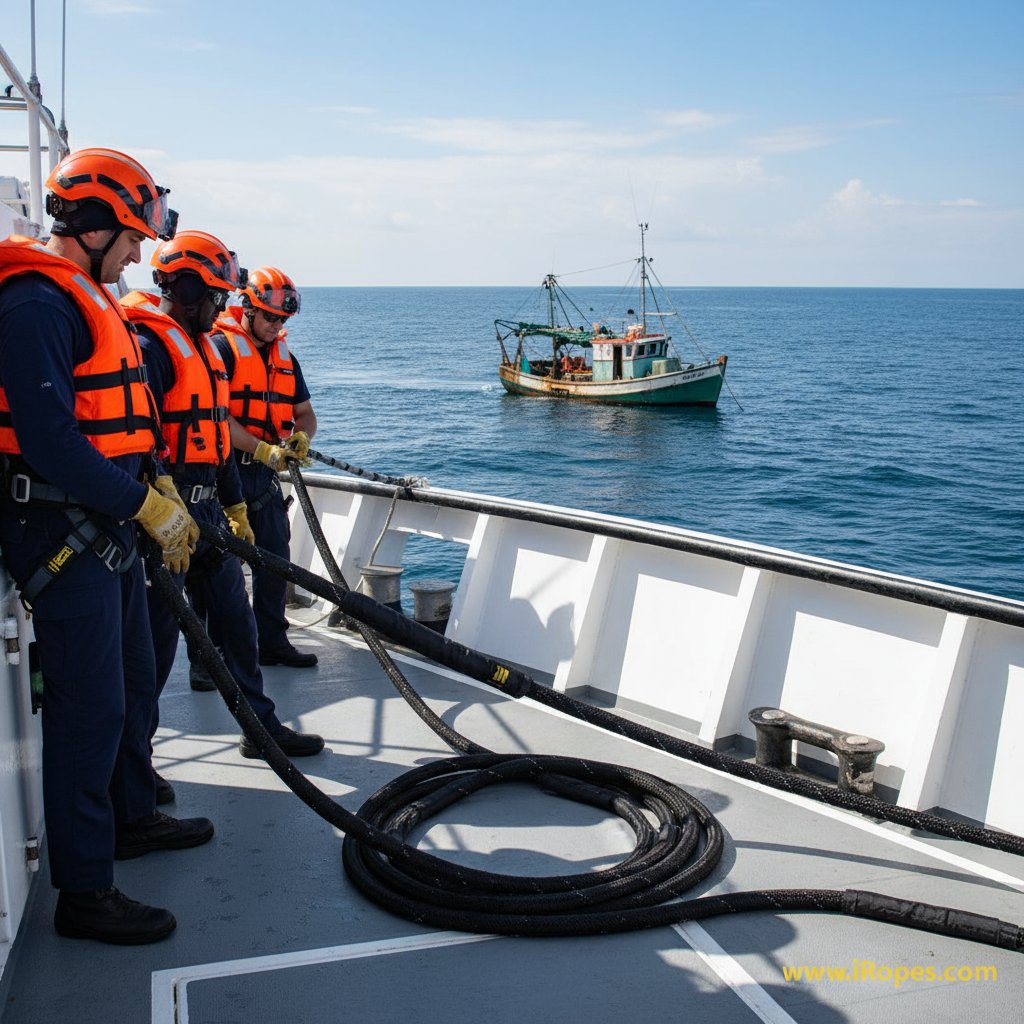
As we've explored, the fatal flaw in 90% of boat tow ropes—their lack of adequate shock absorption—can turn towing into tragedy, whether in recreational watersports, marine rescue, or vessel assistance. By choosing materials like nylon for dynamic loads and HMPE for heavy-duty pulls, along with 50-75-foot lengths calibrated for safe distances, and breaking strengths exceeding 7,200 lbs, you ensure reliability. Incorporating reflective visibility, proper attachments like stern eyes or bridles, and rigorous safety protocols—from pre-tow inspections to controlled speeds—mitigates risks, while maintenance extends lifespan. For emergency procedures, secure connections and constant communication are key to confident operations on the water.
These insights empower safer towing, but tailoring a tow line to your exact needs amplifies that security. iRopes' custom solutions, from shock-absorbing designs to personalised boat tow lines, make it straightforward to avoid common pitfalls and elevate your marine adventures.
Need Tailored Advice for Your Towing Setup?
If you're ready to discuss custom rope options or get expert guidance on specifications for your boating needs, fill out the inquiry form above—we're here to help make your towing safer and more efficient.