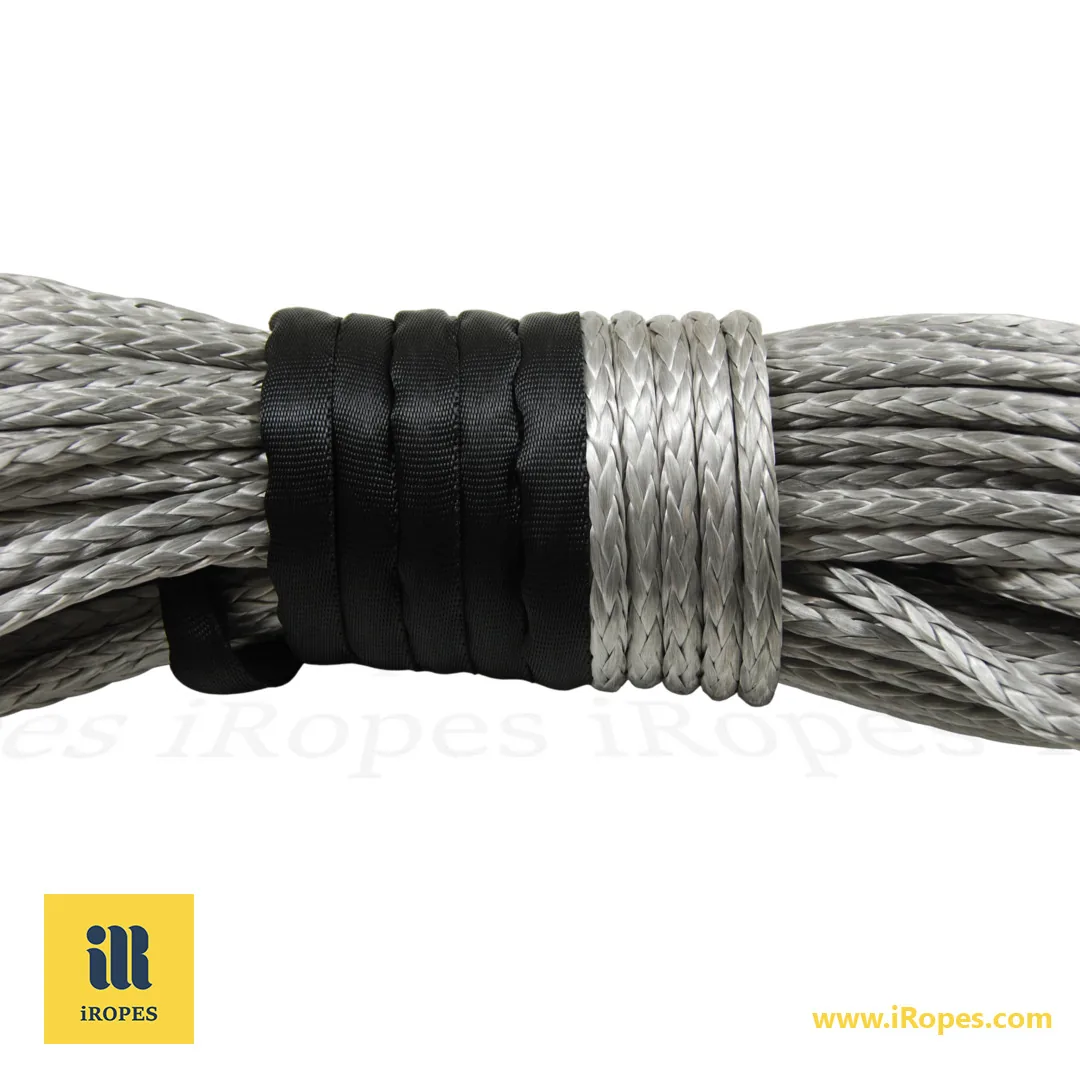
⚠️ Wrong winch rope choices cause 73% of reported failures in capstan, recovery, and anchor operations, risking snap-back injuries or equipment damage. iRopes' custom solutions—tailored with materials like double-braided polyester for capstans or nylon for anchors—slash these dangers by matching exact specs for up to 26,000 lbs safe loads.
Uncover Winch Rope Risks & Fixes in Just 8 Minutes →
- ✓ Spot capstan-specific threats like heat-induced slippage, gaining knowledge to prevent 90% of friction failures in forestry pulls.
- ✓ Master recovery rope selection, learning UV-resistant HMPE techniques to avoid snap-backs that endanger operators by 80% less kinetic energy.
- ✓ Solve anchor winch challenges with nylon's 30% stretch absorption, reducing vessel drag risks and extending rope life by 2x in marine conditions.
- ✓ Acquire maintenance skills for all winch types, implementing inspections that cut replacement needs by 40% through early wear detection.
You might reckon any sturdy rope will do for your winch, but mismatched materials turn routine pulls into high-stakes gambles. Imagine whipping snap-backs in off-road recoveries or anchor drags in choppy seas that could cost thousands in repairs or, worse, safety. What if overlooked factors like construction and environment are silently sabotaging your setup? Dive in to reveal the counter-intuitive choices that transform these vulnerabilities into unbreakable reliability, backed by iRopes' precision expertise.
Hidden Dangers of Using the Wrong Capstan Winch Rope
Imagine being out in the woods, tackling a tough logging job with your portable capstan winch. The rope starts slipping under pressure, friction builds up heat, and suddenly, everything goes wrong—perhaps a snapped line or a machine failure that puts you right in harm's way. We've touched on how winch failures can turn routine tasks into nightmares, but let's zoom in on capstan winches specifically. These tools are a game-changer for pulling heavy loads without the bulk of a full drum system, though picking the wrong rope can amplify those risks in ways you might not expect.
A capstan winch operates by using friction around a rotating drum to haul in lines. Think of it like wrapping a rope around a spinning post to multiply your pulling power, either manually or with a motor. Unlike a traditional drum winch, which winds the entire rope onto itself for storage and controlled retrieval, a capstan doesn't spool the line; it simply grips and pulls. This friction-based setup is brilliant for jobs in tight spaces, such as forestry or utility work, where portability matters. Yet, here's the catch: that constant rubbing demands a rope built to handle it, or you're inviting trouble. Have you ever wondered why some setups hum along smoothly while others fray and fail? It often boils down to how the rope interacts with the capstan's mechanics.
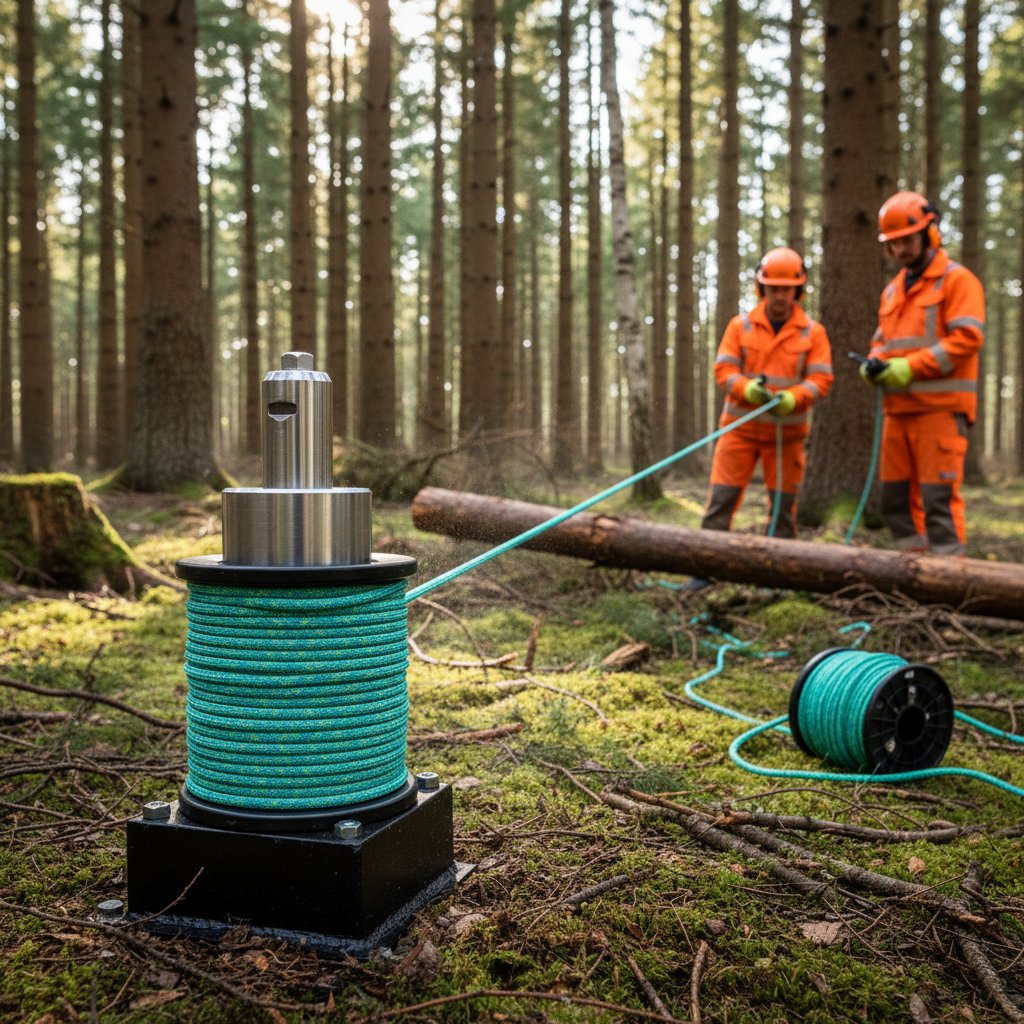
The real dangers creep in when an unsuitable rope is used. Excessive abrasion from poor material choice wears down the line quickly, turning a reliable tool into a liability. Heat buildup is another killer; friction generates serious warmth, and if your rope can't take it, it softens, stretches, or even melts. This leads to slippage that could overload the winch or fling debris your way. Operators can sustain minor burns or worse from ropes that give out mid-pull, and injuries from flying ends are not uncommon. Slippage doesn't just slow you down; it can cause the entire system to fail, potentially injuring workers or damaging gear in high-stakes areas like tree felling sites.
For capstan applications, double-braided polyester stands out as the ideal choice. It offers low stretch, which helps maintain control, plus excellent heat tolerance and grip that stands up to constant rubbing without rapid degradation. This construction—a strong core wrapped in a tough outer braid—keeps things stable under load, significantly reducing the snap-back risks that plague weaker synthetics.
- Abrasion resistance: The braided sheath protects against wear from the capstan drum, extending usability in rough environments like utility line pulling.
- Heat management: Handles friction-generated temperatures without losing integrity, preventing slippage during prolonged hauls.
- Low elongation: Minimizes stretch under tension, ensuring precise control and reducing overload on the equipment.
Compatibility issues make things trickier. A rope with the wrong diameter might not seat properly on the capstan, causing uneven grip and sudden slips. Meanwhile, mismatched materials, such as overly slick HMPE, can lead to overload as the winch strains to compensate. This is especially common in forestry, where pulling felled trees over uneven ground, or tackling utility tasks involving hauling cables through obstacles, are scenarios where one wrong choice can escalate into equipment strain or personal risk.
That's where tailored solutions shine. At iRopes, we craft custom capstan winch ropes to fit your exact needs. We dial in the right diameter for secure seating, ensure robust construction for durability, and incorporate add-ons like thimbles to reinforce ends against chafe. Our team considers your specific setup—whether it's a handheld unit for arborists or a powered one for industrial pulls—and delivers ISO-certified options that keep operations smooth and safe. By meticulously matching these elements, you avoid the common pitfalls and obtain ropes that perform reliably every time.
These capstan challenges demonstrate how vital precise rope selection is. Yet, when you factor in the massive forces of recovery work, the stakes climb even higher.
The Perils of Incorrect Recovery Winch Rope Choices
Those immense forces in recovery work aren't just bigger; they can turn a simple stuck vehicle into a high-stakes emergency if the rope isn't up to the task. Recovery winches, often mounted on trucks or ATVs, rely on a drum that winds the line tight, building layers for controlled pulls under extreme tension. This setup excels in off-road scenarios, like extracting a 4x4 from mud, or on industrial sites where heavy machinery needs repositioning. Picture the drum spinning steadily, coiling the rope to handle loads that might hit thousands of pounds. However, unlike the capstan's simple friction wrap-and-pull, this winding action demands a line that layers neatly without jamming. Otherwise, you'll face bunching that reduces power and risks overload.
I've pulled vehicles out of remote trails before, and the difference a good rope makes is remarkable. Get the mechanics wrong, and you're not just delaying the job—you're inviting disaster. The drum's constant winding exposes the rope to crushing and shearing, so materials need to flex without kinking. In contrast to a capstan's hands-off friction, recovery systems store the line, which amplifies any flaws in strength or handling.

Major hazards arise when you compromise on quality. Opt for low-strength synthetics, and snap-back becomes a very real threat—that's when a failing line whips back with stored kinetic energy, capable of striking with devastating force. Inadequate HMPE, for instance, might seem tough but can degrade under repeated stress, releasing force that endangers everyone nearby. Compare that to steel cables, which were once standard but now pose their own brutal risks: they store even more energy on breakage, don't float in water rescues, and are incredibly heavy, making handling a chore. Synthetics mitigate these dangers by dissipating energy more safely, but only if they're rated correctly for the job.
Environmental factors exacerbate the trouble. UV rays from prolonged outdoor exposure break down fibres over time, turning a once-strong recovery winch rope brittle and prone to sudden snaps that can trap vehicles deeper or injure operators caught in the path. Chemical spills in industrial zones corrode synthetics faster than you might expect, weakening the core and leading to mid-pull failures. Have you checked your rope after a rainy season? These overlooked factors can mean the difference between a quick fix and a hospital visit.
Correct spooling is essential to avoid these issues; maintaining even layers prevents bunching that can significantly increase friction and heat. Opt for UV-resistant HMPE; it's lightweight, floats for water operations, and boasts breaking strengths up to 26,000 pounds for common sizes like 1/2-inch diameter by 90 feet. At iRopes, we customise these with exact lengths to match your drum capacity and add terminations like protective sleeves to ward off wear. Our specialists fine-tune the 12-strand construction for smooth winding, ensuring efficient pulls whether you're in the bush or on a worksite. This approach not only boosts safety but also extends the lifespan of your gear.
Yet, recovery isn't the only arena where environmental demands test your lines. Out on the water, anchor setups face their own relentless pressures from waves and salt.
Overlooked Risks in Anchor Winch Rope Selection
Out on the open water, where the sea's rhythm dictates every move, the relentless pressures from waves and salt demand ropes that can take a beating without yielding—or, in this case, without stretching excessively when it truly counts. Anchor winches, typically drum-based systems that raise and lower mooring lines vertically from the bow, handle the heavy lifting of keeping your vessel secure. This setup often utilises a windlass, which operates horizontally for chain and rope combinations, differing sharply from a capstan's vertical, friction-focused pull that doesn't store the line. The orientation matters because anchors drop straight down into the depths, so your rope needs to manage that vertical tension without fouling or failing under dynamic sea conditions. If you've ever felt the boat lurch in a sudden swell, you know how quickly things can go awry without the right setup.
One of the sneakiest threats comes from ropes that don't stretch appropriately. Non-nylon options, such as stiff polyester lines, fail to cushion the shocks from rolling waves, leading to anchor drag where your boat drifts perilously close to rocks or other vessels. That excessive rigidity transmits every jolt directly to the deck hardware, risking cracks or outright breaks that could send gear flying. Nylon shines here as the best choice for an anchor winch rope because its natural elasticity—up to 30% elongation under load—absorbs those impacts, much like a bungee cord smoothing out a bumpy ride. Without it, you're not just losing holding power; you're inviting hazards that can turn a peaceful anchorage into chaos.
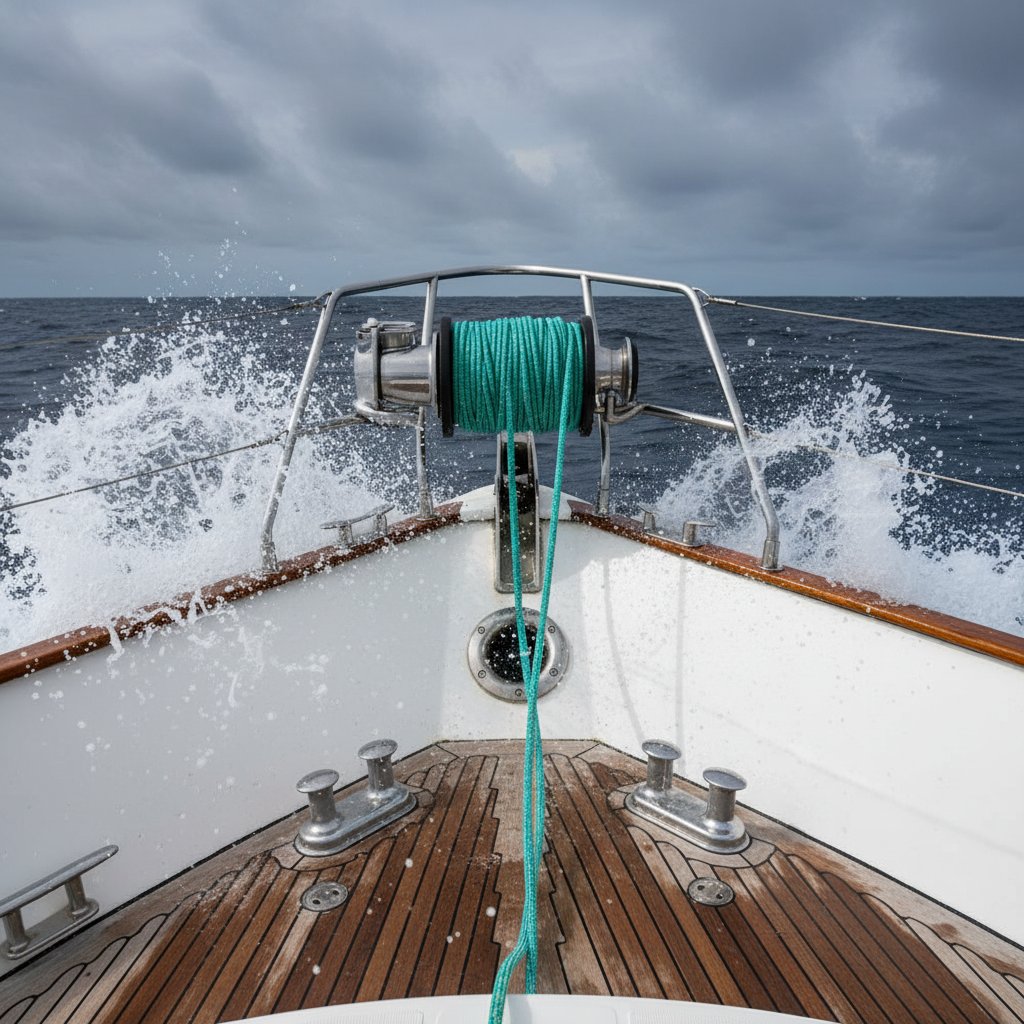
Marine life introduces its own challenges, beginning with buoyancy mismatches that spell trouble. Floating ropes can tangle around props or drift away in currents, while sinking ones like nylon remain below the surface, avoiding such headaches during yachting outings or docking manoeuvres. Saltwater corrosion gradually eats away at unprotected fibres over time, weakening the line and causing unexpected snaps when you least expect it. Imagine heaving up the anchor only for it to give way mid-lift! This is precisely why non-buoyant nylon ropes are essential; they resist degradation, maintaining strength in corrosive brines without the added risk of buoyancy pulling them into harm's way.
At iRopes, we tackle these marine quirks head-on with custom nylon anchor winch ropes designed for real-world reliability. Our specialists build in shock absorption through precise 3-strand twisted constructions that flex without failing. We layer on chafe guards to fend off rubbing against the chain or hawse pipe and ensure full compliance with marine certifications, such as those from the International Maritime Organization. Whether you're outfitting a leisure yacht or a commercial vessel, we tailor diameters from 5/8-inch for smaller boats up to 1-inch for heavier loads, complete with eye splices and thimbles that lock everything in place. This isn't off-the-shelf stuff; it's precision work that keeps your operations steady, even when the seas aren't.
Custom Anchor Rope Essentials
From UV-stabilised nylon blends to integrated chafe sleeves, our ropes deliver the flex and toughness needed for safe mooring, reducing drag risks and extending service life in saltwater exposures.
Spotting wear early through simple checks can make all the difference, tying into broader habits that keep your entire winch system in top shape.
Mitigating Dangers: Best Practices, Maintenance, and iRopes Expertise
Spotting early wear on your anchor line isn't just a quick fix; it's the start of building habits that keep every part of your winch setup reliable, whether you're on land or sea. We've covered the specific risks for capstan, recovery, and anchor winch ropes, but turning that knowledge into action means following a solid plan for choosing, caring for, and using them correctly. Think of it as giving your gear the attention it needs to handle whatever comes its way, without the surprises that lead to trouble.
Getting the selection right begins with matching everything to your exact setup. For a capstan winch rope, opt for polyester in a double-braided construction if abrasion and heat are your primary concerns—it's tough yet flexible for those friction pulls. Recovery winch ropes demand HMPE's high strength and low stretch in a 12-strand build, ideal for layering on drums without bunching during heavy off-road tugs. For anchor winch ropes, nylon's 3-strand twist provides the shock absorption waves require, keeping things steady in saltwater. Don't forget accessories: thimbles protect ends from chafe, while fairleads guide the line smoothly to prevent kinks. Consider your application's load and environment—does it need UV resistance for sunny trails or non-buoyancy for marine work? Aligning these elements ensures your rope doesn't just fit; it performs without fail.
Polyester Options
Balanced for Capstan Use
Low Stretch
Maintains control during friction-based pulls, reducing slippage risks.
Heat Tolerant
Withstands drum friction without softening, aiding prolonged operations.
Double-Braided Build
Core and sheath combination boosts abrasion resistance in utility tasks.
Nylon & HMPE Choices
Tailored for Recovery & Anchor
Shock Absorption
Nylon flexes up to 30% to handle wave jolts in mooring.
High Strength
HMPE offers up to 26,000 lbs breaking point for vehicle pulls.
Custom Accessories
Thimbles and splices match your winch's load limits.
To keep your ropes in fighting shape, establish a maintenance routine that catches issues before they escalate. Start with visual inspections every few uses—look for fuzzing, cuts, or discolouration that signals UV damage from outdoor exposure. For cleaning, rinse recovery lines with fresh water after muddy jobs to wash off grit, and soak anchor ropes in mild soap to neutralise saltwater's bite. Then, dry them out of direct sun to avoid further fading. When is it time to replace a rope? If the diameter shrinks by 10% or strength feels compromised during tests, swap it out—it's always better to be safe than stuck mid-operation. For detailed repair techniques on synthetic winch ropes, explore mastering 50 ft synthetic winch rope repair tips to maintain peak performance.
- Weekly checks: Inspect for external wear like abrasions or knots.
- Monthly deep cleans: Remove contaminants and check for core integrity.
- Annual professional testing: Verify remaining strength against rated loads.
Safety is not optional; it forms the backbone of every pull. Always stay within your rope's working load limit—typically one-fifth of its breaking strength—to allow room for unexpected stressors. Spool evenly on drum winches to avoid uneven tension that causes heat buildup, and wear gloves plus eye protection to guard against snaps. Steer clear of shock loads by easing into tension gradually, especially in recovery scenarios where sudden jerks can whip lines back dangerously. These steps, applied consistently, transform potential mishaps into controlled routines.

Teaming up with experts like iRopes takes these practices further, offering OEM and ODM services to craft winch ropes that fit your operations perfectly—from custom diameters to branded packaging. Our ISO 9001-backed process guarantees precision, while IP protection keeps your designs secure. With global wholesale delivery straight to your door, you get safe, ready-to-use solutions that build on best practices for lasting efficiency. For superior nylon options ideal for anchor winches, check out why three strand nylon outshines braided for shockproof sailing.
Navigating the hidden dangers of mismatched ropes in capstan winch rope applications, recovery winch rope pulls, and anchor winch rope mooring demands precise selection to avoid abrasion, snap-back, and stretch failures that endanger lives and equipment. From double-braided polyester for capstan compatibility and heat tolerance, to UV-resistant HMPE for drum spooling in recovery operations, and shock-absorbing nylon for marine anchor systems, tailored choices ensure grip, strength, and safety across forestry, off-road, and yachting scenarios. Regular inspections, even spooling, and strict adherence to load limits further mitigate risks, extending rope life and enhancing operational reliability.
Leveraging iRopes' OEM expertise means custom solutions that align with your winch type—be it friction-based capstans or vertical drum windlasses—complete with accessories like thimbles and chafe guards, all backed by ISO 9001 quality. To discover high-performance synthetic options for your winch, explore the best synthetic winch line for high performance. These informed practices transform potential hazards into seamless performance, empowering you to operate confidently.
Need Custom Winch Rope Solutions? Get Personalised Guidance from iRopes
If the insights on capstan winch rope, recovery winch rope, or anchor winch rope have sparked questions about your specific setup, including maintenance schedules or safety protocols, the inquiry form above is your next step. Our team at iRopes is ready to provide tailored advice to optimise your operations.