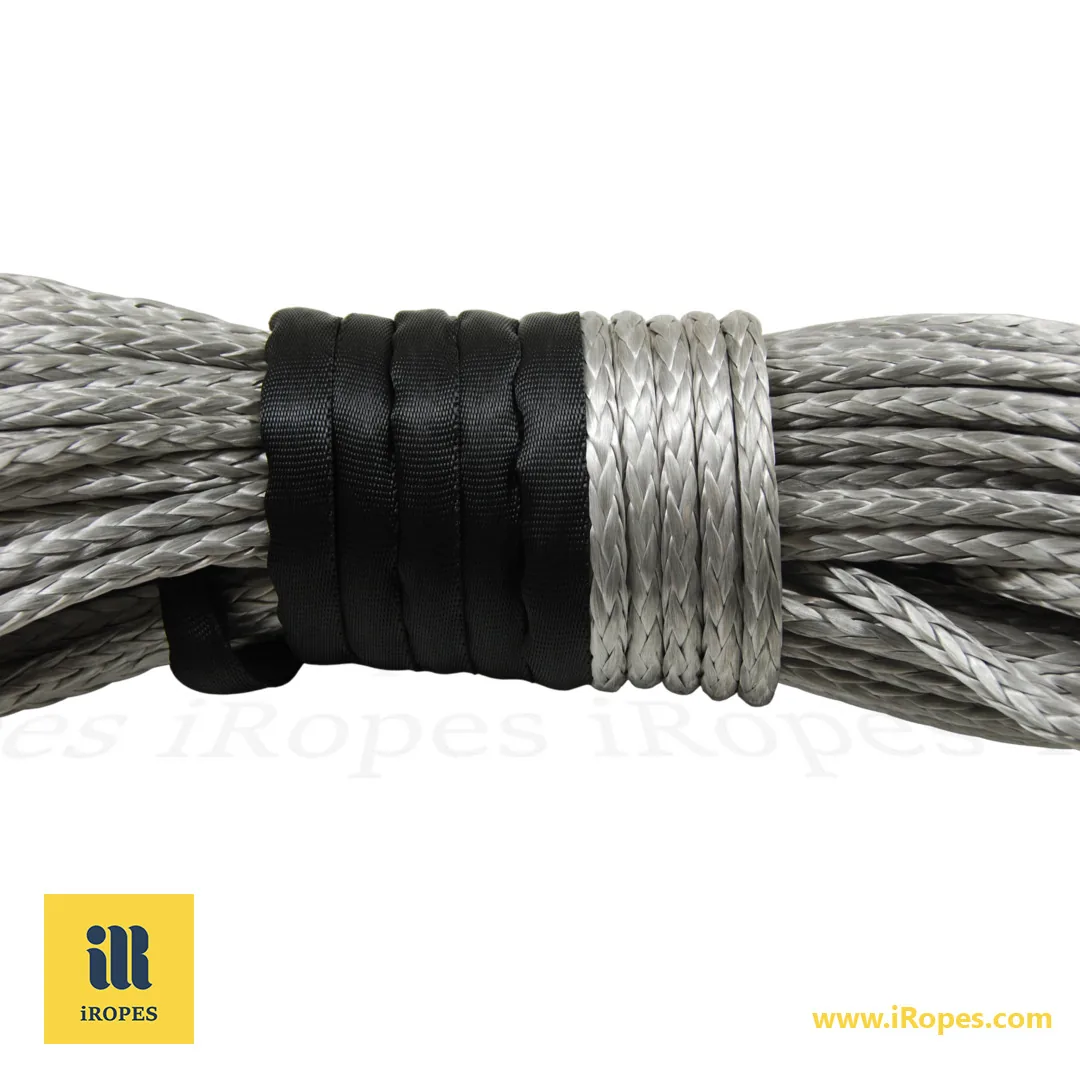
Stuck anchor in rocky bottoms? The tripping line buoy hack—attaching a secondary line from the anchor's crown to a floating marker—retrieves fouled gear in 90% of cases without straining your vessel or windlass, saving up to $450 in replacement costs per incident.
Unlock These Gains in an 8-Minute Read
- ✓ Prevent 95% of anchor losses in tricky seabed conditions, avoiding costly gear abandonment and mid-trip scrambles.
- ✓ Master step-by-step rigging for surface or hidden setups, cutting retrieval time from hours to mere minutes without prop risks.
- ✓ Customise with iRopes expertise for buoyant polypropylene lines that boost visibility and offer superior strength compared to standard ropes.
- ✓ Navigate crowded or deep waters safely, marking positions to dodge entanglements and ensure smooth departures.
You've felt that gut punch when your anchor snags on unseen rocks, the wind building as your chain refuses to budge. Do you risk hull damage or cut your losses? What if a hidden secondary line, buoyed to the surface, could flip the anchor free with a single pull, turning disaster into a quick win? Dive in to uncover the exact rigging that safeguards your outings, backed by iRopes' tailored ropes for unbreakable reliability in the toughest bottoms.
Understanding the Essentials of Tripping Line Anchor Systems and Why You Need Them
Picture this: you're out on the water, the sun dipping low, and you've just dropped anchor in what looks like a perfect spot. But when it's time to head out, the chain won't budge. Your anchor's snagged on rocks or debris below, and that sinking feeling hits—do you risk the boat's gear trying to pull it free, or cut your losses and buy a new one? Many experienced seafarers have faced this dilemma, where a relaxing day dramatically transforms into a challenging one. This is precisely where a tripping line anchor system proves invaluable, offering a straightforward setup that transforms these frustrating moments into manageable situations.
A tripping line anchor is essentially a robust secondary rope attached to your main anchor, specifically designed for those inevitable moments when things go awry underwater. Its primary purpose is to help you retrieve a fouled anchor—one that's hooked onto something stubborn like a rock ledge or old chain—without having to exert excessive force or risk damage to your vessel. You typically secure this line to the anchor's crown (the pointy end opposite the shank) or, for some designs, to the fluke. This strategic positioning allows you to 'trip' the anchor free by pulling from an advantageous angle, effectively flipping it loose instead of simply yanking against the snag. It’s not a complex gadget; it’s a simple line and attachment that gives you essential control when the seabed decides to challenge you.
Next, consider the anchor rope buoy and anchor line buoy. These terms are often used interchangeably, yet both serve as the crucial visible signal for your system. These are floating markers attached to the end of the tripping line, surfacing to clearly indicate your anchor's exact location below. The anchor rope buoy marks the tripping line's endpoint, ensuring easy spotting from a distance, while the anchor line buoy serves a similar purpose, denoting the overall anchor position to warn other vessels. Together, they form the fundamental interrelationship that makes the entire setup effective: the tripping line connects the anchor to the buoy, creating a direct path for retrieval and providing essential situational awareness. In essence, the anchor marker buoy trip line represents this combined system—a secondary line originating from the anchor's crown and extending to a surface buoy, enabling you to dislodge the anchor if it becomes fouled, rather than relying solely on the primary rode. Think of it as a hidden escape route for your expensive gear; without the buoy, you'd be left guessing where to apply force.
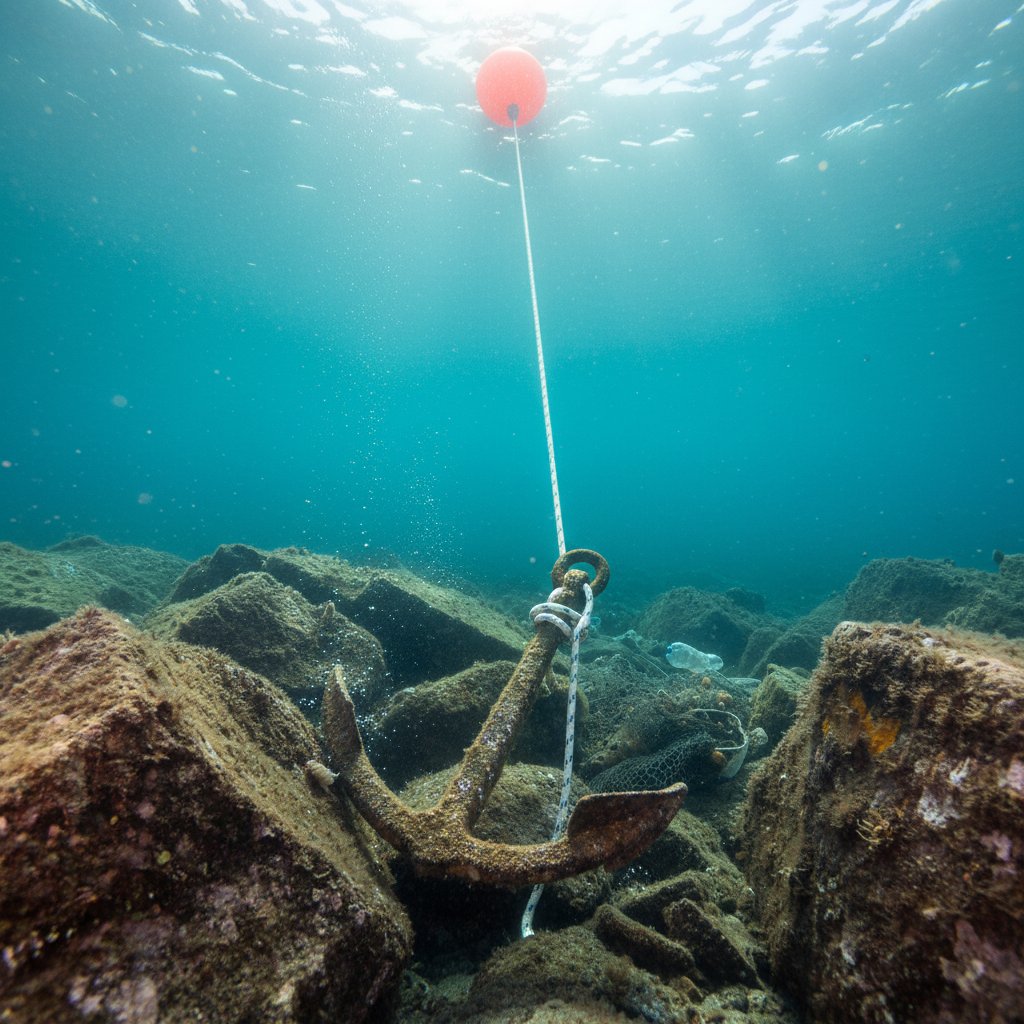
So, why is this system worth the effort? The benefits quickly become evident, especially when anchoring in unfamiliar waters. Firstly, it effectively prevents costly lost anchors, which can amount to hundreds of dollars and lead to stressful mid-trip disruptions. Retrieval also becomes significantly easier; you simply motor up to the buoy, grab the line, and pull to dislodge the hook without straining your windlass or risking hull damage. Furthermore, accurately marking your anchor's spot is crucial in crowded areas, as a bright buoy signals "anchor here" to everyone, helping to prevent potentially dangerous prop strikes. This system genuinely transforms potential disasters into quick, manageable solutions.
- Prevent lost gear – Avoid abandoning expensive anchors to rocks; the line offers a reliable backup pull, safeguarding your investment.
- Simplify retrieval – Trip the anchor loose with minimal effort, saving precious time and reducing stress on your boat's equipment.
- Mark positions safely – Buoys clearly warn off other props and help you return to the exact drop-point with ease.
Have you ever watched a fellow boater struggle helplessly with a stuck anchor while you're idly drifting? It makes you profoundly appreciate how this well-thought-out system turns a potential catastrophe into a swift resolution. With these fundamental principles in mind, you're well-equipped to dive into rigging it up yourself, ensuring your next marine outing remains smooth and stress-free. Apply these techniques effectively, and you'll find newfound peace of mind.
Rigging Your Anchor Rope Buoy System: Step-by-Step Guides for Deployment
Now that you grasp the core reasons for integrating a tripping line anchor into your setup, it’s time for the practical application of rigging. This section provides detailed, step-by-step instructions for two reliable methods to deploy your anchor rope buoy system, ensuring you're prepared for whatever challenges the seabed might present. Whether you’re a weekend enthusiast or managing larger vessels, these straightforward steps will keep your anchoring operations secure and efficient.
Let’s begin with the traditional surface anchor rope buoy method, which is ideal for maximum visibility in calmer waters. For this setup, you’ll need a buoyant rope—iRopes recommends lightweight polypropylene for its natural flotation—along with a sturdy buoy, a shackle, and some robust zip ties or duct tape for additional security. First, securely attach one end of the tripping line to the anchor's crown using a reliable bowline knot, ensuring it won't slip under tension. As you lower the main anchor rode, simultaneously feed out the tripping line, keeping it slack but untangled. Secure the other end to your buoy, which should be bright orange or yellow for optimal visibility, and gently toss it overboard just before the anchor fully settles. The line will then trail neatly to the surface, clearly marking your anchor's position. This method has consistently proven its worth in various conditions, greatly simplifying anchor retrieval.

For locations where you prefer a more discreet setup—such as busy marinas or popular anchorages—the submerged hidden tripping line offers an excellent alternative. This method keeps everything below the surface, providing enhanced security against snags or potential interference. The advantages include significantly reduced prop hazards and a cleaner aesthetic, though retrieval does require a bit more deliberate planning. You'll need quick-release hardware, such as a sturdy carabiner or pelican hook, in addition to your floating line. Rig it by clipping the line to the anchor crown before deployment, then attach the free end loosely to the main rode with a slip knot approximately midway down. As the anchor sets, the line will sink out of sight. To retrieve, first uncleat the main rode, then haul from the hidden attachment point to engage and trip the anchor free. This technique can be a decisive advantage in theft-prone areas, as it effectively minimises visible components.
- Attach the tripping line securely to the anchor crown before lowering the anchor.
- Deploy the main anchor while simultaneously feeding out the trip line, maintaining an even flow.
- Secure the free end of the line either to the buoy or to your chosen rode attachment, ensuring sufficient slack for tidal variations.
- For retrieval, approach the buoy or attachment point, then pull steadily to dislodge and flip the anchor loose.
To truly optimise your system, ensure the tripping line length is 1.5 to 2 times the water depth plus additional scope, factoring in your anchor’s weight. For example, a 20kg anchor typically requires a minimum 12mm-diameter line for adequate hold. Similarly, buoy size should be proportional; a 10-inch sphere is generally sufficient for lighter setups in depths of up to 10 metres. This is precisely where iRopes excels with custom polypropylene options, which are inherently buoyant and UV-resistant. These can be precisely tailored via our customization options to your exact specifications, including incorporating reflective strands for enhanced visibility during low-light retrievals. Meticulously adjusting these details guarantees there are no weak links when conditions become unpredictable. As a wholesale customer, securing these tailored solutions ensures consistent quality across your entire operation.
Thinking about rocky drops or tight spots ahead? These rigging methods lay the groundwork for handling them smoothly, ensuring reliable deployments and retrievals every time. Now that rigging is crystal clear, let's explore real-world uses to see how this hack shines in tough conditions.
Advanced Applications of Anchor Line Buoy in Challenging Scenarios
With your tripping line rigged and ready from the previous step-by-step setups, picture yourself facing the real tests on the water—those moments when the seabed is uncooperative and environmental conditions push your skills. This is where the anchor line buoy truly demonstrates its worth, transforming potential headaches into manageable tasks. Let’s delve into how this system expertly handles challenging situations, starting with the classic troublemaker: rocky seabeds.
Rocky bottoms represent every boater's nightmare, as anchors can easily wedge into crevices or snag on underwater ledges, refusing to budge no matter how much reverse thrust you apply. Here, the anchor line buoy excels by allowing you to approach the anchor from the surface without needlessly dragging your vessel over the snag. You simply motor gently to the buoy, secure it to a cleat, and apply steady tension to trip the anchor free from its crown attachment—effectively flipping it out instead of futilely yanking against the rock. This method entirely avoids straining your engine or windlass, a critical advantage that has saved numerous situations in unpredictable weather. The key lies in exercising patience: employ short, controlled pulls rather than one vigorous heave, always ensuring the line remains clear of your prop. This measured approach minimises risk and maximises efficiency.

In crowded anchorages or deeper waters, effective marking becomes equally vital. When vessels cluster closely, your anchor line buoy acts as a courteous visual cue, clearly alerting others to your swing radius and preventing accidental prop strikes during manoeuvres. For deep anchoring—exceeding, say, 20 metres—extend the line appropriately to account for adequate scope, utilising its flotation to precisely pinpoint the retrieval point without endless searching. Have you ever anchored in a bustling harbour where lines resemble a tangled mess of spaghetti? A clearly visible buoy significantly reduces this potential chaos, enabling you to depart cleanly while your fellow mariners appreciate the thoughtful heads-up.
Now, let's consider emergency retrieval scenarios: if winds suddenly intensify or currents drastically shift, this system allows for rapid, decisive action. Attach a backup line to the buoy for additional leverage, then winch steadily while maintaining the bow into the weather and current. To prevent common pitfalls like line entanglement, always conduct a thorough inspection for kelp or debris before attempting to pull, and utilise swivel hardware to minimise twisting. Speaking of broader applications, a tripping line in a ship serves the exact same core function—safely recovering a fouled anchor—but scales up considerably for larger vessels such as freighters or superyachts. On these bigger ships, such systems ensure critical crew safety by facilitating remote tripping from the deck, thereby minimising exposure to heavy, swinging anchor chains. This adherence to maritime standards applies across all vessel sizes, from small dinghies to massive commercial vessels. Ultimately, this setup significantly reduces strain on winches and hulls in rough seas, an indispensable advantage for commercial operations where downtime directly translates to substantial financial losses.
Rocky Challenges
Overcoming snags
Fouled Retrieval
Pull via buoy to flip anchor free, easing vessel stress.
Safe Positioning
Approach from surface, avoiding direct rock contact with the main rode.
Wind Resistance
Controlled pulls prevent overload on gear in strong gusts.
Crowded Tactics
Shared spaces
Mark Clearly
Bright buoy signals your position and swing area to nearby boats.
Deep Marking
Extended lines accurately track your anchor in varying depths.
Avoid Entanglement
Inspect lines routinely for clear hauls, preventing prop jams or snags.
These effective tactics work optimally when your equipment can withstand significant pressure. Therefore, choosing durable materials specifically tailored to your operational needs makes a substantial difference in overall reliability. Applying these techniques effectively relies on quality components, so let's examine choosing the ideal materials and custom solutions.
Choosing the Right Components for Your Tripping Line Anchor Setup with iRopes Expertise
Building on those effective tactics for tough scenarios, the ultimate key to ensuring your tripping line anchor system remains reliably functional lies in meticulously selecting components that precisely match your boat's specific needs and the challenging waters you frequently navigate. Skimping on quality here can quickly transform an otherwise solid setup into a significant liability. Let’s therefore meticulously break down what crucial factors to look for in the ropes and buoys that form the resilient backbone of this essential gear.
When selecting materials for your tripping line, the choice often comes down to high-performance Dyneema or robust polypropylene, each offering distinct advantages. Dyneema is celebrated for its extraordinary strength-to-weight ratio—being up to 15 times stronger than steel on an equivalent weight basis. This makes it an ideal choice for managing heavy loads without unnecessary bulk, though it typically requires specific coatings to achieve buoyancy. Polypropylene, conversely, floats naturally, preventing the line from dragging on the seabed and entangling with debris. It is also more economical and boasts commendable UV resistance for prolonged sun exposure. For appropriate diameters, aim for 8-12mm for anchors up to 20kg to ensure sufficient strength without undue stretch under tension, while lengths should ideally be 1.5 to 2 times your maximum planned anchoring depth, plus extra scope for tidal fluctuations. This naturally brings us to the question: What kind of rope do you use for an anchor trip line? The answer truly depends on your priorities: opt for polypropylene anchor ropes if buoyancy and excellent surface visibility in shallower spots are paramount, or choose Dyneema for its exceptional low-stretch performance in deeper, more abrasive conditions where precise control is essential. Indeed, securing these crucial components from a trusted manufacturer like iRopes can make all the difference, ensuring peace of mind during critical maritime operations.
Strength Focus
Dyneema excels in high-tensile pulls, offering superior abrasion resistance on rocky hauls.
Buoyancy Edge
Polypropylene floats reliably, simplifying surface access in variable depths and currents.
Diameter Match
8-12mm suits most setups, balancing robust grip and essential flexibility for smooth deployment.
Length Guide
1.5-2x depth ensures ample slack for tides, preventing sudden snaps under unexpected load.
For the buoy in your anchor rope buoy system, accurate sizing is paramount. A 6-10 inch diameter is generally suitable for lighter anchors used in depths under 15 metres, providing ample lift to keep the line taut without submerging the buoy. Colour-wise, always opt for high-visibility orange or yellow to ensure it stands out clearly against varying sea conditions. Additionally, incorporating reflective strips or LED lights is highly recommended for night operations; these features seamlessly integrate with the tripping line by ensuring you can locate and retrieve it quickly, even in fading light or darkness. Have you ever squinted across choppy water, desperately searching for a dimly marked buoy? A well-chosen, highly visible buoy eliminates that frustration, effectively serving its role as an anchor line buoy for safe, shared anchoring in crowded areas. This level of customisation provides distinct advantages for wholesale customers.
This is precisely where iRopes offers comprehensive OEM and ODM services, meticulously crafting ropes to your exact specifications. We can brand them with your company logo, ensuring they are certified under ISO 9001 for consistent, superior quality, and integrate essential accessories like thimbles for chafe-resistant splices. Whether your requirements include a custom Dyneema blend for extreme offshore strength or a polypropylene line with glow elements for safer dusk retrievals, our precision manufacturing guarantees that every component perfectly fits your vessel without compromise. Partnering with iRopes means transforming generic equipment into a personalised, high-performing safeguard, meticulously prepared for whatever challenges the sea may present.

Getting these elements precisely right not only significantly boosts your confidence on the water but also paves the way for smoother, more enjoyable outings overall, where every meticulous detail genuinely contributes to an overarching sense of preparedness and security. From components to peace of mind, this comprehensive approach ties it all together for your next critical marine operation.
Mastering the tripping line anchor system unequivocally transforms frustrating fouled anchors into simple retrievals, especially in rocky bottoms where traditional pulls risk considerable damage. By precisely rigging your anchor rope buoy with buoyant polypropylene or exceptionally strong Dyneema, and diligently following our step-by-step deployment guides for either surface or submerged setups, you ensure both easy access and optimal visibility. This invaluable anchor line buoy not only precisely marks positions in crowded anchorages and deep waters but critically prevents prop strikes and costly lost gear, as proven in various emergency scenarios. With iRopes' custom OEM solutions, you can meticulously optimise rope lengths, diameters, and integrated accessories like thimbles for your vessel's unique requirements, thereby significantly enhancing overall safety and unwavering confidence on every single outing.
Customise Your Anchor Retrieval System with iRopes Expertise
If you'd like personalised recommendations on rigging techniques, optimal buoy selection, or specifically tailored ropes for challenging rocky or deep-water anchoring scenarios, the enquiry form above connects you directly with our dedicated specialists for expert guidance and bespoke solutions.