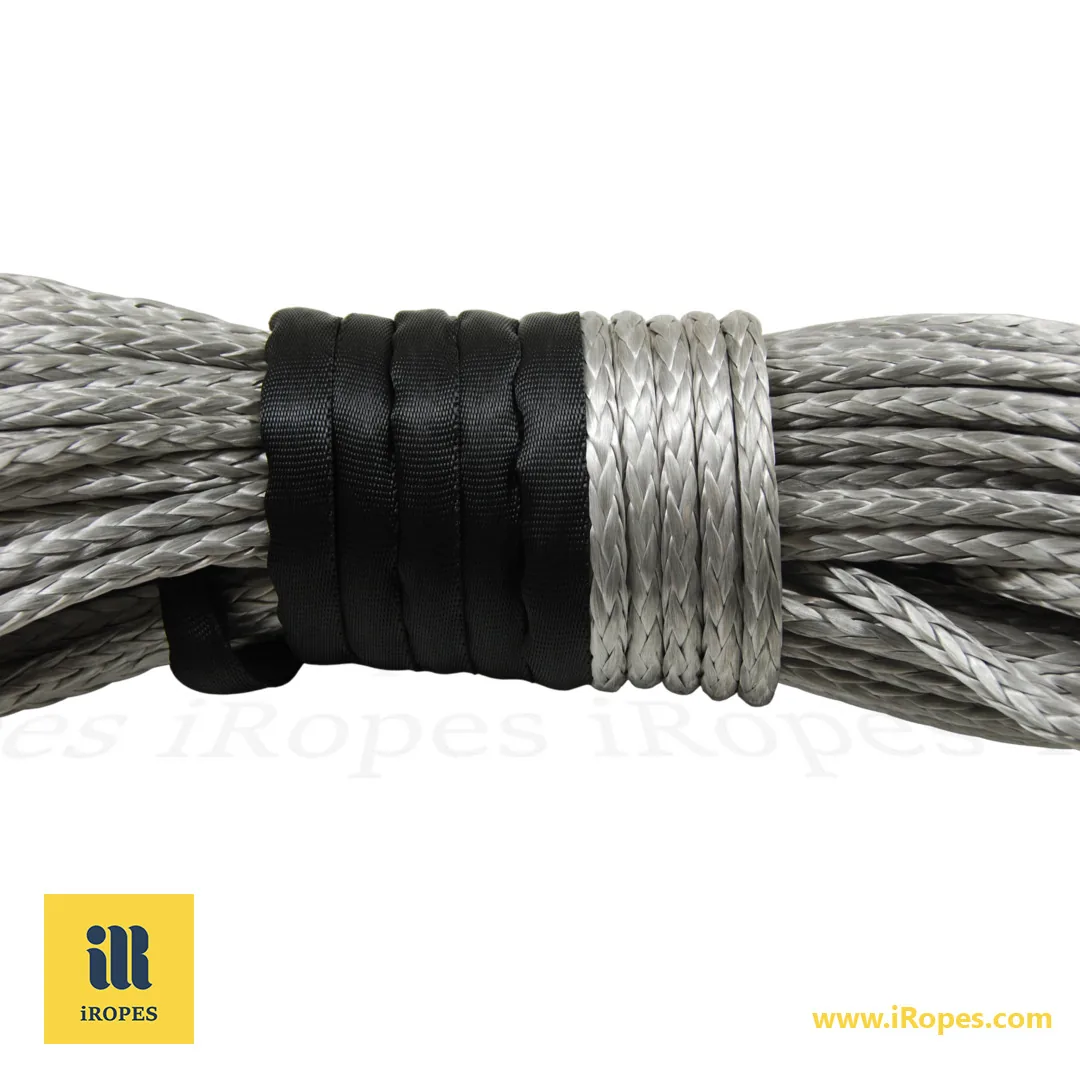
Synthetic winch ropes deliver up to 8.2× the strength‑to‑weight of steel, saving you up to 84% on handling weight.
Quick‑Read: 3 min
- ✓ Reduce rope weight by up to 84% versus steel, easing spooling and vehicle load.
- ✓ Meet a 2.7× safety factor with UHMWPE, matching any 5,000 lb winch.
- ✓ Choose custom colours or reflective strips to improve night‑time safety and brand visibility.
- ✓ Secure 9%‑off bulk discounts from 200 m onward, lowering total cost per metre.
You may still be convinced that a bulky steel cable is the only way to pull a 5,000 lb load. While steel has its place, a 1/4‑inch UHMWPE line—lighter than a loaf of bread—offers the same breaking strength with 84% less weight. In the guide ahead, we’ll walk you through exact sizing, colour‑coding, and the winding techniques that guarantee consistent performance. This way, you can source the perfect winch rope for sale without guesswork.
Understanding Winch Ropes: Types, Materials, and Safety Benefits
Lightweight recovery lines are in high demand across off-road and industrial markets. So, what exactly are winch ropes, and how does their construction influence performance? Essentially, a winch rope is a flexible, high‑tensile link that transfers power from a winch drum to a load. It allows vehicles or equipment to be pulled, lifted, or positioned safely.

Definition and Primary Functions of Winch Ropes
Winch ropes serve three essential roles: transmitting force, controlling load direction, and providing a reliable grip on the drum. Modern designs aim to maximise breaking strength while minimising bulk. This ensures efficient spooling and allows the line to be handled without excessive effort.
Overview of Synthetic vs. Steel Constructions
Two material families dominate the market. Synthetic ropes—usually 12‑strand braids of UHMWPE (commonly known as Dyneema or Spectra)—offer a strength‑to‑weight ratio that can be eight times greater than steel of the same mass. Steel cables, by contrast, consist of twisted wire strands that are heavy, prone to kinking, and generate dangerous recoil when they fail.
When a synthetic rope snaps, it recoils like a feather, not a steel whip – that difference saves lives.
Key Safety Advantages of Synthetic Ropes (Low Recoil, No Burrs)
The most compelling safety benefit of synthetic ropes is their low‑recoil characteristic. If a synthetic line breaks, it simply separates without launching a high‑energy projectile. Conversely, a steel cable can whip like a spring‑loaded arrow, posing significant danger. Furthermore, synthetic ropes feature a smooth surface, eliminating sharp burrs or splinters that could cut hands or damage nearby equipment. Their ability to float also simplifies retrieval from water, a common scenario in off‑road recovery.
For those seeking the strongest synthetic material, UHMWPE, often marketed under the Dyneema or Spectra names, is the current market leader. Its unique molecular structure provides a tensile strength that outperforms most alternatives, making it the preferred choice for the best winch ropes in demanding applications.
When considering sizing, a 5,000 lb winch typically pairs effectively with a 1/4″ × 50′ synthetic rope. This combination provides a breaking strength of roughly 5,000 lb, aligning with the recommended 2‑3× safety factor for most recovery jobs.
A direct comparison reveals clear differences between the two options:
Synthetic Winch Rope
Why it outperforms steel
Lightweight
Up to 85% lighter than steel, reducing vehicle load and handling effort.
Low Recoil
If it fails, it snaps without the dangerous snap‑back of steel cables, greatly reducing injury risk.
Flexibility
The 12‑strand braid flexes easily around drums, preventing kinks and easing handling.
Steel Cable
Traditional alternative
Heavy
Significantly more mass adds strain to the winch and vehicle, impacting performance.
High Recoil
Breakage can launch a sharp, high‑energy projectile, posing a severe injury risk.
Kinks
Its rigid construction is prone to kinking, making spooling difficult and reducing efficiency.
Because of these advantages, many professionals now prefer synthetic lines when browsing for winch ropes for sale. The combination of high tensile strength, minimal recoil, and ease of handling makes them the logical choice for both off‑road enthusiasts and industrial operators. Having gained a clear grasp of these material differences, the next step involves matching the right size and strength to your specific winch. This is a topic we'll explore in detail in the following section.
Choosing the Best Winch Ropes: Sizing, Strength, and Application Guide
Now that you understand the fundamental advantages of synthetic materials, the next challenge is accurately pairing the right size and strength with your specific winch. Selecting the proper rope is crucial; it ensures safe recovery operations, maximises performance, and protects your valuable equipment.
To determine the appropriate breaking strength for your needs, you can follow a simple three‑step method:
- Identify the gross vehicle weight (GVW) of the load you plan to recover.
- Multiply that figure by a safety factor of 2 to 3.
- Choose a rope whose minimum breaking strength (MBS) meets or exceeds the calculated result.
Once you complete this calculation, match the required strength to a rope diameter that can deliver it. Modern synthetic lines are specifically engineered to provide high tensile capacity without the bulk of steel, making them ideal for a wide range of applications.
UHMWPE, marketed under names like Dyneema or Spectra, remains the material of choice for its superior performance. Its molecular structure provides a remarkable strength‑to‑weight ratio, while a protective outer sheath helps guard against abrasion, UV exposure, and chemical degradation.
Here are some common pairings and their applications that many professionals rely on:
- 3/8″ × 70′ – This size fits an 8,000 lb winch, delivering safe breaking strength for mid‑size trucks.
- 5/16″ × 55′ – Pairs well with 10,000 lb winches commonly found on heavy‑duty off‑road vehicles.
- 1/2″ × 100′ – Designed for 15,000 lb industrial winches, this robust size handles the toughest lifting tasks.
If your project demands a colour‑coded line for enhanced visibility, a reflective element for night work, or a specific length to reach a unique recovery point, iRopes can tailor the rope to your exact specifications. Our comprehensive OEM/ODM service allows you to select the precise diameter, length, colour, and accessories such as thimbles or custom loops. All our products adhere to the high standards expected of the best winch ropes on the market.
Now that the importance of correct sizing and material is clear, the next step is to explore where to purchase these ropes. We'll also cover how bulk pricing and global shipping can benefit your wholesale strategy. Keep an eye on the upcoming section for details on buying channels and customised solutions for winch ropes for sale.
Where to Find Winch Ropes for Sale: Buying Options, OEM/ODM Customization, and Pricing
Having explored the fundamentals of sizing, the next logical step is locating a reliable source for your winch ropes. Whether you need a single 1/4″ line for a weekend trail‑run or a bulk order for a fleet of recovery trucks, your chosen buying route will influence cost, lead‑time, and the level of personalisation you receive. For an in‑depth look at the benefits of synthetic solutions, see our synthetic winch cable replacement guide.
Direct Purchasing Channels
iRopes operates a dedicated product catalogue accessible via our corporate website. You can also find our synthetic line‑up on major e‑commerce platforms. Prospective buyers can filter by diameter, length, or colour, view detailed specifications, and add items directly to a cart. For wholesale inquiries, a simple “Request a Quote” form captures your required quantity and any special packaging needs, triggering a response from our sales team within 24 hours. While minimum order quantities typically start at 20 metres, larger projects can negotiate bespoke batch sizes.

OEM/ODM Customization Options
When a standard catalogue item doesn’t quite match your brand or performance criteria, iRopes’ custom winch rope solutions provide the perfect solution. You can dictate every aspect of the final product, from the fibre grade to the overall visual finish.
- Material selection – Choose UHMWPE, Dyneema‑grade, or specialised blends for extreme temperature resistance or unique performance characteristics.
- Diameter & length – Specify exact measurements to meet the breaking‑strength formula for your winch and application.
- Colour & pattern – Apply corporate branding, high‑visibility hues, or reflective strips for enhanced night‑time safety.
- Integrated accessories – Add thimbles, custom loops, or reinforced fair‑lead sleeves directly during manufacture.
- Packaging & labeling – Opt for unbranded bulk bags, colour‑coded cartons, or custom‑printed boxes bearing your company logo and brand information.
Pricing Considerations, Bulk Discounts, and Global Shipping Logistics
Unit pricing generally scales with length and diameter. For instance, a 50‑foot 3/8″ line typically falls into the mid‑range, while larger 1/2″ sections command a higher per‑foot rate due to increased material and manufacturing costs. To reward volume, iRopes applies tiered discounts: 5 % off for orders above 200 metres, 10 % off for 500 metres or more, and negotiable rates for container‑size shipments. All orders are securely packed on sturdy, reusable pallets and shipped directly from our Chinese facility to ports worldwide. Our experienced logistics team coordinates all necessary customs documentation, and we offer both FOB (Free On Board) and DDP (Delivered Duty Paid) options to best suit your import strategy.
Why buy from iRopes?
We combine ISO‑9001‑certified precision manufacturing with full IP protection, ensuring every customised winch rope meets your exact specifications while safeguarding your proprietary designs.
With a clear picture of where to source the ropes, how to tailor them to your brand, and what cost structures to expect, the next logical focus shifts to keeping those synthetic lines in peak condition throughout their service life.
Maintenance, Inspection, and Longevity of Synthetic Winch Ropes
After learning where to source custom winch ropes, protecting that investment through proper care becomes paramount. Even the best winch ropes will lose performance if neglected, so a simple care routine can add years of reliable service and ensure consistent optimal performance.

For **routine cleaning**, after each recovery, spray the line thoroughly with fresh water. Apply a few drops of mild soap and brush lightly to dislodge any grit or chemicals. Rinse thoroughly until all soap is gone, and then allow the rope to air‑dry naturally, away from direct heat. To ensure optimal UV protection, consider slipping a UV‑resistant sleeve over the rope or storing the coiled line in a shade‑proof bag, as prolonged sun exposure can degrade the outer sheath over time.
Clean
After every use, rinse with water, then use mild soap and brush gently to remove grit and chemicals.
UV Protect
Apply a UV‑resistant sleeve or store in a shaded container to prevent sun‑induced fibre breakdown.
Inspect
Before each lift, check for frayed strands, cuts, abrasions, or loss of coating; any damage indicates the rope should be retired.
Terminate
Replace worn thimbles, loops, or hooks and ensure eyes align correctly to preserve full breaking strength.
A quick visual inspection checklist can help prevent costly failures. Look closely for exposed fibres, uneven colour, or any stiff spots that feel harder than the surrounding braid. If you notice any of these signs, it's crucial to retire the line immediately.
Do not use a rope that shows any sign of damage; a compromised winch rope can fail catastrophically under load.
By consistently cleaning the rope, shielding it from UV radiation, storing it in a dry, cool place, and promptly replacing worn accessories, you ensure that every custom‑specification winch rope delivers the performance you expect throughout its service life. With a solid maintenance routine in place, you’ll be ready to fully appreciate the safety and performance advantages that synthetic lines bring to your operations.
You've now seen how synthetic winch ropes significantly outperform steel in strength‑to‑weight ratios, safety, and handling. You've also learned the simple 2‑3× safety factor required to correctly size your line. Popular diameters such as 1/4", 5/16", and 3/8" are often offered with high‑visibility colours and a precision round‑forming finish, making them ready for immediate use or bespoke tailoring. Whether you’re searching for the best winch ropes for a single recovery unit or sourcing bulk winch ropes for sale for a fleet, iRopes can precisely match material, colour, and construction to your exact needs, including custom diameters, patterning, and the round‑forming process. For step‑by‑step installation tips, see our guide on installing 4500 lb synthetic winch rope safely.
Ready for a Personalised Winch‑Rope Solution?
If you’d like expert advice on selecting the ideal diameter, colour palette, or round‑forming process for your winch ropes, simply complete the form above. Our dedicated team will contact you promptly with a customised quote tailored to your specific requirements.