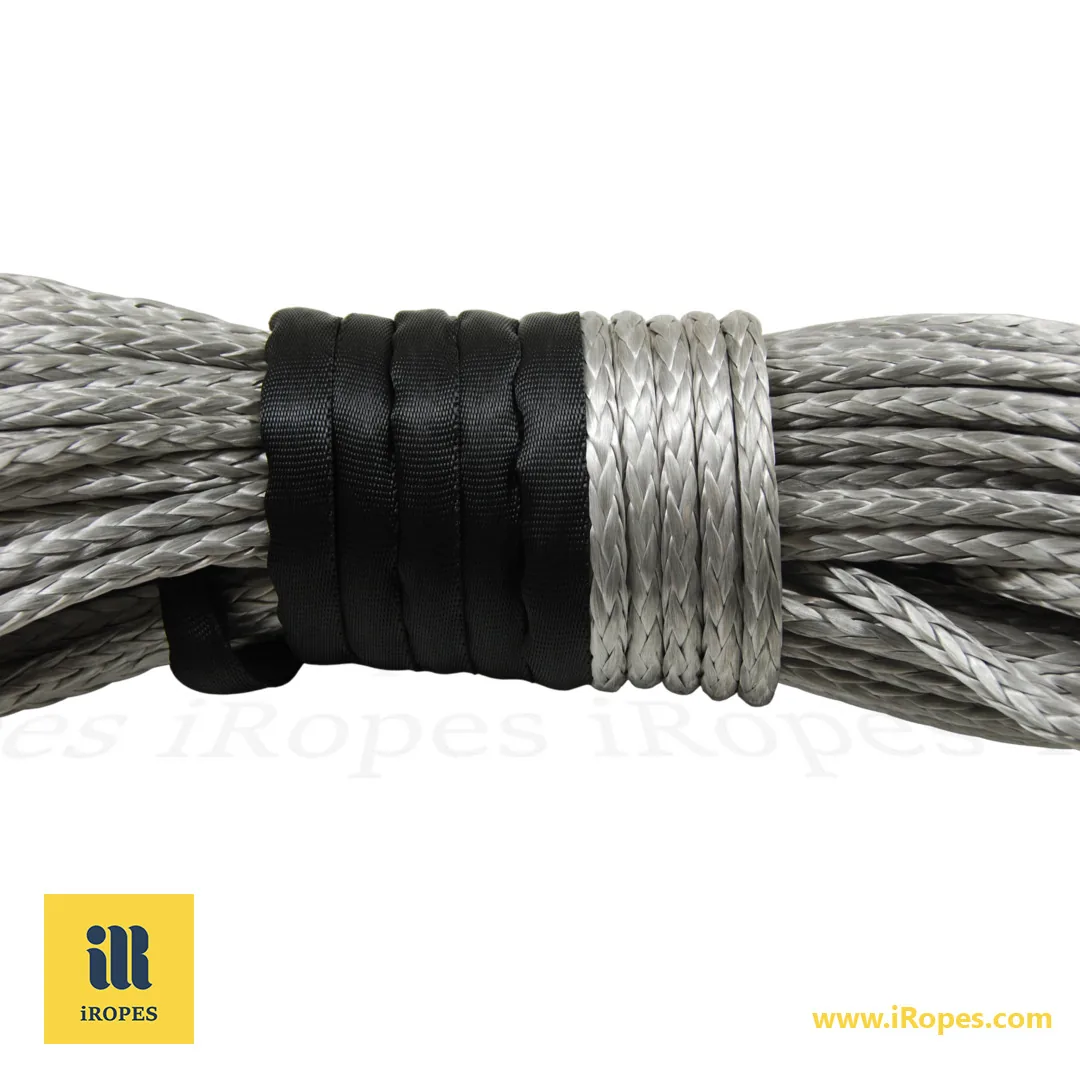
iRopes ships 3‑inch and 2‑inch nautical rope custom‑cut to the foot, ISO 9001 certified, with lead times as fast as 7–10 business days. A 3‑inch polypropylene line weighs about 1.7 lb/ft.
≈ 4‑minute read – Your rope advantage
- ✓ Cut‑to‑length ordering reduces waste and helps control project spend.
- ✓ Choose material (polypropylene, manila, HMPE) and get verified MBL data — for example, 3‑inch manila is ≈ 45 000 lb.
- ✓ Custom colour or reflective yarns improve visibility and support brand recognition.
- ✓ Global delivery as fast as 7–10 business days keeps your schedule on track.
Most marine crews think the heavier 3‑inch rope is always the smart choice, yet the slimmer 2‑inch line can be the better option in weight‑critical jobs while still meeting required strength. In the sections ahead we outline real‑world uses, clarify where each diameter shines, and show how iRopes’ custom‑cut solutions help you capture those gains without compromising safety. iRopes specialises in yacht rope, performance sailing rope, and nautical rope — with best‑selling sizes including 3 inch nautical rope and 2 inch nautical rope.
3 inch nautical rope
Having surveyed the overall market for marine‑grade lines, it’s time to zero in on the workhorse behind many offshore projects — the 3 inch nautical rope. Its generous diameter offers a blend of strength and handling comfort that makes it a favourite for heavy‑load rigging, dockside mooring, and specialised sailing applications.
“When a rope can hold the line and the line can hold the vessel, you’ve found the right product.” — Common rigging maxim

- Generous diameter – provides high load capacity while remaining manageable on deck.
- Material options – polypropylene, manila, or HMPE each bring distinct performance traits.
- UV & water resistance – synthetic fibres resist sun and salt; natural fibres need extra care and can shrink when wet.
Technical specifications
| Material | Minimum Breaking Load (MBL) | Weight per foot | UV resistance |
|---|---|---|---|
| Polypropylene | Construction‑dependent; contact iRopes for tested MBL | ≈ 1.7 lb/ft | UV‑stabilised, excellent |
| Manila | ≈ 45 000 lb | ≈ 2.0 lb/ft | Low — absorbs moisture; can shrink up to 15 % when wet |
| HMPE (high‑modulus PE) | Typically higher than manila/polypropylene (braid‑and grade‑specific) | Lightweight; consult spec | Outstanding |
One of the most common queries is how much a 3‑inch rope weighs. A 3‑inch polypropylene line weighs roughly 1.7 lb per foot, making it light enough to handle yet heavy enough to provide the required tensile strength.
With these specifications in hand, we can now compare how the 3 inch nautical rope stacks up against the 2 inch nautical rope and explore the practical scenarios where each size shines.
2 inch nautical rope
Having compared the technical data of the 3‑inch variant, the focus now shifts to the more compact 2 inch nautical rope. This size is prized for projects where space, weight, and manoeuvrability matter, yet the line must still endure the harsh marine environment.
Core applications for 2 inch nautical rope include yacht rigging, dock lines, and decorative nautical fences. For a deeper comparison of 2‑inch and 1.5‑inch ropes, read our analysis on performance and applications of 2 in and 1.5 in ropes. In yacht rigging, the thinner diameter allows tighter sheaves and smoother sail handling while still supporting halyards and sheets. Dock lines benefit from the rope’s flexibility, making it easier to coil, store, and secure vessels in crowded berths. For nautical fences, the rope provides a sturdy yet visually appealing barrier that can be tied to posts without bulky hardware.
Yacht rigging
Lightweight handling for halyards and sheets while retaining sufficient tensile strength for high‑performance sailing.
Dock lines
Easy coiling and secure mooring in tight harbour spaces; resistant to salt‑water and UV exposure.
Nautical fence
Provides a classic, rope‑bound barrier that blends function with maritime aesthetics.
Load & handling
Lower MBL than the 3‑inch version — approximately 27 000 lb for 2‑inch manila — yet the reduced weight (≈ 1.08 lb/ft for manila) improves crew comfort during line‑work.
When comparing load capacity, the 2 inch rope’s minimum breaking load sits around 27 000 lb for manila and ~30 000 lb for polypropylene. By contrast, 3‑inch manila is around 45 000 lb, and HMPE of the same diameter is significantly higher. The smaller 2‑inch diameter also means a lighter coil, which makes lifting easier and storage tighter on deck. Handling feels smoother, especially in windy conditions, because the rope flexes more readily under load.
Best rope for a nautical fence
For a classic look and excellent knot‑holding, 2‑inch manila is often the top choice. If low maintenance and buoyancy are priorities, a UV‑stabilised polypropylene rope resists rot and floats. Note: manila can shrink up to 15 % when wet.

Understanding these nuances helps marine professionals select the right diameter for each task, ensuring safety without over‑engineering the solution. The next logical step is to explore how buying strategies and customisation options can further optimise cost and performance for 2 inch nautical rope projects.
2 nautical rope
Having outlined the practical applications of the 2‑inch diameter, the next step is to understand how to acquire the exact rope that matches a project’s performance and budget requirements.
- Material choice – decide between natural manila for classic aesthetics, polypropylene for buoyancy and rot‑resistance, or HMPE when maximum tensile strength and low stretch are paramount.
- Break strength evaluation – verify the minimum breaking load (MBL) aligns with the intended load; for 2‑inch manila the MBL is roughly 27 000 lb, while synthetic options can exceed ~30 000 lb.
- Length purchasing strategy – compare buying by the foot, which eliminates surplus, with bulk coils that lower unit cost for large‑scale installations.
iRopes’ ordering system lets customers specify exact footages, so a yacht builder can request a 25‑foot length for a new halyard without taking an unwieldy 600‑foot coil. For contractors who need dozens of metres for a dock‑line project, bulk coils reduce the price per foot while still allowing on‑site cutting into smaller sections.
Yes — iRopes supplies 2‑inch nautical rope by the foot. Minimum order quantities vary by specification and destination; ask our team for details.
Beyond the basics of material and length, iRopes offers a suite of customisation options that turn a functional line into a brand statement. Colours range from traditional natural fibre to vibrant blues, reds, and yellows; reflective yarns can be incorporated for night‑time visibility and glow‑in‑dark elements are available for safety‑critical applications such as rescue boats or illuminated fences. Branding support includes colour‑coded tracer yarns, printed tags, and customer‑branded packaging to match a vessel’s hull colour or corporate identity.
When a client requests a specific colour palette, the production team evaluates dye compatibility with the chosen fibre to maintain UV resistance and tensile performance. For branding integration, iRopes can add in‑line colour‑coding or sleeves without compromising the rope’s structural integrity. All custom runs are covered by ISO 9001 quality assurance and dedicated intellectual‑property protection, ensuring that a unique colour code or branding element remains exclusive to the buyer.

By combining a clear material selection framework with flexible length ordering and bespoke visual treatments, marine professionals can optimise both performance and cost. This buying‑guide foundation paves the way for the next discussion on how iRopes’ OEM/ODM capabilities translate these specifications into ready‑to‑ship solutions.
Why choose iRopes for your rope needs
Building on the buying‑guide foundation, iRopes turns specification sheets into ready‑to‑ship rope solutions through a full‑cycle OEM/ODM service. For those seeking top‑tier yacht rope options, see our guide to the best yachting rope suppliers. From material selection to final packaging, every step is overseen by an ISO 9001 quality system, ensuring that each coil meets the exact performance metrics you require.
Intellectual‑property protection runs through the workflow: design files, colour codes, and branding elements are handled confidentially from brief to shipment. Whether you need a short sample or a bulk coil, the same rigorous checks apply, so you receive a product that is both safe and compliant.
Competitive pricing & global shipping
iRopes leverages high‑volume manufacturing to keep unit costs low, while offering tiered discounts for larger orders. Finished ropes are dispatched from our facility in China, with direct door‑to‑door delivery to developed markets worldwide.
Flexibility in lead time is another hallmark. Standard stock colours ship within 7–10 business days; bespoke colour blends or integrated reflective strands typically add 2–3 weeks, because the production line can switch between runs without sacrificing throughput.
For urgent projects, iRopes can prioritise production and expedite shipping on request — speak with our team for current options.
A recent case study illustrates the impact of customisation. A luxury‑yacht builder requested a 3‑inch yellow rope with a low‑stretch core to shave weight from the rigging. iRopes engineered the strand layout and dye formula, delivering a coil that cut overall rig weight by 12 % and reduced material cost by 15 % compared with the client’s previous supplier.

Whether your project calls for a robust 3 inch nautical rope for heavy‑load applications or a sleek 2 inch version for elegant dock lines, iRopes combines certification, protection, and worldwide logistics into a single partnership. The next step is to translate these advantages into a quote that matches your schedule and budget.
Ready for a bespoke rope solution?
Understanding the load‑capacity, handling, and customisation options for each size empowers marine professionals to balance safety, performance, and cost. The 3 inch nautical rope delivers the strength needed for heavy‑load rigging, while the 2 inch nautical rope excels in tight‑space yacht applications and decorative fences. For projects that require precise lengths, iRopes can supply 2 nautical rope by the foot, ensuring you only purchase what you need. Combine these insights with iRopes’ ISO 9001 certified OEM/ODM service, and you can create a rope that matches your exact branding and performance criteria.
If you’d like personalised advice or a tailored quote, please complete the form above and our rope specialists will be in touch.