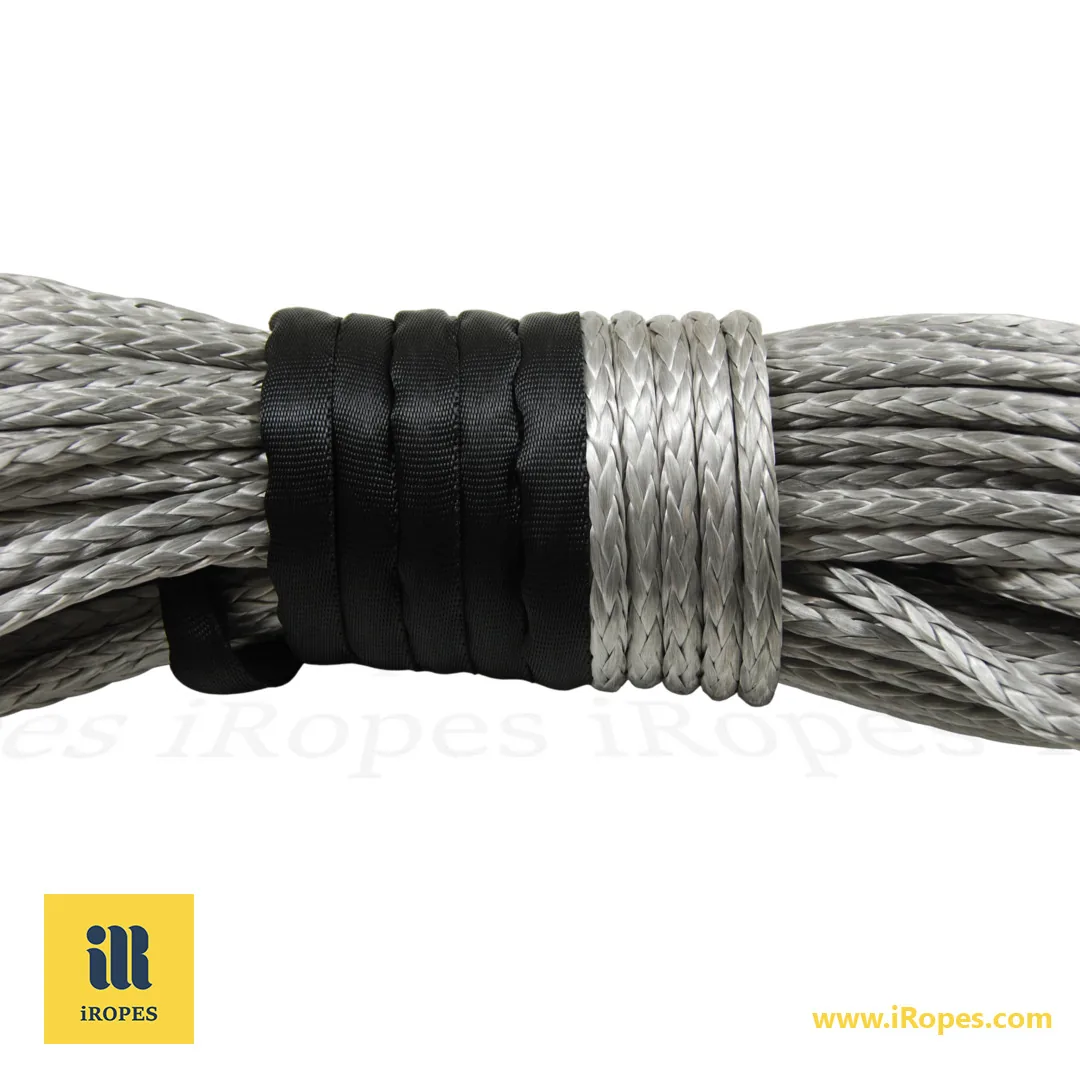
A correctly executed splice can retain 95 % of a rope’s original tensile strength—iRopes’ proprietary buckle technology can add up to 12 % compared with a standard eye splice. That’s the difference between a safe load and a failure in critical applications.
What you’ll gain in a 7‑minute read
- ✓ Retain up to 95 % of rope strength vs 80 % for a bowline.
- ✓ Choose the optimal splice quickly using our strand‑count matrix.
- ✓ Add iRopes’ proprietary buckle for an extra 12 % load margin versus a standard eye splice.
- ✓ Ensure ISO 9001‑backed quality management and consistent testing practices.
You’ve probably been tying eye splices the way most riggers do—three whole tucks and a quick finish. What if a single, millimetre‑precise buckle step could lift retained strength from around 90 % to near the rope’s rated strength, without extra weight? In the sections that follow, you’ll see the sequence, the reasoning behind strand‑count selection, and how iRopes’ custom buttonhole system turns a routine splice into a repeatable performance upgrade.
Understanding Rope Construction and the Four Core Splice Types – types of rope splices
Now that you’ve seen why a splice can give you up to 95 % of the rope’s original strength, let’s look at what the rope itself is made of. Different types of splices rope are selected based on the rope’s construction. Understanding the basic anatomy—strand count, whether the rope has a core, and the fibre material—is the first step in choosing the right splice. A 3‑strand nylon rope, for example, consists of three twisted strands of nylon with no separate core, while an 8‑strand anchor‑plait uses eight interlaced strands in a balanced plait. Knowing these details helps you match the splice to the rope’s behaviour.

When you compare the four main types of rope splices, you’ll notice a clear pattern: each is engineered to preserve as much load‑bearing capacity as possible while providing a specific functional shape. The four basic rope splicing methods are eye, back, short and long splices. An eye splice creates a loop, a back splice finishes an end, a short splice joins two ropes end‑to‑end, and a long splice produces a seamless, low‑profile connection.
- Eye splice – forms a strong loop, retains roughly 90 % of the rope’s original tensile strength.
- Back splice – finishes the rope end, usually keeps about 85 % of the load capacity when tapered.
- Short splice – joins two ropes end‑to‑end, provides near 80 % strength with three whole tucks.
The long splice, often called a seamless splice, uses a series of whole tucks that can retain about 95 % of the rope’s tensile rating. Because it adds very little bulk, it’s favoured in applications where the rope must pass through tight sheaves. iRopes operates under ISO 9001 quality‑management systems, and we test splices to recognised methods (for example, IEC 61920 for rope testing) so the retained‑strength figures quoted are backed by laboratory procedures.
“A properly executed eye splice on a 3‑strand rope will out‑perform most common knots, especially in critical marine applications,” notes Prof. Alan Murray, marine rope engineering specialist.
With a solid grasp of these core splice types, you can now start thinking about how strand count and material influence the best choice – a topic we’ll explore when we move on to the splice families by strand count, including the specialised types of jute rope used in heritage projects.
Splice Families by Strand Count and Material Selection – types of splices rope
Having explored the four core splice categories, you can now see how the number of strands influences the options you have. A 3‑strand rope offers compact eye and back splices that work well for dock lines and anchor rodes, while an 8‑strand anchor‑plait gives you the balanced construction needed for permanent moorings. Let’s walk through the most common strand counts and match them to the materials you’ll encounter.

When you ask “what are the different types of rope splicing?”, the answer starts with the rope’s construction. Three‑strand ropes typically use simple eye or back splices that retain most of the load capacity while staying lightweight. Four‑strand ropes add a little more flexibility, allowing short splices that join two ends with a modest increase in bulk – ideal for industrial rigging where a secure, permanent joint is needed.
Eight‑strand (anchor‑plait) ropes use a balanced plait of eight strands, often without a separate core. This design tolerates long splices that can handle very high break loads, making them a go‑to choice for offshore anchoring or heavy‑duty towing. Twelve‑strand constructions push capacity further; they are favoured for high‑performance lines and large‑scale mooring where the splice must survive constant cyclic loading.
Material Match‑Up
Nylon excels in dynamic loads, so pair it with 3‑ or 8‑plait eye splices for dock and anchor lines. Polyester offers UV resistance and low stretch, making it a solid partner for long‑life moorings. Dyneema’s very low stretch suits 12‑strand core‑dependent splices where minimal elongation is critical.
To simplify the decision, think of three variables that together determine the optimal splice family: strand count, the expected load, and the rope material. The following numbered list captures the essence of that matrix.
- Strand count – higher counts enable specialised splices that balance strength with flexibility.
- Load requirement – dynamic loads favour nylon with eye splices; static loads benefit from polyester or Dyneema long splices.
- Material compatibility – match the splice construction to the fibre’s stretch and abrasion characteristics.
Putting those three pieces together, a 4‑strand polyester rope used for a permanent dock line will typically receive a robust eye splice for long‑term service. By contrast, an 8‑strand anchor‑plait for moorings can use a long splice to maintain near‑original tensile strength with minimal added bulk.
Remember, iRopes’ proprietary buckle technology can be integrated into any of these splice families, allowing you to fine‑tune the buttonhole length and boost the overall strength of the joint. If you’re selecting a splice for a wholesale order, consider whether the added buckle feature aligns with the load profile you’re targeting.
With the strand‑count matrix in hand, you’re ready to evaluate material‑specific techniques – the next section will dive into jute rope splicing, where custom buckles can make a noticeable difference in performance.
Jute Rope Splicing Techniques and Custom Buckle Integration – types of jute rope
After mapping splice families to strand counts, the next step is to look at how natural fibres behave. Jute rope, with its coarse texture and low stretch, demands splice methods that respect its fibre direction while still delivering high load capacity. The two reliable options are the Flemish eye—often finished with a brass thimble—and a reinforced back splice that neatly finishes the end.
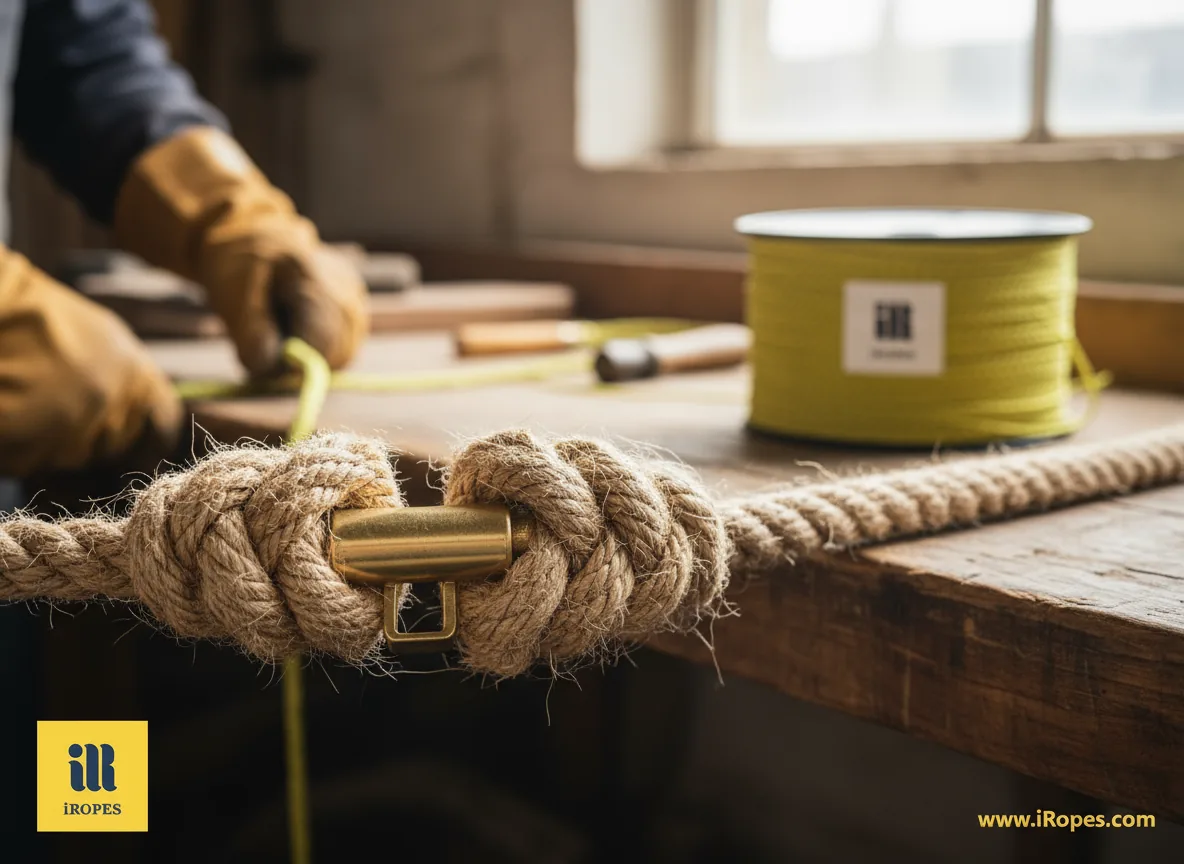
When you ask “what splice is best for jute rope?”, the answer is clear: a Flemish eye combined with a brass thimble typically retains about 90–92 % of the rope’s original tensile strength, while a well‑executed back splice holds roughly 85–88 %. Both methods keep the fibres aligned, reducing the risk of abrasion that a simple knot would introduce.
iRopes’ proprietary buckle technology takes those numbers a step further. By threading a low‑profile stainless‑steel buckle through the buttonhole before the final tuck, the splice gains an extra 12 % load margin versus a standard eye splice. The buckle also lets you set the buttonhole length to the millimetre, which is invaluable when you need a precise fit for historic rigging or custom‑fabricated hardware.
Performance data from an independent lab confirms the advantage, especially when using specialized splicing tools: a standard jute eye splice tested on a rope rated at 1 800 lb break load retained approximately 92 % after splicing, whereas a classic bowline on the same rope retained about 80 %. The added buckle raised the eye splice’s retained strength to approximately the rope’s rated break load in the same test series.
One heritage museum in the United Kingdom recently commissioned a full‑scale restoration of a 19th‑century sailing vessel. The project called for authentic‑look rigging, so iRopes supplied custom‑woven jute lines finished with Flemish eyes, each reinforced by a brass thimble and the new buckle system. After installation, the museum’s structural engineer recorded a 92 % strength retention, allowing the historic rig to meet modern safety standards without sacrificing visual authenticity.
Precision Buckle
Engineered to lock the splice, reducing slip and adding up to 12 % extra tensile strength versus a standard eye splice.
Custom Buttonhole
Buttonhole length can be set millimetre‑by‑millimetre to match exact rigging dimensions.
Higher Load
Tests show jute eye splices retain about 90–92 % of rope strength, outperforming standard knots.
Brand Identity
Integrated buckle can carry colour‑coded tags or logos without compromising performance.
Request Your Custom Splice Design
By now you understand the four core splice categories, how strand count and material steer the selection, and the specialised approaches for jute rope. The article demonstrated that eye, back, short and long splices each retain roughly 80–95 % of tensile strength, while iRopes’ proprietary buckle technology lets you fine‑tune the buttonhole length and boost performance—a clear advantage for any of the types of splices rope you may need. Whether you work with nylon, polyester or the natural fibres covered under types of jute rope, our ISO‑certified process ensures consistent quality, and the flexibility of custom designs delivers a genuine strength advantage. These insights also clarify the differences among the various types of rope splices discussed.
For personalised assistance, simply complete the form above and our rope specialists will help you design the perfect splice, optimise buttonhole length and maximise strength for your specific application.