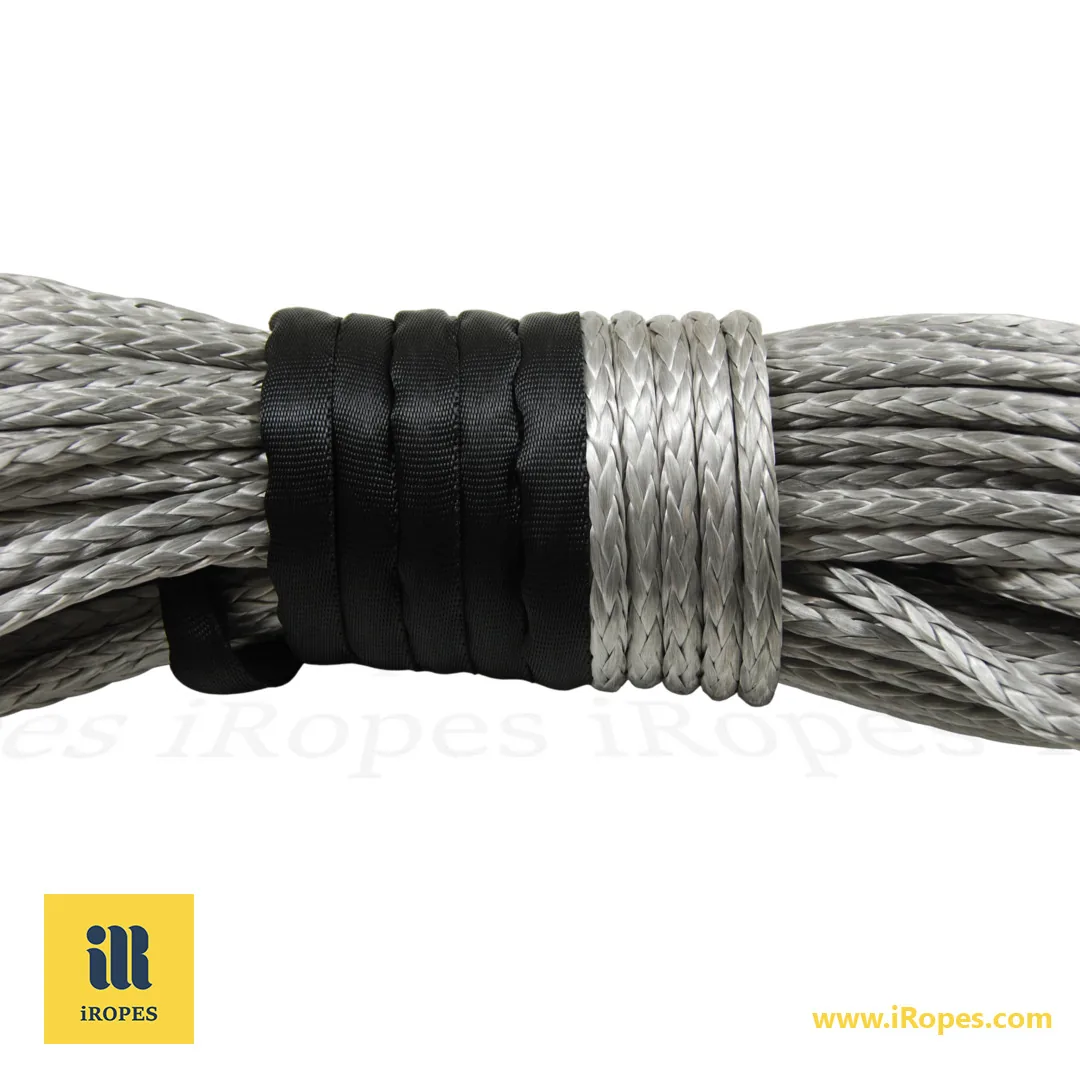
Polypropylene tying twine delivers up to 725 lb tensile strength with less than 3% stretch—the fast-track to secure, long-lasting knots.
What you’ll gain – ~2 min read
- ✓ 3-ply, 725 lb rating cuts bundle breakage by ~20%
- ✓ Moisture, rot & UV resistance keeps knots firm for months
- ✓ Custom colours & diameters match your branding & load specs
- ✓ ISO-9001-backed quality slashes reject rates by ~15%
You might think any cheap twine will keep a bundle together, yet most melt or stretch the moment humidity hits. The real secret lies in polypropylene’s ultra-low stretch and chemical-inert core—attributes that keep knots tight from the first pull to the last mile. We’ll reveal how these hidden specifications translate into measurable savings and how iRopes can tailor them to your exact workflow. Read on to discover more.
Understanding Tying Twine: Material, Structure, and Core Uses
Building on the brief introduction to the demand for custom solutions, it’s time to explore what tying twine actually is. In simple terms, tying twine is a thin, flexible cord designed to hold bundles, secure loads, or support plants. The most common raw materials are synthetic polypropylene, nylon, and natural jute, each offering a distinct balance of strength, durability, and cost.
Polypropylene, when chosen, results in a lightweight yet robust strand that resists moisture, rot, and UV exposure. These qualities make it a favourite on warehouse floors and farm fields alike. In contrast, nylon offers higher elasticity, while jute provides an eco-friendly, biodegradable feel for lighter tasks.

The way the twine is constructed directly influences how much load it can bear. Here are the most common construction details you’ll encounter when specifying a product:
- Ply count – Choose 1-ply for light bundles, or 2-ply or 3-ply for heavy-duty loads.
- Diameter – Ranges from 2 mm to 8 mm, selected to match tensile requirements.
- Core type – Options include solid polymer core, hollow core, or parallel-core for added flexibility.
These construction choices translate into real-world uses across several core industries. In packaging, PP tying twine holds cardboard boxes together on pallets, ensuring loads remain intact during transport. Agriculture relies on it for baling hay, tying tomato vines, or creating sturdy trellises that withstand rain and wind. Construction sites use the same cords to fasten conduit, bundle rebar, or secure temporary scaffolding – any situation where a reliable knot is essential.
"When you need a knot that stays tight through rain, heat and handling, polypropylene tying twine is the quiet workhorse that rarely lets you down."
Understanding these material basics and how the twine is constructed provides a solid platform for the next step – examining the performance traits that set polypropylene twine apart from other options.
Twine Tying Techniques and Performance Characteristics
Building on the material basics you just explored, let’s look at why the way you tie a bundle matters. The right combination of strength, stretch, and resistance can mean the difference between a load that stays secure during transport and one that unravels on the job site.

When you need a bundle that won’t loosen, high tensile strength is the first thing to check. A robust twine can absorb the pulling forces of pallets stacked high, keeping each box in place while forklifts shift the load. Key performance indicators include:
- High tensile strength – pulls up to several hundred pounds without breaking.
- Minimal stretch – elongates less than 3% under load, so knots stay tight.
- Resistance to moisture, rot, mildew, and chemicals – stays reliable in rain, humidity, or harsh industrial chemicals.
The low-stretch characteristic often prompts a common question: Does polypropylene twine stretch? The answer is no, not in any meaningful way. Because the polymer chains are tightly oriented during extrusion, this tying twine shrinks only a fraction of its length. This results in a knot that remains firm even after hours of handling.
Polypropylene tying twine stretches very little—typically under 3%—so you can trust the knot to stay tight without constant retightening.
Beyond minimal stretch, the material’s resistance to moisture and mildew means you can leave bundles outdoors without fearing rot. In a warehouse, the same tying twine endures accidental spills of oil or cleaning solvents, thanks to its chemical-inert nature.
Understanding these performance traits equips you to choose the exact grade of polypropylene tying twine for your next project. This applies whether you’re bundling steel rods on a construction site or securing harvested crops in a field. Next, we’ll explore the broad range of applications where these qualities make a real difference.
Polypropylene Tying Twine: Benefits and Customisation Options
After seeing how low-stretch behaviour and moisture resistance keep your knots tight, the next question is—how can the tying twine be shaped to fit your exact workflow? iRopes lets you choose every variable, from polymer grade to the colour that matches your branding. This ensures the rope you receive works like an extension of your own processes.

Our OEM/ODM service covers every specification you might require. You can request a particular material grade that balances tensile strength with cost, pick a diameter that aligns with the load you plan to secure, and even add performance additives such as UV inhibitors or reflective filaments.
Colour Flexibility
Choose from standard shades or request brand-specific hues for instant visual identification.
Diameter Range
Available from 2 mm to 8 mm, matching load requirements without over-engineering.
Performance Grades
Select tensile-strength classes from 145 lb to 725 lb, ensuring the right knot-holding power for any task.
Add-On Features
Integrate reflective strands or UV-stabilised compounds for added safety and outdoor durability.
When you place an order, every batch passes through an ISO 9001-certified quality line. Automated extrusion, tight dimensional tolerances, and tensile-testing stations mean the tying twine you receive consistently meets your defined specifications.
Quality
All polypropylene tying twine leaves iRopes’ factory under ISO 9001-certified quality control. Automated extrusion, strict dimensional checks, and tensile-testing stations guarantee every roll matches the exact specifications you ordered, reducing reject rates and protecting your downstream operations.
One common query is whether this material will decompose in the field. The short answer is no – polypropylene twine is non-biodegradable. This is precisely why it retains strength for months or even years under sun, rain, and soil. That longevity translates into fewer replacements and a lower total cost for you.
With the ability to fine-tune grade, colour, diameter, and add-on features, you can now move on to selecting the exact ply count and tensile rating that suits each of your industrial tasks.
Choosing the Right Tying Twine for Industrial Applications
Now that you understand how polypropylene tying twine performs under pressure, the next step is matching the right specification to the job at hand. Selecting the proper ply count, tensile rating, and roll length can mean the difference between a bundle that holds firm through a long haul and one that unravels the moment the forklift starts moving.

Here’s a quick checklist you can run through before you place an order:
- Ply count – Use 1-ply for light packaging, 2-ply for medium-weight bundles, and 3-ply when you need maximum knot-holding power.
- Tensile rating – Choose a rating that exceeds the expected load by at least 30%. A 315 lb rating is typical for pallet-wrap applications, while 725 lb suits heavy-duty rebar bundling.
- Roll length – Match length to your workflow: 4,200 ft rolls minimise change-overs on high-speed balers, whereas 1,000 ft spools are easier to store in small workshops.
When you compare polypropylene with more traditional options, the advantages become clear. Jute offers a natural look but absorbs moisture, so its strength drops dramatically after a rain shower. Nylon stretches noticeably—great for elastic applications but not ideal when you need a knot that stays tight. Polyethylene twine is water-resistant but tends to be stiffer, making it harder to feed through automatic tie-down machines. Polypropylene tying twine combines low stretch, moisture immunity, and a supple feel, delivering the most predictable performance across indoor and outdoor settings.
Even the best-grade twine can lose its edge if it’s not cared for properly. Store rolls off the concrete floor on pallets, keep them covered from direct sunlight, and avoid crushing the cores. A compressed roll can develop flat spots that affect knot consistency. For long-term storage, many of our wholesale customers prefer our sealed, colour-coded bags. These protect the twine from dust and UV exposure while allowing quick visual identification on the shop floor.
"We switched to a 3-ply, 490 lb polypropylene twine for our plant-support lines and saw a 20% drop in re-tying incidents. The colour coding alone saved our crew minutes each shift."
Armed with the right ply, strength, and length, you can tailor the tying twine to any industrial task—from securing steel conduit on a construction site to bundling harvested tomatoes in a field. The next section will walk you through the final steps of placing a custom order and ensuring the product arrives ready to work.
Get a Custom Twine Quote
You've learned how tying twine’s material choices, construction details, and low-stretch behaviour make it ideal for packaging, agriculture, and construction. Polypropylene tying twine delivers moisture resistance and consistent tensile strength. It can also be customised in colour, diameter, and ply count to match your exact load requirements. When it comes to twine tying techniques, the minimal stretch ensures knots stay tight even after hours of handling, reducing re-tying incidents and boosting productivity.
If you’d like personalised advice on selecting the right tying twine for your application, simply complete the form above and our experts will get in touch.