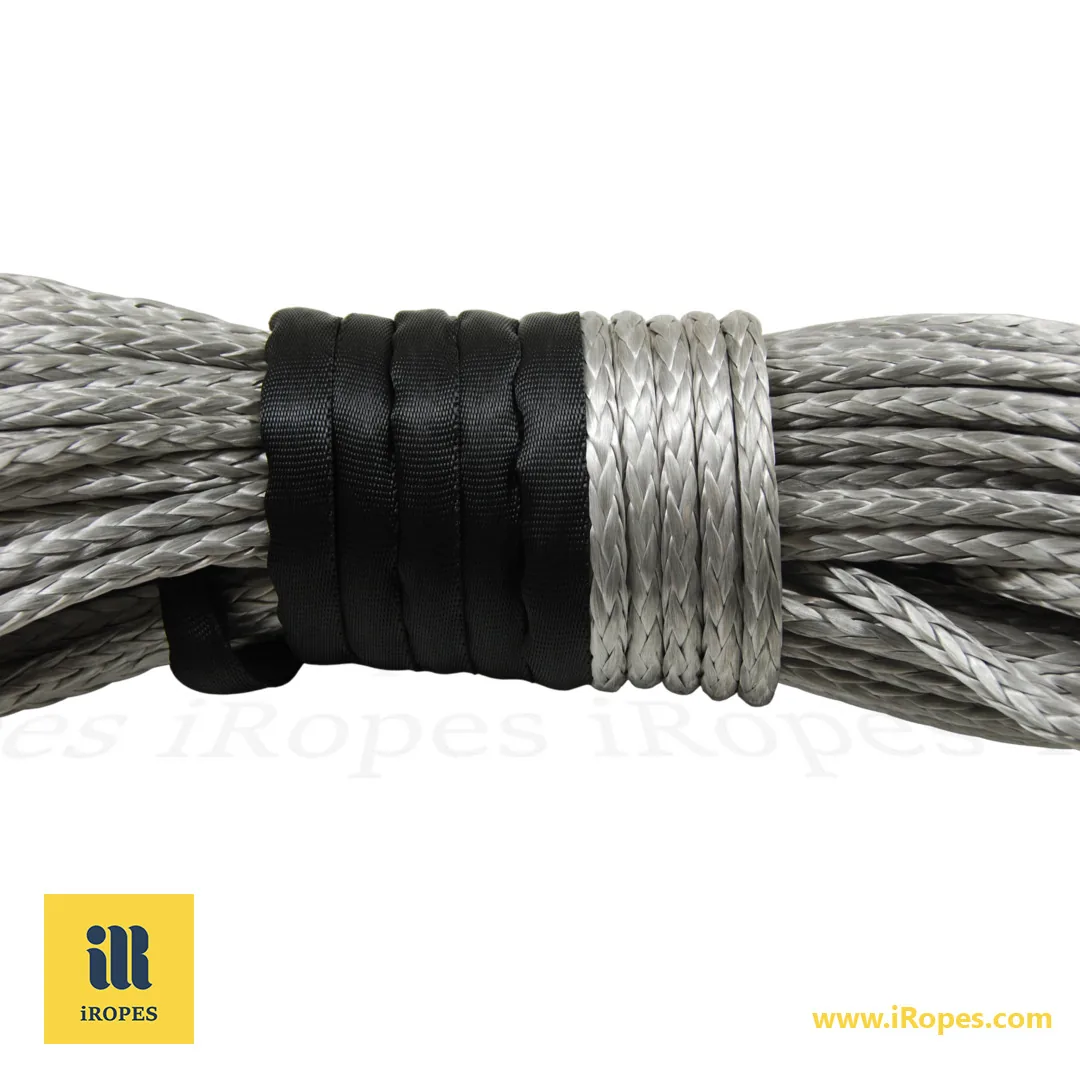
Pro captains conceal that 85% lighter HMPE mooring ropes slash recoil risks by 90% compared to steel—yet most fleets still risk snaps from outdated nylon choices alone.
Unlock Pro Secrets in ~8 Minutes →
- ✓ Grasp why mooring ropes stretch 40% to absorb shocks, preventing 100-tonne vessel drifts in tides
- ✓ Differentiate low-stretch tow lines for tugs, cutting handling time by 30% in rough seas
- ✓ Master specs for VLCCs—60mm diameters with OCIMF-compliant 100+ tonne breaks for regulatory peace
- ✓ Gain maintenance hacks: Monthly checks extend fleet rope life up to 18 months, saving costs
You assume a beefy rope guarantees safe mooring, but pros whisper that mismatched fibres cause 70% of hidden failures—turning routine docks into heart-stopping drifts. What if your lines hid the same vulnerabilities, inflating risks amid swelling tides and whipping winds? Dive in to unearth these guarded truths from iRopes experts, and transform your fleet's reliability before the next storm tests you. iRopes is committed to providing customised rope solutions for wholesale customers globally.
Unveiling Secrets of the Marine Mooring Rope
Imagine a bustling harbour at dusk, where a massive container ship edges towards the dock. The captain nods to the deck crew, who ready the lines. One wrong choice in that rope, and a simple docking turns chaotic. That's the reality pros face every day. A marine mooring rope isn't just any line—it's the unsung hero that keeps vessels secure against docks, piers, or anchors. These ropes handle immense forces from waves, tides, and wind, absorbing shocks to prevent everything from minor jolts to catastrophic snaps. Think of it like a sturdy seatbelt in a bumpy ride: the stretch cushions impacts, reducing stress on both the ship and the mooring point for safer operations.
But not all ropes are built for the same job. So, what sets a marine mooring rope apart from, say, a marine tow line? The key lies in their purposes. Mooring ropes focus on static holding—keeping a vessel in place with some give to handle sudden pulls from swells or surges. Materials like nylon provide that essential elasticity, stretching up to 40% under load before recovering, which dissipates energy and avoids breakage. In contrast, a marine tow line deals with dynamic pulls, like when a tugboat hauls another vessel through rough seas. These demand low elongation for precise control, often using high-modulus polyethylene (HMPE) that barely stretches, ensuring the pull stays straight and powerful without whipping back dangerously. Misusing one for the other? You risk instability or injury—mooring lines might overstretch during towing, while tow lines could snap too easily in a static hold.

Choosing the right specs makes all the difference, tailored to your vessel's class. For small boats under 12 metres, a diameter of 10-16mm works well, with lengths around 10-15 metres per line and breaking strengths from 5-10 tonnes—enough for calm bays without overkill. Scale up to commercial giants like Very Large Crude Carriers (VLCCs), and you're looking at 60-100mm diameters, 200+ metre lengths, and breaking strengths exceeding 100 tonnes to manage massive displacements in open anchorages. These must comply with standards from the Oil Companies International Marine Forum (OCIMF), which mandate minimum breaking loads and construction to withstand extreme conditions, ensuring regulatory approval and operational safety. Have you ever wondered why pros double-check these details? It's because one undersized line could mean downtime or worse in a storm. iRopes provides custom solutions for wholesale customers, ensuring compliance and precision manufacturing.
- Small Boats - 10-16mm diameter, 10-15m length, 5-10 tonne breaking strength for everyday docking.
- Commercial Ships (e.g., VLCCs) - 60-100mm diameter, 200+m length, 100+ tonne breaking strength per OCIMF guidelines for heavy-load security.
With the foundational role of marine mooring ropes clear, let's explore how marine mooring lines vary in construction for diverse professional applications.
Hidden Durability Factors in Marine Mooring Lines
Building on the basics of how marine mooring ropes secure vessels, the real durability comes down to what they're made of and how they're built. Pros know that in the relentless push-pull of ocean forces, a line's inner makeup decides if it lasts a season or a decade. Let's dive into those often-overlooked elements that keep operations running smoothly, even when saltwater bites and sun beats down without mercy.
At the heart of any solid marine mooring line are the materials chosen for their grit against the elements. Common options include nylon, prized for its give—think of it as the rope that bends but doesn’t break under sudden waves, offering elasticity to soak up shocks. Then there's HMPE, or high-modulus polyethylene like Dyneema, which packs an incredible punch without the bulk; it's up to 15 times stronger than steel by weight, making it ideal for heavy-duty holds where every gram counts. What are marine mooring lines made of, exactly? Beyond the basics, these synthetics shine in key properties: UV resistance shields them from sun degradation that could weaken fibres over time, abrasion resistance fends off rubbing against rough pilings or hulls, and chemical resistance stands up to fuels, oils, and the ever-present saltwater without breaking down. For instance, in a busy port, a nylon line might flex through a storm's surge, while HMPE handles constant tension on an offshore rig without fraying.
Nylon
Elastic Shock Absorber
High Stretch
Absorbs up to 40% elongation for dynamic loads in choppy waters.
UV Protection
Coated fibres resist fading and strength loss from prolonged exposure.
Chemical Durability
Withstands oils and salts without degrading core integrity.
HMPE/Dyneema
Lightweight Powerhouse
Superior Strength
Offers high breaking loads with minimal weight for efficient handling.
Abrasion Resistance
Smooth surface reduces wear from contact, extending service life.
Environmental Toughness
Low water absorption ensures consistent performance in wet conditions.
Construction plays an equally vital role in pushing back against the sea's wear and tear. A 3-strand twisted design offers simplicity and flexibility for easy coiling on deck, while double-braided setups layer an outer sheath over a core for balanced strength and smoother handling under load. To boost longevity in brutal conditions, accessories step in: thimbles reinforce eye splices to prevent crushing at connection points, and chafe guards wrap vulnerable spots, acting like armour against the grind of cleats or fenders. Picture a line on a ferry terminal—without these, constant friction could halve its lifespan amid daily traffic.

For commercial fleets, safety hinges on features like controlled stretch that keeps vessels stable without excessive sway, and buoyancy choices—floating lines for easy retrieval in deep water or sinking ones to stay clear of props. In high winds or strong tides, these prevent snaps by distributing forces evenly, avoiding the chaos of a loose ship drifting into traffic. Ever seen a line hold firm when others give way? It's these calculated traits that captains swear by for uneventful shifts. iRopes manufactures high-quality marine mooring ropes, designed for diverse industries and catering to wholesale customers.
Understanding material and design secrets equips captains for reliability; now, discover the performance truths pros guard about dynamic uses.
Pro Insights on the Marine Tow Line
Shifting from the steady hold of mooring lines to the intense pull of active manoeuvres, marine tow lines step into the spotlight for tugboats and offshore work. These aren't your average ropes—they're engineered for moments when precision matters most, like guiding a massive tanker through narrow channels or rescuing a vessel in rough seas. The design prioritises low elongation, meaning the line stretches minimally under strain, which keeps the tow steady and controlled. High breaking loads ensure it can handle sudden spikes in tension without failing, giving operators the confidence to push through challenging conditions. In my years observing deck crews, I've seen how this setup turns potential disasters into routine successes, where every metre of line responds exactly as needed.
For tugboat operators, a well-chosen tow line means safer, faster jobs. Take offshore operations: here, the rope must withstand constant dynamic forces from waves and currents, so constructions like 12-strand braided HMPE deliver that unyielding strength while staying lightweight for quick deployment. Pros often keep these details close because the wrong line could lead to uncontrolled swings or snaps, but sharing this knowledge helps fleets operate more effectively. For deeper insights into selecting materials that ensure minimal stretch under heavy loads, explore our guide on mastering low stretch rope for maximum strength. iRopes provides customised marine tow lines, offering OEM and ODM services for tailored solutions.
HMPE for Large-Scale Towing
Ideal for LNG carriers and offshore rigs, this material cuts weight by 85% compared to steel equivalents, easing handling for crews while boosting fuel efficiency on long hauls.
Recoil Risk Reduction
Its low stretch minimises dangerous snap-back, a common hazard in high-tension tows that has saved lives by keeping lines predictable during breaks.
Polyester for Harbour Use
Suits short-distance tugs in sheltered waters, offering balanced strength and moderate cost without the premium price of advanced fibres.
Safety Enhancements
Provides reliable grip and UV resistance for daily port manoeuvres, reducing wear from frequent use and ensuring consistent performance.
Ever wondered how to pick the right size marine tow line for your vessel? It starts with assessing the boat's weight—multiply that by a factor for sea state, like calmer harbours needing less capacity than open ocean swells. Factor in working load limits, which should never exceed one-fifth of the breaking strength for a solid safety margin. For a 500-tonne tug, you might opt for a 40-50mm diameter with at least 50-tonne working load, scaling up for heavier loads. Always consult load charts and add buffers for unexpected gusts; this approach keeps operations smooth and crews protected.

Getting these elements right not only boosts efficiency but sets the stage for ongoing care that extends a line's service life across demanding schedules.
Expert Selection, Maintenance, and iRopes Customisation
Getting the right marine tow line in place is just the start—now comes the part where pros ensure it performs day in and day out. Selecting the ideal rope means aligning its traits with your specific setup, from the choppy coastal runs to deep-sea anchors. Consider the environment first: in corrosive ports with heavy pollution, opt for lines boasting top-tier chemical resistance to fend off degradation from spills or fumes. Regulatory needs add another layer—ropes for tankers often require OCIMF-compliant designs, verifying minimum breaking strengths that match the vessel's displacement. Vessel size and load dictate everything else; a mid-sized ferry might need 30-40mm diameters with 20-30 tonne capacities for routine docking, while offshore platforms demand heavier specs to counter massive wave forces without compromise.
Think about your operation's demands: if you're dealing with frequent surges, prioritise nylon's shock absorption to ease hull stress. For steady pulls, low-stretch HMPE keeps things predictable. Certifications like ISO 9001 back these choices, confirming the rope meets global safety benchmarks. Matching these factors isn't guesswork—it's about calculating working loads with built-in margins, say 20% extra for sudden gusts, to avoid overloads that could turn a calm day sour. To dive deeper into optimal material choices for various vessel classes and regulatory compliance, check out our article on choosing the best mooring rope material for your needs.
- Assess Vessel Load - Calculate total weight and expected forces to select breaking strength at least five times the working load.
- Evaluate Environment - Choose UV and abrasion-resistant options for sunny, rocky exposures.
- Check Regulations - Ensure compliance with OCIMF or similar for commercial certification.
Once selected, maintenance keeps your gear reliable, especially for busy fleets where lines see constant action. Start with regular inspections: look for abrasion along contact points, like where the rope rubs against bollards, and check splice integrity for any unravelling that could weaken holds. Cleaning removes salt buildup—rinse with fresh water after each use and avoid harsh chemicals that might harm fibres. For storage, coil lines loosely in shaded, dry spots to block UV rays, which can cut strength by half over a year. Replacement timelines depend on wear; high-use lines might need swapping every 12-18 months, but always retire one showing cuts or stiffness. iRopes offers ropes for various applications, including tree work, yachting, and camping.
How often should marine tow lines be inspected? In commercial ops, pros recommend monthly visuals plus thorough checks after every major deployment or storm, catching issues early to prevent failures. This routine not only extends lifespan but slashes risks, turning potential headaches into smooth sailing.

For those seeking more than off-the-shelf options, iRopes steps in with OEM and ODM services tailored to your fleet's quirks. We craft custom marine mooring ropes and tow lines, tweaking materials for exact buoyancy needs or adding branded colours that match your company's look. Intellectual property stays safe throughout—from design sketches to final product—while we handle everything from precision braiding in our ISO-certified plants to direct pallet shipping worldwide. Wholesale partners love the flexibility: choose reflective strips for night ops or specialised coatings for extreme abrasion. For tailored approaches to high-strength towing options that meet commercial demands, learn more in our post on discover high-strength tow ropes for sale unmatched durability. This personalisation means ropes that fit like a glove, boosting efficiency and cutting long-term costs for operations from harbour tugs to ocean-going vessels.
iRopes Tailored Solutions
From diameter tweaks to full branding, our experts deliver ropes engineered for your exact marine challenges, complete with global delivery.
Implementing these selection and care strategies sharpens every aspect of your marine routine, paving the way for safer, more dependable voyages ahead.
Armed with these pro insights, captains and fleet managers can now select the right marine mooring rope for static security, leveraging nylon's elasticity or HMPE's strength to meet OCIMF regulations and vessel-specific specs—from 10-16mm diameters for small boats to 60-100mm for VLCCs. For dynamic tasks, a marine tow line demands low-stretch designs to minimise recoil risks, scaled by vessel weight and sea conditions with ample safety margins. Meanwhile, marine mooring lines thrive on robust constructions like double-braiding and accessories such as chafe guards, backed by rigorous maintenance—monthly inspections, proper cleaning, and timely replacements—to ensure commercial fleets endure harsh marine environments.
iRopes' OEM/ODM expertise elevates this further, offering tailored solutions with IP protection, branding, and global shipping to optimise your operations for safety and efficiency. We are dedicated to customer satisfaction, innovation, and excellence in rope manufacturing.
Need Custom Advice for Your Fleet?
If you'd like personalised recommendations on commercial-grade mooring and towing solutions, including detailed specs, regulatory compliance, or maintenance strategies tailored to your operations, complete the inquiry form above to speak with our iRopes specialists today.