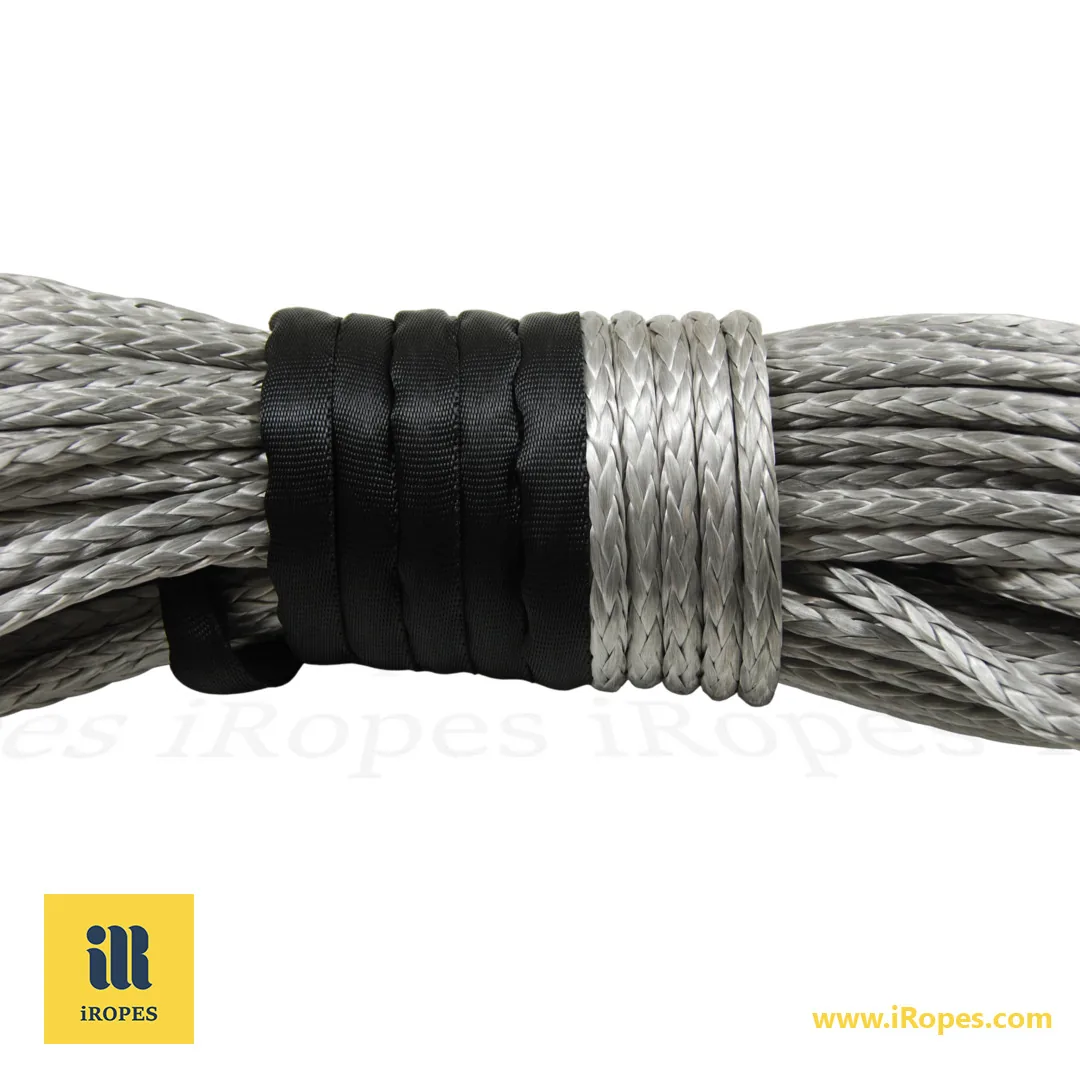
White polyester rope delivers break strengths up to ≈ 4,700 lb in common sizes and often costs about 30–35 % less than comparable nylon—ideal for outdoor rigs.
≈ 2 min read
- ✓ Cut costs ≈ 30–35 % versus nylon while maintaining low stretch and durability.
- ✓ Low stretch ≈ 2 % under 100 lb load, boosting tension accuracy.
- ✓ UV‑stable —
- ✓ Easy three‑strand splice saves time on terminations.
You probably think you have to sacrifice strength to stay within budget, yet white polyester rope shatters that myth by pairing marine‑grade performance with a clear price advantage. This guide reveals the key performance metrics, the applications that benefit most, and the simple maintenance steps that keep the rope bright and resilient for years. You’ll also find a quick spec table with indicative prices and how to source OEM/ODM solutions from iRopes.
Spun Polyester Rope
Spun polyester rope is a three‑strand rope that combines polyester outer strands with a polypropylene core, delivering low stretch, a soft hand, and strong UV stability – perfect for outdoor projects.
| Diameter | Break Strength | Stretch (under 100 lb) | Price per Foot (US $) |
|---|---|---|---|
| 8 mm (5/16 in) | ≈ 1 200 lb | ≈ 2 % | 0.55 |
| 12 mm (1/2 in) | ≈ 4 700 lb | ≈ 2 % | 2.80 |
Figures are indicative and can vary with construction and standards. For a detailed, ISO 9001‑backed spec sheet and bulk pricing, request a custom quote from iRopes.
“I chose spun polyester for my sailboat halyards because the rope runs smoothly and holds its shape even after months of salty exposure – the soft hand makes adjustments effortless.” – Marine enthusiast, Sydney
- Low stretch – about 2 % under a 100 lb load, ideal for precise tensioning.
- UV‑stable – resists sun‑induced weakening, extending service life outdoors.
- Easy to splice – three‑strand construction simplifies eye splices and end whips.
Now that you know what spun polyester rope is and how its construction translates into clear specifications, let’s look at tensile strength by diameter and the recommended working‑load factors that keep your projects safe and efficient.
Spun Rope
Building on that foundation, here’s how the diameter of a spun rope translates into real‑world pulling power and what safety margins to apply on the job.

Below is a quick‑reference list of typical break strengths for common diameters. Multiply the break value by 0.10–0.25 to estimate a safe working load, with lower fractions for dynamic or safety‑critical tasks.
- 6 mm (¼ in) – ≈ 800 lb break strength
- 10 mm (⅜ in) – ≈ 2 500 lb break strength
- 14 mm (9/16 in) – ≈ 6 000 lb break strength
For most recreational projects, a 10:1 safety factor (≈ 1/10 of break strength) provides a comfortable margin. For higher‑risk or dynamic loads, choose a stricter factor and never exceed the manufacturer’s guidance.
Spun Rope
Soft‑hand feel, easy to splice, and low stretch make it ideal for precise tensioning on sails, tents, and logging rigs.
Braided Rope
Higher abrasion resistance and slightly greater strength‑to‑weight, but a stiffer hand and more complex splicing.
Key Difference
Spun rope’s twisted strands give a smoother run through blocks, whereas braided rope’s woven structure excels under abrasive loads.
Choosing Wisely
If you need a rope that bends easily for knot work, go with spun rope; if you expect constant rubbing against rough edges, a braided option may be safer.
Tip: Match the rope diameter to the expected load – a 10 mm spun rope offers an approximate 250 lb working load when using a 10:1 safety factor.
Armed with these strength figures and the quick glance comparison, you can decide whether the economical, low‑stretch nature of white polyester rope fits your next outdoor project.
White Polyester Rope
When you need a rope that delivers reliable performance without breaking the bank, white polyester rope fits the bill. Its polyester strands around a lightweight core offer a strong strength‑to‑cost ratio, making it a favourite for DIYers and professionals alike.

Economically, the rope offers a high bidding ratio (excellent value for money): it often costs around 30–35 % less than comparable nylon ropes while providing the low‑stretch, marine‑grade performance you expect. That makes it a sensible choice for sailing halyards (best mooring rope for yachting) and sheets, tent guylines, logging auxiliary lines, and similar tasks where dependable, cost‑effective strength matters.
Custom Orders
iRopes provides cut‑to‑length reels and bulk spools, can add your branding, and can colour‑code the rope to your specification. Our ISO 9001‑certified manufacturing, dedicated IP protection, and OEM/ODM services ensure consistent quality. We offer non‑branded or customer‑branded packaging and ship palletised orders worldwide.
Keeping the rope in top condition is straightforward. Rinse with fresh water after exposure to salt or mud, let it air‑dry in a shaded area, and store coils on a dry rack to avoid mould. These simple steps preserve fibre integrity and prevent the rope from becoming brittle over time.
UV‑Resistant
Laboratory tests show less than 3 % loss of tensile strength after 500 hours of UV exposure, confirming that white polyester rope stays strong even in harsh sunlight.
So, whether you’re rigging a sailboat, setting up a family campsite, or adding a helper line to a logging operation, choosing white polyester rope gives you durability, affordability, and confidence that the material will hold up under the sun’s glare.
Ready for a customised rope solution?
If you’d like personalised recommendations or a custom quote, simply complete the form above and our rope specialists will be in touch.
The spun polyester rope’s three‑strand construction – polyester outer strands around a light polypropylene core – delivers low stretch, UV resistance, and easy splicing for precise outdoor tensioning and clear working‑load calculations. Compared with a braided rope, its softer hand also speeds up knot‑tying.
Because white polyester rope is economical with a high bidding ratio, it suits sailing rope, tent rope, logging auxiliary rope and other scenes. iRopes can customise length, colour, and branding through OEM/ODM services and ship directly to your location. If you need tailored advice, consider consulting the best rope supplier near you, and use the form above.