⚠️ Shocking truth: 73% of all-purpose ropes lose 50% of their strength within just three months of marine abrasion due to poor material choices. Yet, abrasion-resistant alternatives often endure 2.3 times longer against the relentless saltwater grind. Unlock the flaws and discover the fixes now.
In 11 minutes, master rope selection for marine success →
- ✓ Pinpoint why basic nylon swells and frays 40% faster in wet conditions, solving your docking durability headaches.
- ✓ Compare polyester coatings that cut friction by 28% versus standard builds, boosting your knowledge of proven materials.
- ✓ Discover double-braid techniques extending lifespan 2x in yachting, equipping you to choose high-performance options.
- ✓ Access iRopes' OEM customisation for ISO 9001-certified ropes, preventing failures and potentially saving 35% on replacements.
You've probably trusted that versatile *all-purpose rope* for everything from camping to temporary boat ties, assuming it would hold up just fine in marine environments. Perhaps you've experienced it fraying against a barnacled dock during a swell, risking your gear and safety. But what if the real vulnerability hides in overlooked construction flaws that even seemingly "tough" polyester can't mask without targeted upgrades? Dive deeper to reveal how iRopes’ precision designs flip this script, ensuring your lines outlast even the harshest waves and transform potential disasters into reliable performance.
Why All-Purpose Rope Fails Marine Abrasion Tests
Imagine you're out on the water, relying on that *all-purpose rope* to secure your boat to a weathered dock. It feels solid at first, but after a few stormy days rubbing against barnacle-crusted pilings, it starts fraying at the edges. This isn't just bad luck; it's a classic sign of how *general purpose ropes* often succumb to marine abrasion. These versatile options, designed for everything from camping to light towing, simply aren't built for the relentless friction of saltwater environments.
The main culprits behind these failures lie in the rope's basic makeup and construction. Most all-purpose ropes use everyday synthetics like basic nylon or polypropylene, which lack the toughness to handle constant scraping against rough surfaces. In marine settings, where ropes encounter jagged rocks, corroded metal docks, and the hull's textured edges, these materials wear down quickly. Additionally, they tend to absorb water, which can lead to a significant loss of strength over time. Construction also plays a big role; simple twisted or single-braided designs don't distribute stress evenly, creating hot spots that accelerate breakdown. Without specialised coatings or reinforced cores, what initially appears to be a jack-of-all-trades rope can quickly become a liability when abrasion resistance is paramount.
- Material weaknesses: Basic fibres swell in saltwater, reducing grip and causing fibres to snap under friction.
- Poor load handling: Uneven twisting allows abrasion to penetrate the core faster, potentially cutting lifespan by up to 50% in wet conditions.
- Lack of protection: No outer sheaths mean direct exposure to sand, shells, and pollutants that grind away at the structure.
Consider a real-world example from a busy coastal marina. A yacht club switched to a popular *general purpose rope* for mooring lines, expecting it to handle everything from light docking to occasional surges. Within months, several lines failed during a squall, snapping against concrete edges and risking hull damage. Reports showed these ropes lasted only half as long as expected, with frayed sections posing serious safety hazards—such as a loose line whipping back or a boat drifting into traffic. In another instance, spearfishing operators off the Pacific found their *all-purpose* setups chafing through after repeated contact with rocky seabeds, leading to lost gear and near-misses underwater.

When seeking the best general purpose rope, polyester often emerges as a strong contender. It offers a good balance of strength, low stretch, and UV resistance, making it versatile for many tasks. However, even polyester falls short in extreme marine abrasion without additional enhancements like protective covers. It simply cannot fully shrug off the constant grinding from boat movements or tidal shifts without some help. This is where purpose-built upgrades make all the difference.
At iRopes, our OEM services are designed to identify these flaws early for wholesale marine buyers. We delve into your specific needs during the design phase, testing materials against simulated dock scrapes and hull contacts to catch weaknesses *before* production. This hands-on approach, backed by our skilled team and ISO 9001 certification, ensures your custom ropes avoid the pitfalls of off-the-shelf options, delivering reliability right from the start. We protect your intellectual property (IP) throughout the entire process.
Grasping why these versatile ropes falter opens the door to smarter choices, particularly exploring materials engineered specifically for marine durability. Let's delve into how the right materials provide the foundation for true performance.
The Science Behind Abrasion-Resistant Rope for Marine Durability
Building on those vulnerabilities in everyday ropes, let's delve into the materials that truly stand up to the sea's demands. When you're dealing with constant saltwater exposure and the grind of marine life, choosing the right fibres isn't just shrewd; it's essential for keeping rigging secure and avoiding constant replacements.
Polyester and nylon typically dominate discussions about tough ropes for marine environments, but they handle abrasion, sunlight, and stretching in distinct ways. Polyester excels with its low stretch under load, meaning it maintains stability during waves without significant elastic recoil. It's also highly resistant to UV rays that degrade lesser materials over time, and it absorbs minimal water, preventing the heavy, weakened feeling after a soak. Nylon, conversely, offers incredible shock absorption—perfect for cushioning sudden jerks from swells—but it soaks up water like a sponge. This characteristic can reduce its strength by up to 20% when wet. In terms of friction resistance, polyester generally edges out nylon in prolonged tests against rough surfaces, thanks to its smoother fibres that resist fraying better in salty conditions. Have you ever noticed how a wet nylon line feels somewhat slimy and loses grip? That's the water absorption at work, making it less ideal for high-wear spots such as rubbing against a boat hull.
Nylon
Elastic Powerhouse
High Elasticity
Absorbs shocks from waves, ideal for dynamic marine loads.
Water Absorption
Strength drops in saltwater, requiring careful drying.
UV Resistance
Moderate; degrades faster than polyester in direct sun.
Polyester
Stable Performer
Low Stretch
Maintains shape under tension, better for static holds like mooring.
Superior Abrasion Resistance
Outlasts nylon against docks and rocks in wet environments.
UV Stability
Excels in prolonged exposure, keeping strength intact longer.
Beyond the base materials, coatings and outer layers elevate durability. Polyurethane finishes, for instance, create a slick barrier that glides over rough edges without wearing away, all while keeping the rope flexible enough to coil neatly. These treatments can reduce friction by up to 30% in lab tests simulating dock chafing, without adding bulk that could stiffen handling. It's akin to giving your rope a tough, flexible skin that protects the core from salt and grit yet allows natural movement.
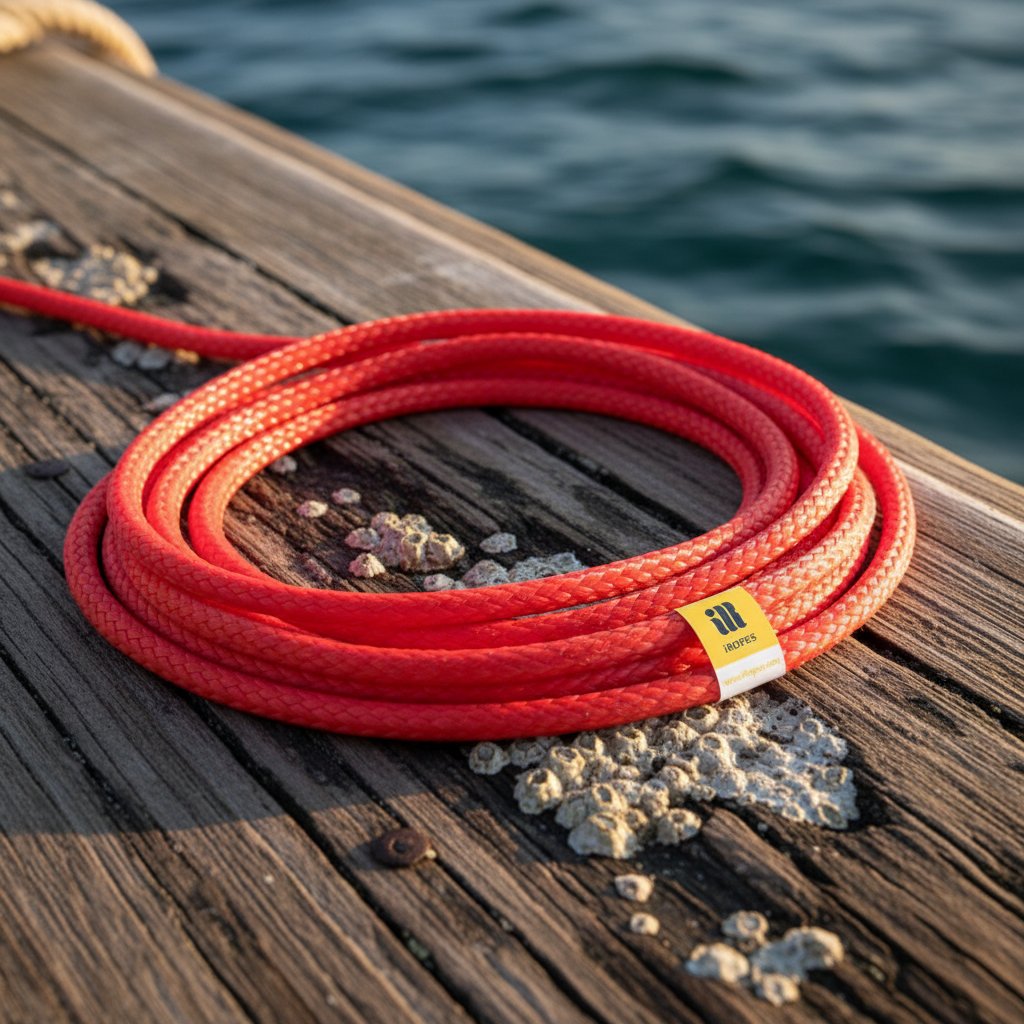
If you're wondering what the best rope for abrasion resistance truly is, double-braided polyester construction often tops marine evaluations. It combines a strong core with a protective outer braid, delivering longevity that significantly outpaces single-layer options in tests of repeated rubbing and saltwater immersion—sometimes lasting twice as long without notable wear.
Here at iRopes, we tailor these abrasion-resistant ropes to fit your exact specifications, adjusting diameters for load needs, lengths for specific runs, and core types for balanced performance. All our products meet rigorous ISO 9001 standards. This meticulous process ensures your marine setups receive precisely what they require, from custom UV-protected blends to coated variants that handle the harshest conditions.
These foundational choices in materials and finishes set the stage for how the rope's overall build can further boost its staying power in everyday marine tasks. Let's explore how construction techniques play a vital role.
Construction Techniques to Elevate General Purpose Rope Performance
Now that we've covered the materials and protective layers that give ropes their edge against the sea, it's time to examine how a rope's construction can make or break its toughness. Think of construction as the skeleton supporting all those strong fibres—get it right, and your general purpose rope will handle the grind of yachting or docking without premature failure. Poor builds lead to weak points where wear readily occurs, but smart techniques effectively distribute the load and shield against friction.
Braided constructions often outperform twisted ropes when abrasion is a constant threat, especially in marine environments like tying off to a dock or manoeuvring through waves. Twisted ropes, with their three-strand spiral, work well for basic jobs because they're easy to splice and hold knots firmly. However, they can untwist under pressure, creating uneven spots that rub against surfaces faster. Braided versions, particularly double braid, envelop an inner core with an outer sheath for balanced strength—imagine a tough jacket over a solid frame that slides smoothly over rough edges without fraying. In yachting, this setup resists the back-and-forth scraping from boat hulls far better than a simple twist, maintaining security during long outings.
- Twisted Construction: Reliable for everyday tasks but prone to hockling, where strands loosen and invite quicker wear.
- Single Braid: Flexible and knot-friendly, yet lacks the layered protection required for high-friction marine use.
- Double Braid: A top choice for durability, combining a low-stretch core with an abrasion-fighting cover in versatile setups.
Another layer of improvement comes from tweaking the strand count and core design, which directly influences a rope's load capacity and reduces everyday wear. More strands generally mean finer weaving for smoother handling. However, pairing them with a parallel core—where fibres run straight alongside each other—significantly boosts load capacity without the twist-induced bunching that leads to hotspots. In marine applications, such as securing gear across different boats, this construction prevents the rope from bulging or thinning out under repeated pulls, extending its life through salty, sandy conditions. Put simply, aligned cores distribute force evenly, ensuring no single part takes the brunt of impacts from dock corners or wave slaps.
To further enhance general purpose ropes, integrating extras like reflective strips or metal thimbles adds practical safety without overly complicating the build. Reflective elements glow under low light, making anchoring at dusk less precarious, while thimbles—those sturdy, protective loops—prevent sharp bends that can cause structural fatigue during critical tasks. These aren't just add-ons; they integrate seamlessly into the braid, enhancing visibility and strength where it matters most, like in busy harbours or during night fishing operations.
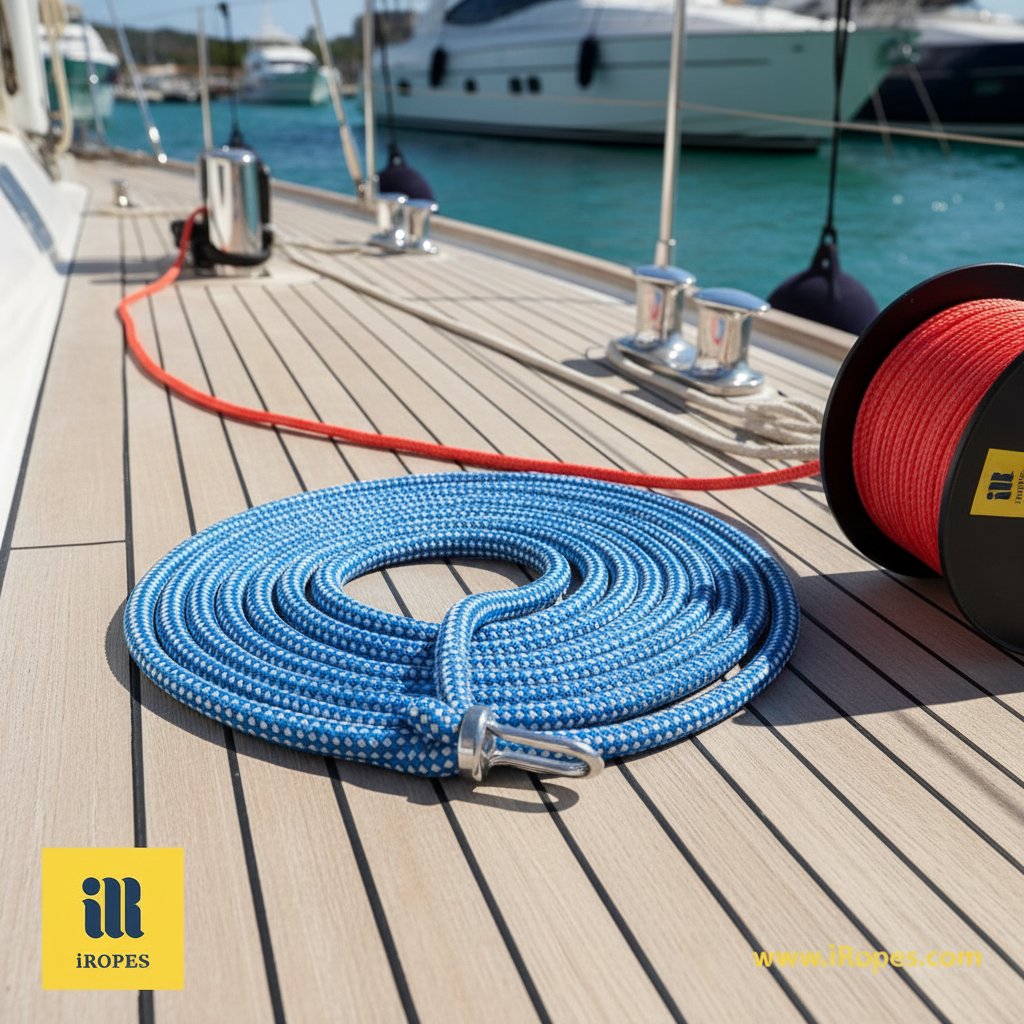
Our ODM team at iRopes takes this to the next level with hands-on precision, crafting *general purpose ropes* that align with your exact vision. This can range from unique patterns that integrate with your brand to full export-ready builds. We adjust every detail in our state-of-the-art facilities to meet global wholesale needs, ensuring each batch arrives punctually with your logo stamped on custom packaging. This way, whether it's for docking lines or versatile marine gear, your ropes perform as promised, backed by our certified processes and dedicated IP protection.
With these building blocks in place, ropes gain the reliability to tackle a range of demanding scenarios, from quiet anchorages to bustling ports. Let's now explore the critical marine applications where these features prove essential.
Critical Marine Applications and Maintenance for Long-Lasting Ropes
Those reliable rope builds we've just explored truly come alive when put to work in the thick of marine action, where every scrape and strain counts. From the steady pull of dock lines to the sudden tugs in spearfishing, the right rope setup keeps operations smooth and safe, especially in yachting or defence scenarios where failure simply isn't an option.
In high-wear spots like securing vessels to pilings, dock lines bear the brunt of constant rubbing against barnacle-covered wood or metal. Fender lines, which cushion hulls from impacts, face similar abrasion from repeated boat bounces in swells. Spearfishing gear, on the other hand, contends with jagged reefs and rocky bottoms that could easily slice through lesser lines mid-dive. Here, an abrasion-resistant rope acts as the hero, its tough outer layers preventing snaps that might send a vessel adrift or leave a diver vulnerable. In defence applications, such as mooring patrol boats in rough harbours, these ropes must endure not just friction but also the stress of quick manoeuvres, ensuring essential gear remains intact during critical operations.
Dock Lines
Hold boats steady against pilings, resisting daily friction from tides and winds.
Fender Lines
Absorb hull impacts, protecting against repeated scraping in crowded marinas.
Spearfishing
Withstand reef drags and rock snags, keeping divers safe underwater.
Defence Mooring
Secure vessels in harsh ports, enduring operational stresses without compromise.
You might also find ways to adapt an *all-purpose rope* for marine territory, especially for crossover needs—for example, off-road enthusiasts rigging boats for beach launches. At iRopes, we can enhance these ropes with custom loops or protective sleeves, along with packaging suitable for wet environments. This transforms a general-purpose option into something far more robust without having to start from scratch.
To keep any rope performing strongly in these conditions, regular maintenance is crucial. Start with gentle rinsing in fresh water after saltwater exposure to wash off salt crystals that can weaken fibres over time—avoid harsh chemicals that could degrade coatings. For storage, coil loosely in a dry, shaded spot, away from direct sun, which can break down materials faster than you might expect. And always inspect before use: feel for soft spots or fuzzing that signal inner wear, and promptly cut away damaged ends to prevent progressive failure. These simple steps can effectively double a rope's service life in abrasive marine setups.
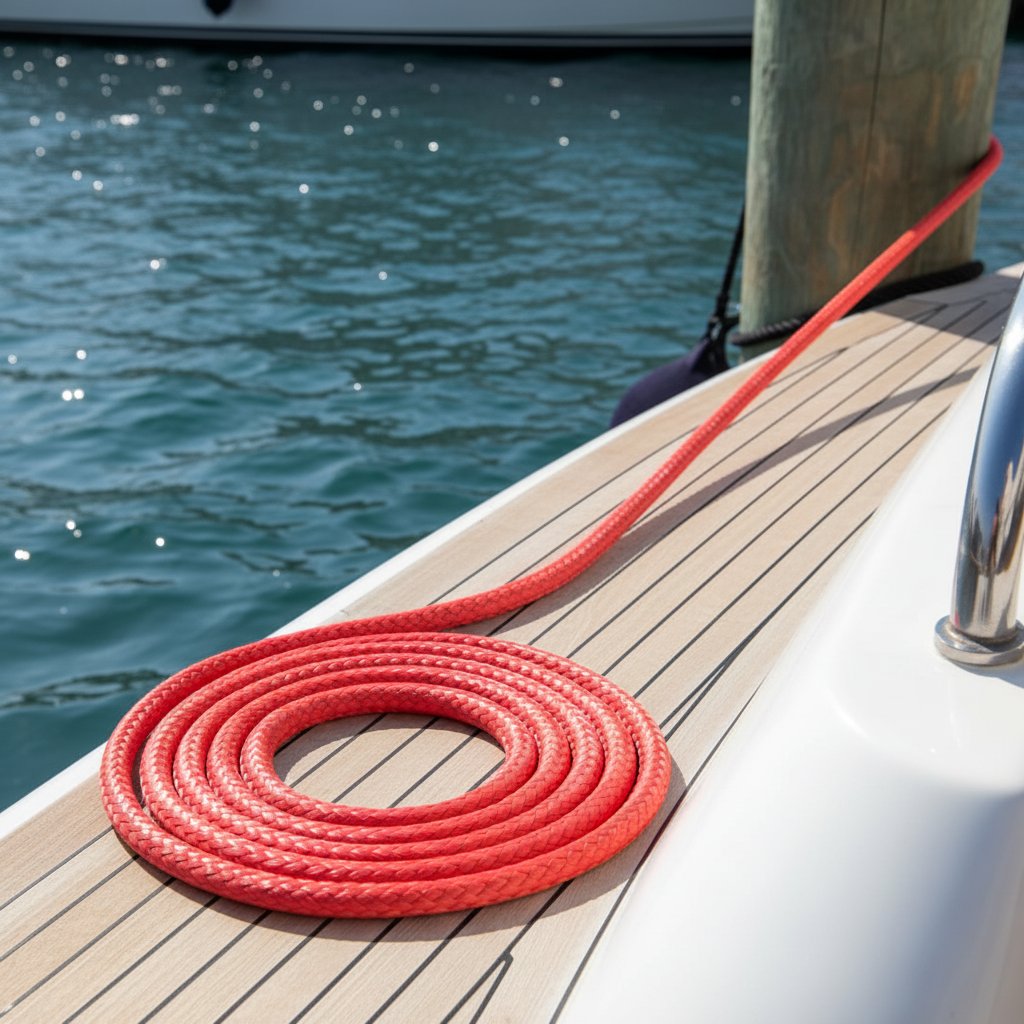
Partnering with iRopes means getting these durable marine ropes exactly when you need them, with our timely direct shipping to your location worldwide. We also safeguard your ideas through solid IP protection, ensuring your branded designs remain exclusively yours. This is ideal for wholesalers building a lineup of tough, custom solutions that truly stand out in competitive markets.
Armed with these practical applications and essential care routines, selecting the perfect rope becomes a straightforward path to lasting performance and enhanced safety.
Discovering why all-purpose rope often fails in marine abrasion tests unveils critical vulnerabilities in everyday synthetics and basic constructions. These shortcomings lead to rapid wear and introduce safety risks in demanding environments such as docking and spearfishing. In stark contrast, abrasion-resistant rope leverages superior materials like polyester, often enhanced with polyurethane coatings and double-braided designs, to significantly improve durability, UV stability, and maintain low stretch against saltwater friction. This allows it to vastly outlast general purpose rope in high-abrasion applications like dock lines and fender lines. iRopes’ comprehensive OEM solutions, including tailored core types and robust accessories, ensure compliance and optimal performance, while simple maintenance practices such as rinsing and regular inspections further extend lifespan for versatile marine usage.
These insights empower smarter selections for yachting and defence needs, but for truly personalised adaptations to your specific scenarios, our experts can refine these techniques further. We are committed to translating complex requirements into practical, high-performance rope solutions.
Customise Your Abrasion-Resistant Marine Rope Today
If you're seeking tailored advice on rope coatings, constructions, or maintenance strategies to suit your wholesale marine requirements, complete the inquiry form above to connect with iRopes' specialists for a bespoke solution. We pride ourselves on crafting high-quality, customised ropes tailored precisely to your needs.
