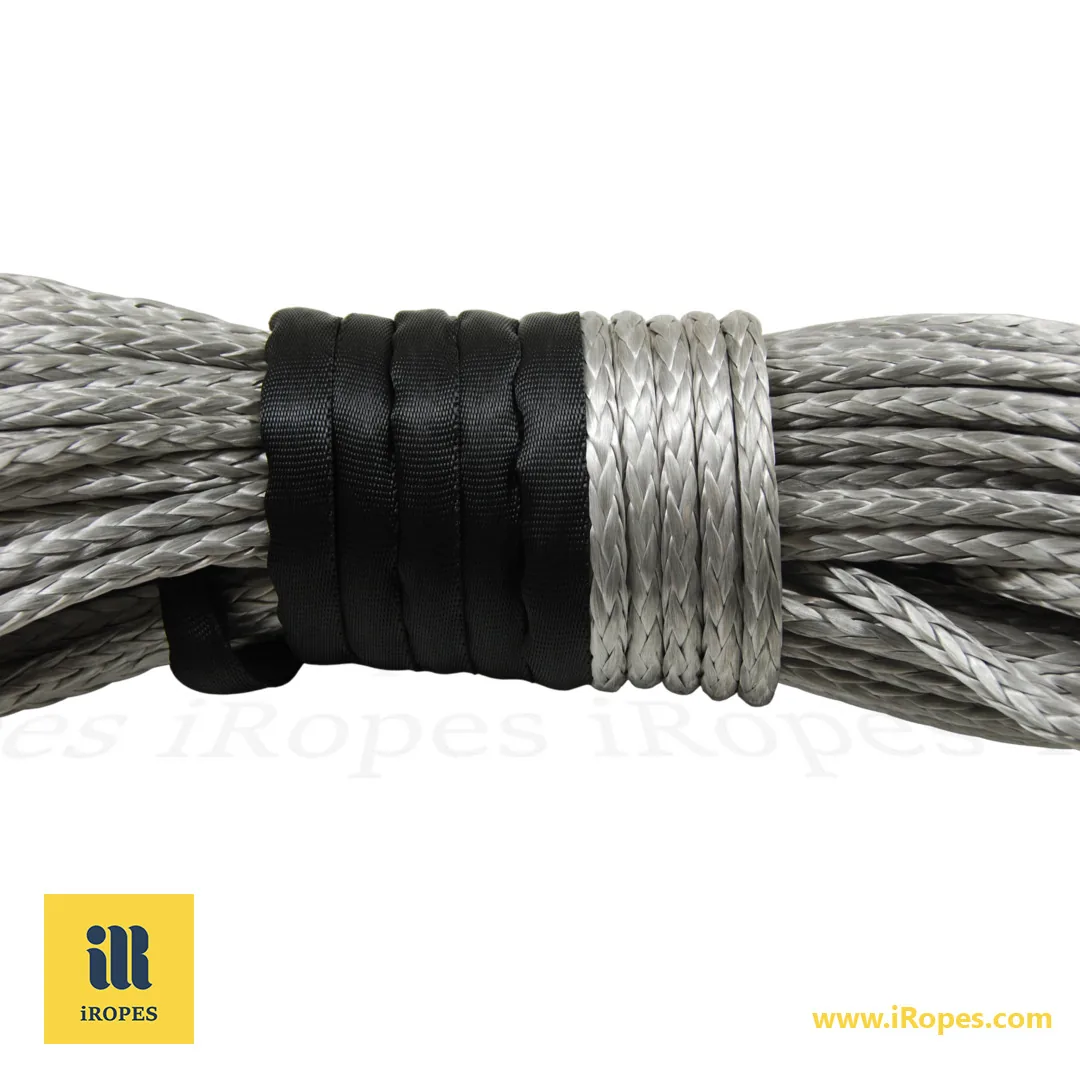
⚡ 10 mm polyester rope typically reaches around 2 000 kg breaking load and stretches about 5 %, delivering more strength and lower elongation than comparable 10 mm polypropylene.
What you’ll gain – ≈ 6 min read
- ✓ Boost load capacity to about 2 000 kg, handling heavy winch recoveries without rope creep.
- ✓ Reduce stretch to ≈ 5 %, delivering precise tension and better control.
- ✓ Extend service life – UV‑stable polyester offers excellent abrasion resistance compared with polypropylene, helping reduce replacement cycles.
- ✓ Customise colour, branding and reflective threads to reinforce safety and brand visibility.
You probably assume the float‑friendly polypropylene is the go‑to for any 10 mm line, yet polyester consistently delivers higher load capacity and far less stretch in demanding tasks. Imagine a rope that holds about 2 000 kg, stretches only around 5 %, and can be customised in any colour or reflective finish—iRopes makes that high‑performance, brand‑ready solution simple to source.
Understanding the Benefits of 10mm Polypropylene Rope
When you need a rope that won’t weigh you down yet still handles everyday stress, the 10 mm polypropylene option often feels like the sweet spot. Its light‑weight construction is often produced as a hollow braid, giving it a specific gravity under one—the same reason it stays afloat on water without extra effort.
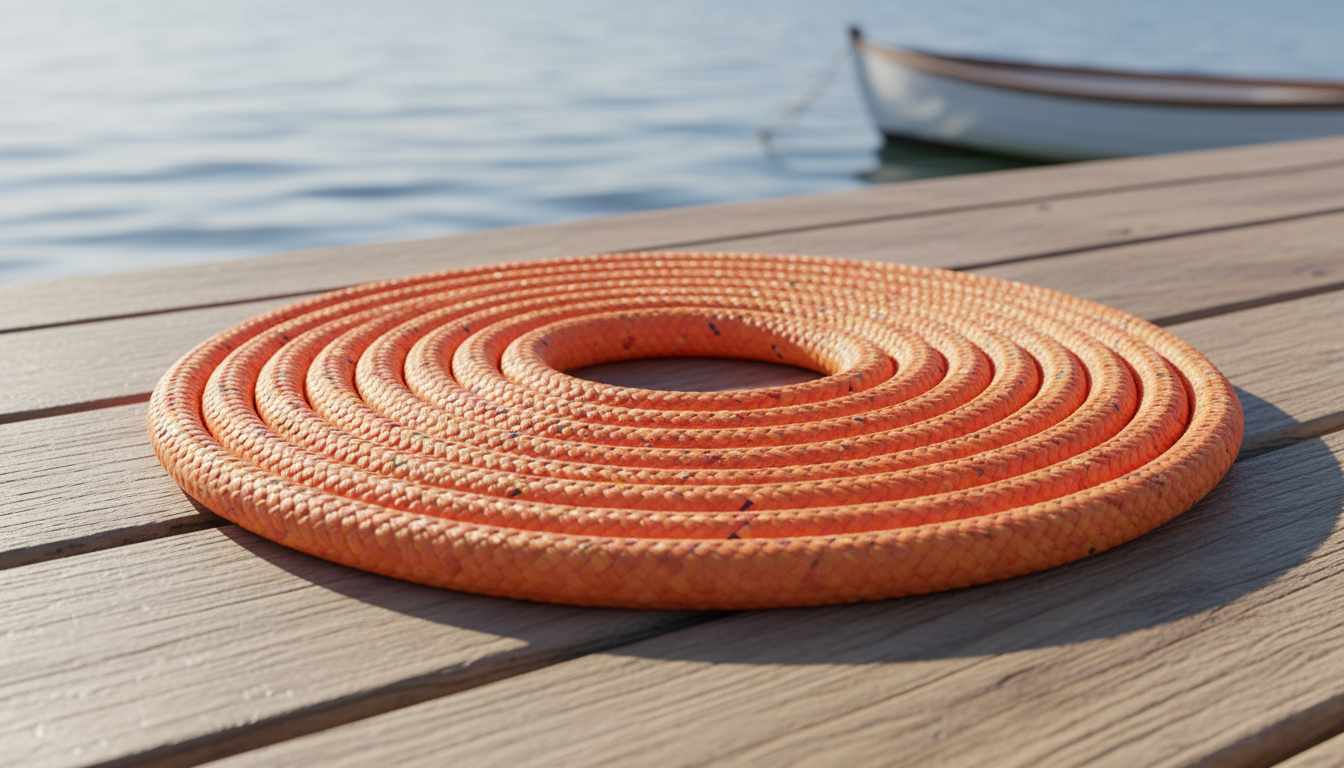
The typical breaking strength for a 10 mm polypropylene rope falls between 1 200 kg and 1 800 kg (roughly 2 650–4 000 lb). That range comfortably exceeds the loads encountered in most marine dock lines or campsite guylines, while the material’s inherent elasticity absorbs sudden shocks without snapping.
Does 10 mm polypropylene rope float? Yes—its specific gravity of about 0.94 is lower than water, so even a fully wet coil will rise to the surface, making it a safety‑forward choice for boats and rescue teams.
- Marine dock lines – buoyant and easy to coil; choose UV‑stabilised grades for long outdoor exposure.
- Camping guylines – lightweight for backpackers, yet strong enough to tension tents.
- Emergency rescue – floatability keeps the line visible in water‑based evacuations.
“With a specific gravity below 1, a 10 mm polypropylene line stays on the surface—a key safety advantage for small craft and rescue work.” – iRopes rope specialist
Because the rope is both inexpensive and resistant to mildew, you can stock larger lengths without worrying about long‑term degradation. If your next project involves a boat, a campsite, or a rapid‑deployment rescue kit, the 10 mm polypropylene rope delivers the balance of floatability, strength and cost‑effectiveness that keeps you moving.
Why polyester rope 10mm is a Top Choice for High‑Performance Uses
When your project demands a rope that won’t give under load, the 10 mm polyester option often steps ahead of the competition. Its double‑braid architecture packs strength into a compact profile, while the material’s inherent low stretch keeps tension steady even during heavy winching.
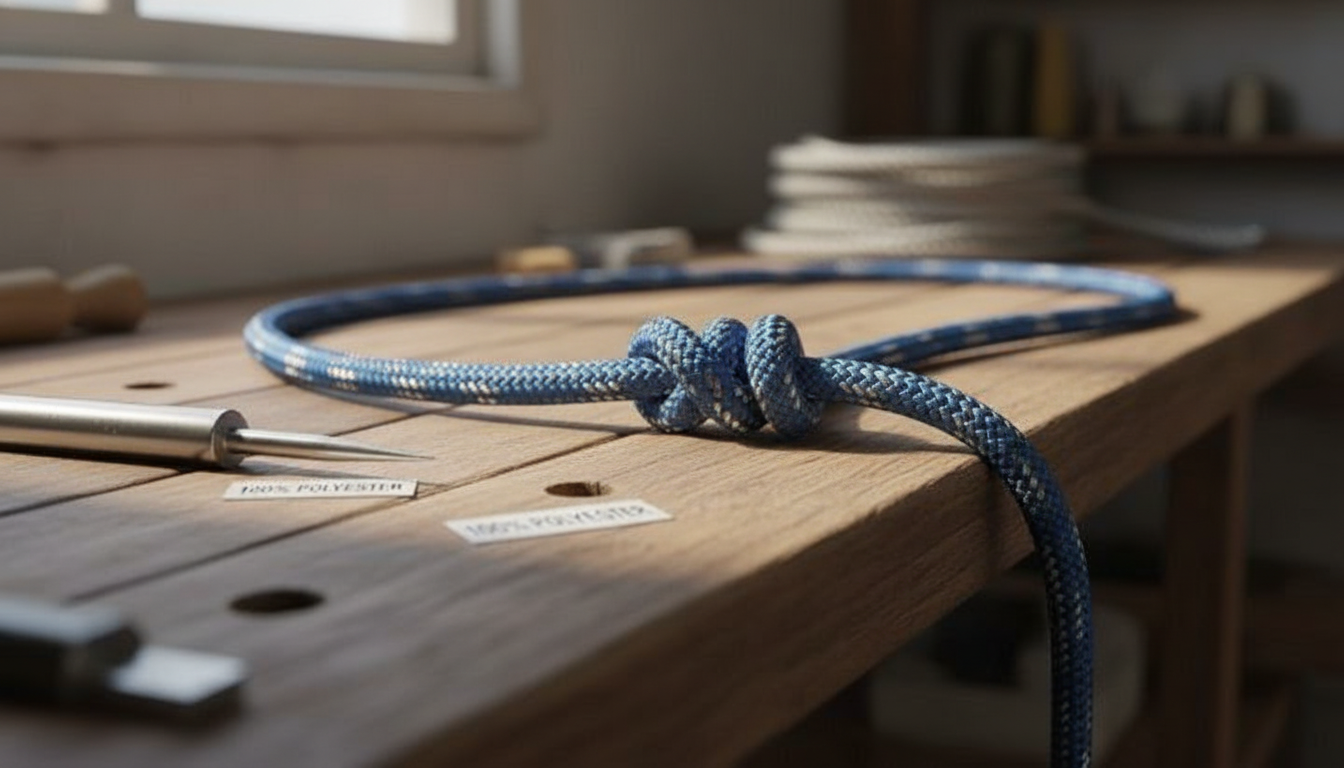
Compared with its polypropylene counterpart, polyester rope 10 mm is generally stronger—delivering roughly 2 000 kg (4 400 lb) breaking load versus about 1 200 kg for the same diameter polypropylene line. That extra capacity, combined with a stretch of only around 5 % under load, translates into precise control when you’re pulling a stuck vehicle or securing a heavy rig.
- Breaking strength – around 2 000 kg (4 400 lb), well above typical polypropylene ratings.
- Low stretch – about 5 % elongation under load, giving you tight, predictable tension.
- UV stability – polyester fibres resist sun‑induced wear, keeping performance consistent outdoors.
Those technical advantages become especially valuable in three high‑impact arenas. In winch recovery, the rope’s minimal elongation helps prevent the winch drum from overspinning, letting you pull a stuck vehicle safely. Industrial rigging benefits from the high tensile capacity and abrasion‑resistant surface, reducing the need for frequent rope replacement. For static climbing anchors, the low‑creep polyester rope provides a dependable, long‑lasting connection that won’t gradually lengthen under a climber’s weight.
Ideal Applications
• Winch recovery – high break load and low stretch keep the line steady under sudden pulls.
• Industrial rigging – abrasion‑resistant sheath survives harsh environments and repeated bends.
• Static climbing anchors – the rope’s low creep ensures a safe, unchanging anchor point for long‑term installations.
Choosing polyester rope 10 mm means you get a blend of strength, precision and durability that many other fibres can’t match. As you move toward the next part of our guide, consider how these performance traits open the door to specialised projects that demand the very best from a 10 mm rope.
Key Advantages of 10mm polyester rope for Specialised Projects
Building on the high‑strength, low‑stretch profile discussed earlier, the 10 mm polyester rope truly excels when you need a fibre that can be fine‑tuned for niche tasks. Whether it’s a winch‑recovery line that must resist abrasion or a static anchor that demands minimal creep, the material’s inherent stability provides a reliable backbone. In short: 100% polyester double braid · High strength with low stretch · Easy to splice · Excellent handling and abrasion resistance · UV stable.
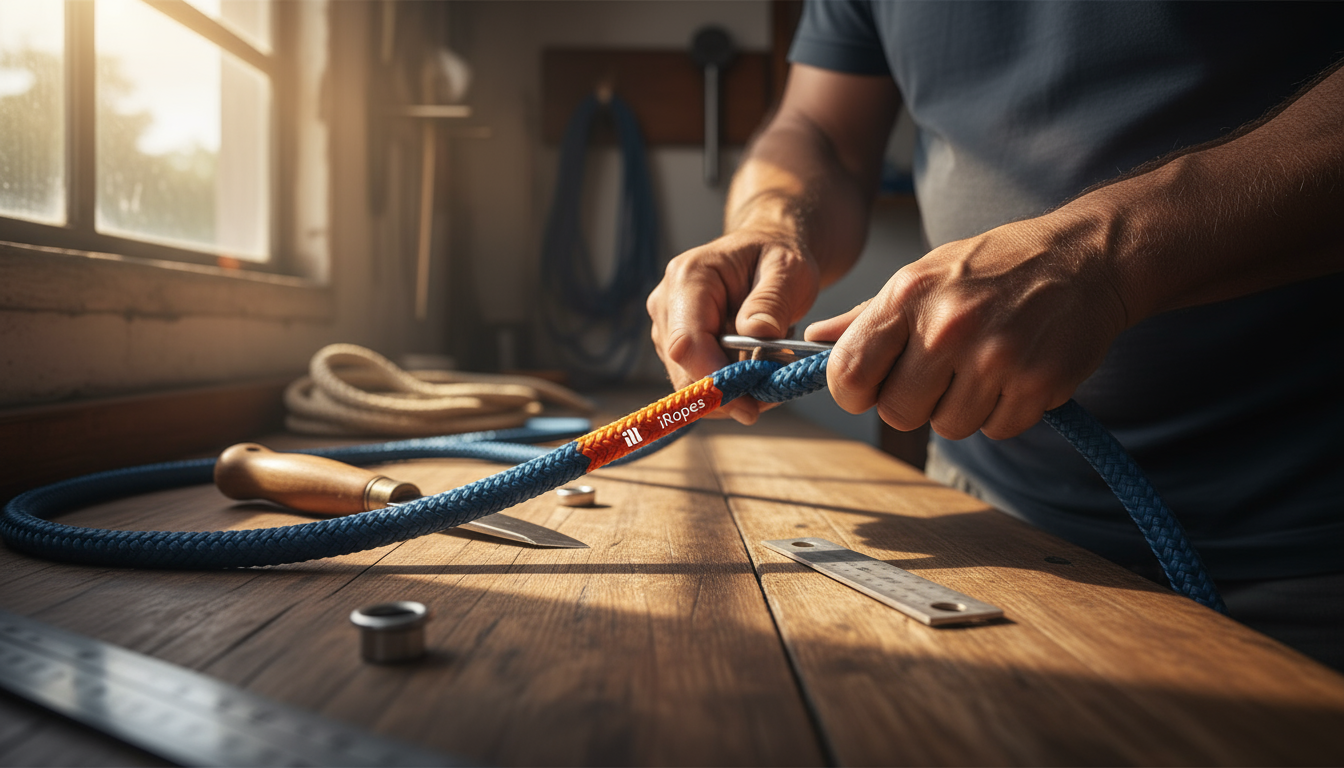
The rope’s construction uses a 100 % polyester double‑braid—a braided core within a braided cover. iRopes lets you select the core type to tune stiffness, handling and long‑term creep, so the rope matches the exact demands of your project.
Splicing a 10 mm polyester rope is straightforward with the right method. Use a double‑braid eye splice and a fid: mark bury lengths, extract and taper the core, bury the core and cover tails, then milk and set the splice to lock it in.
Construction
Core & strand design
Double Braid
Two‑layer braid delivers high tensile strength while keeping the rope flexible.
Strand Design
Balanced strand architecture spreads load evenly and maintains smooth handling.
Core Options
Select core firmness to tune stiffness, flexibility and long‑term creep performance.
Customisation
Brand‑ready finishes
Colour
Match your safety or corporate colours across the range for easy identification.
Branding
Custom colour patterns, tracer yarns, and branded end labels or packaging showcase your identity.
Visibility
Reflective threads or glow‑in‑the‑dark fibres boost safety in low‑light conditions.
Before you finish an eye splice, pull the standing part tight to avoid a weak loop that could slip under load.
These construction choices, a reliable splice method, and branding options give the 10 mm polyester rope a versatility that few other fibres can match. When you pair a custom colour with reflective inserts, the rope not only performs but also advertises your brand on site. The next part of the guide ties together material strengths and buying priorities to show why iRopes’ 10 mm solutions are the logical final step for specialised projects.
By comparing the lightweight, floatable 10 mm polypropylene rope with the high‑strength, low‑stretch polyester rope 10 mm, you’ve seen how each material serves distinct roles—from marine dock lines to winch recovery. The specialised 10 mm polyester rope adds easy splicing, excellent abrasion resistance and UV stability, making it ideal for demanding industrial or climbing applications.
iRopes can tailor any of these solutions to your brand, offering colour, reflective or glow‑in‑dark finishes, OEM/ODM services, rigorous ISO‑9001 quality control and dedicated IP protection. If you need a rope that precisely matches your load, durability and visual requirements, our experts are ready to help you design the perfect product.
Request a personalised rope solution
For bespoke advice or a custom quote, simply complete the form above and our iRopes specialists will contact you to discuss your exact needs.