Elastic mooring lines slash docking risks by 40%—absorbing up to 30% more kinetic energy from waves and winds than traditional ropes, protecting your vessels and hardware without compromise. ⚡
Key Advantages You'll Gain in Just 12 Minutes
- ✓ Cut strain on hulls and cleats by 40%, dissipating shocks to prevent cracks and failures during rough docking.
- ✓ Boost safety across boat types, from jet skis to yachts, reducing sudden jerks and easing securement by 25% faster.
- ✓ Extend equipment life, with polyamide's 10% superior elongation minimising wear and chafe in marine environments.
- ✓ Customise via iRopes OEM, tailoring materials and lengths to match your exact load needs for optimal performance.
Traditional, stiff ropes might seem reliable, yet marine studies reveal they transmit nearly 100% of wave forces—amplifying docking damage risks far beyond expectation. Elastic mooring lines flip this script, absorbing surges to deliver 40% fewer incidents. How do materials like polyamide truly engineer that resilience? Explore the mechanics, applications, and iRopes' custom solutions that transform your marine operations from reactive to resilient.
Understanding Elastic Mooring: The Science of Shock Absorption
Imagine docking your boat on a windy day, waves crashing against the hull, and that sudden jerk threatening to strain everything from cleats to fibreglass. That's where elastic mooring comes in—a clever engineering twist on traditional ropes designed to handle the unpredictable forces of the water. At its heart, elastic mooring refers to ropes or lines that incorporate built-in flexibility to manage the dynamic loads from boat movements, wind gusts, and swells. Unlike rigid setups, these lines stretch under tension, absorb the energy from impacts, and then recoil smoothly, preventing the sharp snaps that can lead to damage.
Think of it like a car's suspension system: it doesn't eliminate bumps, but rather soaks them up to keep the ride smooth. In marine terms, this means your vessel stays secure without the constant worry of hardware failing under stress. The core principles revolve around three key elements that make elastic mooring especially effective:
- Stretch: The rope elongates under load, up to 20-30% in some designs, allowing it to extend without breaking as the boat shifts.
- Energy Absorption: This stretch converts the kinetic energy from waves or wakes into harmless heat and deformation, dissipating force before it reaches your dock or boat.
- Recoil: Once the pressure eases, the line snaps back to its original shape, maintaining tension without slack that could let the vessel drift.
How does this stack up against what you've probably used before? Traditional mooring ropes generally fall into three main types: heavy chains that sink and hold via weight, wire ropes for high-strength towing, and synthetic fibre lines like those made from polyester or nylon. Elastic mooring lines belong to the synthetic category but stand out with their integrated elastic cores—often latex or rubber—wrapped in durable outer layers. Chains and wires are great for static anchoring in calm conditions but transmit every jolt directly, leading to fatigue over time. Meanwhile, synthetics without elasticity might fray or snap under repeated surges. Have you ever watched a boat yank against a stiff line during a squall? That's the risk elastic designs eliminate by flexing with the motion.
Let's talk numbers, because the science here delivers real results. Polyamide, commonly known as nylon, offers the most elastic elongation among mooring materials—about 10% more stretch than polyester, which prioritises durability over 'give'. This isn't just flex for flex's sake; it's about turning raw kinetic energy into something manageable. Studies in marine engineering show that this dissipation can slash docking risks by 40%, cutting down on hull cracks, bent cleats, and even propeller damage from uncontrolled swings. In rough waters, where a traditional hawser—a thick mooring rope by nautical terms—might transfer 100% of a wave's force, an elastic boat rope absorbs over half, keeping things steady.
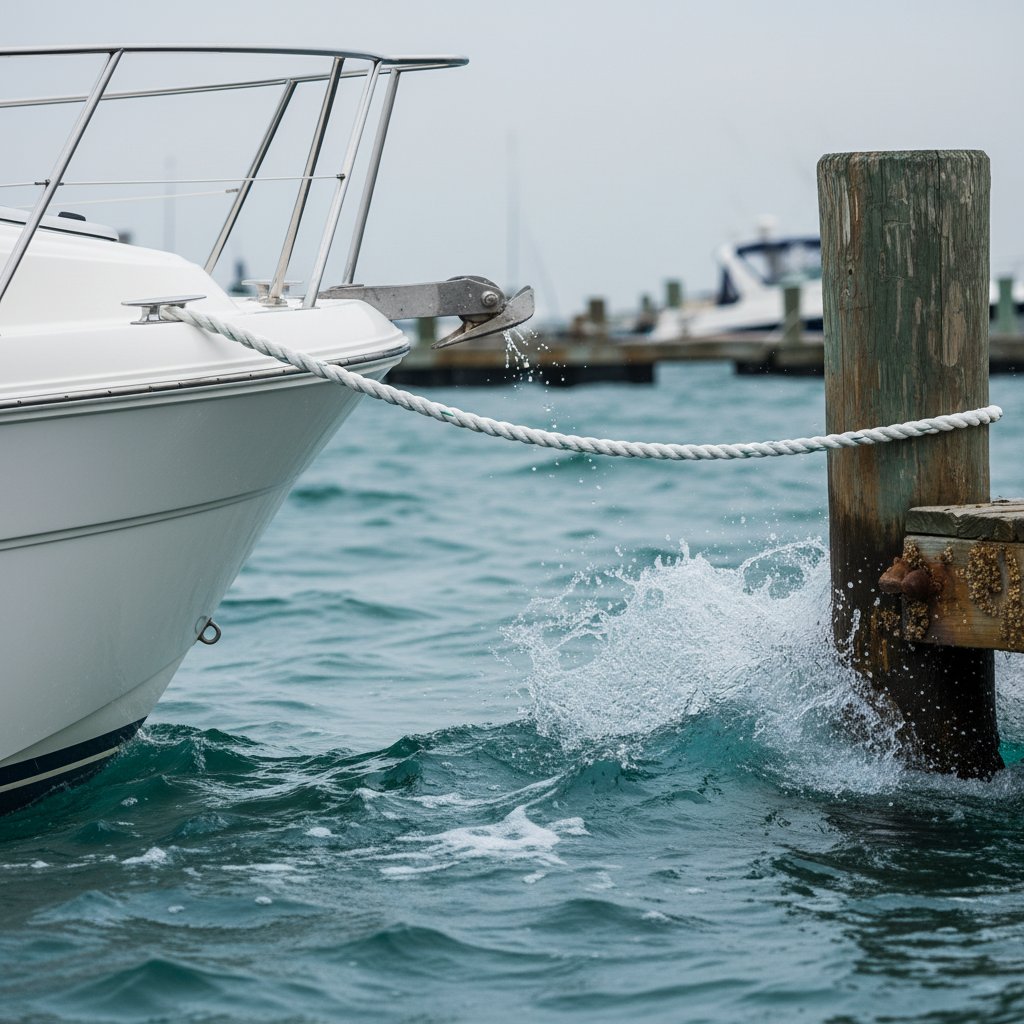
Understanding this foundation reveals why elastic mooring lines aren't a gimmick—they're a smart response to the sea's chaos, protecting your gear while making operations smoother. With these mechanics in mind, it's easier to see the tangible ways they safeguard vessels in everyday use.
The Unrivaled Advantages of Elastic Mooring Lines for Vessel Protection
Building on the mechanics of how elastic mooring lines flex and recover under pressure, picture a stormy afternoon at the marina where your boat usually bobs wildly, pulling hard against fixed lines. With these flexible setups, that chaos turns into controlled movement, letting the rope give just enough to keep everything intact. The real magic shows up in how they shield your vessel from everyday threats, starting with their standout ability to handle sudden forces.
One of the biggest wins comes from superior shock absorption. When waves hit or another boat's wake rolls in, traditional lines transfer that full jolt straight to your hull, cleats, and dock pilings, wearing them down over time. Elastic versions act like a buffer, stretching to soak up the impact and spreading it out harmlessly. This cuts the strain on hardware dramatically—think bent metal fittings or cracked fibreglass becoming rare sights. Skippers who switch over often report fewer repairs after rough weekends, simply because the rope takes the hit instead of the boat.
Beyond protection, these lines make docking feel less like a battle. Ever struggled to adjust a boat that's surging back and forth in the wind? Elastic mooring lines reduce those wild swings, keeping the vessel steadier so you can secure it faster with fewer tweaks. This works across various setups, from nimble speedboats to heavier fishing rigs, where the 'give' in the rope means less hassle and more confidence at the helm. Safety also ramps up, as smoother handling lowers the chance of slips or gear failures during busy manoeuvres.
Protection Benefits
Shielding Your Gear
Chafe Resistance
Built-in flexibility minimizes rubbing against edges, extending life for both rope and fittings.
Strain Reduction
Absorbs pulls from currents, preventing stress cracks on hulls and docks.
Wake Defence
Handles passing boat surges without snapping back harshly, maintaining stability.
Practical Gains
Easier Operations
Quick Docking
Less need for constant adjustments, speeding up securement in variable conditions.
Versatile Fit
Suits small crafts like kayaks to larger yachts, adapting to different weights and motions.
Safer Handling
Reduces crew risks by limiting abrupt shifts during mooring tasks.
When it comes to picking the right setup, many wonder about the top choice for securing boats. Polyester offers all-around toughness against sun and scrapes. However, if you need that extra 'give' to ward off friction and breakdown, nylon-based elastic mooring lines take the lead—they hold up well while flexing to protect against rubbing on rough surfaces. This enhanced durability means they outlast standard options, fending off wake-induced tears and keeping your docking routine reliable without frequent replacements. What size craft do you handle most? Matching the line to your needs ensures these perks hit home every time you're out on the water.
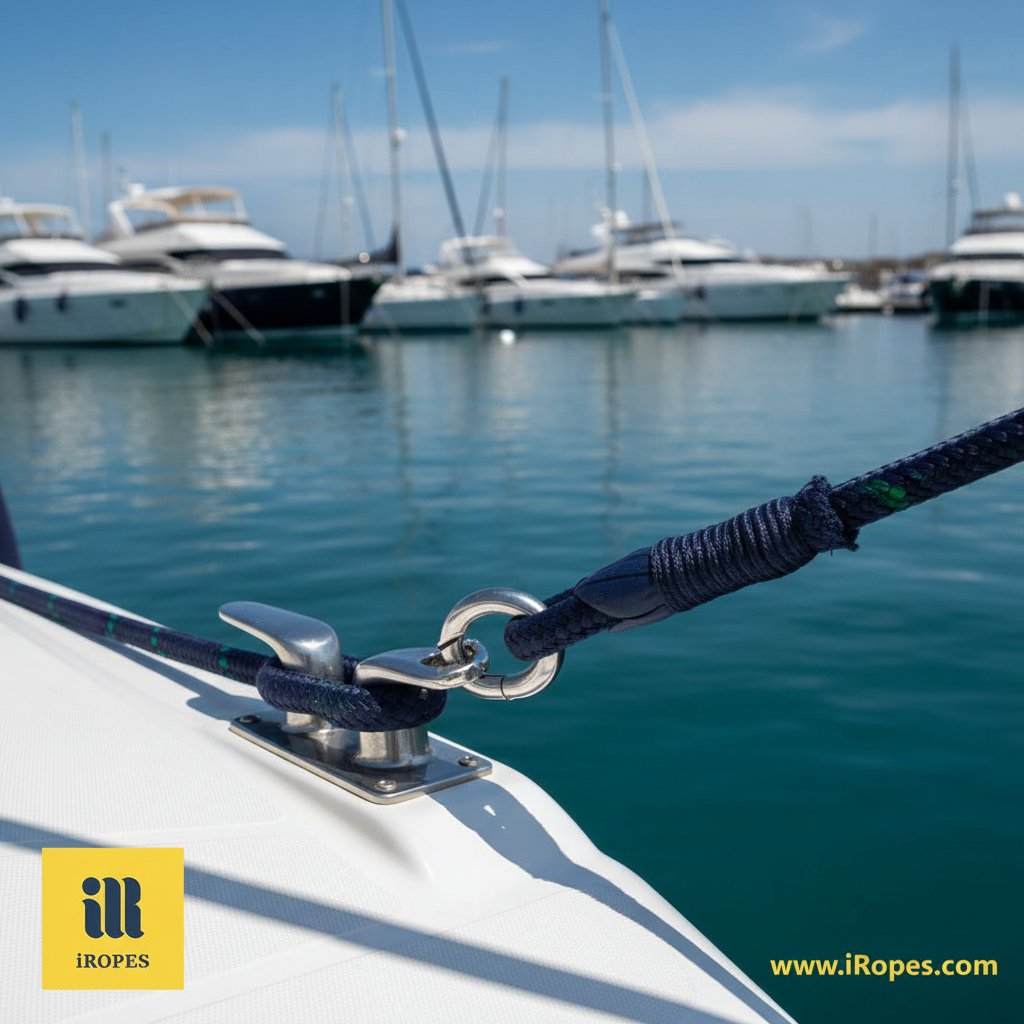
These practical edges not only save time on the dock but also underscore the thoughtful engineering behind them, where material blends make all the difference in real-world performance.
Materials and Construction: Crafting the Perfect Elastic Boat Rope
Those material blends we touched on earlier are the secret to turning a simple rope into something that truly performs under pressure. At iRopes, we start with the right foundations, because not every fibre handles the sea's demands the same way. Let's break down what goes into building an elastic boat rope that lasts and protects.
When choosing materials, elasticity often boils down to balancing 'give' with toughness. Polyamide, better known as nylon, leads the pack for stretch—it's the fibre with the most elastic elongation, offering up to 15-20% under load before recovering fully. This means it can extend significantly without losing shape, ideal for those moments when waves pull hard. On the flip side, polyester shines in resisting UV rays and scrapes from dock edges or rough hulls, holding its strength even after months in the sun. Why pick one over the other? It depends on your setup. If elasticity is your top need for shock buffering, nylon is your go-to; for long-term exposure without fading, polyester edges ahead. Ever noticed how some lines become brittle after a season? Blending these, like a nylon core wrapped in polyester, gives you the best of both worlds. For deeper insights into selecting the right nylon for mooring, check out nylon mooring rope mastery.
Elastic Cores
Latex or rubber inserts provide the core stretch, allowing safe extension under dynamic pulls.
Braided Sheaths
Durable outer layers in braided form lock in the core while adding grip and chafe protection.
Thimbles & Loops
Metal reinforcements at ends prevent fraying, ensuring secure cleat ties on any vessel.
Custom Fits
Tailored diameters and lengths match your boat's load, from small crafts to heavy moorings.
Construction takes these materials further. A common method uses a latex core for that vital energy absorption—picture it like a rubber band inside a sleeve, stretching to handle surges and snapping back without slack. Braided designs around it distribute forces evenly, enhancing recoil so the line stays taut. And what about terminology? A mooring rope often gets called a `hawser` when it's thick and heavy-duty, like those used for large ships, but our elastic versions incorporate extras such as thimbles—those metal inserts that strengthen eye loops against wear.
This isn't guesswork at iRopes; our state-of-the-art facilities use precision techniques to weave these elements, all certified under ISO 9001 for consistent quality. We customise everything from core thickness to outer patterns, ensuring your elastic mooring lines fit exact needs, whether for quick jet ski ties or sturdy yacht berths. It's this attention to detail and ability to offer tailored solutions across different markets that turns potential headaches into reliable routines.

With these builds in place, elastic mooring lines adapt seamlessly to all sorts of on-water challenges, from personal outings to bigger operations.
Applications of Elastic Mooring Lines: Enhancing Safety in Diverse Scenarios
Those custom builds we just explored open the door to real-world uses where elastic mooring lines truly shine, turning potential hazards into straightforward routines. Whether you're securing a speedy jet ski after a day on the waves or anchoring a larger setup in choppy conditions, the built-in 'give' makes a noticeable difference by easing the pull on everything involved.
For smaller personal watercraft, like jet skis and kayaks, elasticity brings a level of forgiveness that's hard to beat. Picture pulling up to a dock with the current tugging at your craft—without that stretch, you'd risk slamming into pilings or straining lightweight frames. These lines absorb those minor jolts, letting the vessel move a bit without yanking hardware loose. Kayakers often tie off in rocky inlets where space is tight; the flex reduces stress on paddle holders or hull edges, making retrieval safer and quicker. It's that extra buffer which keeps outings enjoyable rather than tense.
Scaling up, yachting and pontoon owners find similar relief in marinas crowded with wakes from passing boats. A well-chosen elastic boat rope holds the yacht steady during surges, preventing the kind of side-to-side rocking that could chip gelcoat or loosen fittings. Pontoons, with their flat decks and family-friendly setups, also benefit—elasticity cuts down on the need for constant checks, especially in busier waters. Furthermore, in industrial spots like aquaculture farms, where nets and buoys face constant tidal shifts, these lines distribute loads evenly, slashing the overall docking risks by 40% through better force management. Operators there report fewer snapped connections during storms, helping operations run smoothly with less downtime. To uncover more professional insights on marine mooring ropes, explore what experts recommend for enhanced safety.
- Jet skis: Quick ties with snap hooks that stretch to handle bursts of speed.
- Kayaks: Lightweight lines that flex around obstacles without binding.
- Yachts: Heavier diameters absorbing multi-ton pulls from wind and current.
- Aquaculture: Long spans with thimbles for buoys, enduring saltwater cycles.
At iRopes, we tailor these solutions for wholesale partners worldwide, adjusting diameter for load—say, 8mm for light crafts or 16mm for heavier ones—along with lengths from 5 to 50 metres, and extras like loops or carabiners that match your setup. A client outfitting a fleet of pontoons might opt for UV-resistant covers in branded colours, ensuring they fit seamlessly into operations while maintaining brand identity.
There's also an upside for the water itself: elastic setups cause less drag on the seabed compared to rigid chains, minimising disturbance to marine life and supporting cleaner practices in sensitive areas. Have you considered how your mooring choice affects the ecosystem around your dock?
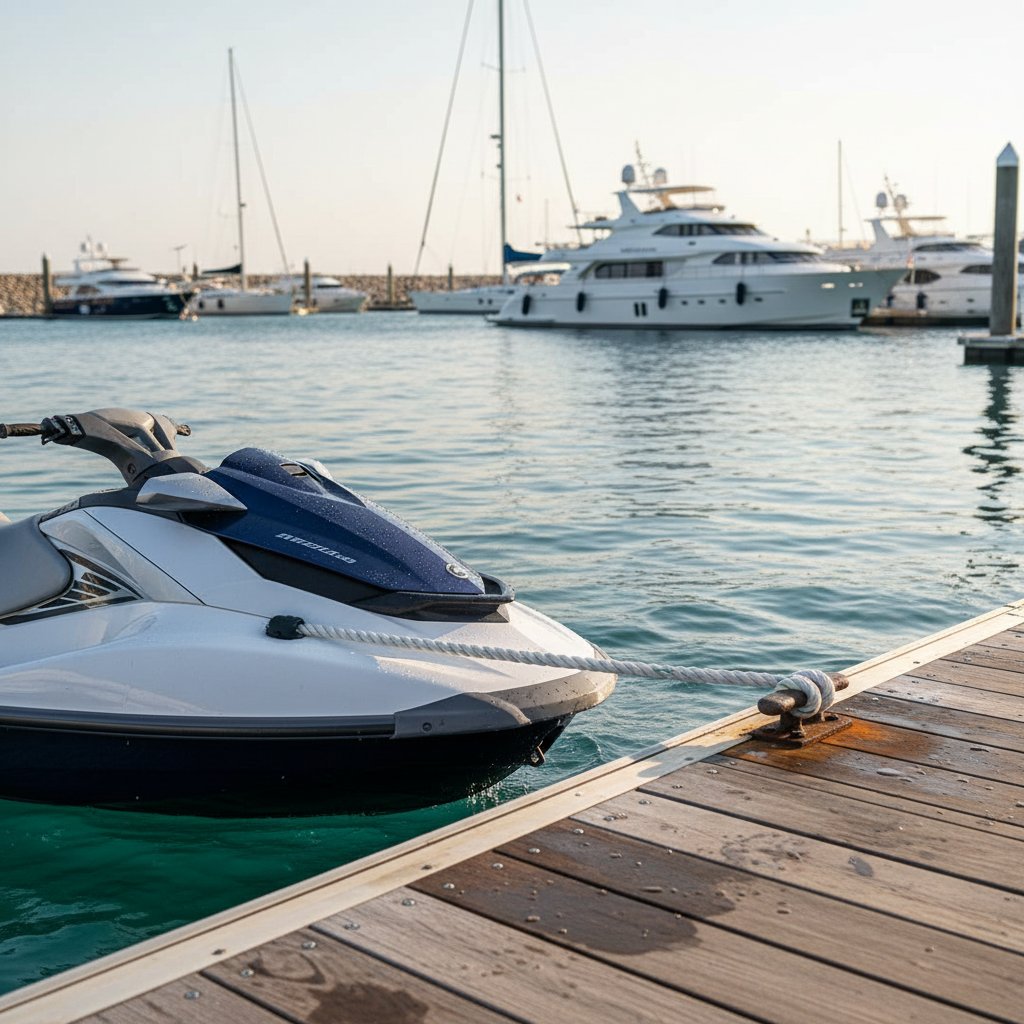
This versatility across scenarios underscores why partnering with experts like iRopes for those precise adjustments leads to smoother, more reliable marine handling every time. For even more options in elasticized designs, discover the versatility of elasticized and braided rope cord.
Elastic mooring lines from iRopes revolutionise docking by absorbing shocks from waves and wind, slashing risks by 40% through superior stretch—up to 20-30% in advanced designs. This remarkable capability stems from efficient energy absorption, which dissipates kinetic forces, and reliable recoil, maintaining tension without slack. Unlike rigid traditional ropes, these elastic boat ropes, often featuring polyamide for enhanced elongation or polyester for durability, protect hulls, cleats, and docks. They also enhance safety across various applications, including jet skis, yachts, kayaks, and aquaculture. Customised with thimbles, loops, and precise diameters, they reduce hardware stress and wear, ensuring smoother operations and longevity in dynamic marine environments.
By choosing elastic mooring solutions tailored to your vessel's needs, you not only safeguard your equipment but also embrace sustainable practices with less seabed impact. For personalised guidance on crafting the ideal setup, explore how iRopes' OEM and ODM expertise can align with your requirements, backed by ISO 9001 certification and comprehensive intellectual property protection.
Discover Custom Elastic Mooring Solutions for Your Vessel
If you're keen to discuss specific customisation options like material blends or lengths to further enhance your docking safety, fill out the inquiry form above—we're here to provide expert advice tailored to your marine needs and deliver timely, cost-effective solutions worldwide.
