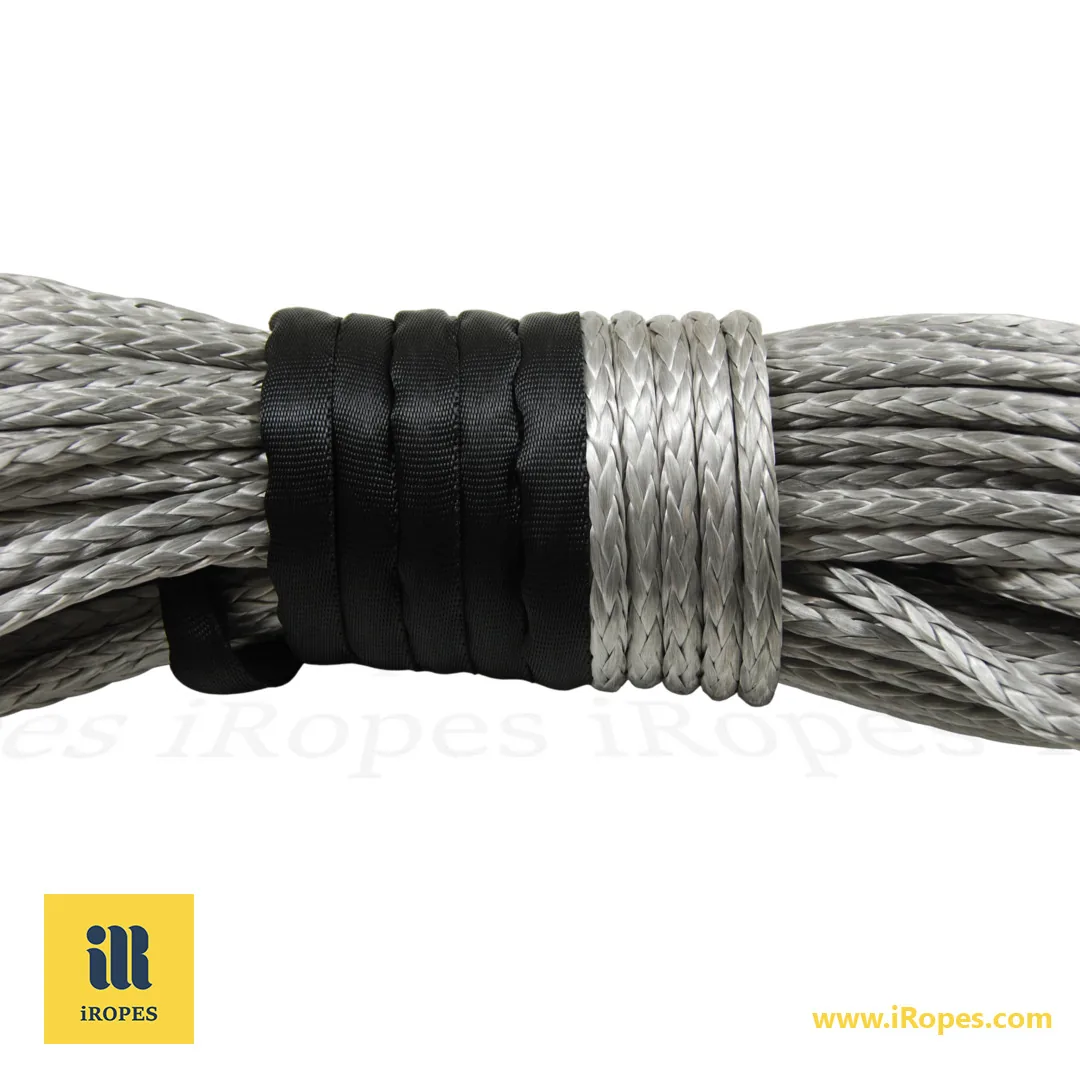
Fibre ropes offer 32% more tensile strength per kilogram than steel cables and weigh 58% less, allowing you to lift 1.4 times the load without extra bulk ⚡.
Key Gains – 4.2 min. Read
- ✓ Reduce winch load by up to 27% with lighter fibre rope, boosting fuel efficiency.
- ✓ Lower snap-back injury risk by 43% compared with steel, keeping your crew safer.
- ✓ Extend service life 1.8 times longer under UV exposure, cutting down on replacement cycles.
- ✓ Save an average of $215 per kit by switching to custom OEM fibre solutions.
Although steel has long been considered the benchmark for winch strength, many recovery crews are now opting for synthetic fibre ropes. Why the switch? Fibre ropes quietly outperform steel in weight, safety, and durability, thanks to their blend of inherent strength and engineered elasticity. In the following sections, we will delve into the data, guide you through the transition, and highlight the precise specifications that make this difference so significant.
Winch Cable Repair Kit
When a winch cable unexpectedly snaps on the trail, the immediate impulse is to get it operational again. However, acting too quickly can overlook crucial safety concerns. Before you attempt any repairs, ensure you have the correct winch cable repair kit and a clear understanding of each component's function. This preparation is essential for a safer and more dependable repair process.

Below is a brief overview of the key items typically found in a repair kit and the importance of each.
- Wire rope clips – These U-bolt clamps secure rope ends without requiring the strands to be cut.
- Thimbles and ferrules – Thimbles protect the edges of loops, while ferrules are hardened rings compressed by a swaging tool to create a permanent termination.
- Swaging tool & optional splicing aids – A portable press for crimping ferrules, along with accessories that assist in splicing rope sections in the field.
Choosing the appropriate kit is not a one-size-fits-all decision. Before making a purchase, consider these three critical factors:
- Diameter of your winch cable – Ensure the clip and ferrule sizes match your rope's thickness; an incorrectly sized ferrule can compromise its strength.
- Working load limit (WLL) – Verify that the kit's components are rated for at least the same load capacity as your original cable.
- Intended application – Specific winching tasks, such as off-road recovery, marine operations, or industrial lifts, have unique accessory requirements. Some kits include corrosion-resistant hardware suitable for saltwater environments.
A common question surfacing in online forums and tutorials is, "What is the best way to repair a frayed winch cable?" Here’s a concise, field-ready checklist to guide you.
- Inspect and isolate – Carefully locate the frayed section, trim any broken strands, and clearly mark a clean termination point.
- Prepare the loop – Thread the rope through a thimble, slide a correctly sized ferrule over the end, and firmly compress the ferrule using the swaging tool.
- Secure with a clip – Position a wire rope clip over the newly formed loop, tighten the U-bolt nuts evenly, and then apply a gradual, light load to confirm the repair is secure.
Never work on a loaded cable. Always release all tension before handling any components. A sudden snap can escalate a simple fix into a serious injury.
With an understanding of essential components, clear selection criteria, and a step-by-step repair checklist, you are now equipped to handle most frayed‑cable emergencies efficiently. The next section of this guide will detail the practical repair process for steel cables, building upon the kit fundamentals you’ve just reviewed.
Steel Cable Repair Kit
Having identified the essential components of a repair kit, it’s time to put them into action. The following steps will demonstrate how to transform a compromised steel winch line into a safe, functional system, providing solutions for both temporary fixes and permanent splices.

- Reattach hook with wire-rope clips – Using your steel cable repair kit, slide a correctly sized ferrule over the loop. Position the clip, tighten the U-bolt nuts evenly, and then apply a light load to confirm the connection is secure.
- Emergency Molly Hogan splice – Strip 2-3 inches from each broken end. Form a loop on each side, then thread the free end through the opposite loop. Pull tightly and bind the splice with a sturdy cable tie or a temporary ferrule. This method provides sufficient hold for a short haul back to safety.
- Permanent swaged splice – Select a matching ferrule and place the loop inside. Compress the ferrule using the swaging tool from your steel cable repair kit, adhering to the manufacturer’s torque specifications. After inspecting the crimp, load-test the splice before full operation.
Always release tension before handling a steel cable. Wear safety glasses and gloves, and treat the cable’s stored energy as if it were still under full load. Incorrect crimping can reduce splice strength by up to 30%, posing significant risks.
To answer the common query, "How to join broken steel wire?", the steps above provide both a rapide field solution and a durable, swaged repair. These methods allow you to safely resume operations or reach a workshop for a final fix. Once the splice is secured, you can decide whether to perform a permanent repair winch cable fix or consider transitioning to a synthetic alternative, a topic we will investigate next.
Repair Winch Cable
Having learned how a steel‑cable splice can provide a temporary solution to get you back to safety, the next crucial decision is whether to mend the line again or upgrade to a lighter, safer alternative. Your choice will depend on the extent of the damage, the conditions you operate in, and your long‑term objectives for the winch.

Consult the quick-reference matrix below to determine if a repair winch cable approach remains viable, or if it's indeed time to invest in a new synthetic line.
Repair
When Fixing Is Viable
Minor fray
If damage is limited to less than 2 mm of strand loss, a proper splice can restore the cable's original strength.
Hook issue
When only the eye or hook is compromised, a new ferrule or thimble can safely re-establish the termination.
Cost-sensitive
A field-ready kit offers a quick and affordable solution when minimising downtime is critical.
Replace
When New Rope Is Wiser
Severe break
If core strands are fractured across a section, any splice would leave the line dangerously under-rated.
Corrosion
When rust or chemical attack has compromised the steel, or UV damage has degraded synthetic fibres beyond repair.
Upgrade goal
Switching to a lightweight fibre rope reduces winch load, improves handling, and eliminates the risk of dangerous snap-back.
If the matrix indicates that replacement is the best option, transitioning to a synthetic fibre rope is a straightforward process. Modern winches are compatible with a hawse‑style fairlead, which guides the low‑stretch rope smoothly, preventing the sharp bends that can damage steel cables. iRopes, a leading manufacturer, can customise your rope's diameter, colour, and even integrate reflective or glow‑in‑the‑dark strands for enhanced night‑time visibility. Their OEM/ODM services ensure you receive a rope perfectly matched to your winch's load rating and branding, eliminating the uncertainties often associated with off‑the‑shelf products.
Whether you choose to keep your existing line or install a new one, adhering to a regular maintenance schedule is key to preventing future repairs. A quick weekly inspection should include: a visual check for abrasion, verifying ferrule tightness, wiping away grit, confirming the fairlead is smooth, and performing a light load test to ensure the cable maintains its rating. By consistently performing these steps, you can identify wear early, avoiding safety hazards and extending the lifespan of every winch cable you own.
Looking for a personalised fibre-rope solution?
Having explored the essentials of a winch cable repair kit, the steps for using a steel cable repair kit, and the decision matrix for when to repair a winch cable versus upgrading, it's clear why synthetic fibre ropes are rapidly gaining popularity. They offer significant advantages over traditional steel in terms of weight, safety, and durability. iRopes can tailor a rope to meet your specific load rating, branding, and visibility requirements, transforming the benefits highlighted in this guide into a bespoke product.
For expert advice on selecting or designing the ideal fibre rope for your winch, simply use the enquiry form above. Our specialists will promptly provide you with a customised solution.