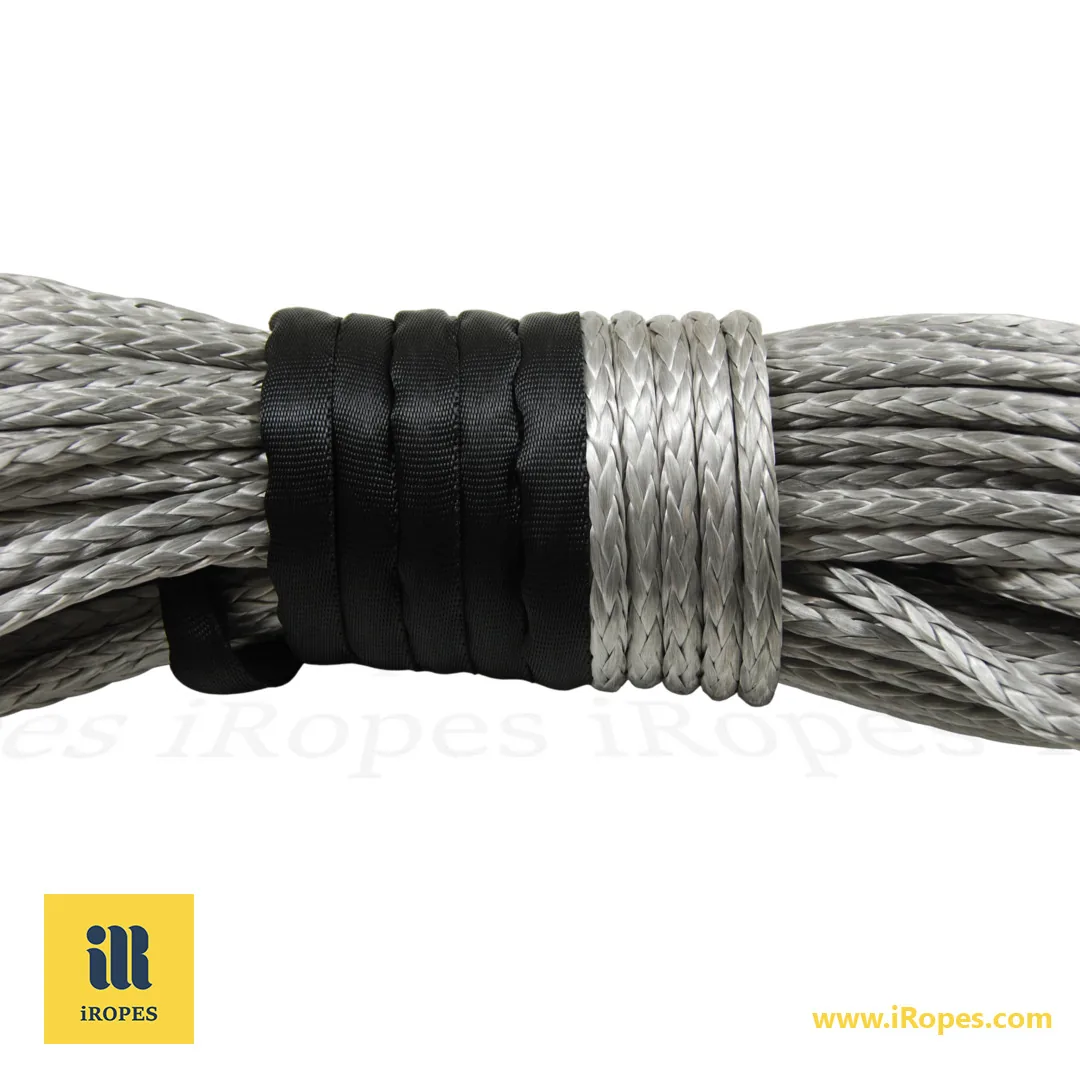
Nylon cordage dominates marine shock loads by stretching up to 30% under tension—absorbing sudden forces from waves or wind to prevent snaps and gear damage, unlike stiffer polyester lines that transfer full impact.
In 8 minutes, unlock nylon's superior shock-handling secrets for safer boating
- ✓ Master 30% elasticity that cushions dynamic loads, slashing equipment failure risk by 50% in rough seas
- ✓ Gain insights on UV/abrasion resistance boosting rope lifespan to 5+ seasons with minimal upkeep
- ✓ Compare double braid vs. 3-strand constructions to select the perfect fit for your vessel's 4,200–10,000 lb needs
- ✓ Explore iRopes' OEM customisations—like branded colours and thimbles—for tailored marine performance
You've likely assumed that the strongest ropes must resist all stretch to hold firm against the sea's fury. Yet, that very rigidity often leads to catastrophic failures under explosive wave impacts. What if nylon's counterintuitive blend of 6,600 lb tensile strength and forgiving elongation—proven in real dock and anchor scenarios—could transform vulnerability into unbreakable reliability? Uncover how iRopes engineers these properties into bespoke solutions, revealing the hidden tweaks that elevate safety without compromise.
Unmatched Properties of Nylon Cordage for Shock Loads
When you're out on the water, facing unpredictable waves and sudden jerks from wind or tide, the last thing you want is your lines failing under pressure. That's where nylon cordage truly shines, stepping in as the go-to material for handling brutal marine shock loads. As a key player in this space, iRopes crafts nylon solutions that not only meet but exceed the demands of boating professionals worldwide. Let's dive into what makes nylon lines so exceptional, starting with their remarkable ability to give without giving up.
Elasticity and Shock Absorption: How Nylon Cordage Stretches Up to 30% to Absorb Dynamic Marine Loads Without Snapping
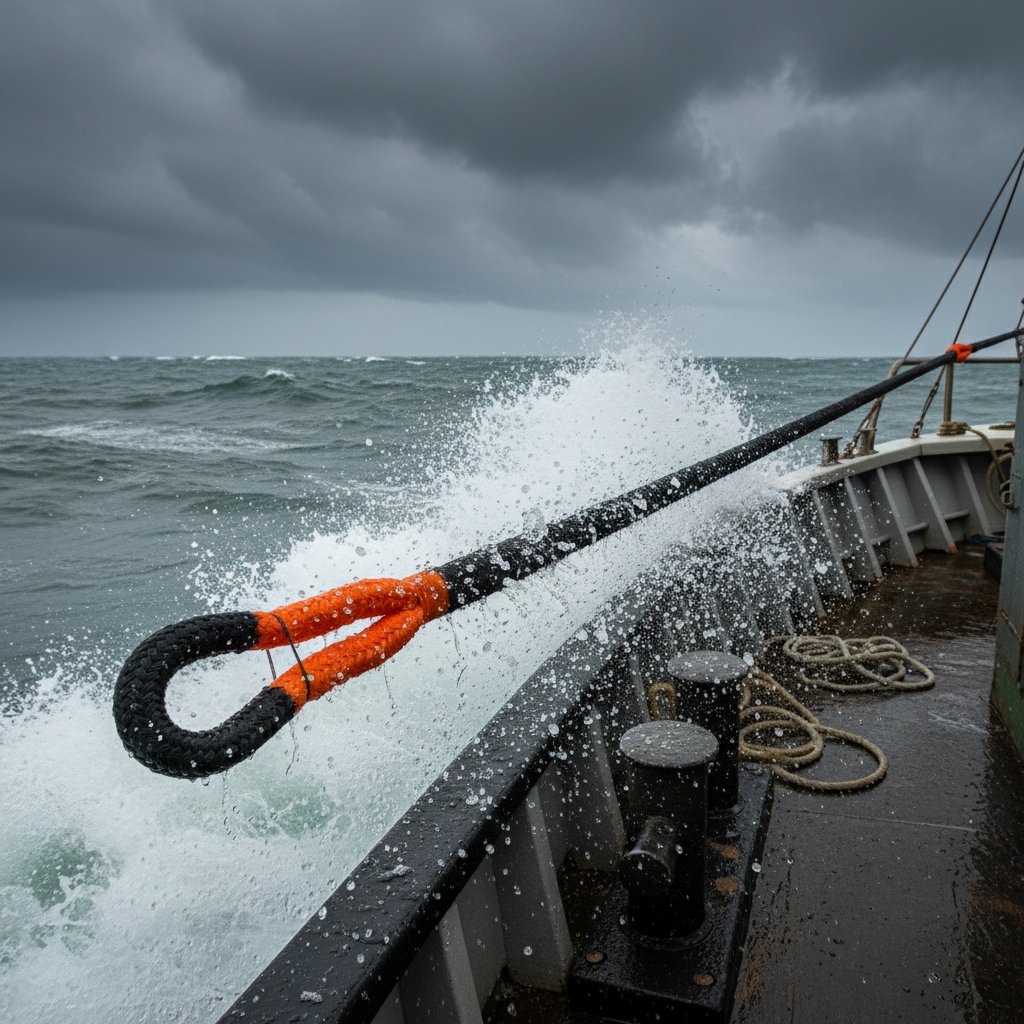
Imagine a sudden gust slamming your boat against the dock; the force could rip standard ropes apart. Nylon nautical rope, however, stretches up to 30% of its length under tension, acting like a built-in shock absorber. This elongation, known as its elastic recovery, dissipates energy from dynamic loads. This prevents snaps that might damage cleats or fittings. In everyday terms, it's the difference between a rope that bounces back from a wave's impact and one that just breaks. For marine use, this property is invaluable; it reduces stress on your vessel during rough conditions, keeping everything secure. Have you ever wondered why some lines feel more forgiving in heavy swells? That's nylon's elasticity at work, making it ideal for environments where forces aren't steady but explosive.
High Tensile Strength and Durability: Benefits Including Resistance to UV, Chemicals, Abrasion, and Rot for Long-Lasting Performance
Nylon lines pack a serious punch in strength while holding up against the sea's relentless assault. With high tensile strength that rivals other synthetics, they bear heavy loads without fraying prematurely. What sets them apart is their built-in defences: resistance to ultraviolet rays prevents weakening from sun exposure, chemical tolerance shrugs off fuels and oils, abrasion resistance withstands rubbing against rough pilings, and rot-proof construction laughs off moisture and mildew. These traits mean your nylon cordage lasts seasons longer than alternatives, saving you replacement costs and downtime. In one instance, a set of nylon dock lines endured a full summer of saltwater dousings and rocky scrapes without a hitch, proving their worth in real-world grit.
- UV Resistance - Shields against degradation from prolonged sun exposure, maintaining integrity in open-water settings.
- Chemical Resistance - Handles contact with marine fuels and cleaners without breaking down.
- Abrasion Resistance - Endures friction from docks and hardware, extending usable life.
- Rot Resistance - Immune to fungal growth in damp conditions, perfect for humid coastal areas.
Comparison with Other Materials: Why Nylon Cordage Outperforms Polyester in Elasticity but Matches in Strength for Marine Environments
When pitting nylon against polyester, both heavyweights in rope materials, nylon pulls ahead in one critical area: elasticity. Polyester offers minimal stretch—around 10–15%—making it stiffer for steady holds. However, nylon's superior give excels in shock-prone scenarios like boating. Yet, nylon matches polyester's impressive strength-to-weight ratio, ensuring neither compromises on load-bearing capacity. For marine environments, this balance makes nylon the smarter pick where waves demand forgiveness, while polyester suits low-stretch tasks. If you're deciding on your next setup, consider how much jolt your lines will face; nylon's edge in absorption often tips the scale for safety on the water.
Addressing Benefits of Nylon Rope: Explaining Its Superiority in Handling Sudden Forces in Boating Scenarios
In the thick of a boating adventure, sudden forces from anchors dragging or boats surging can turn a calm day chaotic. Nylon rope's benefits shine here, absorbing those jolts to protect hulls and hardware. Unlike rigid options that transfer every bit of force, nylon's resilience minimises risks, from preventing cleat pull-outs to avoiding line snaps mid-moor. Boaters often share stories of nylon saving the day during unexpected squalls, where its combination of stretch and toughness turns potential disasters into minor hiccups. Ultimately, choosing nylon means prioritising performance that aligns with the sea's unpredictable nature. These inherent advantages lay the groundwork for constructions that fine-tune these benefits even further.
Key Constructions in Nylon Lines for Marine Use
With nylon's core strengths like impressive stretch and toughness laid out, it's time to see how those traits play out in the ways these lines are built. Different constructions tweak the performance just right for the sea's demands, whether you're tying off at a busy marina or dropping anchor in choppy waters. At iRopes, we specialise in these builds to match exactly what your boating setup needs, ensuring every coil handles the job without a hitch.
Double Braid Nylon Lines: Smooth, Easy-to-Splice Design Ideal for Dock Lines with High Strength and Flexibility
Double braid nylon lines wrap two braided layers around each other—a core and a cover—for a sleek, round profile that glides through your hands and hardware effortlessly. This setup keeps the strength high while allowing that signature nylon give, making it perfect for dock lines where you need to absorb the back-and-forth pull from waves without constant adjustments. Splicing them is also straightforward; just weave the ends together, and you've got a secure loop that won't slip. For a 30-foot run on a mid-sized yacht, this construction shines, offering flexibility that feels almost alive under tension. Ever tried manoeuvring in a tight slip during wind? These lines make it less of a struggle.

3-Strand Twisted Nylon Lines: Cost-Effective Option Providing Good Stretch for Anchor Lines and General Mooring
Then there's the classic 3-strand twisted nylon line, where three bundles of fibres twist together in a spiral that mimics old-school rope-making. It's simpler and cheaper to produce, which keeps costs down for bulk buys, yet it delivers solid stretch for anchor lines—think holding steady as your boat rides out swells overnight. The twist adds a bit of rotation under load, but that's manageable for most mooring spots. I recall helping a friend rig his trawler with these; they stretched just enough to quiet the chain clatter without overextending. If budget matters but you can't skimp on that shock-handling, this is your pick.
Differences Between Constructions: Comparing 3-Strand vs. Double Braid for Strength, Handling, and Splicing Ease
Choosing between 3-strand twisted and double braid boils down to your priorities on the water. The twisted version grips knots tighter and splices with basic tools, but it can hockle—meaning it kinks if not coiled right. Double braid, conversely, stays smoother and resists snags better for frequent handling. Both hold comparable loads—around 5,000 pounds breaking strength for a half-inch diameter. However, the braid's cover protects the core from wear longer in abrasive spots like rocky harbours. What is the difference in splicing? Twisted takes less time for beginners, but braid offers a more secure, low-profile finish once mastered.
3-Strand Twisted
Affordable and Traditional
Budget-Friendly
Lower production costs make it ideal for large-scale mooring needs without sacrificing core nylon stretch.
Easy Knotting
Holds traditional knots securely, great for quick setups in general anchoring.
Simple Splicing
Basic techniques work well, accessible for on-board repairs.
Double Braid
Smooth and Versatile
Superior Handling
Glides through blocks and cleats, reducing friction in dynamic dock work.
Enhanced Durability
Cover protects against abrasion, extending life in high-wear marine spots.
Secure Splices
Professional finish with minimal bulk, ideal for permanent installations.
Solid Braid and 8-Strand Options: Torque-Free and Snag-Resistant Variants for Specialised Nautical Tasks
For tasks needing less twist, solid braid nylon lines weave a dense, uniform pattern that's firm yet supple, resisting snags on gear during utility work like rigging sails. The 8-strand plait, meanwhile, alternates over-under weaves for zero torque, keeping lines from spinning under heavy pulls—handy for long anchor rodes where stability counts. These options shine in specialised spots, like spearfishing lines or defence setups, where reliability without the fuss is paramount. Both maintain nylon's marine prowess, just dialled in for niche demands.
These constructions open the door to putting nylon nautical rope right where it counts, from everyday docking to tougher offshore runs, making sure your setup performs when it matters most.
Applications of Nylon Nautical Rope in Demanding Environments
Now that we've explored how different nylon lines come together through various constructions, let's see them in action where the real tests happen—on the water, against relentless waves and tides. Whether you're securing a yacht in a bustling harbour or holding position in open sea, nylon nautical rope steps up to meet those challenges head-on, leveraging its built-in resilience to keep things steady.
Dock and Mooring Lines: How Nylon Nautical Rope Prevents Damage from Wave-Induced Shock Loads with Sizing Recommendations
Picture pulling into a slip as swells rock your boat side to side; without the right lines, those repeated jolts could shear off bollards or strain your hull. Nylon cordage excels here by stretching to cushion the impacts, spreading the force over time instead of letting it spike dangerously. For most recreational boats under 30 feet, opt for 3/8-inch diameter lines around 20–25 feet long—enough give without excess slack. Larger vessels, say 40-footers, call for 1/2-inch ropes at 30 feet or more to handle greater motion. This sizing keeps your setup taut yet forgiving, turning potential headaches into smooth arrivals every time. For more on selecting the best nylon mooring lines, explore our detailed guide tailored to marine safety needs.
Anchor Rodes and Sailing Lines: Pairing with Chain for Optimal Performance and Why It's Essential for Marine Safety
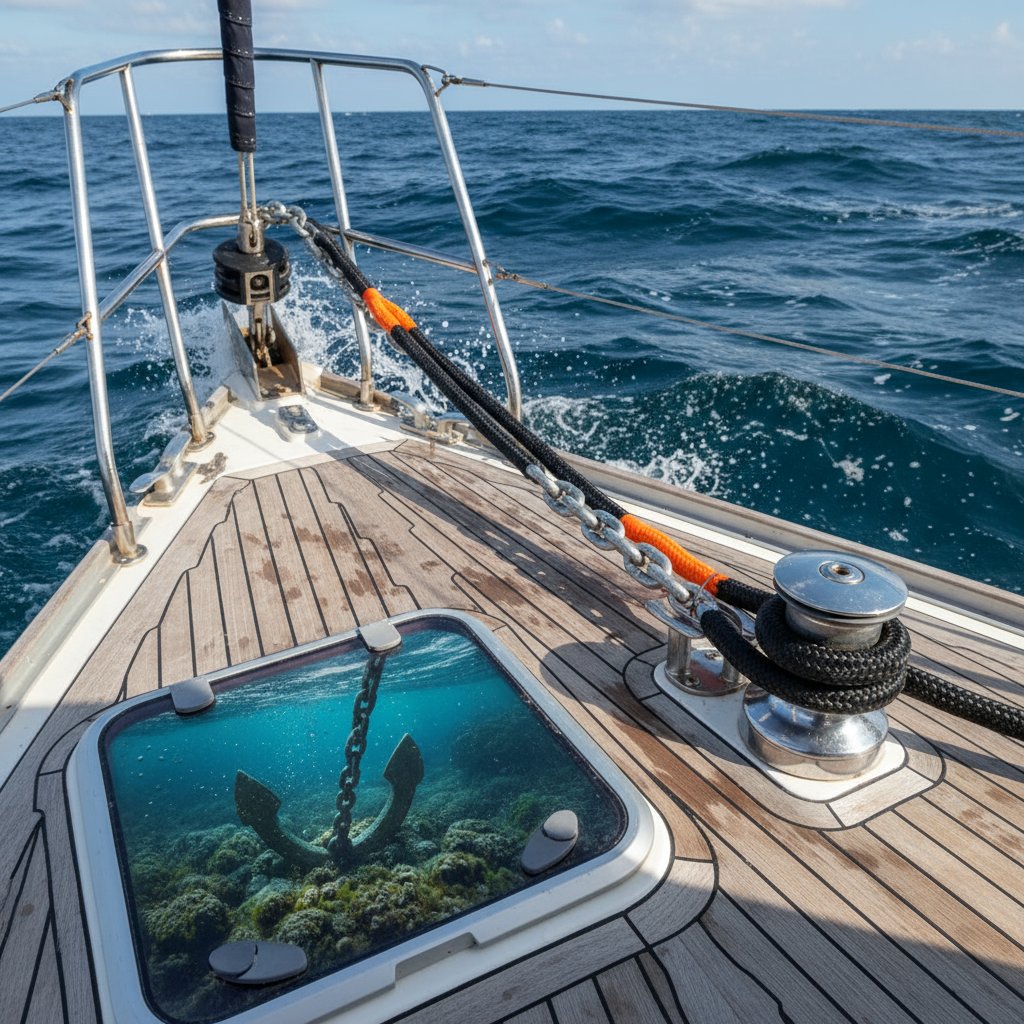
When dropping anchor, the rode—that line from your bow to the seabed—faces the fiercest pulls from wind and current trying to drag you. Combining nylon lines with a short chain section at the bottom adds weight for better holding, while the rope's flex absorbs upward yanks, preventing the chain from jerking loose. Sailors swear by this setup for safety; it cuts down on reset efforts and protects your windlass from overload. For a 35-foot sailboat in moderate depths, a 200-foot rode of 5/8-inch nylon twisted line pairs perfectly with 10 feet of chain, ensuring you sleep soundly through the night. Ever felt that uneasy drift in a blow? This combo eliminates it, prioritising stability where it counts most. Check out our essential tips for choosing and maintaining boat anchor ropes to optimise your setup further.
Is Nylon Rope Good for Marine Use: Confirming Its UV and Saltwater Resistance for Reliable Docking and Anchoring
Absolutely, nylon rope stands out as a solid choice for marine environments. This is thanks to its ability to shrug off the sun's rays and the sea's brine without losing grip. Prolonged exposure to UV doesn't brittle it like some materials, and saltwater simply rinses away without causing corrosion or weakening the fibres over time. This reliability means your dock lines stay trustworthy through seasons of exposure, and anchor setups hold firm without unexpected failures. In coastal marinas where salt spray is constant, boaters rely on this endurance for peace of mind during docking or overnight stays.
Strength Specifications: Breaking Strength Charts for Diameters Like 1/2 Inch, Ensuring Suitability for Vessel Sizes
To match your boat's needs, knowing the breaking strength—or the maximum load before failure—helps select the right size. Here's a quick guide based on standard double braid nylon; always factor in a safety margin of at least 5:1 for working loads. For instance, a 3/8-inch diameter offers about 4,200 pounds breaking strength, fitting boats up to 25 feet. Step up to 1/2 inch, and you're at roughly 6,600 pounds, ideal for 30–40 footers handling moderate winds.
- 3/8 inch - 4,200 lbs breaking strength; suits small craft in calm to moderate conditions.
- 1/2 inch - 6,600 lbs breaking strength; versatile for mid-sized vessels with typical loads.
- 5/8 inch - 10,000 lbs breaking strength; recommended for larger boats in exposed areas.
These specs confirm nylon's capability across setups, but pairing the right diameter with your vessel's weight and expected forces ensures everything runs smoothly. Tailoring these elements through expert input can elevate performance even higher.
Customisation and Maintenance for iRopes Nylon Solutions
Building on those strength specs and how they fit your vessel, getting the most from nylon nautical rope often comes down to fine-tuning it to your exact setup. At iRopes, we go beyond off-the-shelf options, offering ways to personalise these lines so they match your branding and operational demands perfectly. Whether it's tweaking sizes for a specific dock or adding features for better visibility at night, customisation ensures your ropes perform at their best. Moreover, keeping them in top shape through simple routines means they last longer, handling those shock loads season after season.
OEM/ODM Options: Custom Diameters, Lengths, Colours, and Accessories Like Thimbles for Branded Marine Ropes
One of the best parts about working with iRopes is how we turn your ideas into reality through our OEM and ODM services. Need dock lines in a 3/8-inch diameter for smaller boats or 3/4-inch for heavy-duty mooring? We adjust lengths from short 15-foot runs to full 300-foot anchor rodes, all while incorporating colours that tie into your fleet's look—think navy blue or high-vis orange. Accessories like thimbles protect eyes from wear, and we can splice in loops or chafe guards right from the factory. For branded marine ropes, we even print logos on packaging or weave custom patterns, making your gear stand out at marinas. A client once asked for reflective stripes on their yacht lines for safer night docking; we delivered, boosting their safety profile without compromising the rope's core strength.

Quality Assurance with ISO 9001: Precision Manufacturing, IP Protection, and Timely Global Delivery for Wholesale Needs
Behind every custom order at iRopes is our ISO 9001-certified process, which guarantees precision from raw fibre to final coil. Skilled teams in our facilities test each batch for consistency, ensuring your nylon lines meet exact specs without defects. We take IP protection seriously too—your designs stay confidential through non-disclosure agreements, letting you innovate freely for wholesale runs. And for global customers, we ship pallets directly to ports worldwide, hitting deadlines even for urgent seasonal demands. This reliability means businesses in places like the US or Europe get high-end ropes without the hassle, building trust one delivery at a time.
Care and Maintenance Tips: Cleaning, Storage, and Inspection to Extend Lifespan and Address Common Wear Issues
To keep your nylon cordage going strong, start with regular cleaning. Rinse off salt and dirt with fresh water after every use, and for tougher grime, a mild soap soak followed by a thorough rinse prevents buildup that could weaken fibres over time. Store them coiled loosely in a dry, shaded spot away from direct sun to avoid unnecessary UV exposure between trips. During inspections, look for fuzzing at contact points or unusual stiffness, which signal abrasion or chemical damage; catching these early heads off bigger problems. How do you know when it's wearing out? If the diameter shrinks more than 10% or stretch feels off, it's time to retire it—proper care can double the lifespan, turning a few seasons into many more reliable outings.
- Rinse with fresh water after exposure to saltwater or pollutants.
- Coil and store in a cool, dry area to prevent mildew.
- Check monthly for cuts, frays, or discolouration indicating wear.
Splicing and Safety Guidelines: Easy Splicing Techniques and When to Replace for Shock Load Safety
Splicing nylon lines is straightforward and strong. For an eye splice, unravel the end strands and weave them back into the rope's body using a fid tool, creating a seamless loop stronger than a knot. This method works great for attaching thimbles and keeps the full strength intact under pulls. On safety, always retire a line if it's been shocked beyond 50% of its working load or shows core damage, as hidden weaknesses can fail unexpectedly in waves. We've seen splices hold up in tests simulating storm surges, but replacing proactively saves headaches—and hulls—down the line. Integrating these practices with custom builds ensures your setup stays safe and efficient.
As we've explored, nylon cordage stands out for marine shock loads thanks to its exceptional elasticity—stretching up to 30% to absorb sudden forces—paired with high tensile strength, UV resistance, and durability that outshines alternatives like polyester in dynamic boating scenarios. Nylon lines in constructions such as double braid for smooth dock handling or 3-strand twisted for cost-effective anchor rodes, sized from 3/8-inch for smaller vessels to 5/8-inch for larger ones, ensure reliable performance in mooring, anchoring, and sailing while preventing equipment damage.
iRopes delivers these tailored nylon nautical rope solutions through OEM/ODM services, custom diameters, colours, and accessories, backed by ISO 9001 quality and global delivery. For those ready to optimise their marine setup with personalised recommendations, expert guidance can refine these insights to your specific needs.
Connect with iRopes for Custom Nylon Marine Rope Solutions
If you're seeking bespoke advice on selecting or customising nylon rope for your boating operations, the inquiry form above connects you directly with our specialists at iRopes. We're here to help turn these advantages into your ideal setup.