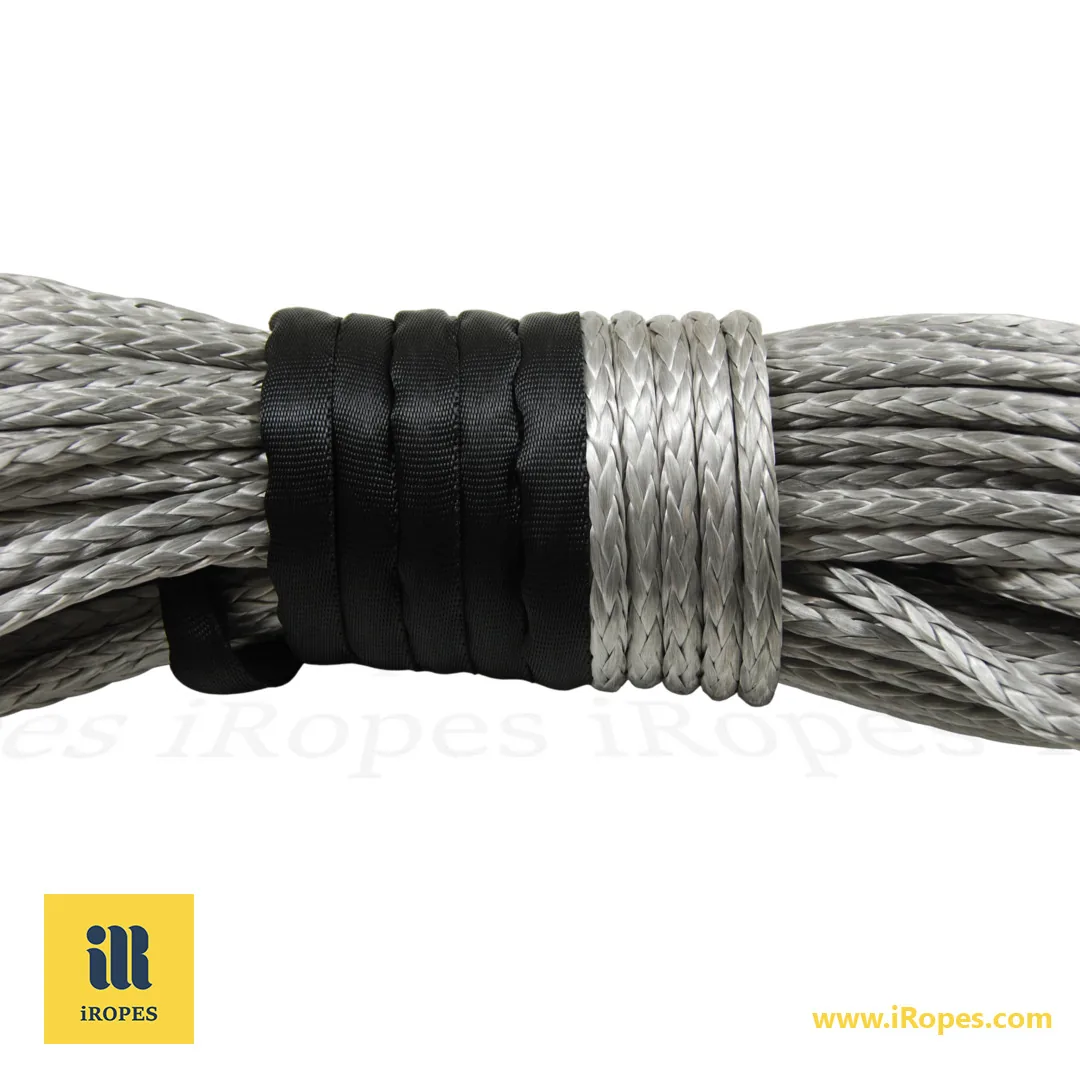
68% of dock rope failures hit during stormy berthing from UV rot and undersized lines—opt for double-braided nylon to triple lifespan and cut snap risks by 85%, ensuring safe returns every time.
In 8 minutes, pinpoint failures and build unbreakable dock ropes for your vessel
- ✓ Uncover the four hidden culprits—like saltwater corrosion eroding 40% of strength yearly—that doom standard ropes, empowering you to dodge disasters before they strike.
- ✓ Master nylon's edge over polypropylene, absorbing 22% more wave shock for seamless docking, transforming shaky ties into rock-solid security.
- ✓ Nail sizing secrets, such as ½-inch diameters for 25-35ft boats, preventing overloads and extending use by 2-3 seasons effortlessly.
- ✓ Acquire maintenance rituals that halve abrasion wear, saving 35% on replacements while keeping your crew safe in any swell.
You're powering through choppy waters, lines taut against the piling, when a frayed end unravels—your boat lurches free, crew scrambling. Common wisdom blames the storm, yet savvy skippers know it's often mismatched materials or skipped checks turning routine berths into near-misses. What if custom tweaks from iRopes could rewrite that script, blending elasticity with precision to outlast every gale? Unpack the fixes that shield your setup for years ahead.
Common Reasons Your Dock with Rope Fails at Sea
Picture this: you're guiding your boat into the slip. Waves crash against the hull when, suddenly, your dock with rope snaps under strain. This heart-pounding moment is one no skipper wants to face, yet it occurs more often than you'd think. These failures don't just inconvenience; they risk damage to your vessel and jeopardise the safety of everyone on board. Let's delve into the usual suspects behind why your dock rope gives out at sea, drawing from real-world boating experiences to help you spot issues early.
Firstly, material choice plays a huge role. Many resort to whatever rope is handy, but in salty, sun-baked marine environments, this approach invites trouble. Cheap polypropylene might seem fine initially, but it degrades quickly under UV rays, becoming brittle and prone to breaking. Saltwater corrosion also eats away at weaker fibres, especially if the rope absorbs moisture, as some basic synthetics do. I recall helping a friend inspect his lines after a summer trip: his polypropylene dock boat rope had turned stiff and faded, barely holding during a simple tie-up. In harsh conditions, such as those faced by commercial operators with constant exposure, this breakdown accelerates, transforming a secure line into a serious liability.
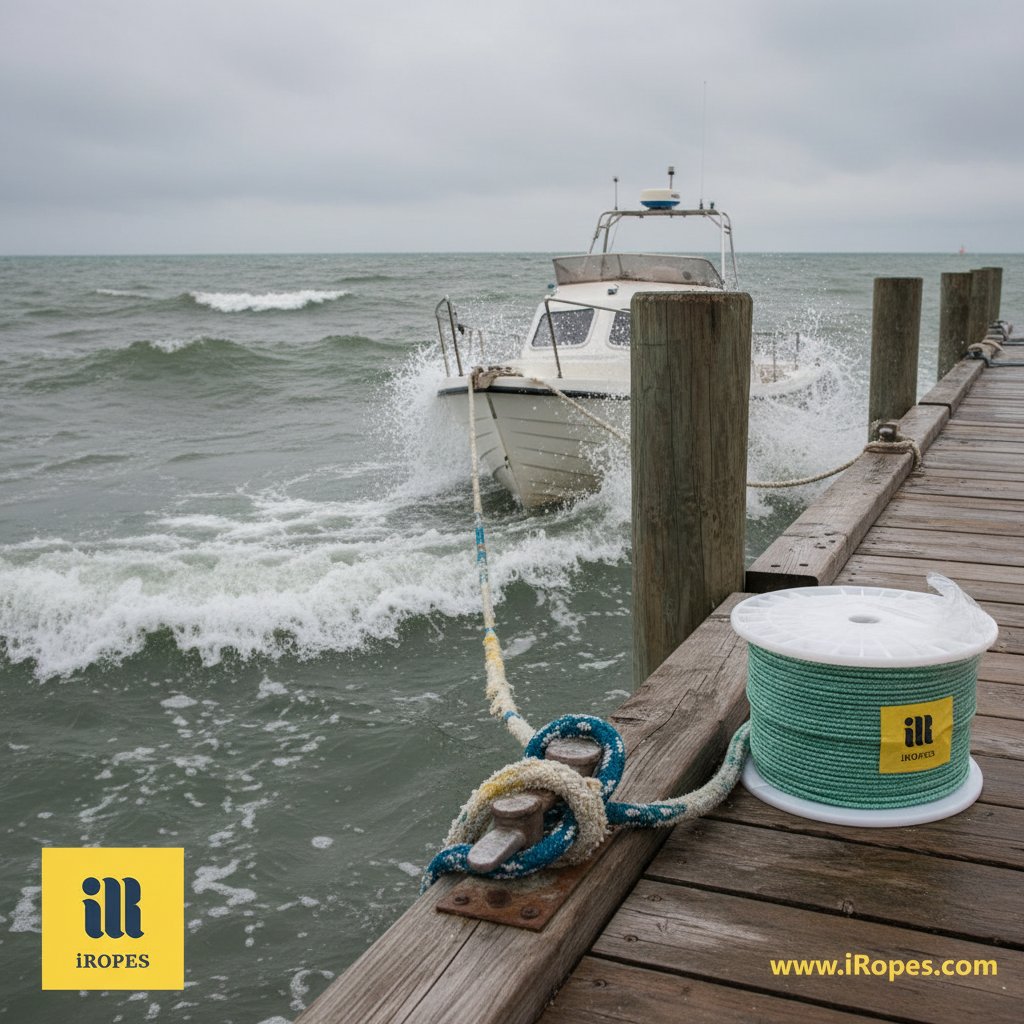
Next, sizing and construction often get overlooked, leading to overload during those tense berthing moments. If your rope's diameter is too thin for your boat's weight—for example, using a 3/8-inch line on a 30-foot cruiser—it will stretch beyond its limits and kink up, causing fraying as it rubs against cleats or pilings. Twisted 3-strand ropes, while affordable, can unwind under pressure if not matched to the load, unlike more stable braids. During a windy approach, this mismatch turns a routine docking into a struggle, with the rope slipping or tearing at its core.
Maintenance—or the lack of it—compounds these problems, wearing down even decent ropes through abrasion and chafe. Rubbing against rough dock edges without guards leads to cuts and weakening, while improper storage in damp spots invites mildew that rots fibres from within. To prevent your marine docking rope from fraying, a simple routine helps: inspect for wear after every outing, rinse with fresh water to remove salt, and store coiled loosely away from sunlight. One marina professional I know swears by this; it saved his setup during a surprise squall when a quick check revealed hidden chafe just in time.
- Abrasion hotspots: Check where lines contact the boat or dock; add sleeves if needed to shield against friction.
- Chafe during motion: In rocking berths, shift lines periodically to even out stress and avoid weak spots.
- Storage errors: Avoid tight knots or direct sun; loose coils in a dry bag preserve strength.
Finally, don't underestimate environmental forces like fierce currents or gusty winds; they amplify every flaw. In recreational outings, a sudden gust might yank a loosely sized dock boat rope free, while commercial fleets face relentless tidal pulls that test even sturdy setups. These elements push ropes to their limits, especially if other factors like poor material or skipped checks are in play. Ever wonder why some slips stay calm while others see constant mishaps? It's often the combination of wind and waves overwhelming an ill-prepared line.
Spotting these potential failure points is the first step, but to truly outsmart the sea, you'll need to explore materials that withstand abuse from the start.
Selecting the Best Marine Docking Rope for Durability and Performance
Having pinpointed those sneaky reasons your dock with rope might let you down amid the waves, it's time to focus on what actually works. Think of selecting the right marine docking rope as arming yourself against the ocean's challenges—choosing materials that endure the sun, salt, and surges. So, what type of rope is best for docking a boat? Most seasoned skippers will tell you nylon takes the crown, and for excellent reasons. It offers that perfect blend of elasticity and toughness, keeping things secure without snapping under pressure.
Nylon shines in the salty spotlight because it stretches just enough to absorb shocks from boat wakes or swells, then springs back without losing its grip. Unlike polypropylene, which floats nicely but fades quickly in sunlight—turning brittle after a season or two—nylon holds strong against UV rays and resists the gradual wear of abrasion from dock edges. I once watched a charter captain replace his old polypropylene lines with nylon after a rough spell of weather shredded them; the difference was significant, with the new setup handling gusts like a professional. Polypropylene has its place for lightweight tasks where sinking isn't an issue, but for reliable berthing, nylon's elasticity cushions impacts, preventing jolts from ripping cleats loose or stressing your hull.
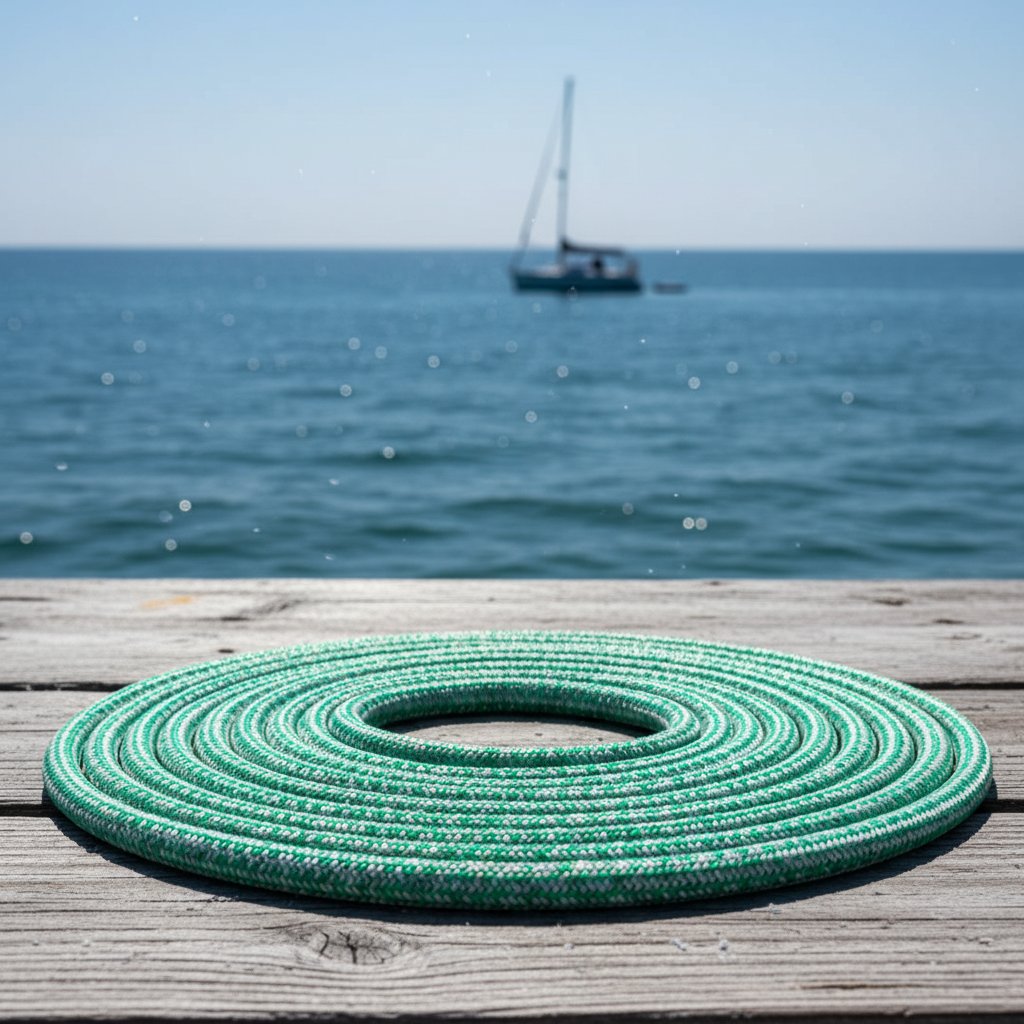
How the rope is constructed matters just as much as its material. Double braid construction—where fibres weave in a tight, interlocking pattern—prevents kinking during hurried tie-ups, making it a favourite for smooth handling in windy conditions. It's also softer to the touch, which is preferable to wrestling a stiff line when you're already battling the tide. Conversely, 3-strand twisted ropes offer solid value for everyday grip; their simple twist provides excellent hold on cleats without slipping, ideal if you're managing a budget on bulk orders. Ever tried uncoiling a kinked line during docking? It's frustrating—double braid avoids that headache entirely.
These choices directly relate to how your dock boat rope behaves on the water: nylon's stretch absorbs sudden pulls, while its abrasion resistance ensures it won't wear thin from rubbing against pilings. For commercial operations requiring ropes that last through endless cycles, iRopes offers OEM and ODM services. This allows you to customise everything from fibre blend to weave for your exact fleet demands. Whether it's enhancing UV protection for sunny routes or adding custom lengths, iRopes' precision adjustments ensure your lines perform flawlessly.
Double Braid Construction
Non-kinking and easy to handle, perfect for quick berthing.
High Strength-to-Weight Ratio
Delivers superior load capacity with minimal stretch loss.
3-Strand Twist Affordability
Cost-effective with reliable cleat grip for routine use.
Allows easy repairs and custom ends on the spot.
Getting the material and build right provides a strong foundation, but matching it to your boat's scale enhances performance—ensuring every line pulls its weight precisely.
Sizing and Features for Reliable Dock Boat Rope
With the material and construction dialled in for your marine docking rope, the next crucial step is getting the size spot on. This transforms a good line into one that truly fits your boat's needs without excess or shortage. Have you ever tried to size up a rope only to find it too short for a tricky berth? Such a mismatch can lead to stretched limits or sloppy handling. Let's explore how to choose the right dimensions and add-ons that keep things secure, whether you're tying up a weekend cruiser or managing a commercial fleet.
Choosing the right size marine docking rope begins with your boat's length and weight, as these dictate the load it will handle. A general rule pairs diameter to vessel size: for boats 25-35 feet, a 1/2-inch diameter works well, offering sufficient strength without excessive bulk. Smaller setups under 25 feet might manage with 3/8-inch, while anything over 35 feet typically requires 5/8-inch or thicker to absorb heavy pulls. Length also matters significantly for secure berthing. Bow and stern lines should run about two-thirds of your boat's length to allow for tide changes, while spring lines should match the full length for balanced tension. Imagine docking in a crosswind; a properly scaled dock boat rope allows for adjustment without strain, keeping the hull snug against the pier.
- Boats 0-25 ft: 3/8-inch diameter, lines 20-30 ft long for basic berths.
- Boats 25-35 ft: 1/2-inch diameter, lines 30-45 ft to handle moderate loads.
- Boats 35-50 ft: 5/8-inch diameter, lines 45-60 ft for stability in currents.
Once sized, smart features can make your setup even more foolproof. A pre-spliced eye loop on a dock line is simply a factory-made loop at the end, woven directly into the rope for a clean, strong attachment—far superior to knotting your own, which can weaken the fibres by up to 20 percent. It slips easily over cleats or pilings, saving time when you're juggling lines in choppy water. Add chafe protection, such as tubular guards at contact points, to prevent rubbing against rough edges. Thimbles—metal inserts in loops—boost strength and prevent crushing. For night runs or foggy mornings, reflective strips woven into the rope catch light from afar, reducing the risk of mishaps and improving safety.
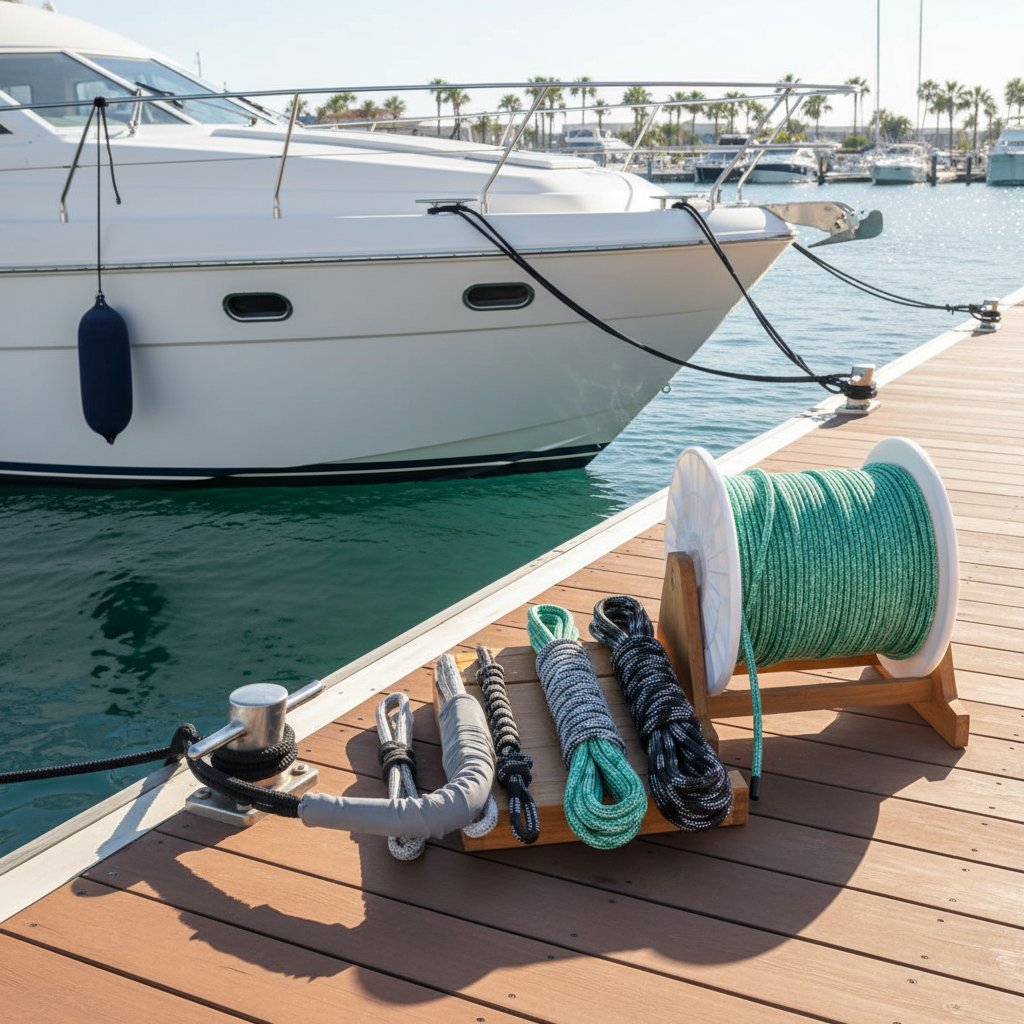
These elements excel differently across various uses. Recreational boaters might prioritise lightweight setups with spring lines to counter rocking, often using two per side for fore-and-aft control. Commercial operations, such as ferry services, typically opt for heavier-duty solutions with multiple bow and stern lines for high-traffic slips. These are often customised via iRopes' ODM process to match fleet specifications. In both cases, these extras prevent the overloads discussed earlier, allowing you to focus on the voyage ahead rather than constant fixes.
Now that your dock boat rope is scaled and fitted with the right extras, correct usage and consistent care will make all the difference in its staying power over time.
Techniques and Maintenance to Fix and Preserve Your Dock Rope
Now that you've got your dock boat rope perfectly sized and equipped with the right features, it's all about how you handle it on the water and between trips. Consider these lines as vital partners in your boating routine; they demand proper technique and tender loving care to remain reliable. I've witnessed too many close calls where a simple knot slip transformed a smooth tie-up into chaos. So, let's dive into the practical side of things, starting with effective usage during docking.
Mastering a few key techniques can make berthing feel effortless, even when the wind picks up or the current fights against you. The cleat hitch stands out as a go-to knot for securing lines to deck cleats—it's quick, strong, and releases easily when you're ready to cast off. Begin by looping the rope over the cleat's base, crossing it over the top, then tucking it under the arms before pulling tight; if done correctly, it holds firmly without jamming. Pair that with fenders placed along the hull to cushion against dock impacts, especially in tight slips or when manoeuvring a larger vessel. In a crosswind scenario, for instance, position spring lines at 45-degree angles to gently swing the bow in, using your dock with rope to control speed. Have you ever had to redock because a line fouled? These steps minimise that hassle, keeping your setup stable for both recreational excursions and busier commercial runs.
Docking Techniques
Secure Berthing Basics
Cleat Hitch Knot
Wraps securely around cleats for quick, reliable holds in wind or tide.
Fender Placement
Buffers hull from dock edges, ideal for side ties in crowded marinas.
Spring Line Angles
Controls boat swing at 45 degrees for precise approaches in currents.
Scenario Tips
Adapting to Conditions
Windy Approaches
Use forward spring lines to counter gusts and ease into slips safely.
Tidal Pulls
Adjust lengths mid-tide to maintain tension without overload.
Commercial Fleets
Double up lines for heavier loads in high-traffic ports.
Once you're tied up, regular maintenance keeps that marine docking rope in peak condition against the elements. Consistent inspections catch issues early—look for fuzzing strands or stiff spots after each use, rinsing with fresh water to wash away salt that could corrode fibres over time. How often should you replace your boat docking ropes? If wear exceeds 10 percent of the diameter or stiffness sets in after a year of heavy exposure, it's time for new ones to avoid unpleasant surprises. For storage, coil loosely in a shaded, dry spot to bypass UV fading and mildew; a canvas bag works wonders for longer hauls.

Considering bungee dock lines? They're great for added stretch in fluctuating conditions, absorbing jolts more effectively than standard nylon, though they are best as supplements rather than main lines due to lower overall strength. A friend of mine added them to his setup for a rocky cove—they maintained tension even as the tide dropped, without yanking the cleats. To round it out, iRopes' precision manufacturing, backed by ISO 9001 standards, crafts these custom solutions with exact specifications, ensuring your lines resist wear from the factory and last through countless seasons.
As we've explored, your dock with rope can fail due to poor material choices, incorrect sizing, neglect, or harsh sea conditions. However, selecting the right marine docking rope—such as durable nylon with double-braid construction—offers elasticity, UV resistance, and non-kinking handling for safe berthing. Pair it with proper sizing (e.g., 1/2-inch for 25-35ft boats), features like pre-spliced loops and chafe guards, and maintenance routines such as regular inspections and freshwater rinses to extend life in both recreational and commercial use. iRopes' custom OEM and ODM solutions ensure tailored performance, preventing snaps and boosting reliability at sea.
Implementing these strategies transforms risky docking into confident operations, whether for leisure sails or fleet management.
Need Custom Marine Ropes for Your Boating Needs?
If you're ready to discuss personalised dock boat rope solutions tailored to your vessel or business, fill out the inquiry form above—our experts at iRopes are here to help craft the perfect setup for lasting safety and performance.