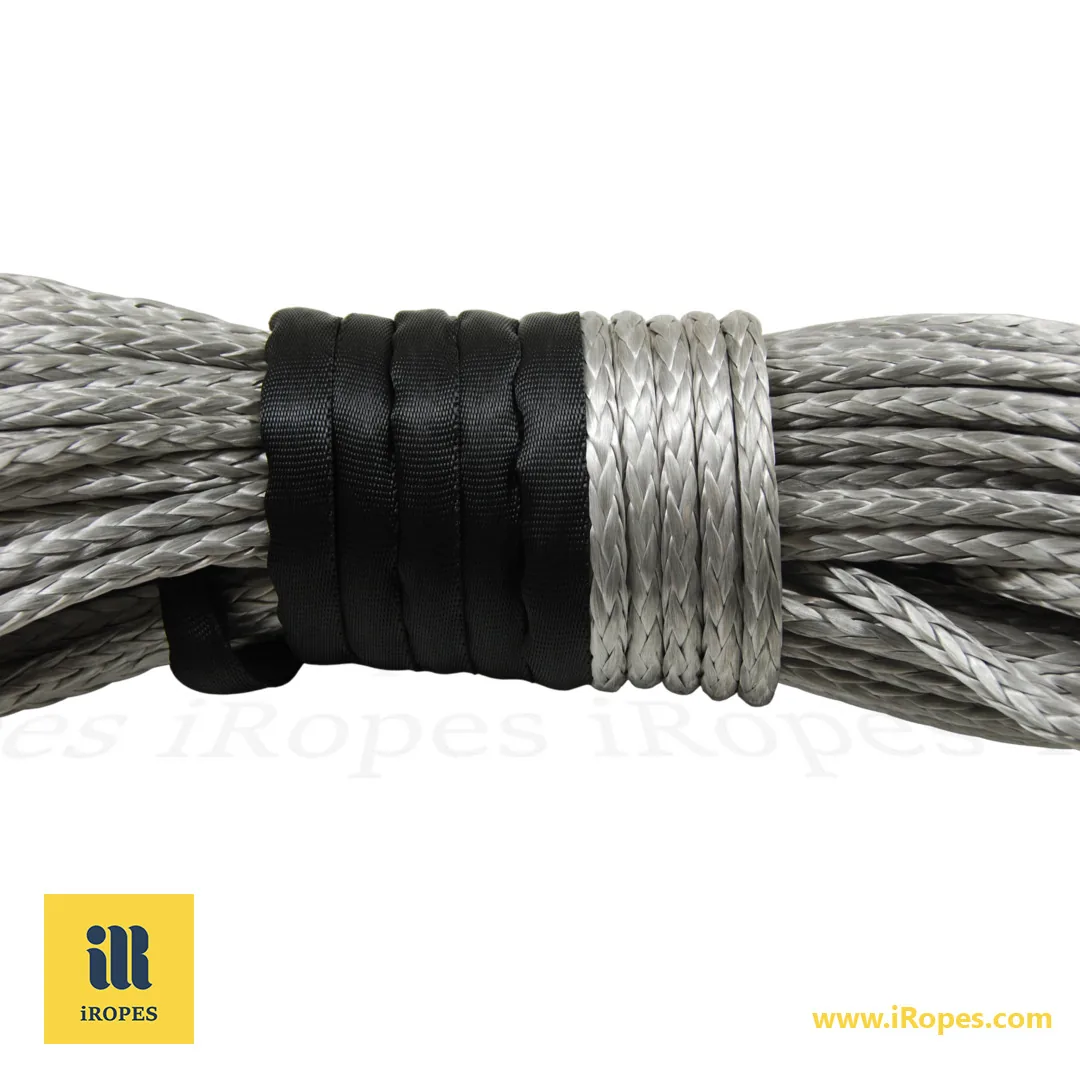
Master rope splicing to retain 95% of your line's breaking strength—a game-changer over knots that can reduce it by up to 60%—ensuring safer dock lines and marine gear that withstand real-world abuse.
In 12 minutes flat, unlock pro-level splicing skills →
- ✓ Grasp fundamentals to pick nylon ropes that stretch 20% under load without snapping, dodging common dock line disasters.
- ✓ Follow step-by-step eye splice guides for three-strand and double-braid, boosting your setup's durability by 90-95% instantly.
- ✓ Tackle advanced joins like rope-to-chain for anchors, solving chafe issues that shorten line life by half.
- ✓ Learn maintenance hacks to extend spliced ropes' lifespan 3x, saving you from frequent replacements in harsh saltwater.
You've probably wrestled with bulky knots that betray you mid-storm, weakening your lines when you need them most. Yet, splicing slips in silently, weaving fibres into unbreakable bonds that laugh off waves and wind. What if the secret to that 95% strength grip lay in just a few precise tucks and the right material choices, expertly customised by iRopes for your boat? Dive deeper to transform flimsy ties into fortress-secure connections that safeguard your voyages ahead.
Understanding the Fundamentals of Rope Splice
Imagine you are out on the water, securing your boat to the dock after a long day. The last thing you want is a line that might give way under pressure. That's where rope splicing comes in—a time-tested method that has kept mariners safe for centuries. Originating from the days of sailing ships when ropes were essential for rigging sails and hauling anchors, splicing allowed sailors to repair and join lines without significant strength loss. Today, it remains a go-to technique in boating, especially for creating reliable connections that hold up against waves, wind, and wear.
At its core, a rope splice is a way to interweave the strands of a rope to form a joint or loop without external fasteners. Unlike knots, which bunch up the fibres and create weak points, splicing maintains nearly the rope's full integrity. In fact, a well-done splice can retain 90-95% of the rope's original breaking strength, compared to knots that can reduce it by 40-60%. This makes it invaluable for safety—think of it as distributing the load evenly across the fibres, much like braiding hair to keep it strong and tangle-free.
Why choose splicing over knotting in boating? Knots offer quick, temporary fixes, but they add bulk that can snag on cleats or rails. Moreover, they weaken the line over time from friction and stress concentration. Splicing, alternatively, creates a smooth, low-profile connection that is more durable in harsh marine environments. For instance, if your dock lines are exposed to constant saltwater and UV rays, a spliced end will not degrade as fast, reducing the risk of failure during a storm. It is not just about strength; it is also about peace of mind when you are tying up for the night.
What are the 4 types of splicing?
- Eye splice - This creates a permanent loop at the end of the rope, perfect for attaching to cleats or rings without slipping.
- End-to-end splice - Joins two rope ends together seamlessly, ideal for lengthening lines while preserving strength.
- Ring splice - Inserts the rope around a metal ring, commonly used for blocks or sails in rigging setups.
- Rope-to-chain splice - Connects rope to chain, a staple in anchor lines for smoother transitions between materials.
In marine applications like yachting or everyday docking, these splices serve practical purposes beyond brute strength. They minimise bulk, so your lines stow neatly and will not catch on gear. Plus, the clean finish provides a professional look—something any boat owner appreciates when hosting friends aboard. Have you ever struggled with a bulky knot jamming in a hawsepipe? Splicing eliminates that hassle while enhancing aesthetics.
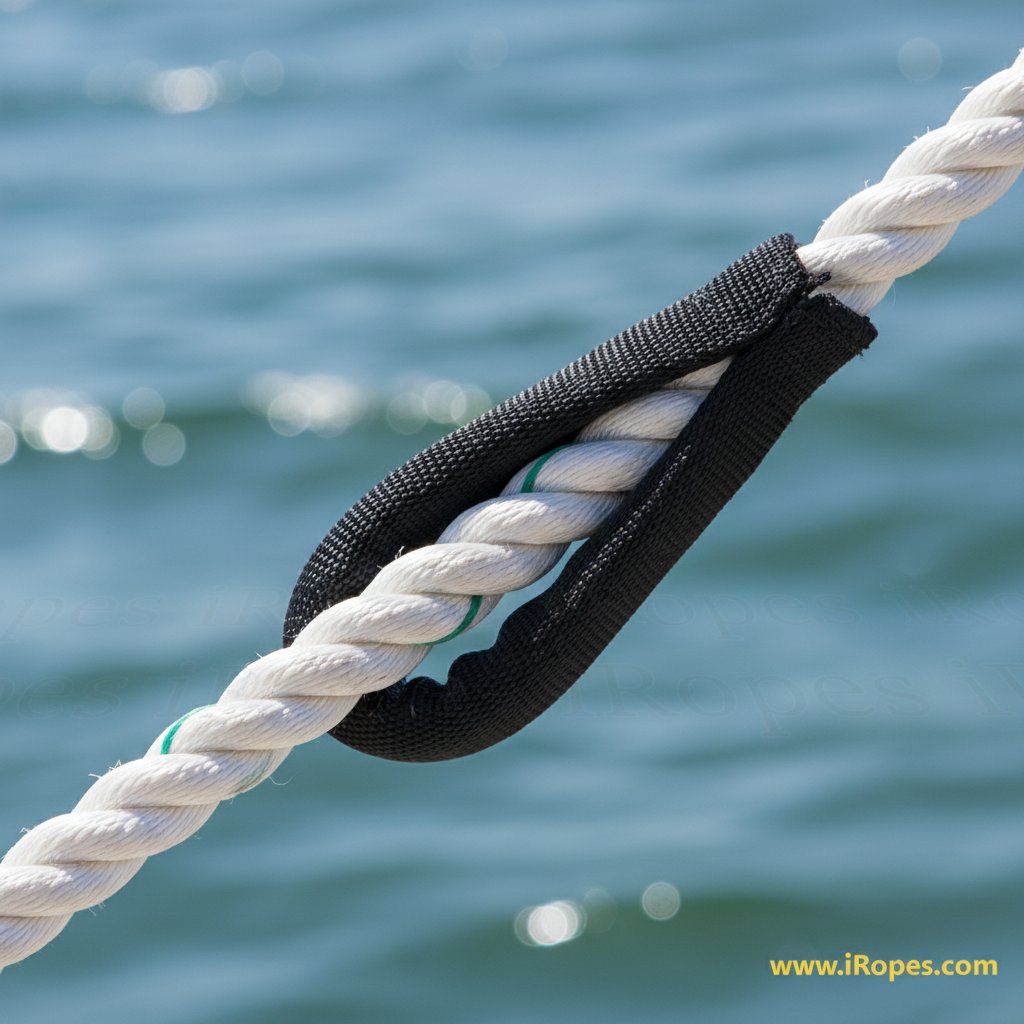
Grasping these basics sets the stage nicely. Indeed, picking the ideal rope and tools ensures your first splice is a smooth one.
Essential Tools and Rope Selection for Rope Splicing
Building on those splicing fundamentals, let us get practical about what you will need to make it happen. Choosing the right rope is not just about grabbing whatever is handy—it is crucial for ensuring your splice dock line holds up when it matters most. For dock lines, nylon stands out as the top choice. It combines impressive stretch to absorb shocks from boat movement, solid UV resistance to fend off sun damage over seasons, and enough strength to handle heavy loads without fraying quickly. This elasticity means it gives a bit under tension, like a sturdy spring, preventing snaps during sudden waves. If you are wondering what type of rope for dock lines to choose, nylon fits the bill perfectly for most recreational boating, though iRopes offers custom blends if you need extra toughness for commercial use.
Once you have settled on the material, consider the rope's construction, as not all ropes splice equally well. Three-strand ropes, with their twisted design, are straightforward for beginners and ideal for eye splices on dock lines—they are easy to separate and tuck. Double-braid, conversely, features an inner core wrapped in an outer sheath, providing a smoother, more flexible finish that is excellent for high-performance applications like yachting. At iRopes, we specialise in tailoring these constructions to your specifications, whether you want a specific diameter for better grip on cleats or added UV protection woven right in. This customisation ensures the rope not only splices cleanly but also performs reliably in saltwater.
Essential Tools
Gear for Clean Splices
Sharp Knife
Use a fresh blade to cut ends cleanly, avoiding crush damage that weakens fibres.
Masking Tape
Tape strands to prevent unravelling during work; opt for low-tack to avoid residue.
Measuring Tape
Measure fid length—typically 21 times the rope diameter—for accurate tucks.
Sizing Tips
Match to Your Rope
Fids
Select tapered fids slightly larger than your rope diameter; plastic for braid, metal for strand.
For 1/2-inch Rope
Use a #5 fid for easy insertion without forcing, preserving strand integrity.
For Thicker Lines
Scale up to #8 or larger fids for ropes over 5/8-inch to handle load-bearing splices.
Rope Preparation Steps:
- Unroll enough rope length, then wrap masking tape around the end to hold strands together.
- Mark reference points with a marker: measure one fid length from the taped end for the splice start.
- Tape individual strands at intervals to keep them organised, ensuring even spacing for balanced load distribution.
These preparation steps might seem simple, but they set up your rope splicing project for success, especially when forming that crucial eye for your dock line. With everything measured and marked, you are ready to tuck those strands just right.

Step-by-Step Guide to Splice Dock Line Using Eye Splice
With your nylon rope taped, marked, and ready from those prep steps, it is time to form the eye—the most reliable loop for securing your boat. If you have ever wondered what the splice is called on a docking line, it is the eye splice, designed specifically to create a fixed loop that slips neatly over cleats without the bulk or slippage of a knot. This method beats tying a simple loop in a dock line every time. Knots like bowlines reduce strength and wear out faster from constant rubbing, whereas an eye splice keeps things smooth and strong for those daily dockings.
Let us start with the three-strand eye splice, a classic for straightforward twisted ropes. This technique weaves the end strands back into the main body, forming a loop about twice your rope's diameter wide—perfect for most cleats. Work in a well-lit space, and take your time; the key is even tucks to distribute tension.
Three-Strand Eye Splice Instructions:
- Unravel the taped end to expose the three strands, then separate them carefully, keeping the working end (the part you will insert) and standing part (the main rope) straight.
- Form the eye by bringing the working end parallel to the standing part, then use your fid to push the centre strand through the rope's first lay from the outside in, creating the loop base.
- Tuck the remaining two strands one at a time under the adjacent strands in the standing part, matching the rope's twist direction—clockwise for right-laid ropes—to avoid kinking.
- Repeat the tucks four to six times per strand, smoothing the rope after each pass to settle the fibres and ensure the eye does not pucker.
- Taper the protruding tails by trimming every other fibre short, then tuck them fully in before applying whipping: wrap sail twine tightly around the splice end to secure it against unravelling.
For double-braid ropes, which have that sleek core-and-cover setup we touched on earlier, the eye splice gets a bit more involved but yields an even cleaner finish. You will separate the load-bearing core from the protective cover, essentially burying one inside the other. This preserves that full 95% strength by minimising any exposed ends. For more on mastering double braid rope core strength techniques, explore how these constructions enhance marine performance. A handy tip: measure the tail length as three times the rope diameter before starting, and always "milk" the splice—gently roll and stretch it—to smooth everything out. Unlike a quick knot for a loop, this method ensures your dock line flexes with the boat's motion without weak spots developing over time.
Double-Braid Tips
Mark the cover's entry and exit points precisely to avoid bunching; use a fid sized just right for your 1/2-inch line to slide the core through without snags. Finish by tapering both cover and core tails for a tapered, low-friction end.

Once you have nailed the eye splice, your dock lines will handle the pull of tides and wind with confidence. For longer runs or anchor setups, however, end-to-end joins and chain links open up even more possibilities in your marine toolkit.
Advanced Techniques and Maintenance in Rope Splicing
Having mastered that eye splice for your dock lines, you might find yourself needing to connect longer sections or link up with chain for anchoring—situations where end-to-end splices or rope-to-chain joins come into play. These advanced methods build on the basics, ensuring your setups remain reliable under heavy loads. An end-to-end splice, for example, merges two rope ends smoothly, retaining about as much strength as an eye while extending your line without bulky knots. It is great for marine tasks like creating extended mooring lines, where you would overlap the ends by roughly two rope diameters and interweave the strands in a staggered pattern to balance the pull. For detailed guidance on mastering 8 plait rope to chain and end to end splices, check out these techniques tailored for marine durability.
Rope-to-chain connections take it further, especially for anchor rodes where the rope's flexibility meets the chain's weight. Here, you form a sturdy eye in the rope and thimble it around the chain's last link, tucking strands securely to handle the transition's stress. Dimensions matter: aim for an eye about three times the chain's diameter to avoid pinching, keeping the overall splice length to around 12-18 inches for most setups. These techniques shine in rough seas, distributing forces evenly so your gear does not fail when you need it most. At iRopes, we craft ropes with these joins in mind, offering custom lengths and materials that splice seamlessly for yachting demands.
End-to-End
Overlap ends by 2x diameter; tuck alternating strands for a flat join that flexes with waves.
Rope-to-Chain
Eye around chain link with thimble; secure with 5-7 tucks to prevent chafe at the junction.
Strength Factors
Test under load gradually; proper tucks ensure even fibre stress, vital for anchor drops.
Key Dimensions
Keep splice to 1.5x rope circumference long; wider eyes reduce binding on hardware.
To wrap up these advanced rope splicing efforts, focus on finishing touches that boost longevity. Seizing involves wrapping the splice ends with twine or wire for a tight seal against moisture. Chafe protection—think tubular sleeves or heat-shrink tubing—guards against rubbing on rough edges. iRopes integrates these options during manufacturing, like embedding UV-stable coatings or pre-seized terminations, so your custom yachting lines endure seasons of use without fraying.
If things go awry, like uneven tucks causing lumps, gently re-tuck with a fid and smooth by rolling the splice underfoot—I have fixed a few this way after a rushed job on a friend's boat. For yachting customisations, consider adding thimbles for reinforced eyes or colour-coded strands for quick identification. What about upkeep? Regular inspection means checking for fuzzing or stiffness after every outing; rinse with fresh water to clear salt, coil loosely for storage in a dry spot, and replace if the splice shows more than 10% wear or after five years, depending on exposure. These habits keep your lines performing reliably. To better understand marine rope specifications and uses for optimal maintenance, dive into these essential details that complement splicing practices.
Maintenance Tips for Spliced Ropes:
- Inspect visually - Look for cuts, discolouration, or loose strands weekly during heavy use.
- Clean gently - Soak in mild soap solution, rinse thoroughly to prevent fibre rot from residues.
- Store properly - Hang or coil in shade, away from direct sun to maintain UV protection.
- Replace proactively - Swap out if strength tests below 80% or after visible degradation sets in.

Putting these advanced splices and care routines into practice not only extends your rope's life but also sharpens your skills for whatever the water throws your way.
Mastering rope splicing empowers boaters to achieve up to 95% strength retention, far surpassing knots that compromise integrity in demanding marine conditions. From the foundational rope splice types like the eye splice for secure dock attachments, to advanced end-to-end and rope-to-chain connections, these techniques ensure smooth, durable joins with minimal bulk. Selecting nylon for splice dock line projects, prepping with essential tools like fids and tape, and following step-by-step tucks—complete with finishing seizures and regular maintenance—guarantee long-term performance. iRopes' customised marine ropes elevate these skills, blending precision manufacturing with your specific needs for unmatched reliability on the water.
As you have explored these practical insights, applying them can transform your boating setup. For tailored advice on splicing your ideal dock lines or exploring iRopes' OEM solutions, the next step is just a form away.
Customise Your Splicing Solutions with iRopes
If you are keen on personalised guidance for advanced rope splicing techniques or sourcing high-quality, custom ropes suited to your marine applications, simply complete the inquiry form above to connect with our experts at iRopes—we are here to help refine your setup.