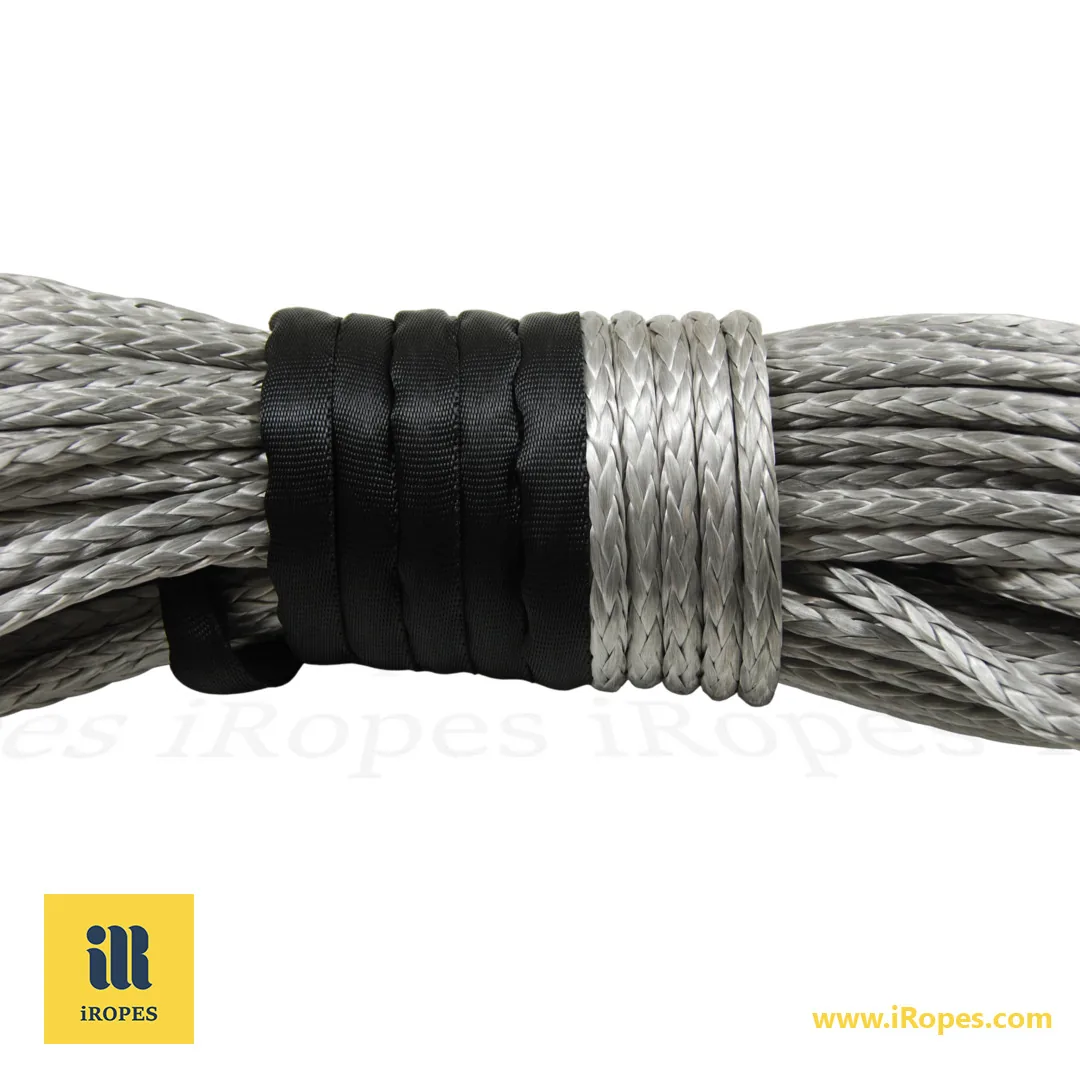
Mooring lines shock marine experts by going far beyond simple tying: they secure vessels against winds, waves, and currents, distributing loads to prevent drift and disasters. UHMWPE variants handle forces up to 7–10 times stronger than steel equivalents while ensuring 85% lighter setups for enhanced efficiency.
In 8 minutes, unlock mooring lines' hidden roles to boost your marine operations
- ✓ Master vessel stability and positional control, reducing surge by 50% through smart load distribution across head, stern, breast, and spring lines.
- ✓ Discover optimal materials like UHMWPE for 1.5–2x vessel-length applications, cutting weight by 85% while meeting regulatory compliance.
- ✓ Learn safety protocols to mitigate snap-back dangers (projectiles at 100+ mph), extending line lifespan with inspections every 6 months.
- ✓ Explore iRopes' custom OEM solutions for yachting to offshore platforms, ensuring ISO 9001-certified ropes tailored to your exact needs.
Imagine assuming mooring lines are just basic ropes for docking—yet they orchestrate a symphony of forces. From countering crosswinds to absorbing tidal surges, they play roles even seasoned captains sometimes overlook. What if your setup is unknowingly vulnerable to overloads that could snap lines at over 100 mph? Dive deeper to uncover these expert-level insights and transform how you secure vessels against unseen maritime threats.
Purpose of Mooring Lines: Securing Stability and Preventing Drift
Now that we've touched on what mooring lines are at their core, let's unpack their vital role on the water. The main purpose of mooring lines is straightforward yet profound: they secure vessels to fixed points like docks or buoys. This holds them steady against the unpredictable push of wind, waves, and currents. Without these ropes doing their job effectively, even the sturdiest ship could drift away, potentially leading to collisions or worse.
Have you ever watched a boat strain against its lines during a sudden gust? That's the purpose of mooring lines in action, providing an essential anchor in a fluid world. At the heart of this function is vessel stability and positional control. These lines work like invisible hands, keeping your boat exactly where you want it. Wind might try to swing the bow sideways, waves could lift and drop the stern, and currents pull relentlessly—mooring lines counteract all these forces. For instance, in a busy harbour, they ensure the vessel doesn't nudge into neighbouring boats or scrape the pier. It's not just about stopping movement; it's about precise positioning so operations like loading cargo or boarding passengers can happen safely and smoothly.
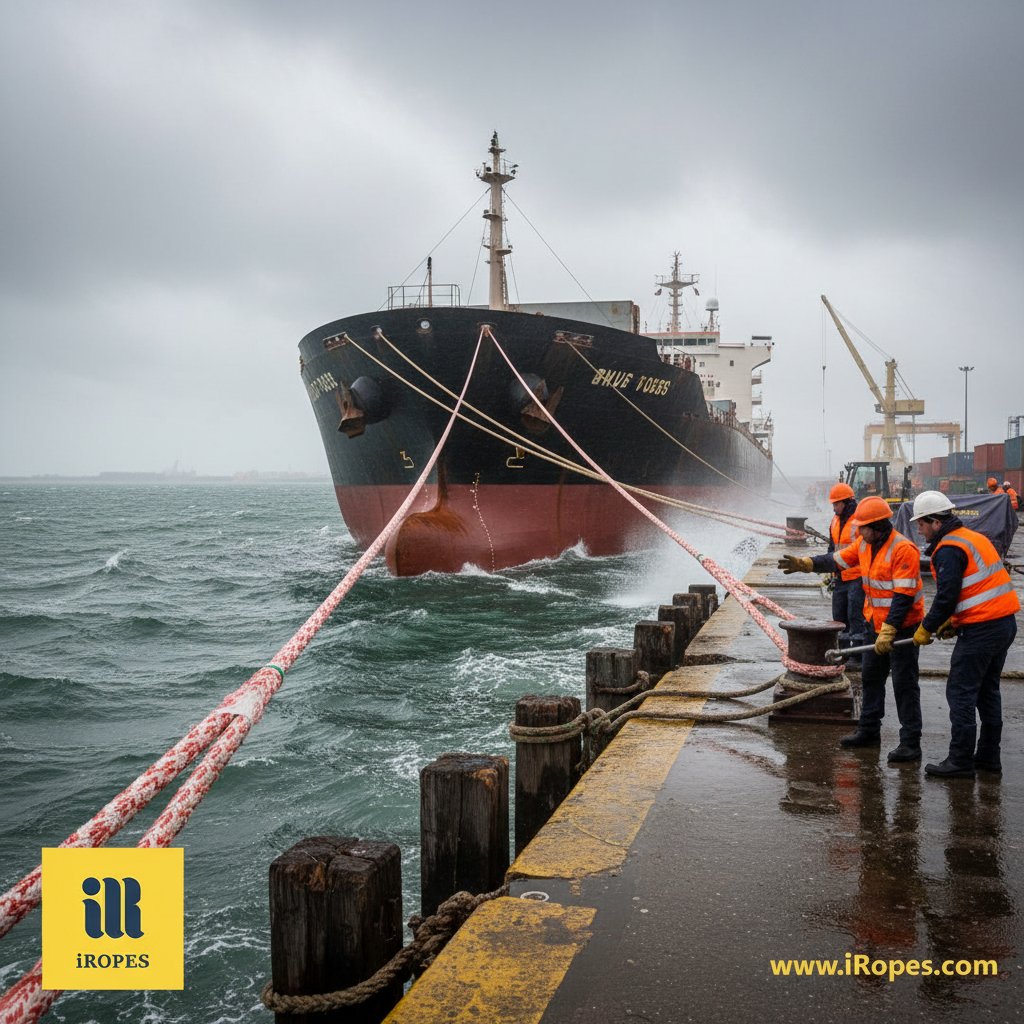
One key way they achieve this is through load distribution across multiple lines. No single rope handles everything alone; instead, a setup using several lines—perhaps forward, aft, and alongside—spreads out the dynamic forces at play. This configuration effectively manages surge, which is the forward-backward motion caused by waves or tides, by absorbing and redirecting energy. Picture a team of friends holding a heavy load together; if one tires, the others compensate. In marine terms, this prevents overload on any one line, reducing wear and the risk of sudden failure.
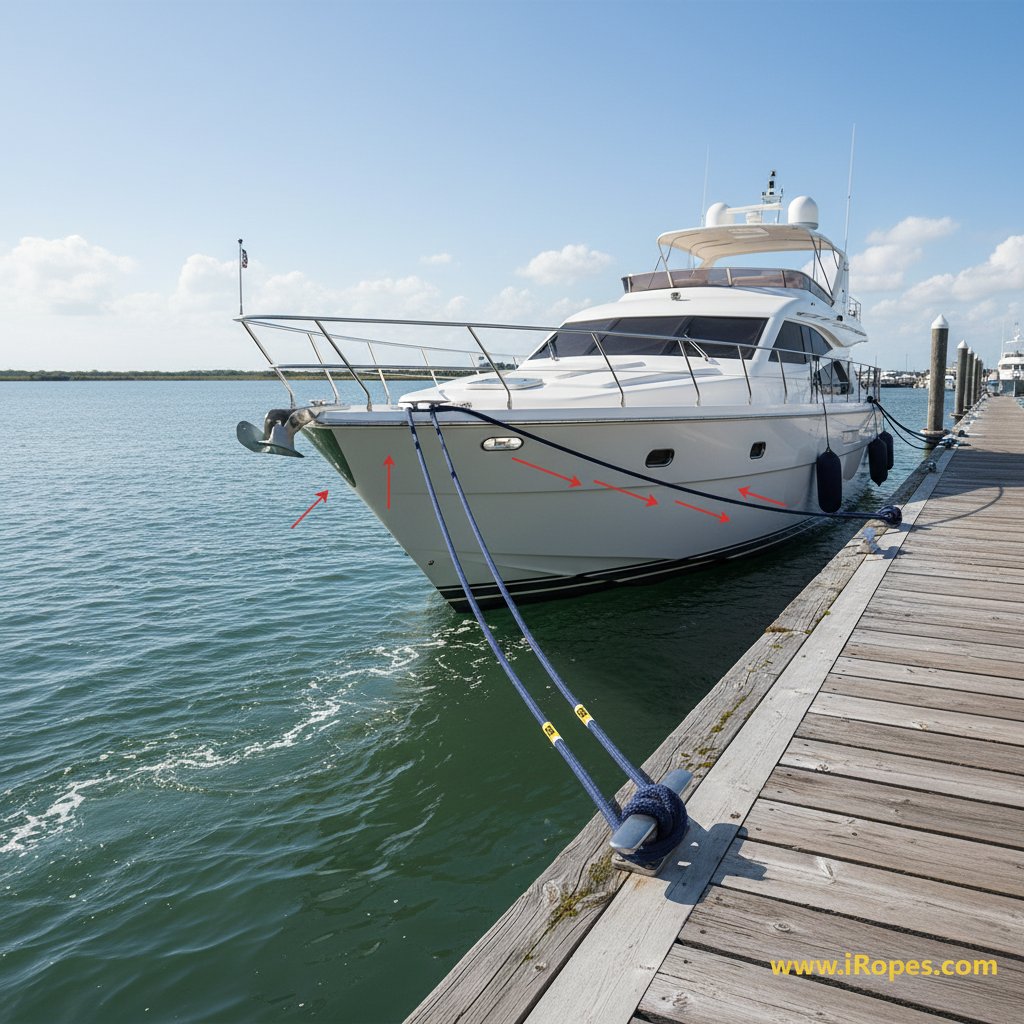
- Fore and aft lines – Control longitudinal surge, keeping the vessel from inching forward or backward along the dock.
- Breast lines – Hold lateral position, countering sideways drift from crosswinds or currents.
- Spring lines – Add diagonal tension to dampen overall movement, enhancing stability during tidal changes.
This distributed approach isn't just efficient—it's a cornerstone of safety. By protecting vessels, docks, and personnel from damage, mooring lines avert costly accidents. A loose line could mean a boat slamming into pilings, injuring crew, or even sparking environmental hazards from spills. I've seen it firsthand on a charter trip where strong, well-placed lines turned a stormy night into just a bumpy one; without them, we'd have been adrift. Ultimately, their role safeguards lives and infrastructure in ways that go beyond mere tying up.
For operations that demand reliability, iRopes steps in with custom solutions tailored to meet regulatory requirements. Our ropes are designed to comply with standards from maritime authorities, ensuring your mooring system handles specified loads without compromise. Whether it's adjusting for specific tensile strengths or incorporating features for harsh environments, these bespoke lines offer peace of mind. As we see how these basics play out, it's clear that real performance comes down to thoughtful design choices.
Mooring Lines Purpose: Functional Analysis in Marine Operations
Building on how mooring lines provide foundational stability, let's dive into their specific roles during everyday marine tasks. The mooring lines purpose extends to precise control, where different arrangements work together like a well-coordinated team to position your vessel exactly right. Imagine manoeuvring a yacht into a tight slip at a bustling marina—without the right lines, it'd be chaos. Instead, they guide and hold everything in place, making operations smoother and safer.
At the core of this function are the four main types of lines, each handling a unique aspect of vessel positioning. Head lines run from the bow to the dock, keeping the front from swinging out. Stern lines do the same from the rear, preventing the bow from drifting away. Breast lines pull perpendicular to the side, stopping sideways shifts from crosswinds. Spring lines, angled diagonally, manage forward and back motion to control surge from waves or tides. These aren't random; they're a deliberate setup for accuracy, turning potential drift into controlled stillness.
- Head lines secure the bow to maintain forward alignment during docking.
- Stern lines anchor the aft end, countering rotational forces.
- Breast lines hold lateral stability, essential in crowded harbours.
- Spring lines dampen longitudinal movement for efficient anchoring.
This functional setup plays a significant part in load distribution and surge control, especially when you're docking or anchoring. By spreading tension across these lines, they absorb shocks from sudden gusts or swells, reducing strain on any one point. This significantly boosts operational efficiency; think quicker tie-ups that let crews focus on cargo handling rather than constant adjustments. In my experience on a coastal trip, using spring lines properly cut our surge by half, making the whole process feel effortless instead of a fight against the sea.
When it comes to applications, these lines shine in yachting for sleek harbour berthing, on offshore platforms where they battle relentless currents for structural integrity, and in towing operations that demand unyielding grip during pulls. For the three main types of mooring ropes overall, it's chain for heavy seabed anchors, wire for maximum tensile strength in industrial setups, and synthetic fibres like nylon or polyester for versatile, lightweight handling. iRopes excels here with OEM customization, tailoring these to your needs—whether adding UV resistance for sunny yacht runs or extra elasticity for towing surges.
Ever wonder why we call them mooring lines? The term comes from the old verb "to moor," rooted in securing or anchoring a vessel firmly—a nod to centuries of sailors relying on ropes to stay put. This historical tie underscores their enduring role in marine work, where every line counts toward reliability. As these functions take shape in tough conditions, the choice of materials and construction becomes the next key to unlocking peak performance.
Mooring Line Used For: Diverse Applications and Material Choices
As those functional roles play out in real-world pressures, the materials and builds that go into mooring lines truly determine how well they hold up. What a vessel is secured with can make all the difference, whether in rough seas or calm harbours. Let's explore where these ropes come into play across various marine settings and why picking the right ones matters so much.
Mooring lines find their way into a range of demanding spots, starting with everyday dock and harbour work where they tie ships to piers and quays, keeping everything in line amid constant traffic and tidal shifts. Then there's buoy anchoring, where they connect vessels to floating markers for temporary holds, often in open water exposed to swells. For heavier duties, offshore oil platforms rely on them to stabilize massive structures against relentless ocean forces, while salvage operations use them to link towboats to distressed ships, pulling through storms without giving way. Each scenario calls for ropes that can take the abuse, and that's where thoughtful choices shine.
Key Materials
Tailored for Specific Demands
UHMWPE
Ultra-high-molecular weight polyethylene offers unmatched strength-to-weight ratio, low stretch for precise control, and resistance to abrasion, UV, and chemicals—ideal for offshore where every ounce counts.
Nylon
Known for high elasticity that absorbs shocks from waves, making it great for dynamic harbour mooring, though it necessitates protection from prolonged sun exposure.
Polyester
Balances strength with low elongation and excellent UV resistance, perfect for long-term buoy setups where durability in varying weather is key.
Construction Types
Built for Handling and Longevity
3-Strand Twisted
Simple and easy to handle for smaller boats, it provides good flexibility but requires regular checks for wear in salvage pulls.
Double-Braided
Combines a strong core with a protective cover for superior abrasion resistance, suited to offshore platforms enduring constant friction.
12-Strand Braided
Delivers high tensile strength and twist resistance for large-scale harbour ops, with iRopes' precision ensuring even tension distribution.
So, what's the best rope for mooring lines? It truly boils down to your specific setup. UHMWPE edges out for extreme strength in harsh spots like oil rigs, while nylon's elasticity makes it a go-to for bouncy conditions. iRopes' precision manufacturing allows us to tweak these for an exact fit, blending materials and builds to match your unique requirements.
When selecting, always start with vessel size; a bigger ship demands thicker diameters to handle heavier loads. Length-wise, aim for 1.5 to 2 times the boat's overall span to allow safe stretch without snapping. Buoyancy matters too—polypropylene floats for easy retrieval in buoy work, unlike sinking options which are ideal for secure anchoring. I remember outfitting a friend's trawler for rough coastal runs. Opting for polyester's steady hold turned what could have been a tense outing into a smooth sail. These decisions aren't just about specs – they keep things safe as you face more demanding waters.

Safety Considerations and Best Practices for Mooring Systems
Those choices in materials and lengths don't just affect performance—they're the frontline defence in keeping everyone safe on the water. When a line fails under pressure, the consequences can ripple out fast, turning a routine docking into an emergency. That's why understanding the risks and routines around mooring systems is non-negotiable, especially as vessels face everything from sudden storms to heavy swells in demanding spots like offshore rigs.
One of the most talked-about hazards is snap-back, where a taut line suddenly releases and whips back with ferocious speed. It acts like a high-tension cable under a slingshot. This dangerous phenomenon happens if a rope parts due to overload or wear, creating a danger zone that can span the length of the vessel—crew nearby risk severe injuries from the flying strands, which have been known to cut through metal or bone. I recall a near-miss on a fishing charter years back; a frayed line popped during a gust, and we all scattered just in time. Prevention starts with clear marking of these zones and never standing in the line's potential path.
Snap-back from mooring ropes poses a lethal risk: the sudden recoil can propel fragments at speeds over 100 mph, causing blunt trauma, lacerations, or fatalities. Always establish exclusion areas and use barriers during handling.
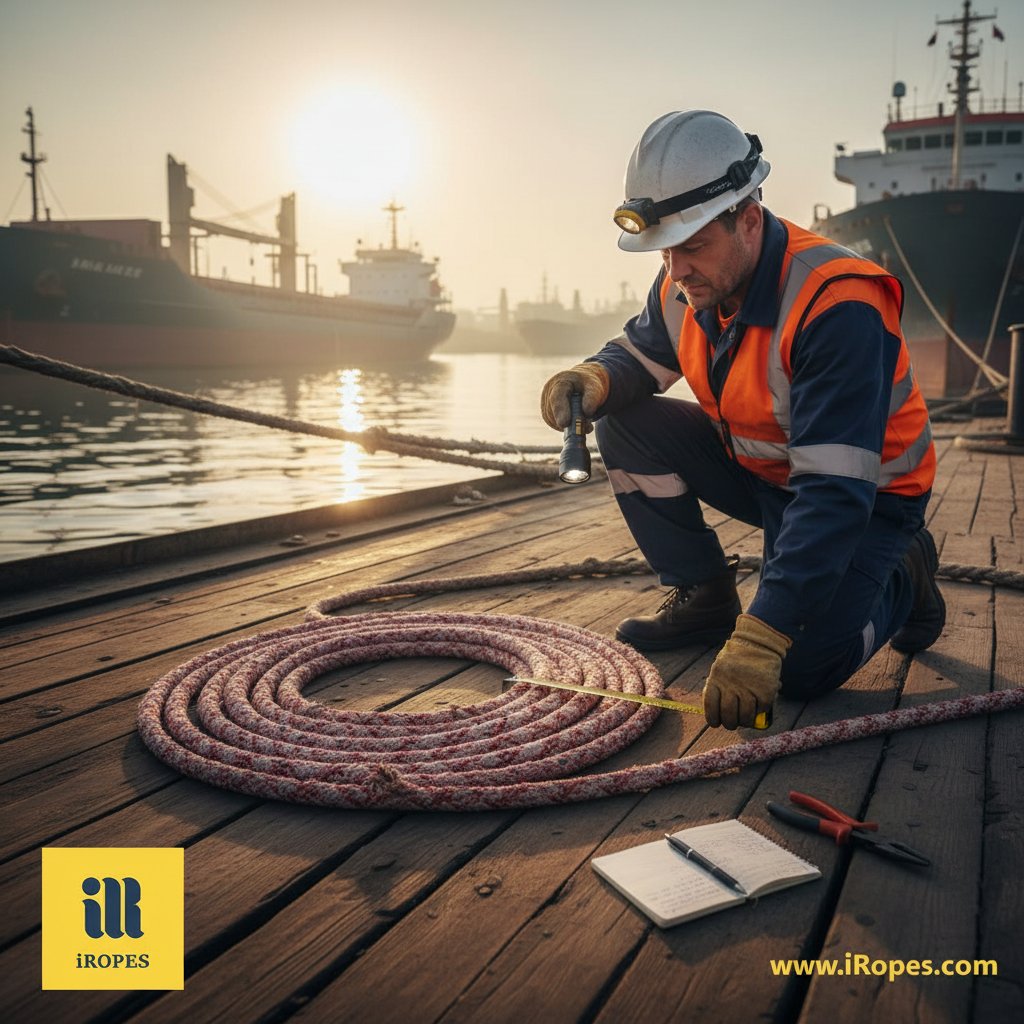
To counter this and other threats, regular inspection protocols are key—check for frays, cuts, or stiffness that signal weakness. Chafe protection, like adding sleeves or guards where lines rub against cleats or pilings, stops abrasion from eating away at the fibres over time. Have you ever felt that rough scrape on your hands from a worn rope? That's chafe in action, and it weakens lines quicker than you'd think. Wrapping those contact points with durable covers makes a real difference in preventing premature wear.
For commercial setups, regulatory bodies like the IMO set strict standards, mandating lines that meet load limits to avoid overloads. Terms like MBS (Minimum Breaking Strength) tell you the maximum pull before failure; FOS (Factor of Safety) builds in a buffer, typically 5:1, for unexpected spikes; and WLL (Working Load Limit) caps daily use at a safe fraction of MBS. Maintenance here ramps up—inspections every six months or after heavy use, with full replacement if degradation hits 10% of original strength. How often should you inspect and replace mooring lines? For pros, it's after every major operation or annually at minimum; recreational users can stick to pre-season checks and swap every two to three years, depending on exposure. This diligence ensures compliance and mitigates hazards.
iRopes backs this commitment with ISO 9001-certified production, crafting ropes that incorporate reflective strips for better night visibility or glow elements to spot lines in low light, cutting accident risks during dusk manoeuvres. We also offer eco-friendly variants from recycled synthetics that hold strength without harming marine life, pairing well with proper storage—keep them coiled loosely in shaded, dry spots to fend off UV and mildew. These steps not only extend a line's life but weave safety into every tie-up, setting the stage for systems that perform reliably across all conditions.
Delving into the purpose of mooring lines reveals their critical role beyond simple tying, as they stabilise vessels against wind, waves, and currents while ensuring precise positioning through head, stern, breast, and spring configurations. The mooring lines purpose shines in load distribution and surge control, preventing drift and overload in yachting, offshore platforms, and towing operations. From dock mooring to buoy anchoring and salvage, these ropes—crafted from UHMWPE for strength or nylon for elasticity—demand careful selection based on vessel size and environmental needs. Safety hinges on mitigating snap-back risks, regular inspections for chafe, and adherence to regulatory standards like MBS and WLL, where iRopes' ISO-certified custom solutions provide reliable, compliant performance.
Armed with this insight into how mooring lines safeguard marine operations, imagine tailoring them to your specific challenges for even greater efficiency. For personalised guidance on the best mooring line used for your setup, our experts at iRopes can help refine your choices.
Connect with iRopes for Tailored Mooring Line Solutions
If you're ready to explore custom OEM/ODM options or need advice on mooring systems, the inquiry form above is your direct line to our team. We're here to elevate your maritime safety and operations with precision-engineered ropes.
Related reading: Why Double Braid Lines Dominate Marine Without the Hassle