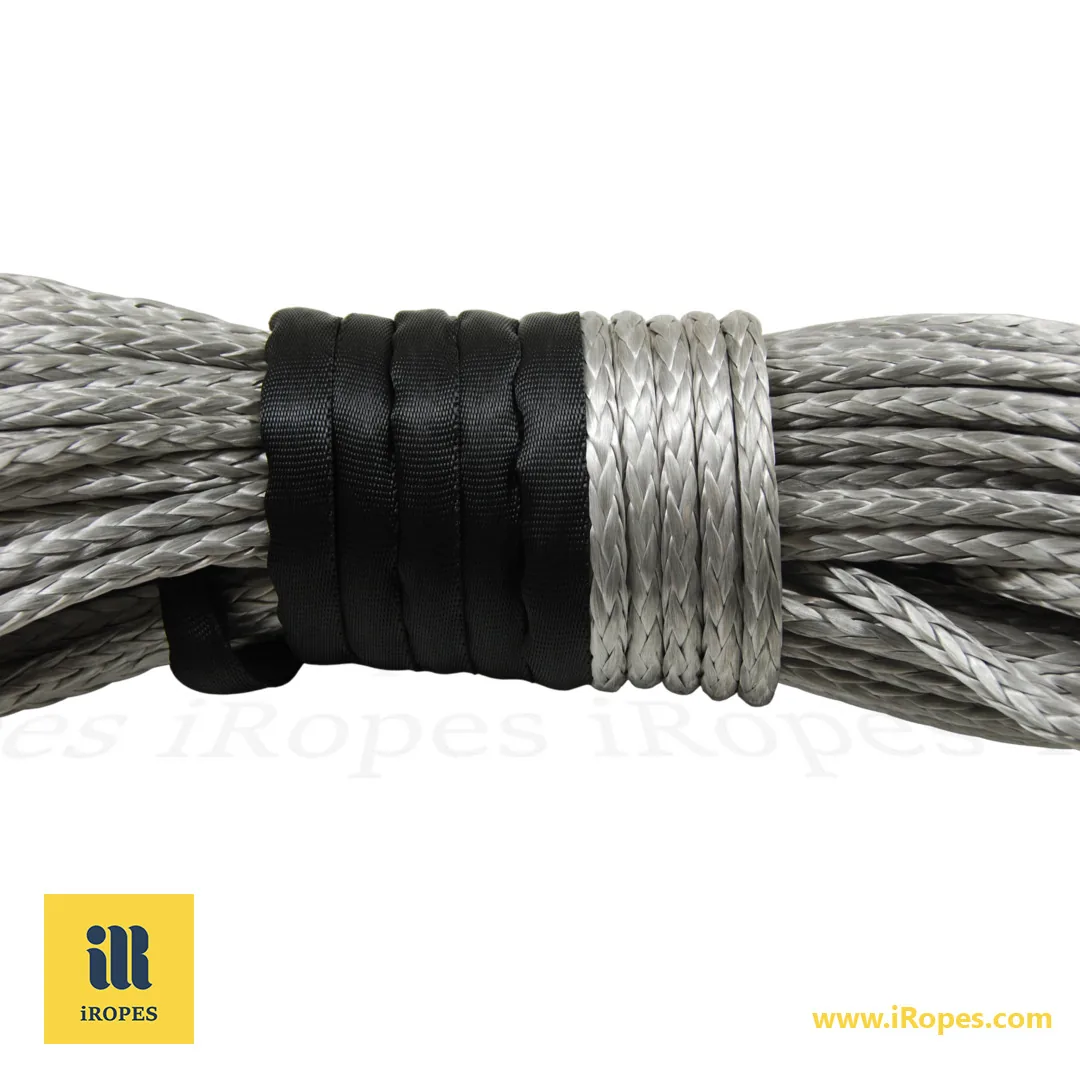
A 12‑strand UHMWPE rope delivers steel‑cable breaking strength at about one‑seventh the weight—around 10,000 lb on a 3/8‑inch line, reducing the weight you carry on the drum by roughly 86%.
Key benefits (≈5‑minute read)
- ✓ About 86% weight reduction vs steel for easier handling and quicker spooling.
- ✓ Very low stretch for smoother, more controllable pulls.
- ✓ Dual spliced eyes with wear‑pads or a tube thimble, plus one hook, provide versatile, abrasion‑resistant terminations.
- ✓ ISO 9001 certified production and full IP protection ensure consistent quality and peace of mind.
You’ve probably heard that only a steel cable can survive a hard pull, yet most off‑road pros now trust synthetic lines for UTVs. The best UTV winch rope is typically a 12‑strand UHMWPE that matches steel’s breaking strength at a fraction of the weight. In this guide, you’ll learn how to choose the best winch extension rope and the right synthetic winch line extension for your utility terrain vehicle (UTV), and how iRopes can build a custom solution to your spec.
best winch extension rope
After covering why a reliable winch line matters, it’s time to ask what a winch extension rope actually does for off‑road UTV use. In simple terms, it lengthens the reach of your winch without sacrificing the pulling power you need when you’re stuck in mud or on a steep hill.
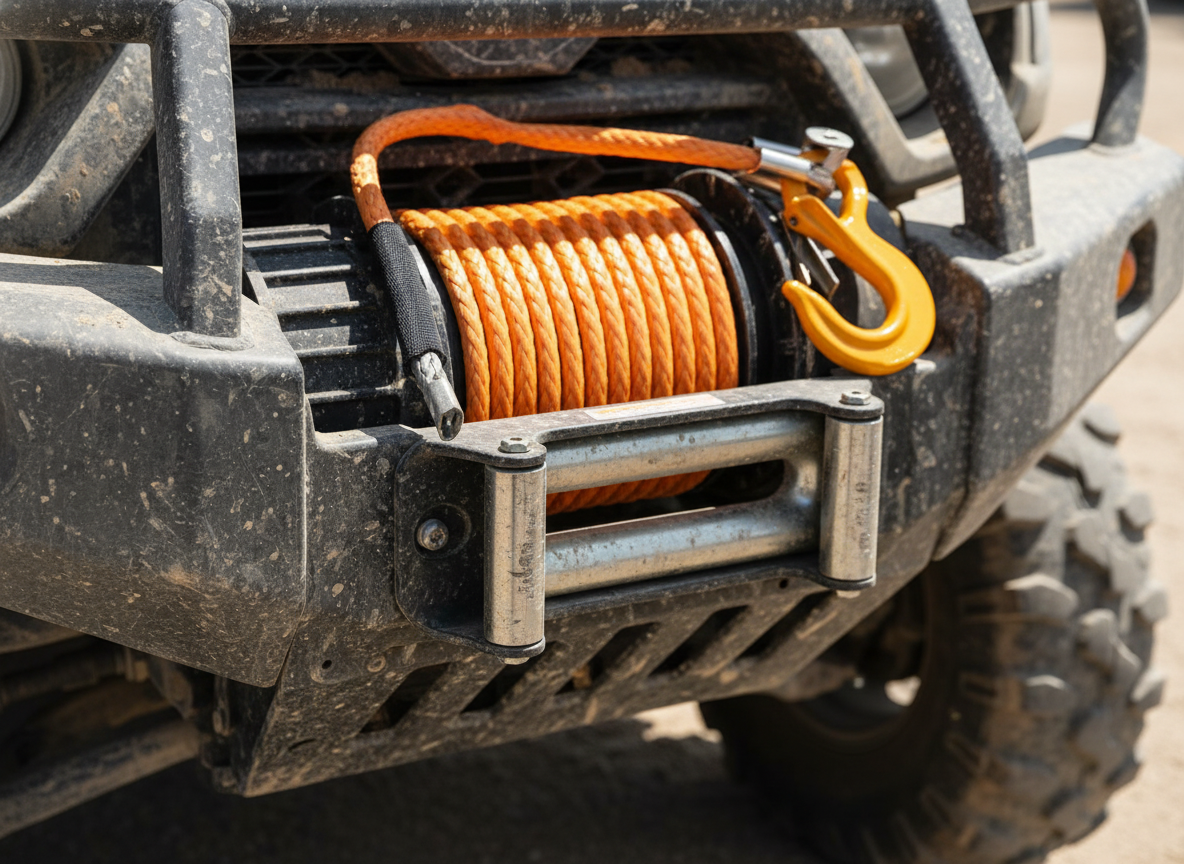
The biggest advantage of a synthetic extension is the dramatic weight saving — a 3/8‑inch rope can weigh about one‑seventh of comparable steel yet pull just as hard. Less weight makes handling simpler, spooling quicker, and the rope’s very low stretch delivers a smoother, more controllable pull.
- Weight reduction – synthetic lines weigh roughly one‑seventh of an equivalent steel cable, easing handling and reducing the load on your winch.
- Safety on recoil – if the line snaps, the lightweight fibre stores less energy, dramatically lessening the danger of a whipping cable.
- Compact storage – an extension coils into a small bag, freeing space compared with bulky steel spools.
When it comes to material families, three groups dominate the market:
- Dyneema Sk‑75 – the top performer, offering the highest tensile strength per diameter; it’s the go‑to for demanding recoveries.
- Dyneema Sk‑60 – strong and cost‑effective, ideal for modest‑capacity winches.
- 12‑strand UHMWPE – a versatile construction that delivers steel‑like strength at one‑seventh the weight, often paired with wear‑pads or tube thimbles for added durability.
What is the strongest synthetic winch rope? Dyneema Sk‑75 is widely regarded as the strongest mainstream synthetic fibre for winch lines. It offers exceptional tensile strength with very low stretch, typically delivering around 10,000 lb breaking strength for a 3/8‑inch line while weighing about one‑seventh as much as steel.
“Dyneema Sk‑75 offers the highest tensile strength; the only downside is cost.” – Master Pull
Understanding these basics sets you up to choose the correct diameter and length for your specific winch. Having clarified the fundamentals, we now move to selecting the right size and length to match your UTV’s winch capacity.
synthetic winch line extension
Now that you understand why a synthetic line often outperforms steel for UTV recovery, let’s translate that knowledge into the exact size and length you need. Choosing the correct diameter keeps the winch within its designed safety factor, while a practical extension length ensures you can reach a safe anchor point.
- 1/4‑inch – suits winches rated up to 5,000 lb.
- 3/8‑inch – ideal for 8,000–12,000 lb winches.
- 7/16‑inch – handles 13,000 lb and larger.
When you match a rope’s breaking strength to the winch’s pull rating and then apply a safety factor of at least 1.5, you create a margin that protects against overloads on steep climbs or muddy pulls. For example, a 3/8‑inch UHMWPE line rated 10,000 lb comfortably supports a 6,500 lb winch when you observe that factor.
Length matters as well. Pick a synthetic winch line extension that reliably reaches common anchors without carrying unnecessary bulk — many off‑roaders choose 20–50 ft. Pair the extension with two spliced eyes fitted with wear‑pads or a tube thimble, plus one hook at the free end; this configuration offers versatile attachment points while protecting the fibres from abrasion.
Why go synthetic?
A synthetic winch line extension is roughly one‑seventh the weight of an equivalent steel cable, which makes handling easier and spooling faster. If the line ever parts, its low mass reduces recoil energy, significantly lowering the danger of a whipping cable.
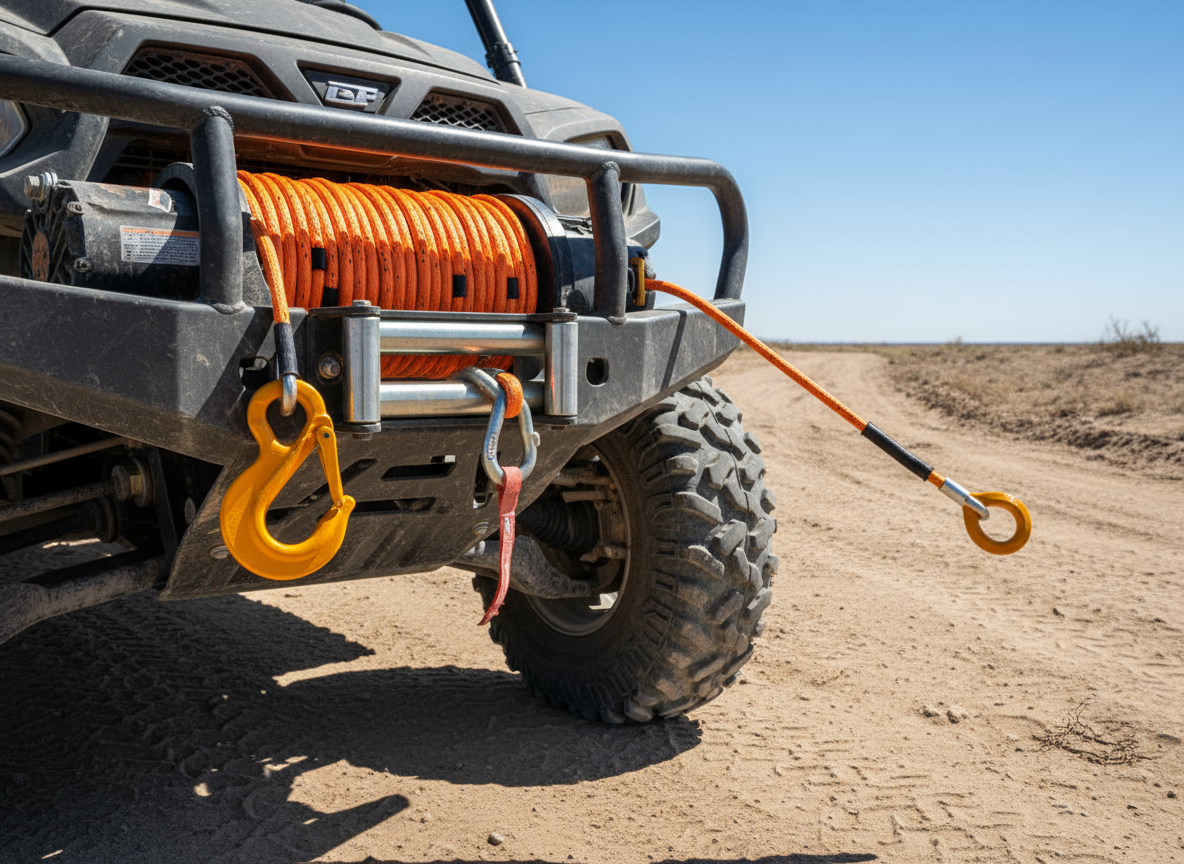
With the correct diameter, length, and termination set, you’ll notice pulls feel smoother and the whole recovery process runs more safely. The next step is to compare off‑the‑shelf options with iRopes’ custom‑built solutions that add measurable value.
best utv winch rope
Now that you know how to match rope diameter and length to your winch’s rating, decide whether an off‑the‑shelf line or a tailor‑made solution delivers the performance you need on the trail.
Among ready‑made options, look for transparent specs and fair pricing. As a guide, a 3/8‑inch Sk‑75 extension typically lists around 10,000 lb breaking strength and falls in the US $120–$200 range, with warranty terms varying by brand.
3/8‑inch Sk‑75 Line — quick reference
Breaking strength ≈ 10,000 lb; about one‑seventh the weight of comparable steel; common extension lengths 20–50 ft. Suitable for higher‑capacity UTV winches and light 4x4 applications when sized with a ≥1.5 safety factor.
iRopes takes that baseline and lets you customise every variable. Choose a 12‑strand UHMWPE core for ultra‑low stretch, select any colour or add reflective elements for night‑time visibility, and specify the exact length you need. Our OEM/ODM workflow (Original Equipment Manufacturer/Original Design Manufacturer) begins with design support, moves through ISO 9001 certified production with skilled craftsmen, and ends with secure IP (intellectual property) protection, customer‑branded or non‑branded packaging, and direct pallet shipping worldwide.
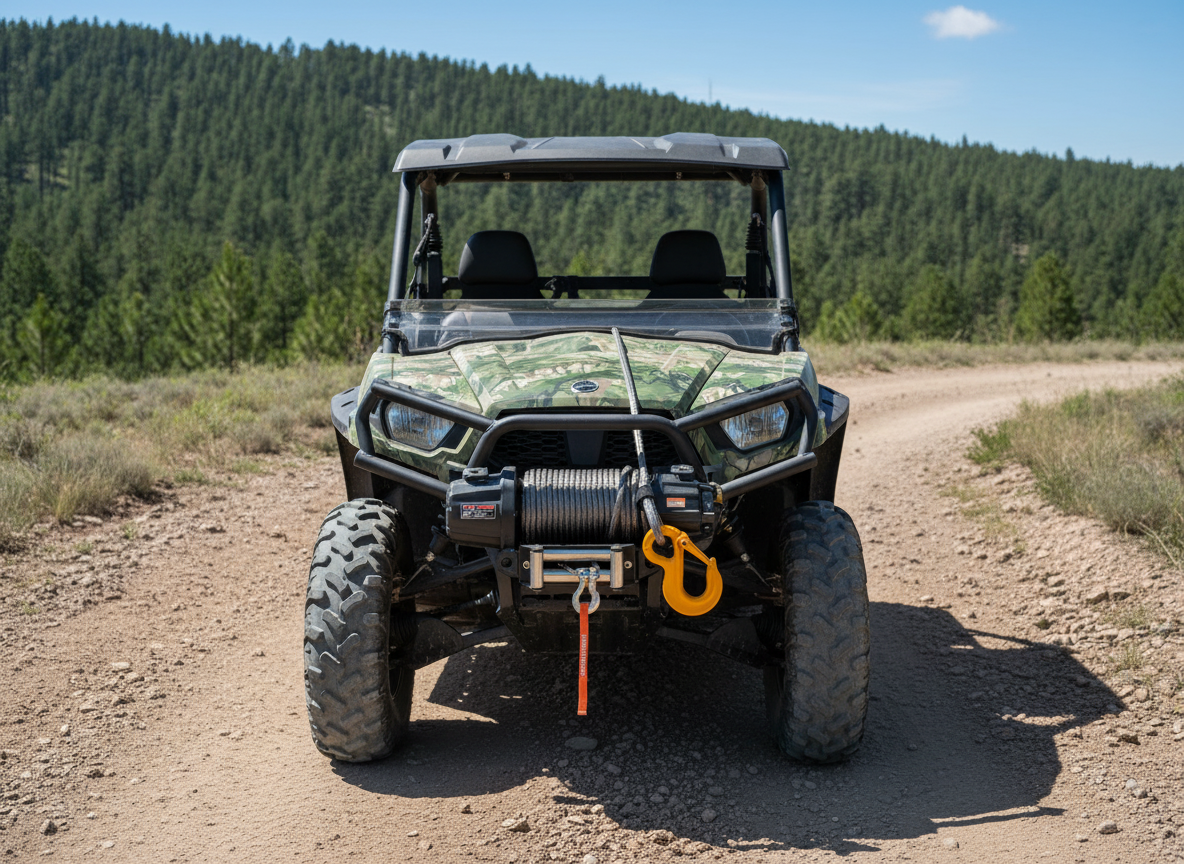
That dual‑eye setup — each eye finished with either a wear‑pad sleeve or a tube thimble, plus a dedicated hook — lets you clip to a recovery point or towing eye without re‑splicing. The result is a single rope that adapts to multiple recovery strategies while staying within the safety factor you calculated earlier.
When you compare synthetic lines to traditional steel cables, the safety debate often comes up. Below is a concise pros‑and‑cons breakdown that answers the most common question.
- Pros – lighter weight reduces handling effort, low‑stretch pull improves control, and a broken line poses far less recoil danger.
- Cons – UV exposure can degrade fibres over time, freezing moisture can stiffen the line, and upfront cost is higher than plain steel.
With those considerations in mind, you’re ready to pick the option that balances price, durability, and performance for your specific UTV. The next section will walk you through the essential safety checks and maintenance habits that keep any winch rope – off‑the‑shelf or custom – operating at its peak.
Safety, Maintenance & Frequently Asked Questions
Now that you’ve sized the perfect synthetic winch line extension for your UTV, keeping it in top condition is the next essential step. A well‑maintained rope retains its breaking strength and helps prevent failures that could otherwise lead to dangerous recoil.
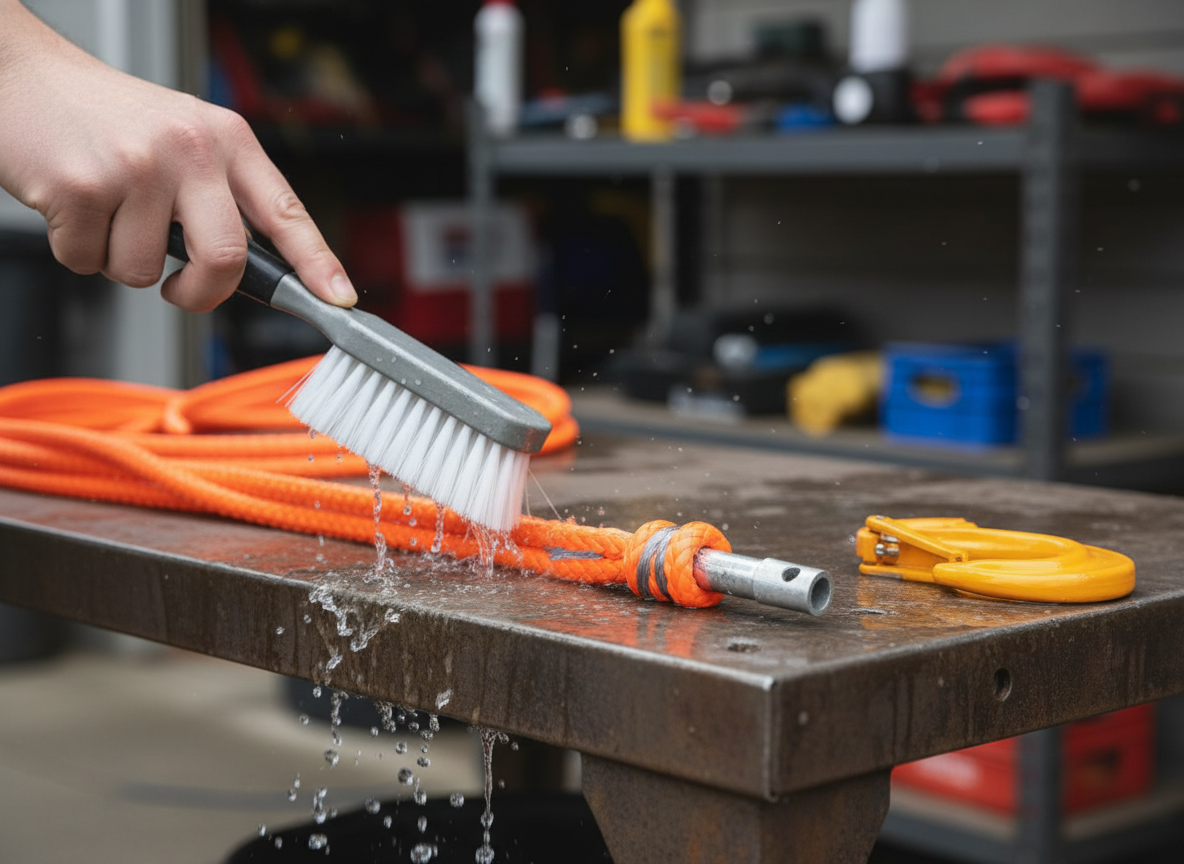
Start each maintenance session with a mild soap‑and‑water rinse. Avoid high‑pressure jets that can force water and grit into the fibres. After rinsing, shake the rope gently to dislodge excess water, then dry it fully in the shade. Store the coil off‑drum in a breathable bag to prevent moisture issues. Before every outing, inspect wear‑pads, the tube thimble, and all spliced eyes for cuts, abrasion, glazing, or softened sections.
When it comes to safety, synthetic lines already win the recoil battle because their low mass stores less energy. However, they do have drawbacks you should manage. Below is a concise list of the most common disadvantages, presented with the recommended ≥1.5 safety factor in mind:
- UV exposure can gradually degrade fibres, reducing strength over time.
- Moisture can stiffen the rope in freezing conditions.
- Initial cost is higher than a comparable steel cable.
- Heat from prolonged winching can soften the polymer if the drum overheats.
- Improper splicing or damaged terminations create weak points.
Mitigation is straightforward. Apply a UV‑resistant spray after cleaning, keep the rope out of direct sunlight when stored, and always use the recommended spliced‑eye configuration — two spliced eyes with wear‑pads or a tube thimble, plus one hook for versatility. If you notice fraying, glazing, or a noticeable colour change, replace the line before it reaches its service limit.
Here are quick answers to frequently asked questions when owners compare synthetic winch ropes to steel cables:
- Are synthetic winch ropes safer than steel cables? Yes – the lighter mass reduces recoil risk, and the low‑stretch pull improves control. For a deeper look, see our guide on why choose synthetic winch cable replacement.
- What is the strongest synthetic winch rope? Dyneema Sk‑75 leads for tensile strength and low stretch, typically around 10,000 lb for a 3/8‑inch line at about one‑seventh the weight of steel.
- What size synthetic winch rope for UTV? 1) 1/4‑inch for ≤5,000 lb winches. 2) 3/8‑inch for 8,000–12,000 lb. 3) 7/16‑inch for ≥13,000 lb. Always apply a ≥1.5 safety factor.
- How do I maintain a synthetic winch rope? Clean with mild soap, dry fully in the shade, store off‑drum, and inspect eyes, thimbles, and sleeves before each trip.
- How durable is a synthetic line? With proper care, high‑grade UHMWPE can last 5–7 years. Lifespan depends on UV exposure, abrasion, heat, and maintenance.
- Is a custom colour option worth the extra cost? For branding and visibility, bright or reflective colours add safety and value. Many buyers find the premium worthwhile.
- How much more does a custom synthetic line cost? Off‑the‑shelf 3/8‑inch models are typically US $120–$200; a customised iRopes rope is about 30% more but includes OEM/ODM design, ISO 9001 quality assurance, and IP protection.
Before each off‑road adventure, perform a quick visual check: look for faded colour, exposed fibres, or cracked wear‑pads. If anything seems off, replace the rope — safety always outweighs the cost of a new line.
Ready to upgrade or need a rope that matches your exact winch rating? iRopes offers a free custom‑quote service that lets you specify diameter, length, colour, and termination style. Click here to request your personalised synthetic winch line extension and enjoy the confidence of a rope built to your exact specifications.
Get a personalised synthetic winch rope quote
By now you understand that the best winch extension rope for a UTV combines a lightweight 12‑strand UHMWPE core, very low stretch, and steel‑cable strength at about one‑seventh the weight, finished with two spliced eyes with wear‑pads or a tube thimble (and one hook). Applying a 1.5 safety factor and matching diameter to winch capacity ensures reliable performance, while a synthetic winch line extension reduces weight and recoil risk. This guide highlighted the best UTV winch rope choices, from ready‑made Sk‑75 options to fully customisable iRopes solutions.
If you’d like a rope tailored to your exact specifications, fill out the form above and our specialists will work with you to design the perfect line — backed by ISO 9001 quality, OEM/ODM expertise, secure IP protection, flexible branding, and on‑time global shipping.