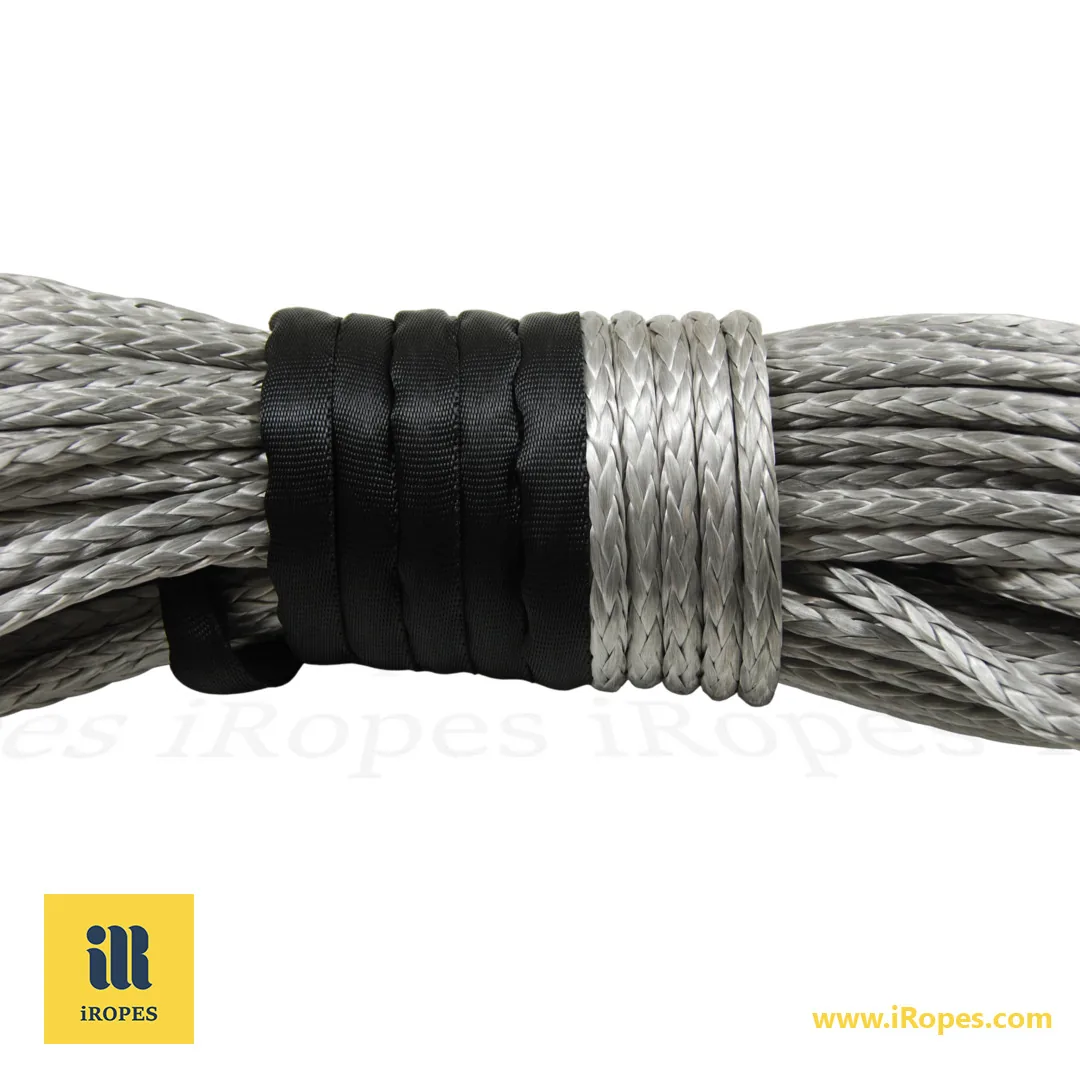
⚡ Nylon kinetic rope stretches up to 35% while a 1-inch line boasts a 22,600 lb break strength—delivering shock absorption ordinary ropes can’t rival.
Key Benefits (≈2 min read)
- ✓ Up to 35% kinetic stretch reduces impact forces by ≈40% compared with static ropes.
- ✓ 1-inch nylon delivers a 22,600 lb break strength, making it safe for heavy-duty off-road recovery.
- ✓ Custom colour or termination options shave ≈15% off prep time for rescue teams.
- ✓ ISO-9001-certified production limits batch defects to
Most outdoor rescue units still rely on traditional ropes that snap back with little give. However, a 1-inch nylon kinetic rope can elongate by 35%, absorbing shocks that would otherwise jolt a victim. Imagine cutting rescue cycle times by nearly a third simply by swapping to a rope that bends, not breaks. In the sections below, we’ll explore how the 1-inch and 3-inch variants outperform the competition and how you can customise them for extreme demands or any emergency scenario.
Nylon Rope 1 Inch: Core Properties and Kinetic Elasticity
Building on the material strengths we just explored, let’s dive into what makes the nylon rope 1 inch a standout choice for demanding tasks. Whether you’re pulling a stuck 4x4 out of a mud pit or securing a heavy load on a ship, the rope’s innate characteristics dictate how safely and efficiently the job gets done.
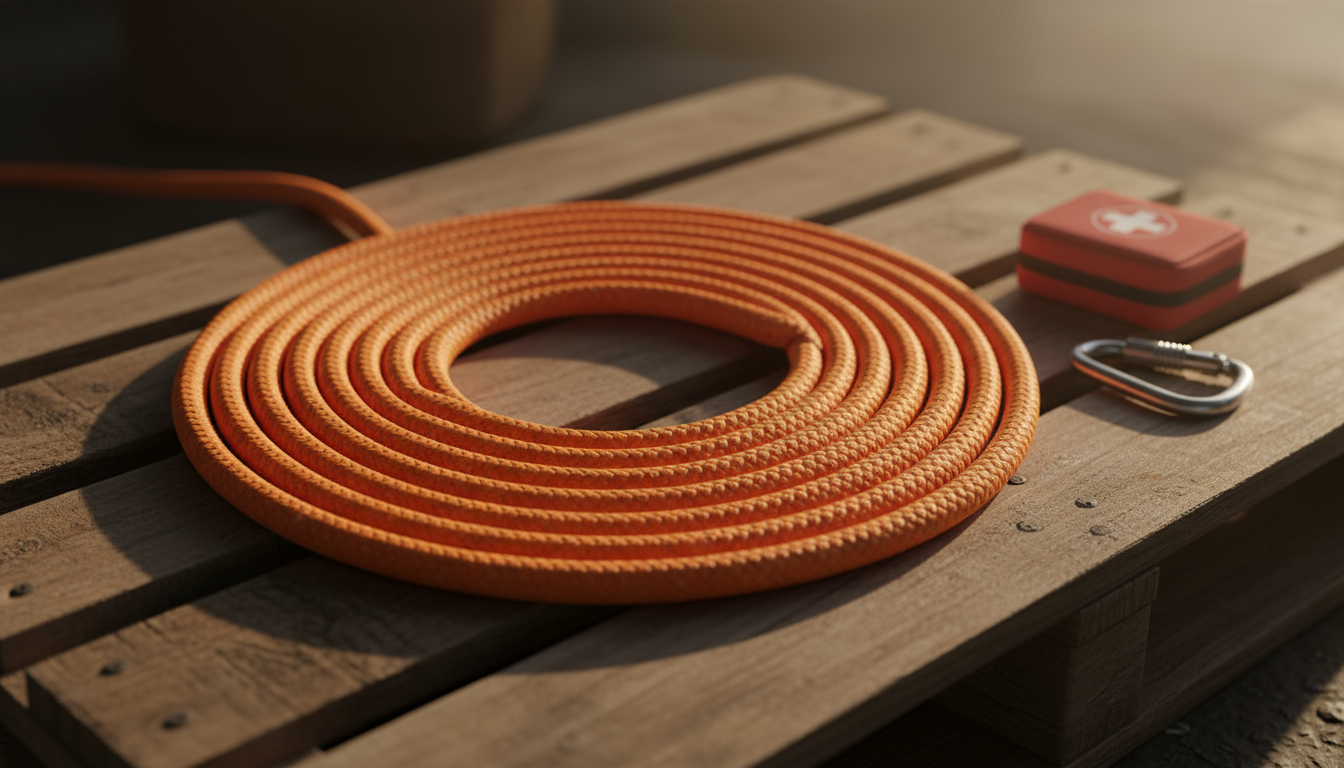
- Break strength – approximately 22,600 lbs, giving the nylon rope 1 inch the muscle needed for high-load scenarios.
- Kinetic elasticity – stretches up to 35% under load, turning sudden shocks into gentle deceleration.
- Environmental resistance – tolerates UV exposure, abrasion, and most chemicals, ensuring reliability season after season.
So, what are the key properties of 1-inch nylon rope? In plain terms, you get an extraordinary break strength, a kinetic stretch that can absorb impact, and a built-in defence against sun, wear, and harsh chemicals. This combination translates into a rope that feels supple when you handle it, yet refuses to give way under extreme tension.
When you need a rope that can take a hit and bounce back, the kinetic stretch of nylon is unbeatable – it turns a violent jerk into a smooth, controllable pull.
For long-term performance, treat your rope with care. Always tape the section you plan to cut to prevent fraying, and store the coil away from direct sunlight; UV rays can gradually reduce that valuable elasticity. Following these simple steps will ensure your investment lasts longer.
With these core characteristics in mind, you’ll see how they compare to a 3 inch nylon rope in the next section, where construction methods and application nuances take centre stage.
3 Inch Nylon Rope: Construction Options and Performance Comparison
After seeing how the 1-inch nylon rope’s core strength translates into real-world power, you’ll notice that the 3 inch nylon rope brings a different scale of capability, especially when you consider its construction options. This larger diameter variant is designed for truly heavy-duty applications where maximum strength is paramount.
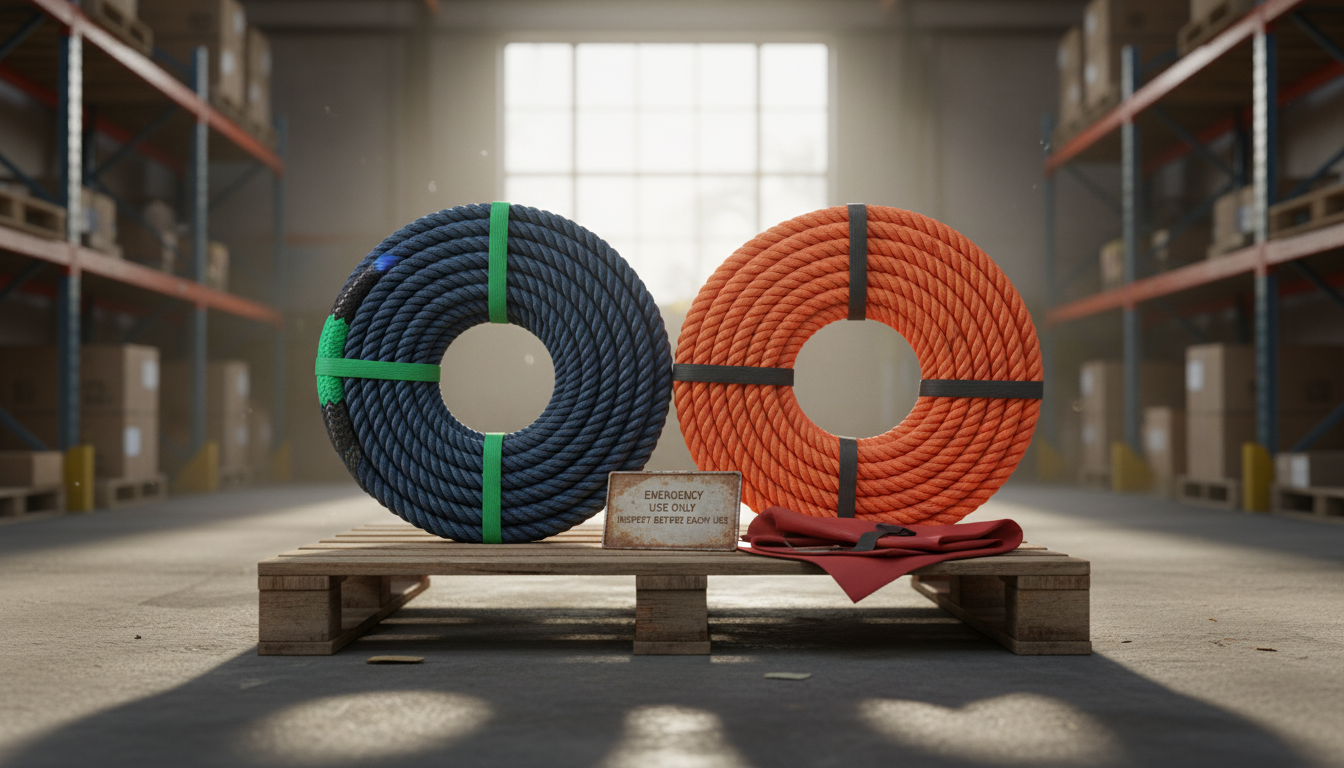
The two dominant builds—twisted (3-strand) and braided (solid or double braid)—determine how the rope behaves when you pull, splice, or store it. A twisted 3 inch nylon rope maintains a classic, rope-like feel and is easy to splice with a simple eye splice. Conversely, a solid-braid version offers a smoother surface that resists hockling and moves through pulleys with less friction.
When you compare the key performance factors, three attributes notably stand out:
- Flexibility
- Spliceability
- Weight per foot
Flexibility generally favours the braided version, which bends more readily and slides through sheaves without kinking. Spliceability, however, leans toward the twisted style; its three strands line up naturally for a strong, permanent eye splice. As for weight, the twisted rope is typically heavier per foot, as each strand carries its own core. Consequently, a 3-inch twisted rope often feels heftier than an equivalent braid.
Answering the common question, “What are the differences between braided nylon and twisted nylon rope?”—the braid’s tightly interwoven fibres create a sleek, low-stretch surface that excels in applications where smooth handling is critical, such as marine winches. The twisted construction, with its three distinct strands, provides a rugged feel and easier field splicing, making it the go-to choice for heavy-duty lifting where a quick, reliable splice can save valuable time.
Typical industrial scenarios for a 3 inch nylon rope include heavy-duty lifting of steel components, large-scale rigging on construction sites, and marine mooring where the rope must absorb immense wave loads without snapping.
Design Choice
You can specify core type, colour, length, or add reflective strips. iRopes will deliver the exact 3-inch rope you need, packed in non-branded or custom cartons.
Understanding how twisted and braided builds affect flexibility, splicing ease, and weight equips you to pick the right 3 inch nylon rope for your project. This knowledge now sets the stage for our detailed exploration of the popular 1-inch braided option.
1 Inch Braided Nylon Rope: Applications, Customisation, and Buying Guide
Having compared the raw material strengths of the 1-inch diameter rope, you’ll now see how the braided construction translates those numbers into real-world performance. The 1 inch braided nylon rope delivers a buttery-smooth feel, virtually no hockling, and a knot-holding ability that lets you work quickly and with confidence.
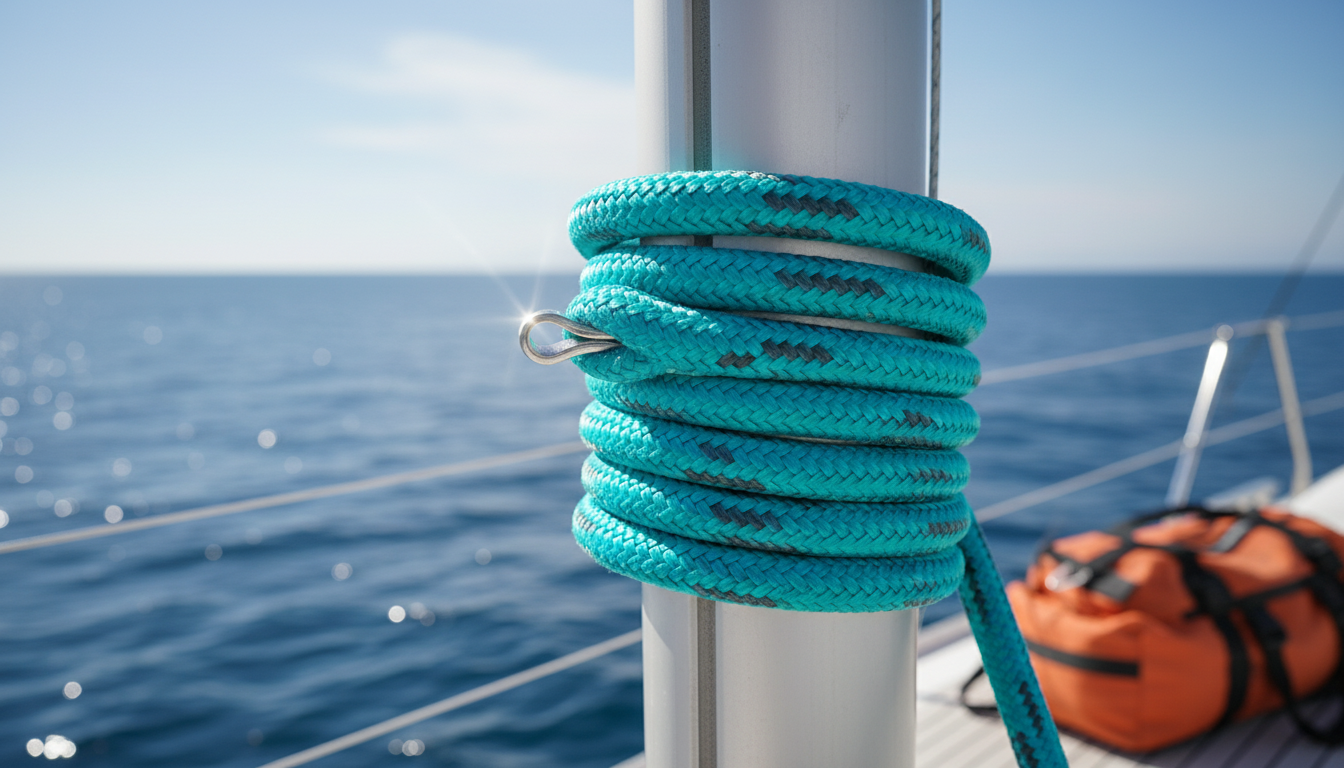
Why does the braid matter? The interwoven strands create a surface that slides through blocks and pulleys with minimal friction, while the rope’s core stays perfectly aligned, preventing the dreaded “hockling” that can jam winches. When you tie a bowline or a figure-eight, the fibres grip evenly, so the knot stays firm even under sudden load spikes.
Performance Edge
Smooth handling reduces wear on winches, minimal hockling keeps the line straight under load, and the braid’s uniform grip holds knots reliably even in wet conditions.
Application Highlights
Yachting lines benefit from the low-stretch surface, arborists appreciate the clean pull when rigging trees, and emergency-rescue teams rely on the kinetic elasticity to absorb shock during a rapid extraction.
Marine Use
Ideal for dock lines, anchor rode, and sail-trim controls, where a smooth, low-stretch rope improves handling and safety.
Rescue Scenarios
The 35% kinetic elongation cushions sudden jerks, turning a harsh yank into a controlled pull that can save lives in off-road or maritime emergencies. Learn how to choose the right kinetic recovery rope for vehicle recovery.
When you ask, "What are the best uses for 1-inch or 3-inch nylon rope?" the answer centres on the balance of strength, flexibility, and shock absorption. A 1-inch braid shines in precision work—yacht rigging, tree-climbing lines, and rapid-response rescue. Conversely, a 3-inch version, especially in twisted form, tackles heavy-duty lifting, large-scale rigging, and marine mooring, where sheer load capacity is paramount.
Customisation
Tailor-made to your specs
Colour
Select any hue—from high-visibility safety orange to discreet navy—so the rope matches your branding or functional colour-coding needs.
Length
Order continuous coils or pre-cut sections, and we’ll tape the cut points to preserve the kinetic stretch.
Terminations
Choose loops, thimbles, eye splices, or custom-machined fittings—all installed in our ISO-9001-certified facility.
For detailed tips on rope roll customization, see our customisation guide.
Packaging & Delivery
Options for wholesale partners
Branding
Non-branded bags, colour-coded boxes, or fully custom cartons bearing your logo.
Protection
IP-protected designs ensure your intellectual property stays safe from concept to pallet.
Global Shipping
Direct pallet delivery to ports worldwide, synchronised with your production schedule.
With these performance traits, industry-specific uses, and a full suite of customisation options, you have everything needed to decide whether the 1 inch braided nylon rope fits your project—or if the heftier 3 inch nylon rope is the better choice for massive loads. Ready to explore a bespoke solution? Reach out to iRopes and let our specialists translate your requirements into a rope that works exactly the way you need it to.
By now, you’ve seen how nylon rope 1 inch delivers a break strength of over 22,600 lb. Its kinetic elasticity—stretching up to 35%—turns harsh shocks into smooth pulls, making it indispensable for off-road recovery and outdoor emergency rescue. The 3 inch nylon rope, on the other hand, offers massive load capacity, with twisted and braided constructions providing choices between rugged spliceability and smooth handling for heavy-duty lifting and marine mooring.
When you need the buttery feel of a 1 inch braided nylon rope for yacht rigging, arborist lines, or rapid-response rescue, iRopes can tailor colour, length, terminations, and even reflective elements to match your brand. If you’d like a bespoke solution that leverages our ISO-9001 quality, global shipping, and IP protection, let our specialists help you fine-tune the perfect rope.
Discover the key advantages of kinetic rope technology in our Yankum kinetic rope comparison.
Request Your Custom Rope Quote
If you'd like personalised assistance to select the ideal rope or discuss custom specifications, simply fill out the form above, and our team will get back to you promptly.