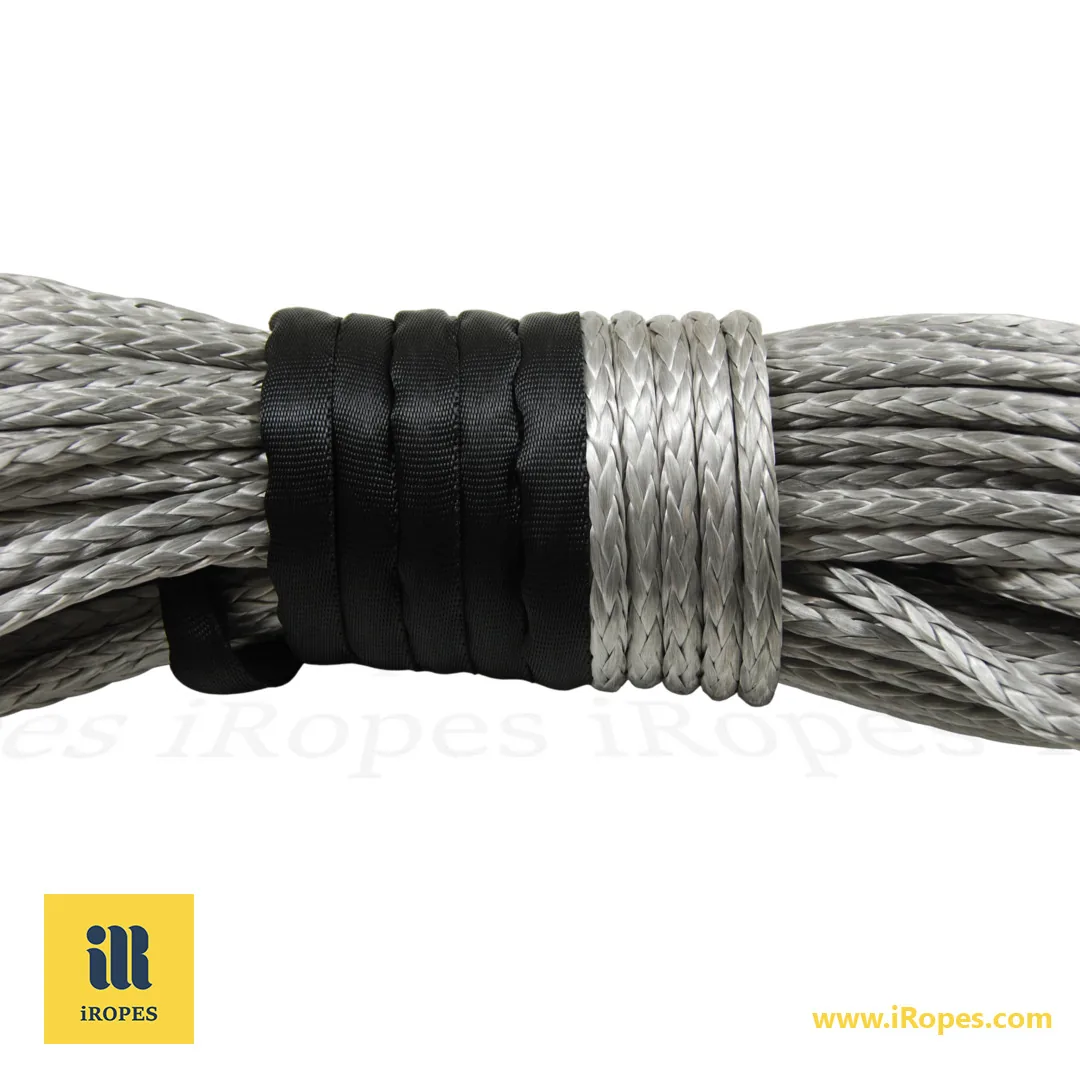
A correctly spliced rope using the right rope splice tools retains over 90% of the rope’s original tensile strength. You can achieve this strength retention in half the time, potentially improving your workflow by up to 27%.
What You’ll Gain (≈ 3 min read)
- ✓ Select the precise fid size for any rope diameter, potentially boosting splice strength retention by up to 4% for each correct match.
- ✓ Cut and finish with specialised scissors or a hot knife, reducing fibre fraying and extending tool life.
- ✓ Assemble a complete rope splicing tool kit (fid, needle, push-in tool) that can cut splice preparation time by roughly 27% on 3‑strand to double‑braid conversions.
- ✓ Avoid costly failures – a properly executed splice can save an average of $84 in re‑work and downtime (industry data).
Most riggers still reach for a generic fid and hope for the best. However, this guesswork can compromise up to 6% of a rope's potential strength. Imagine, instead, using a diameter‑matched Selma fid and a D‑Splicer needle. Your splice could retain over 90% of iRopes’ high‑knot‑strength rating, all while significantly cutting preparation time.
This guide explains how to select and assemble that precision rope making tool trio. We'll also explain why these specialised rope splice tools outperform many shortcut techniques often attempted.
Essential Rope Making Tool Considerations for Strong Splices
Once you understand how a solid splice protects your load, the next crucial step is choosing the correct rope making tool. A rope splice that fails under tension often traces back to a mismatched or low‑quality tool. Selecting equipment that aligns with the rope’s construction, diameter, and your intended splice is as critical as the splicing technique itself.
Before using a rope splicing tool, ask yourself three essential questions: will its material withstand the forces applied? Is its size appropriate for the rope? And will its design allow you to work comfortably throughout the task? Answering these points reduces the chance of a weak joint, ensuring the splice remains safe for demanding applications such as arborist work or marine rigging.
Below are the key factors influencing the performance of any rope splice tool you add to your kit.
- Material durability: Stainless‑steel or hardened aluminium resists corrosion and bending, ensuring the tool remains true under repeated use.
- Diameter compatibility: A fid or needle matching the rope’s thickness (e.g., 6 mm to 10 mm for most industrial lines) opens strands cleanly, preventing fibre damage.
- Ergonomic shape: A comfortable grip reduces hand fatigue, which is crucial when pulling tight braids through a dense core.
- Special coatings: Titanium‑nitride or ceramic finishes minimise wear on high‑modulus fibres like Dyneema.
Consider the three core rope making tools forming the backbone of any splicing workflow: fids, needles, and marlinspikes. A fid is a tapered rod designed to open strands and create a channel for the working end. It’s a common starting point for beginners, who often ask: what is a rope fid used for? In practice, you push the fid between strands, separate them just enough to slip the new end through, then withdraw the fid, leaving a clean passage for a tight splice.
Needles—often called rope splice needles—are long, slender, and sometimes curved. They pull the working end through the opened strands, proving especially useful on tightly woven double‑braid ropes where a fid alone cannot reach the core. Marlinspikes, with their sharp point and sturdy shank, excel at separating tightly bound strands or helping to insert a needle into a narrow braid.
Matching the tool’s size to the rope’s construction prevents damage. For example, a 5 mm fid provides enough clearance for a 7 mm kernmantle line without over‑opening the sheath. For a 12 mm double‑braid, a larger, stepped‑diameter fid or a Selma‑style fid maintains control while handling the thicker core. When you pair the correct rope splice tool with the appropriate rope, the splice often retains more than 90% of the rope’s original strength—a figure you’ll notice on the testing charts of high‑knot‑strength ropes.
“A well‑chosen fid or needle is the hidden strength behind every professional splice; it’s the difference between a rope that holds and one that lets go.”
Finally, remember to maintain your tools. Wipe steel surfaces after each use, lubricate moving parts on pushers, and store items in a dry pouch to prevent rust. A clean, well‑maintained rope splice tool not only lasts longer but also instils confidence that each splice you finish will perform exactly when it matters most.
With these considerations in mind, you are now prepared to explore the specific categories of rope splicing tools and understand how each supports the splice you intend to create.

Key Rope Splicing Tool Categories and Their Functions
Now that you appreciate the importance of using the right equipment, let’s delve into the three primary categories of rope splicing tools. Each group addresses a specific challenge in the splicing workflow. Matching the task to the tool will ensure a strong joint and comfortable operation.

Envision the splicing process as a three‑act play. First, you create an opening. Then, you pull the strands together. Finally, you cleanly finish the ends. Your tool set should reflect this structure.
- Fids & splicing wands: These tools open strands and guide rope ends through the splice cavity.
- Splicing needles & pushers: These pull tight braids through narrow cores and drive needles into dense constructions.
- Cutting & finishing tools: This category includes scissors, hot knives, and whipping accessories that seal and protect the final splice.
When selecting a rope splicing tool from the first group, you'll typically use a fid matched to the rope’s diameter. A tapered stainless‑steel fid slides between fibres, creating just enough space to thread the working end without fraying the sheath. For larger double‑braid cores, a splicing wand with an extended reach helps position the end deep inside the braid before the needle arrives.
The second group—needles and pushers—is where the splice tightens. A D‑Splicer needle, often under 5 mm in width, can penetrate the tightest Dyneema cores. Pushers, sometimes called “needle drivers,” offer the mechanical advantage needed to force a needle through a stubborn core without bending the tool.
Finally, finishing tools transform a raw splice into a professional‑grade joint. High‑carbon scissors cleanly slice synthetic fibers, while a hot knife fuses the cut ends of UHMWPE ropes, effectively preventing fraying. Whipping twine or a small palm secures the splice tail, adding abrasion resistance where the splice meets the load.
Fids
Stainless‑steel or titanium‑nitride coated rods that open strands without damaging high‑modulus fibres.
Splicing Wands
Long, slender tools that reach deep into double‑braid cores, guiding the working end for a clean eye splice.
Needles
Curved, high‑precision steel needles that pull the working end through tight braids, essential for Dyneema splices.
Pushers
Lever‑style devices that drive needles into dense cores, reducing hand fatigue on heavy‑duty lines.
Choosing the right rope splice tool from each category requires considering the rope diameter, its construction, and the specific splice you plan to create. For instance, a 6 mm kernmantle line pairs best with a 4 mm fid and a standard D‑Splicer needle. In contrast, a 12 mm hollow‑braid rope benefits from a Selma‑style fid and a larger push‑in needle. With the correct trio in hand, you will clearly understand why professional‑grade splices retain more than 90% of the rope’s original strength.
Armed with this comprehensive toolbox, the next step is to match each tool to the specific rope construction you’re working with—whether it's a classic 3‑strand line, a double‑braid, or a high‑modulus Dyneema core.
Choosing the Right Rope Splice Tool for Specific Rope Constructions
With your complete toolbox at the ready, the next critical decision involves matching each rope’s construction to the rope making tool that will yield the cleanest and strongest splice, as detailed in our guide on different rope splicing techniques. The right rope splice tool not only saves time but also protects the fibres, which is especially important when working with high‑knot‑strength lines from iRopes.
3-Strand Ropes: Classic Fids and Marlinspikes
Three‑strand fibres separate easily, so a simple tubular fid paired with a sturdy marlinspike is often sufficient. Choose a fid whose diameter is just a millimetre smaller than the rope core; this creates an opening without crushing the outer sheath. A marlinspike with a slightly angled tip helps untwist tightly bound strands before the fid slides in.
Double-Braid and Hollow-Braid Ropes: D‑Splicers and Selma Fids
These constructions feature a dense core beneath a protective braid, necessitating tools that can reach deep and maintain rigidity. D‑Splicer needles, typically under 5 mm wide, thread through tight Dyneema cores without bending. Selma‑style fids, with their stepped diameters, effectively open the braid while keeping the outer sheath intact, making it easier to pull the working end through.
UHMWPE (Dyneema/Amsteel) Ropes: Specialised Needles and High‑Precision Cutters
Ultra‑high‑molecular‑weight polyethylene fibres are exceptionally slick and highly resistant to abrasion, meaning ordinary needles can easily slip. For these materials, look for a specialised splicing needle with a polished, bevelled tip, specifically designed for low‑friction passage. When you finish the splice, a high‑precision cutter or hot knife seal will cut the fibres cleanly and prevent fraying.
- 3-strand: Use a tubular fid and a marlinspike for quick strand opening.
- Double-braid / hollow-braid: Employ a Selma fid and a D‑Splicer needle for deep core access.
- UHMWPE: Opt for a polished needle and a high‑precision cutter or hot knife for a clean finish.

Pro Tip
When transitioning from a 6 mm 3‑strand line to a 10 mm double‑braid, upgrade from a standard fid to a stepped Selma fid. The extra length prevents the braid from tearing during the splicing process.
By pairing the appropriate rope making tool with the rope’s construction, you can maintain the splice’s strength, as shown in the benefits of 16mm double braid rope, keeping it close to the line’s original rating. Whether you are preparing a load‑bearing eye splice for a marine halyard or a recovery line for an off‑road rig, the correct rope splice tool proves to be the crucial difference between a joint that confidently holds and one that unfortunately fails.
With the right combination of tools in hand, you are ready to proceed to the final stage—testing the splice under load and finishing it for long‑term durability.
Selecting the appropriate rope making tool that matches the rope’s diameter, material, and construction is essential for preserving the high knot‑strength of UHMWPE ropes that iRopes rigorously tests. This careful selection allows splices to retain over 90% of the original rating.
Ultimately, a dedicated rope splicing tool––whether it’s a tapered fid, a precision needle, or a specialised cutter––creates clean openings. Meanwhile, auxiliary rope splice tools finalise the joint and protect the fibres. These tools deliver reliable performance across 3‑strand, double‑braid, and UHMWPE lines.
Need personalised guidance on choosing the perfect tools?
If you would like a customised recommendation for your specific rope applications, please fill out the form above. Our specialists will help you select the optimal equipment and discuss any additional requirements you might have.