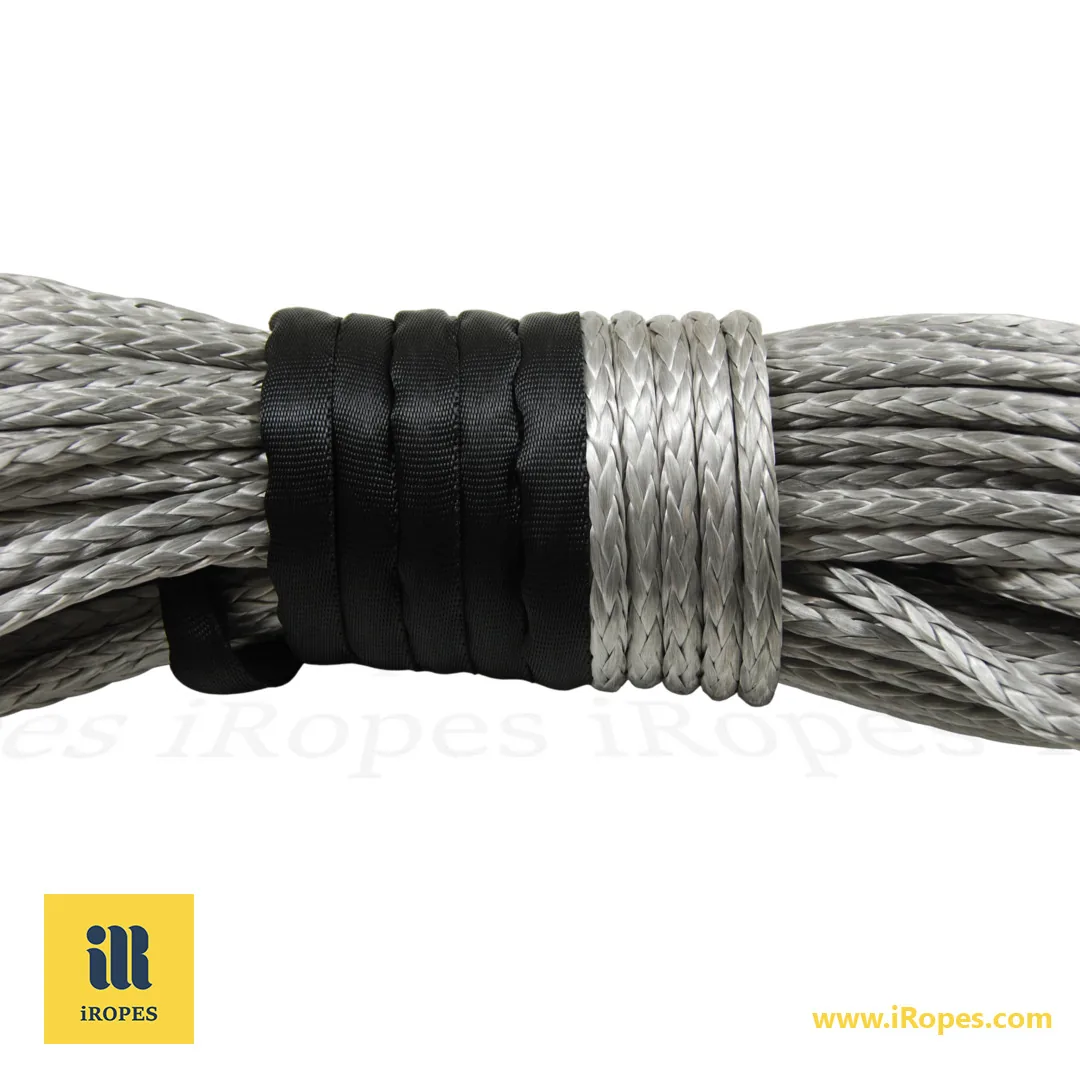
1‑inch 6×19 IWRC sling lifts 9.8 t vertically, 7.2 t as a choker, and 20 t in a basket — about a ≈2.8× jump from choker to basket ⚡.
What you’ll gain – ~6 min read
- ✓ Instantly pick the right sling size: cover lifts from 300 kg to 34 600 kg with our capacity tables.
- ✓ Cut calculation time using the WLL = Breaking Strength ÷ 5 shortcut and angle‑multiplier charts.
- ✓ Avoid costly downtime: follow OSHA 1910.184/ASME B30.9 checks that help lower failure risk.
- ✓ Unlock custom UHMWPE slings that are significantly lighter while meeting the same rating for safer handling.
Most crews assume the vertical rating is the only safe figure, but they overlook how a modest 45° choker or an under‑rated D/d ratio can slash capacity by almost a third. What if you could see, in seconds, exactly how those hidden factors reshape your lift limits? In the next sections we reveal the exact formula and a quick‑calc tool that turns guesswork into precise, compliant numbers—so you never over‑ or under‑estimate again.
Understanding the capacity of wire rope sling
When you wonder how much a sling can safely lift, the answer hinges on its capacity of wire rope sling. In a nutshell, capacity ranges from roughly 300 kg for the smallest diameters up to 34 600 kg for the largest, depending on rope construction, diameter and the hitch type you employ.
The three most common hitch configurations each have a distinct rating. A vertical leg provides the baseline rating, a choker reduces capacity because of bending and angle‑induced stress, and a basket configuration—when the D/d ratio is sufficient—can deliver the highest rating.

Below is a quick‑reference that answers the common PAA question “What is the capacity of a wire rope sling?” in a single, easy‑to‑read format.
- Vertical leg – baseline rating; for a 1‑inch 6×19 IWRC sling this is 9.8 t (19 600 lb).
- Choker – rating drops to about 73 % of vertical; the same 1‑inch sling rates 7.2 t (14 400 lb).
- Basket – delivers the highest capacity when D/d ≥ 25; the 1‑inch example reaches 20 t (39 200 lb).
To illustrate, a standard 1‑inch (≈ 25 mm) wire rope built with a 6×19 IWRC has a breaking strength of about 98 000 lb (≈ 49 t). Dividing by the industry‑standard design factor of 5 yields a working load limit (WLL) of 19 600 lb (9.8 t) for vertical use. The same rope, when used as a choker, sees about a 27 % reduction, while a basket configuration—thanks to a favourable D/d ratio—can support up to 39 200 lb (20 t).
Construction impact
6×19 offers a balance of flexibility and strength, while 6×37 increases flexibility with more, finer wires. Capacity can shift with construction and grade (EIPS, IWRC), so always check the data sheet.
Diameter matters
WLL rises quickly with diameter because strength scales with cross‑sectional area. Selecting the correct size is the fastest way to meet a lift requirement.
Angle effect
When the sling angle exceeds 30°, a multiplier (≈ 0.73 at 45°, ≈ 0.55 at 60°) reduces the WLL; keeping angles shallow preserves capacity.
D/d ratio
For vertical use a D/d of at least 5 is recommended; basket applications typically demand a ratio of 25 or more to achieve the listed capacity.
Understanding these fundamentals lets you select the right sling without guessing. In the next part we’ll break down the exact formula so you can compute any sling’s load rating yourself.
Calculating 1 wire rope sling capacity
Picking up from the previous discussion, the moment you know a sling’s breaking strength, the rest of the math is straightforward. Below you’ll find the exact steps you need to turn that raw strength figure into a safe working load limit (WLL) that you can rely on every day on the job site.

The core relationship is simple: WLL = Breaking Strength ÷ Design Factor. Industry practice commonly sets the design factor at 5 for most lifting applications, which means you divide the rope’s ultimate breaking load by five to arrive at the safe‑load figure.
- Find the rope’s breaking strength from the manufacturer’s data sheet (usually given in pounds or tons).
- Divide that number by 5 – the standard safety factor referenced in OSHA 1910.184 and ASME B30.9.
- Confirm the units you’ll use on the lift plan and keep them consistent across calculations.
- Apply the angle multiplier if the sling is used as a choker or at an angle (e.g., 0.73 at 45°).
- Check the D/d ratio; a basket hitch typically requires D/d ≥ 25, otherwise reduce the listed capacity accordingly.
Let’s walk through a concrete example with a 1‑inch (≈ 25 mm) 6×19 IWRC rope. The catalogue lists its breaking strength at roughly 98 000 lb (≈ 49 t). Applying the formula:
- WLL = 98 000 lb ÷ 5 = 19 600 lb (9.8 t) for a vertical leg.
If you use the same rope as a choker with a 45° angle, multiply the vertical WLL by the 0.73 factor from the table below, giving a choker rating of about 7.2 t (≈ 14 400 lb). For a straight basket configuration with a D/d ratio of 30 or more, the rating can reach ≈ 20 t (≈ 39 200 lb).
Angle multipliers
30° – factor 1.0; 45° – multiply by 0.73; 60° – multiply by 0.55. Angles above 60° are discouraged for safety reasons.
When you need a quick sanity check on‑site, the interactive calculator linked above does all of this in seconds – just enter the diameter, construction, hitch type, and the angle you plan to use.
Now that the math is clear, the next step is to understand why different constructions, diameters and angles shift those numbers in the first place. →
Factors influencing wire sling capacity
Now that the calculation method is clear, let’s dig into the variables that make a capacity of wire rope sling shift from one rating to another. Understanding construction, diameter, geometry and angle helps you pick the right sling without guesswork.

Each construction family delivers a distinct breaking strength. A 6×19 design balances flexibility with load‑bearing ability, while a 6×37 design uses more, finer wires to increase flexibility; actual wire sling capacity varies by grade and core. Independent Wire Rope Core (IWRC) variants improve resistance to crushing and fatigue, especially when the sling faces repeated cycles.
When the angle widens, the effective load on each leg rises quickly. Even a strong rope can lose capacity fast if not rigged correctly.
The D/d ratio—rope diameter divided by the hook or pin diameter—sets geometric limits. For a vertical leg you should maintain at least a 5:1 ratio; a basket hitch often requires a ratio of 25 or more before the full rating applies. Anything below those thresholds demands a derate.
Angle is the last, often‑overlooked factor. How does sling angle affect capacity? At 30°, the multiplier is taken as 1.0, meaning no loss. At 45° the factor drops to 0.73, and at 60° it falls to 0.55. Angles beyond 60° are discouraged because the load on each strand spikes.
Construction & Size
Key drivers of strength
Construction type
6×19 offers balanced flexibility; 6×37 improves flexibility. Combined with EIPS grade and IWRC, these choices influence wire sling capacity.
Diameter selection
As diameter increases, WLL rises with cross‑sectional area. Even a ¼‑inch step can add a meaningful safety margin—check the table before you lift.
Core choice
IWRC cores outperform fibre cores in high‑temperature or high‑cycle applications, adding extra safety margin.
Geometry & Safety
How setup affects rating
D/d ratio
Vertical hitches work best at ≥ 5:1; basket configurations typically need ≥ 25:1 to retain the full rating.
Sling angle
30° = 1.0, 45° = 0.73, 60° = 0.55 – angles above 60° are discouraged for safety.
Angle multiplier table
Use the multiplier to adjust the WLL after you have the vertical rating; it’s the quickest way to verify a choker or basket setup.
With construction, size, D/d ratio and angle all laid out, the next logical step is to see how safety standards and inspection routines keep those numbers reliable on the job site.
Safety, inspection, and custom solutions for wire rope slings
Having explored how construction, diameter, and angle shape a sling’s rating, the next step is to lock that rating in with solid safety practices and a reliable inspection routine. Without a consistent check‑up, even the strongest rope can lose its promised capacity of wire rope sling when hidden damage goes unnoticed.

Both OSHA 1910.184 and ASME B30.9 commonly require a design factor of 5 : 1 for most wire rope slings. That means the working load limit is one‑fifth of the rope’s ultimate breaking strength, providing a consistent safety margin across diameters and constructions.
Regular inspections keep that safety factor meaningful. Below is a quick‑reference checklist you can run before every lift and during scheduled maintenance.
- Tag reading – verify the manufacturer’s rating, production date, and any service‑life notes.
- Visual damage – look for broken wires, corrosion, crushing, or heat‑affected discolouration.
- Stretch limits – measure elongation; excessive or permanent stretch indicates fatigue.
- Post‑impact assessment – after a shock‑load, re‑check the rope for kinked strands or deformed cores.
When a standard sling can’t meet a specific colour, length, or load‑profile requirement, iRopes’ UHMWPE slings step in. The ultra‑high‑molecular‑weight polyethylene core offers a superior strength‑to‑weight ratio, cutting weight significantly while meeting the same rating for safer handling. Because the material is low‑stretch, you also get more predictable wire sling capacity, especially in demanding offshore or marine lifts. iRopes can add custom colour bands, embossed logos, or non‑branded packaging to match your site’s safety‑signage scheme. We manufacture under ISO 9001, offer OEM/ODM services with dedicated IP protection, and ship pallets worldwide to your location.
Ready to lock in your lift plan? request a custom‑engineered sling quote so your next job benefits from ISO 9001‑certified quality and tailored performance. For more on why UHMWPE outperforms steel, read our UHMWPE winch rope comparison.
Request a personalised sling solution
By now you know that the capacity of wire rope sling can vary from 300 kg to over 34 t depending on construction, diameter and hitch, and that the 1 wire rope sling capacity is calculated by dividing breaking strength by the standard safety factor of 5 and adjusting for angle and D/d ratio. The article also highlighted how construction type, diameter, and sling geometry influence the wire sling capacity, and why regular inspections and OSHA/ASME guidelines are essential. If you need a lighter, high‑strength solution, iRopes’ UHMWPE slings are safer to handle and lighter for crews while meeting your specified rating, and can be fully customised to your branding and performance needs.
For tailored advice or a custom quote, simply complete the form above and our specialists will reach out to help you optimise your lifting operations.